Chapter 7 of China Odyssey 2025
Jiangxi – a land of mountains, rivers and ancient towns
Lushan City, China
Just 7 weeks after my arrival in Hong Kong at the beginning of September, I undertook my third long trip to China with my sister. We joined another Wing On tour to Jiangxi Province for 6 days.
As there’s such a wealth of materials, I had to do 3 separate blogs – the other being “5 unique ancient villages” and “5 hotels with character in Jiangxi”
Jiangxi Province
Jiangxi in south central China is considered a poetic region due to its rich literary heritage and picturesque landscapes. It attracted numerous ancient poets with its misty mountains, quaint ancient towns and vibrant autumnal colours.
Ten days towards the end of October, I had expected to see a palette of burgundy red, golden brown, saffron yellow…. Unfortunately it had been so hot – over 30°C just a week before we set off – that everything was delayed by weeks! The promised golden hues of autumn were missing. Still, the poetic atmosphere with subtle colours had a charm all of its own
Nanchang – a blend of Nature and Culture
Nanchang is the capital of Jiangxi Province, about 470 miles from Hong Kong. The high-speed train got us there in under 4 hours, including a few stops. The train station is modern and massive; it looks more akin to an international airport than a regional train station!
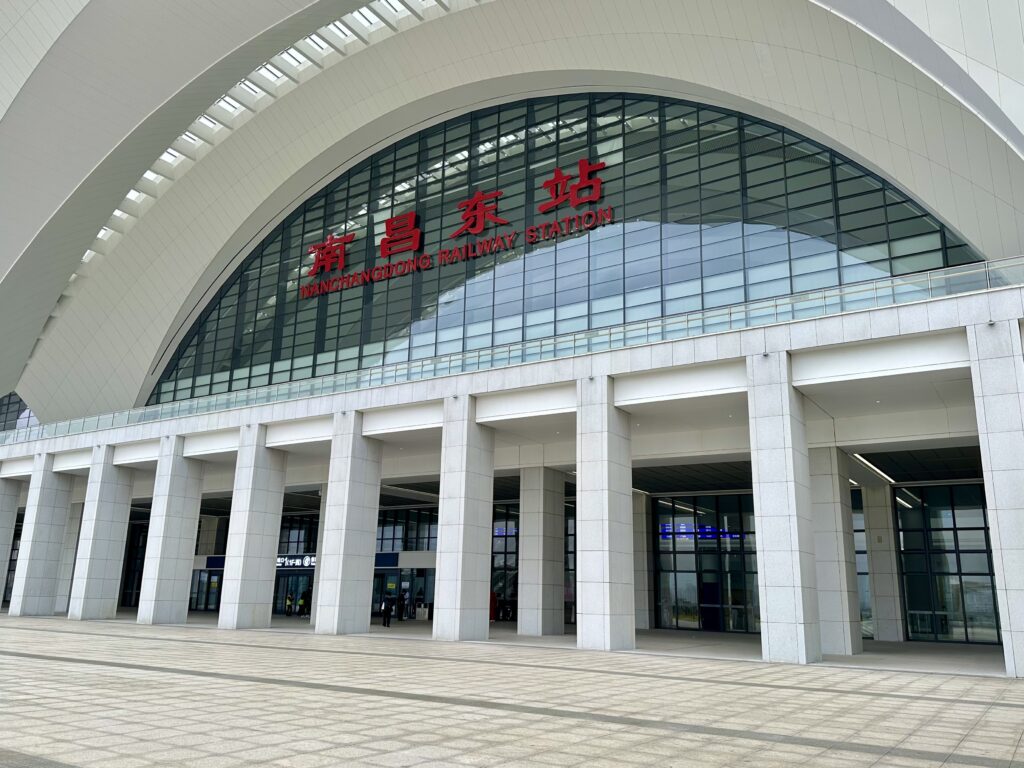
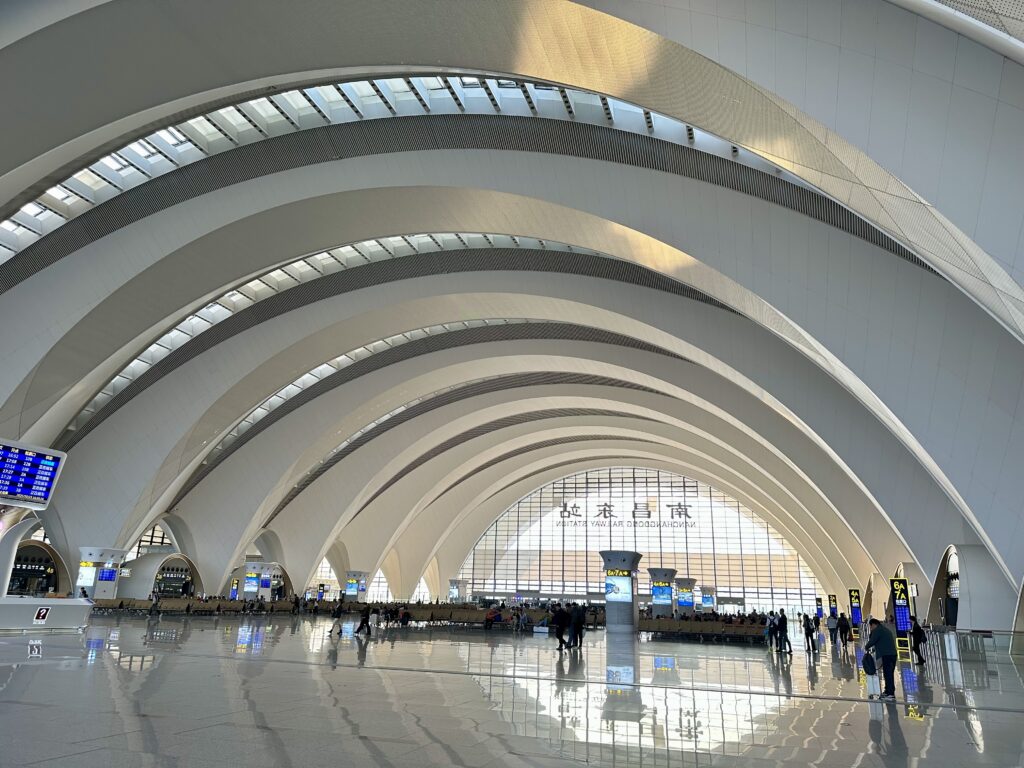
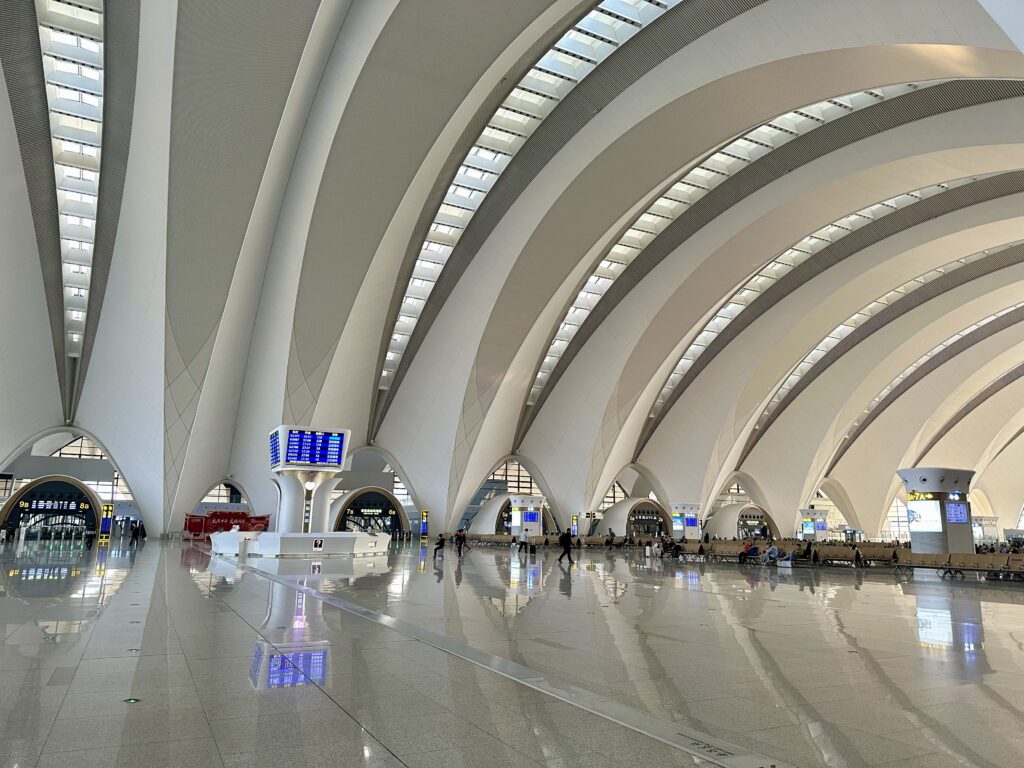
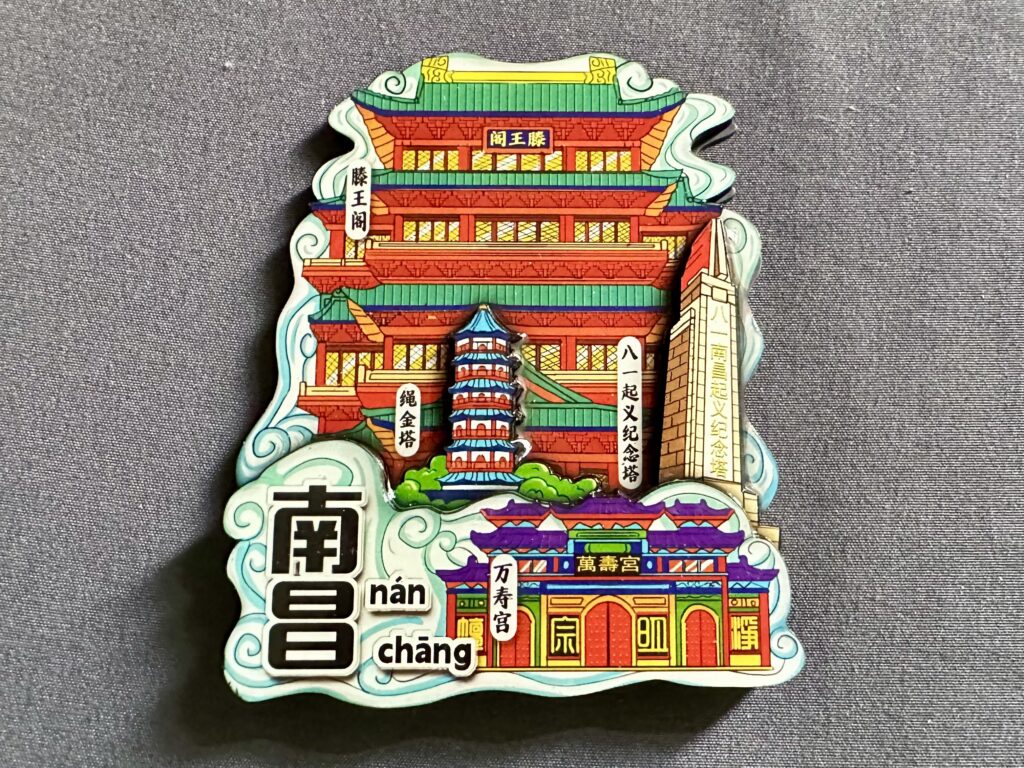
Nanchang is famously known as the “Hero City” because it was the birthplace of the People’s Liberation Army. The August 1st Nanchang Uprising (1927) started here, hence the “August 1st” (Bayi) name is everywhere — on roads, squares and parks.
Unfortunately, we arrived at dusk and only visited Wanshou Palace Historical and Cultural District where there’re the archetypal ancient Walls, temples and pagodas as in any historic cities.
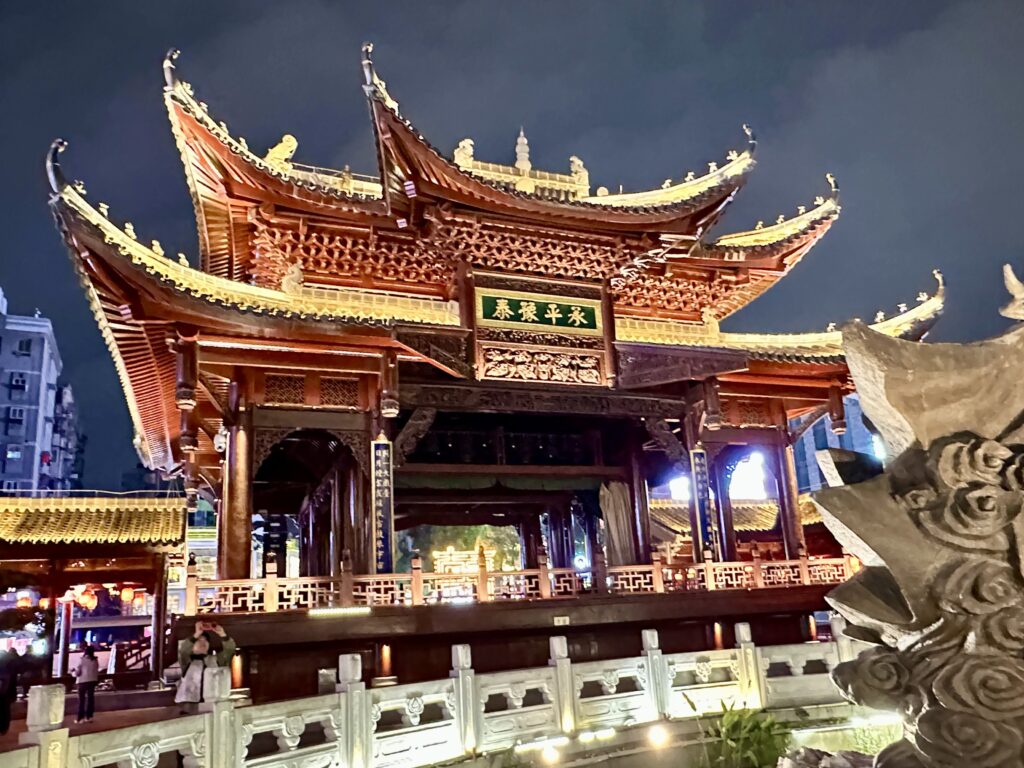
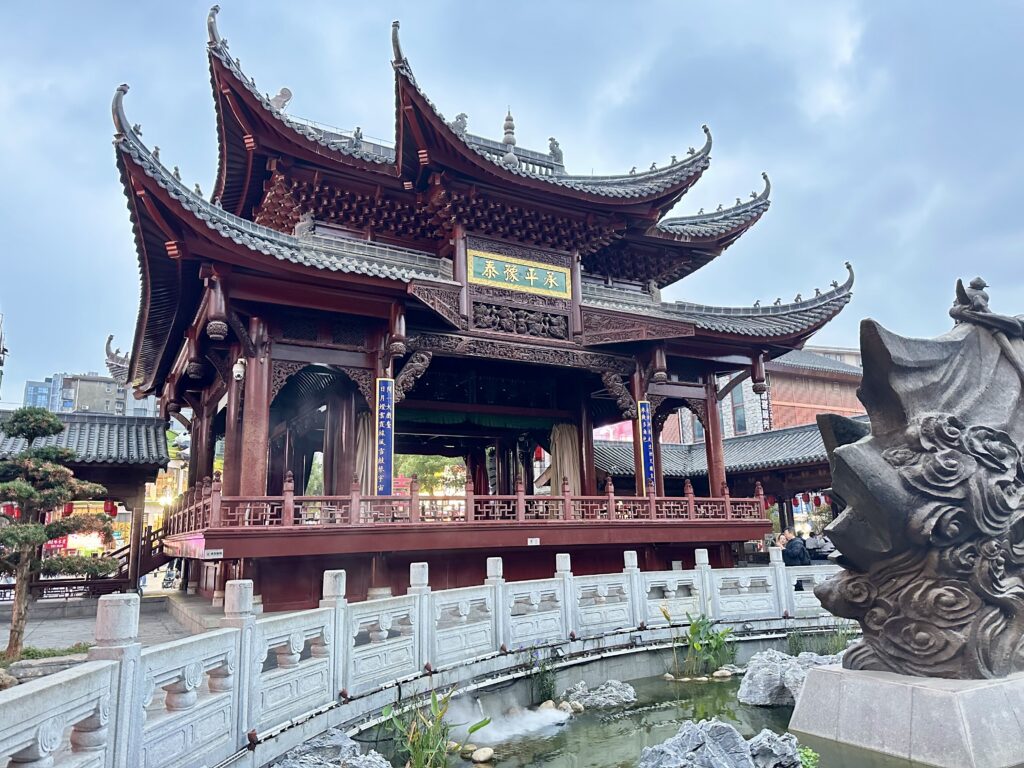
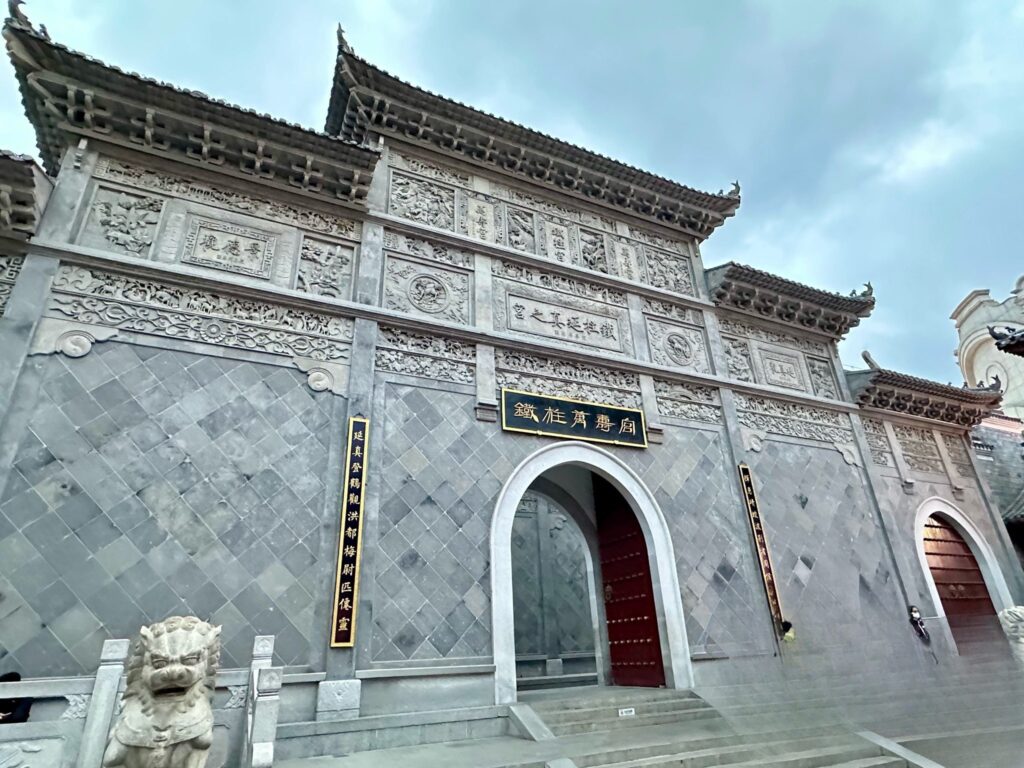
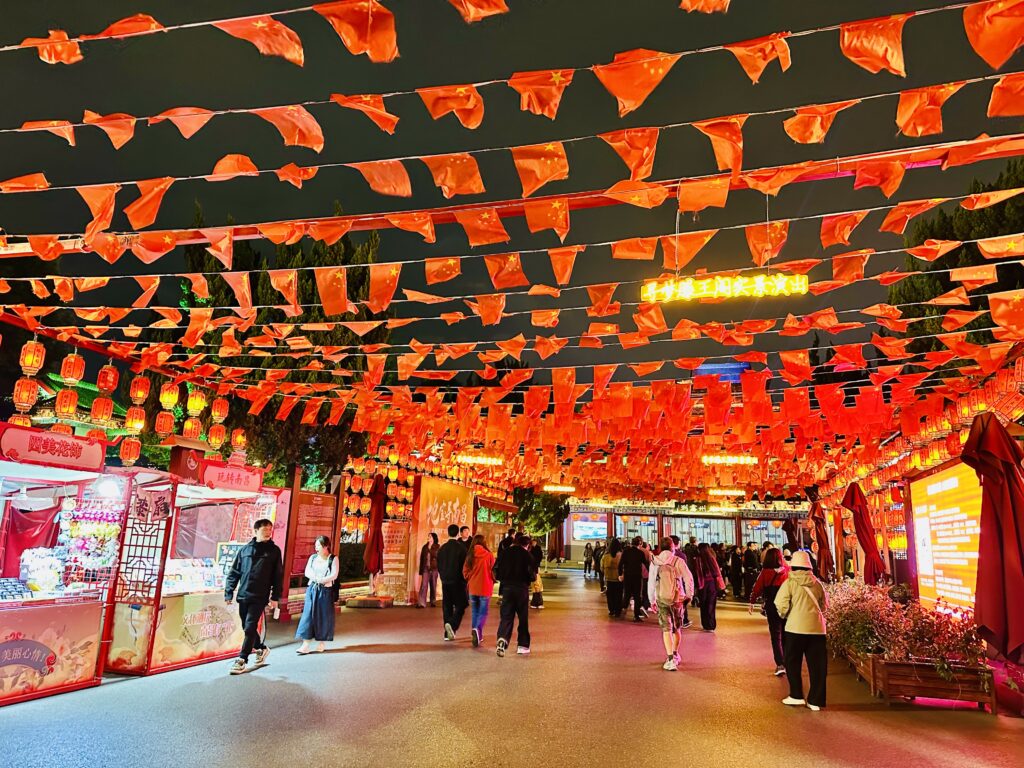
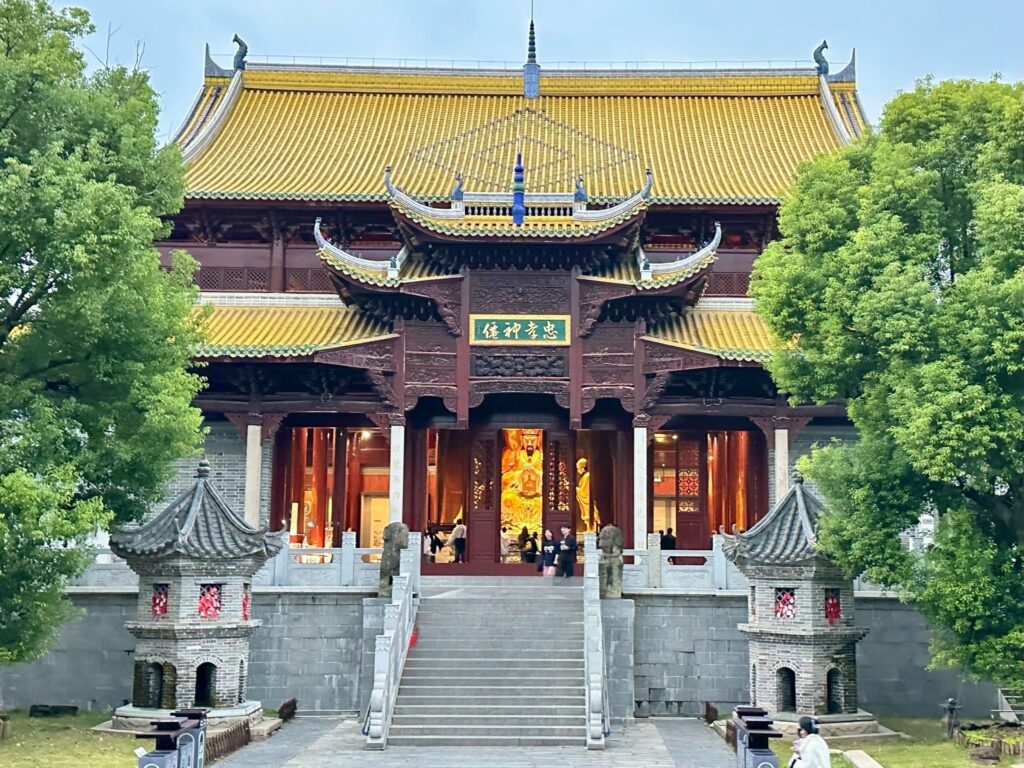
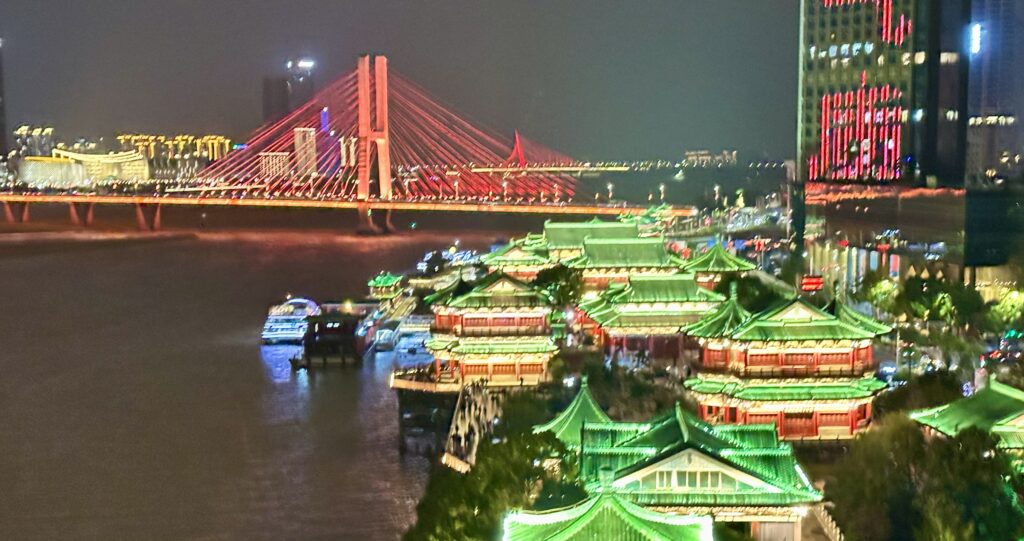
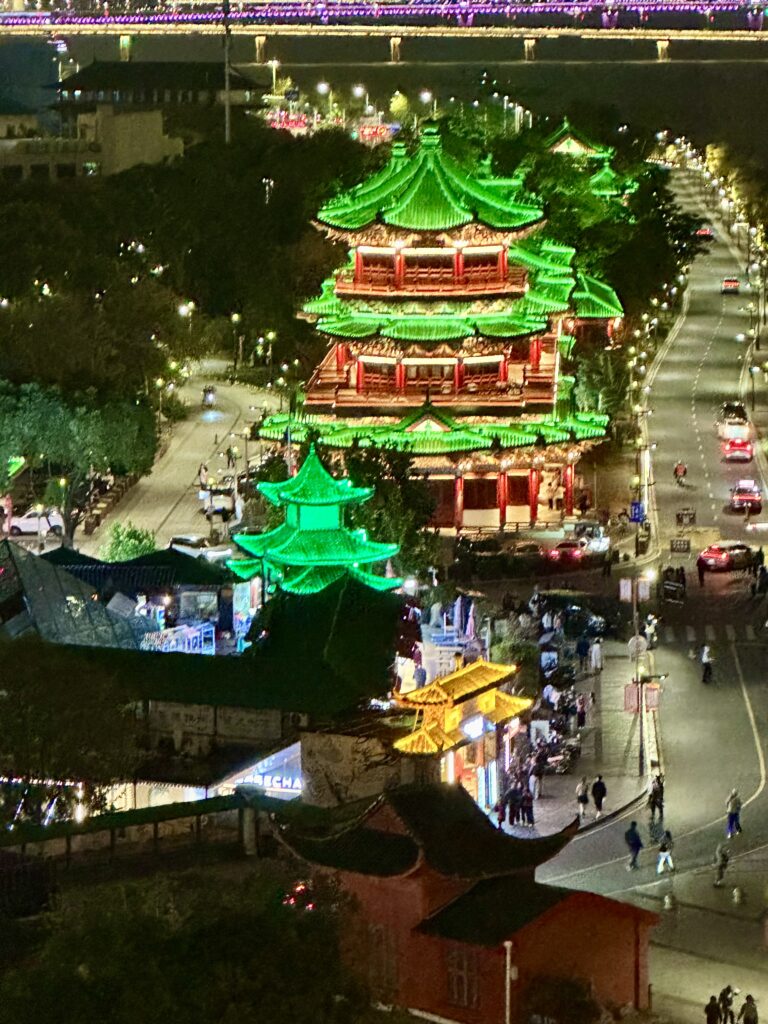
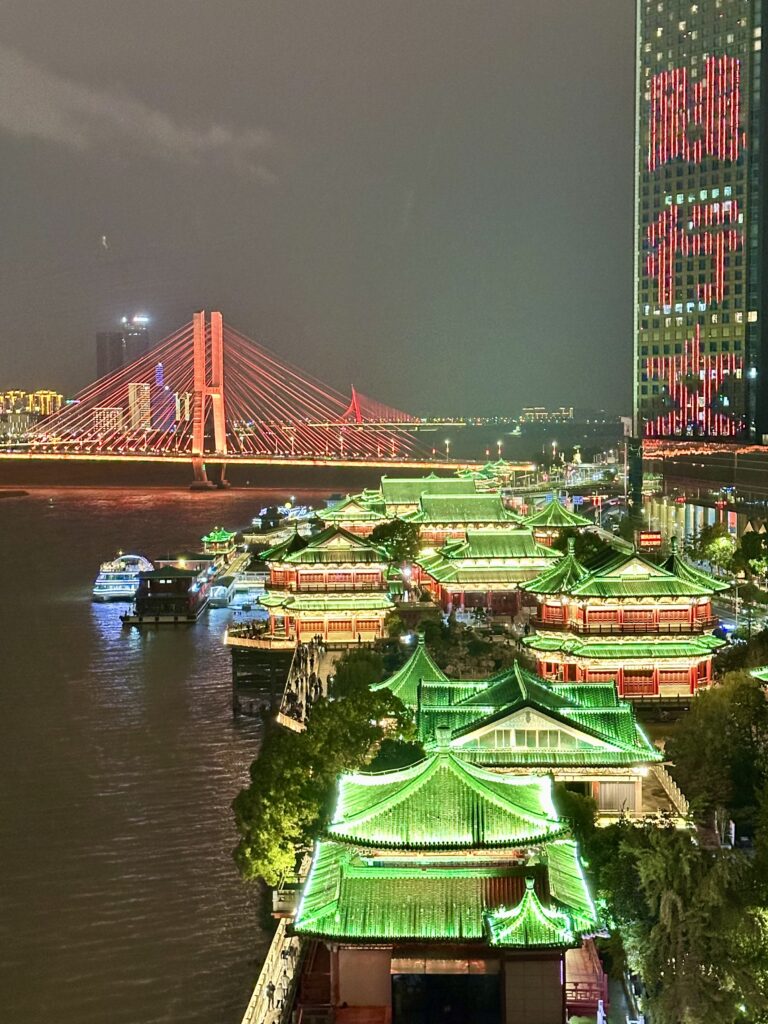
The Tengwang Pavilion 滕王閣
The Tengwang Pavilion is one of the Four Great Towers of China. This ancient landmark has a history of over 1,300 years, having been built as an entertainment venue for Tengwang, brother of the Tang Emperor Taizong.
Constructed in brick and wood, the Pavilion was prone to destruction by fire and war. Since it was built in 653, it’s been destroyed 28 times. The current reincarnation was built in the 1980’s.
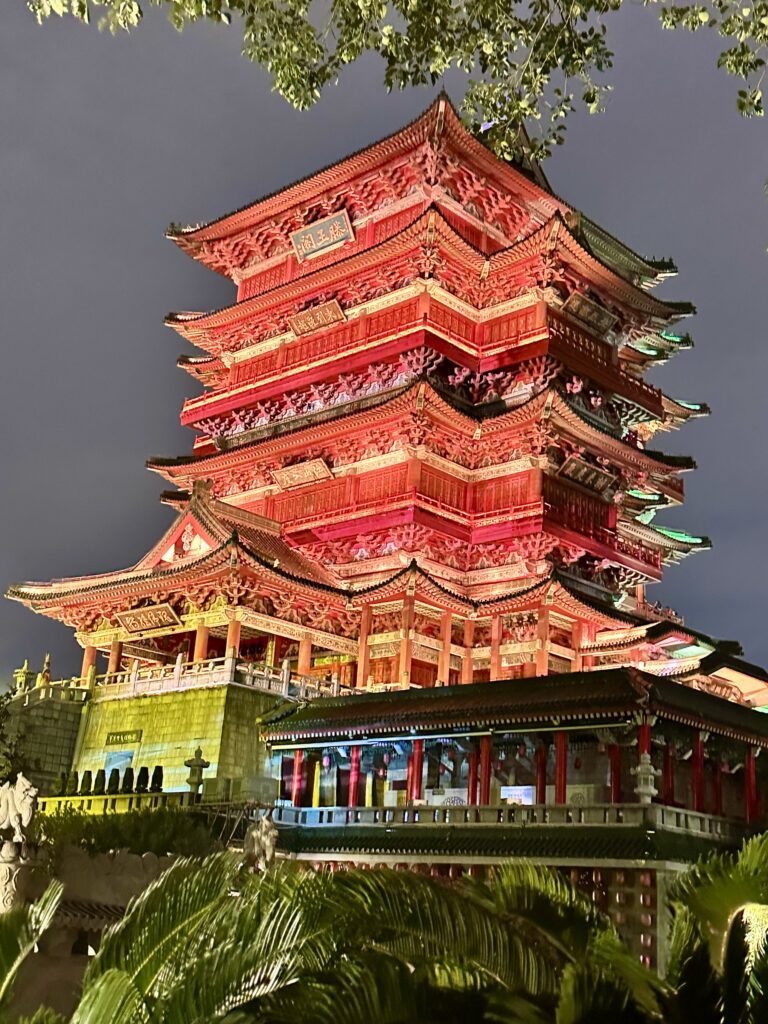
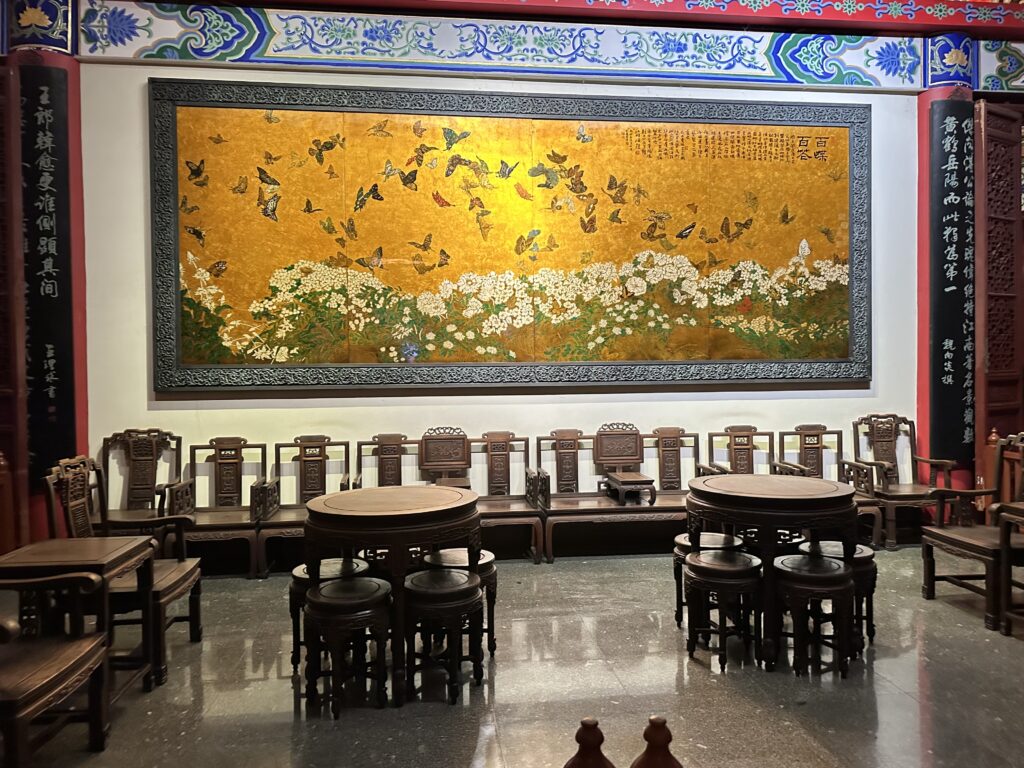
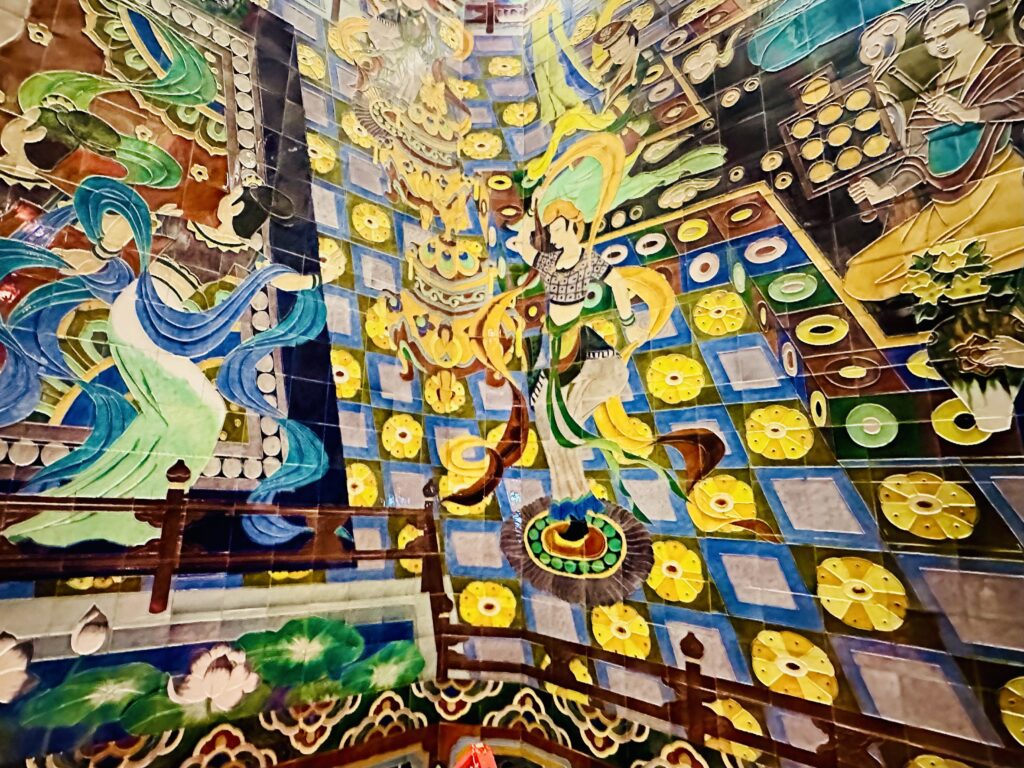
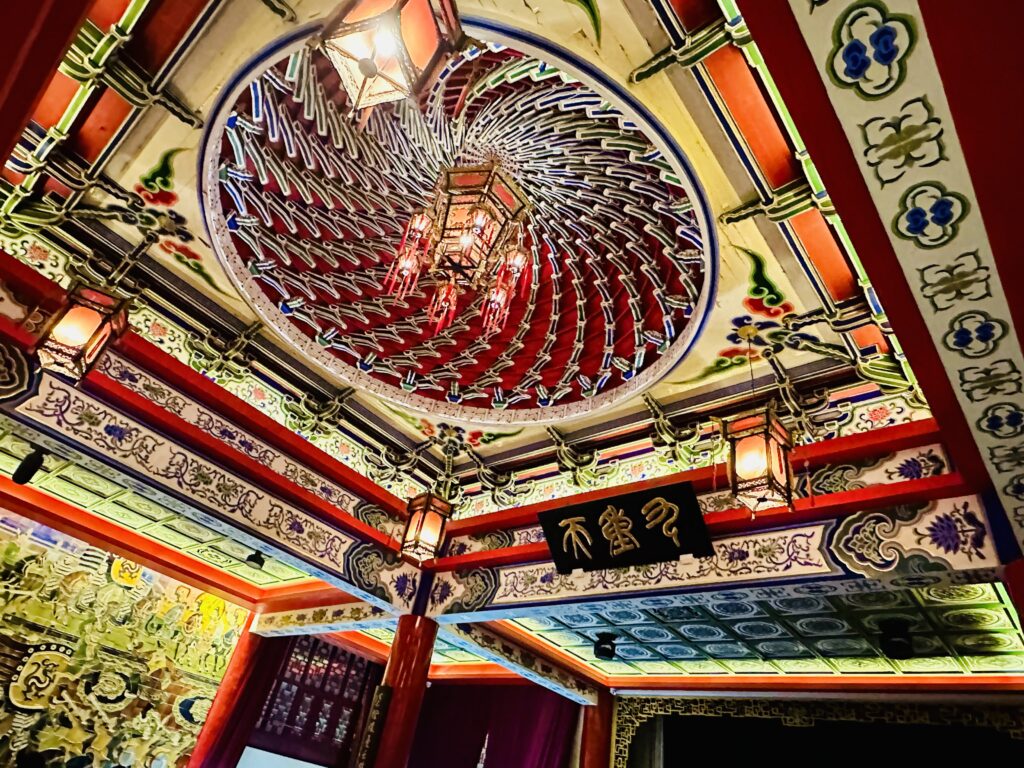
The views from the 5th floor balcony were quite spectacular !
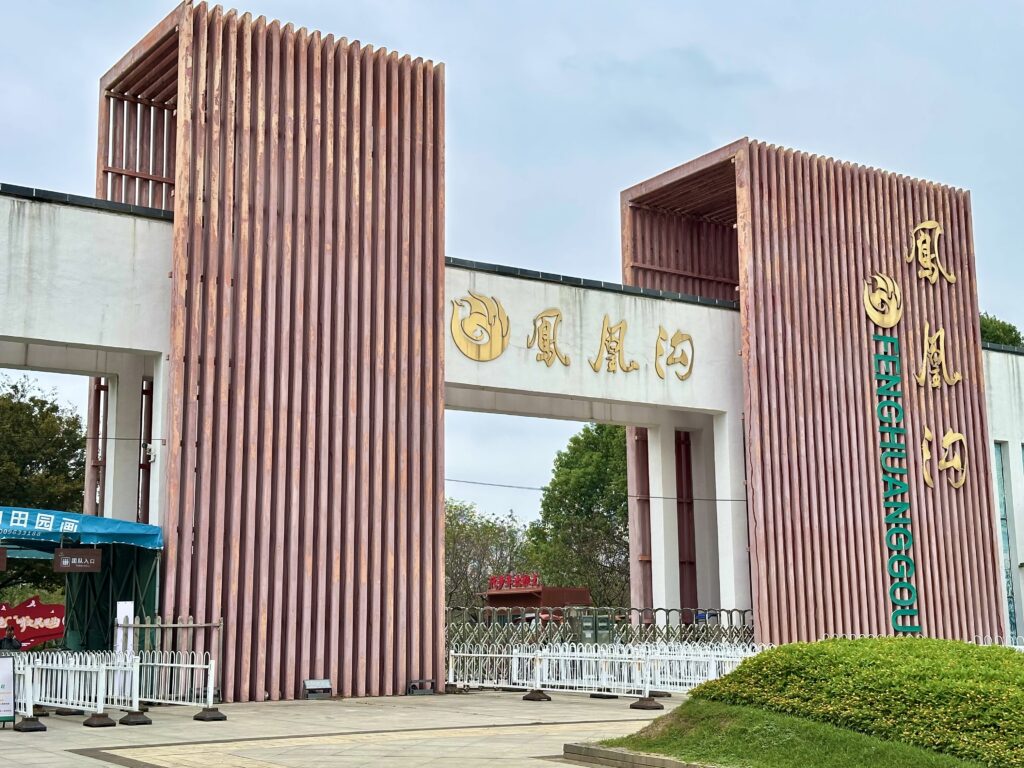
Fenghuanggou (Phoenix Valley 鳳凰溝)
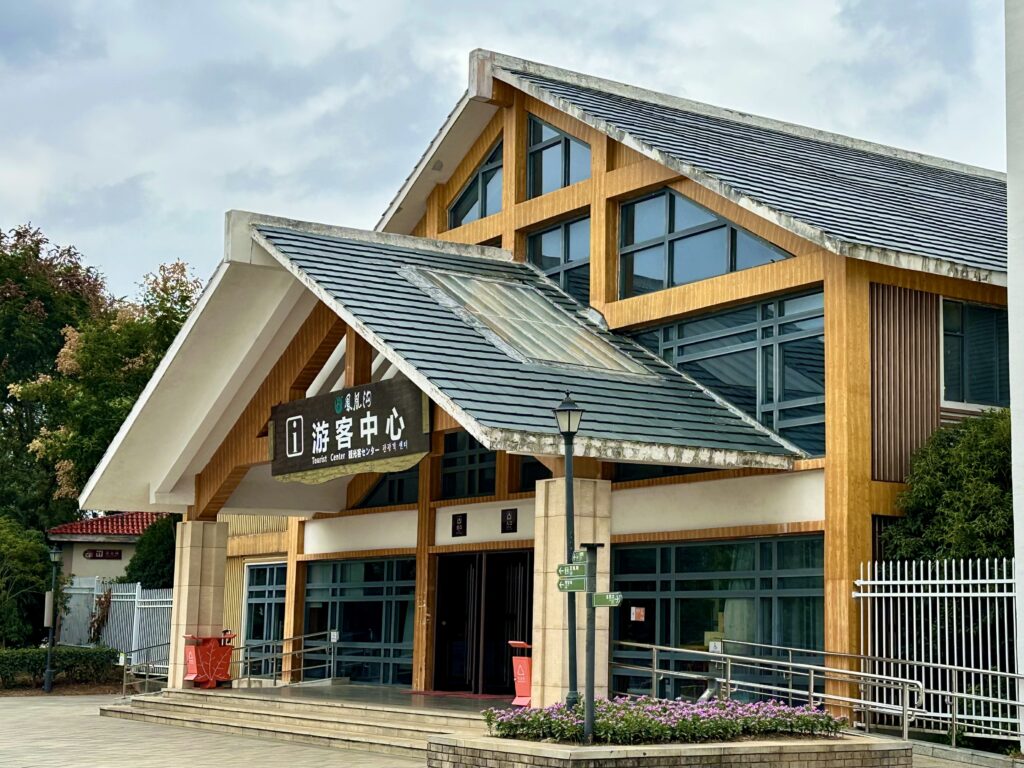
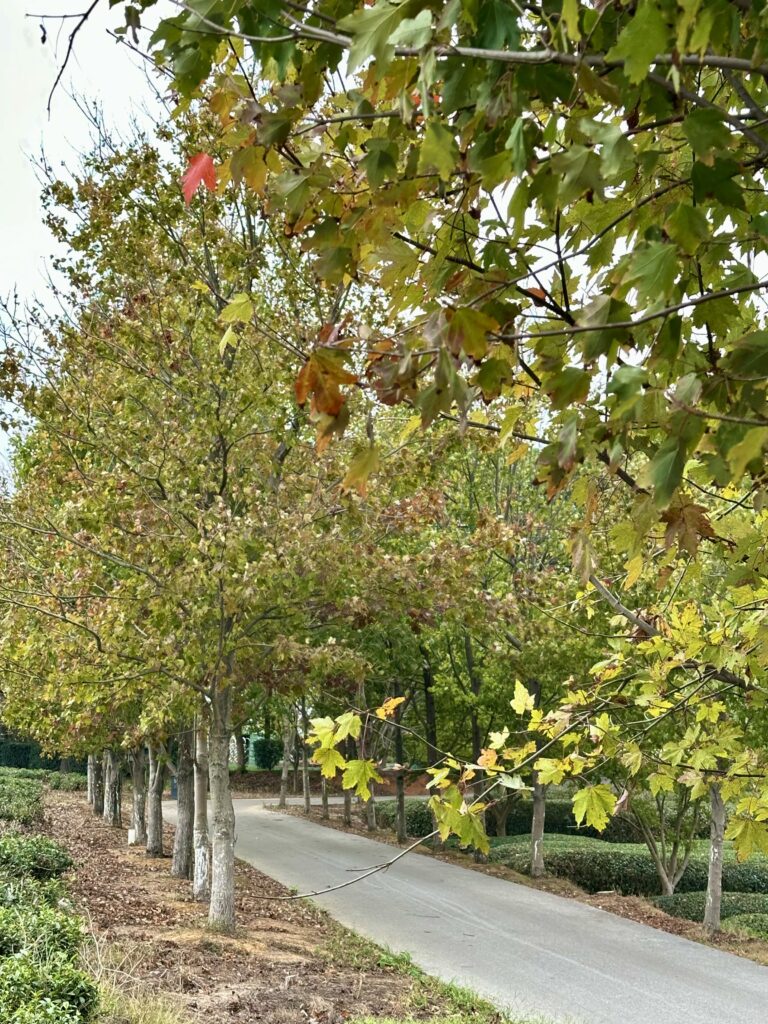
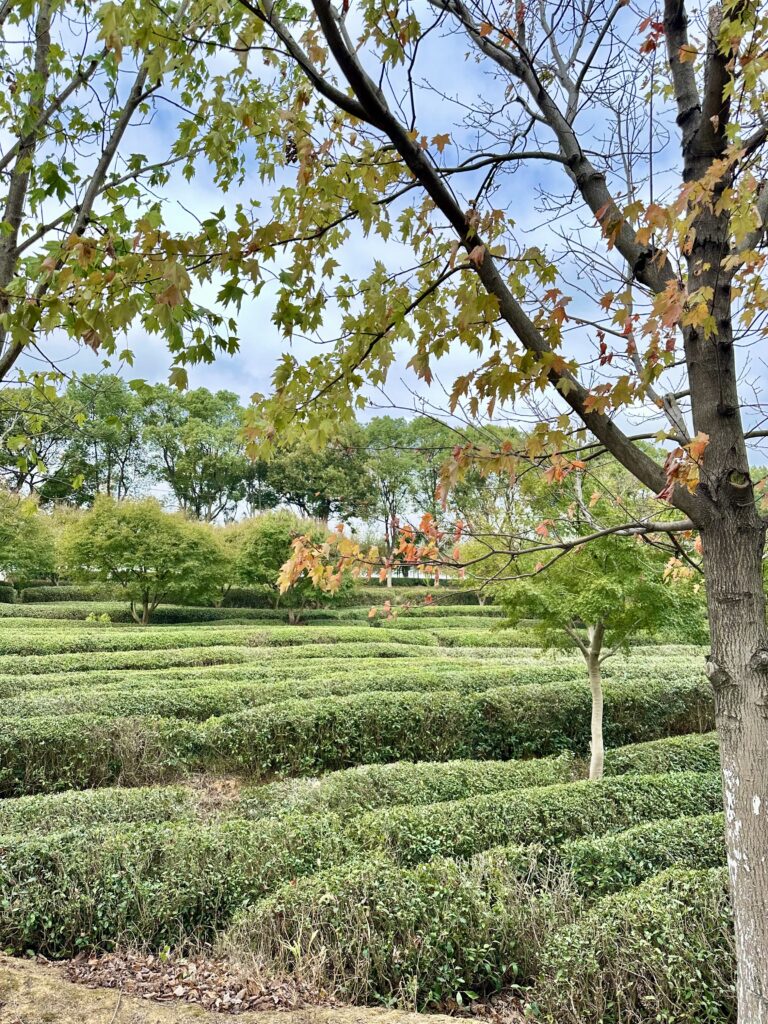
Fenghuanggou is an ecological park near Nanchang. It’s famous for its forest of ginkgo and maples in the autumn. There were surprisingly few people there when we visited. Perhaps local people got wind of the fact that the golden yellow ginkgoes and fiery maples were yet to make an appearance!
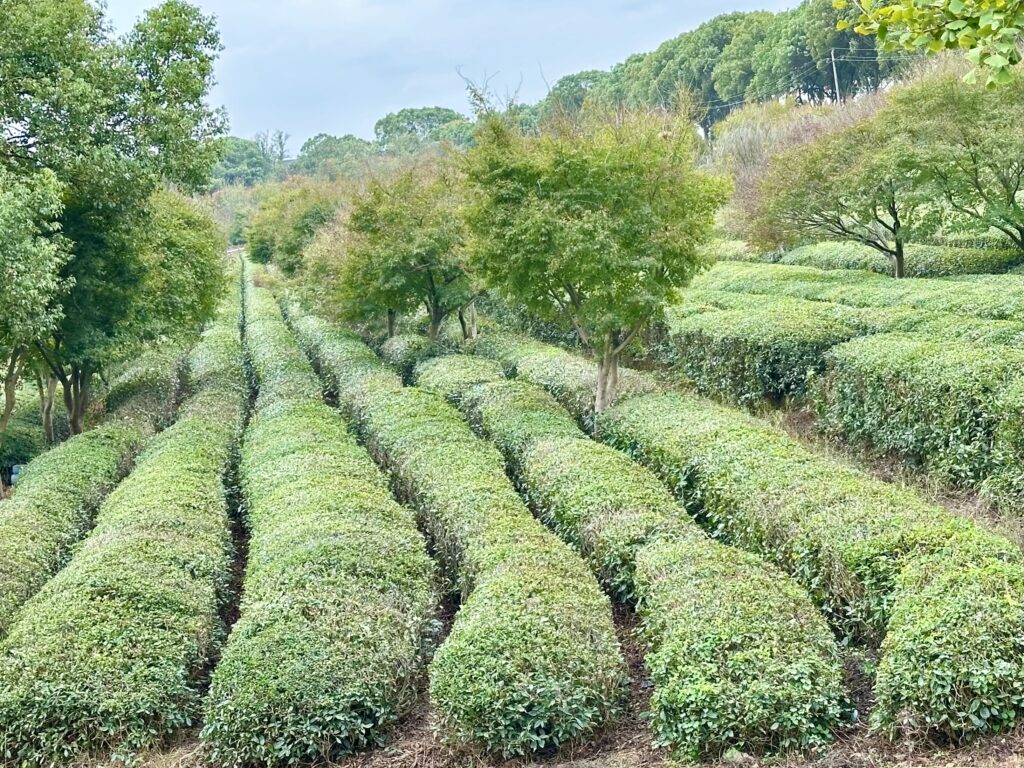
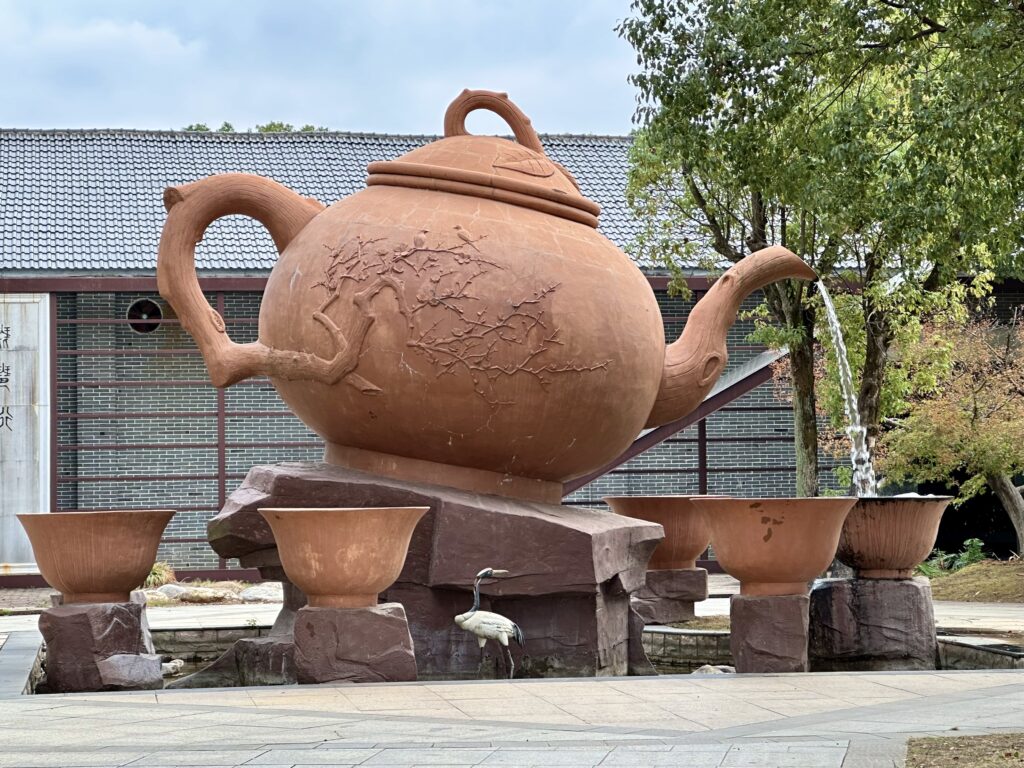
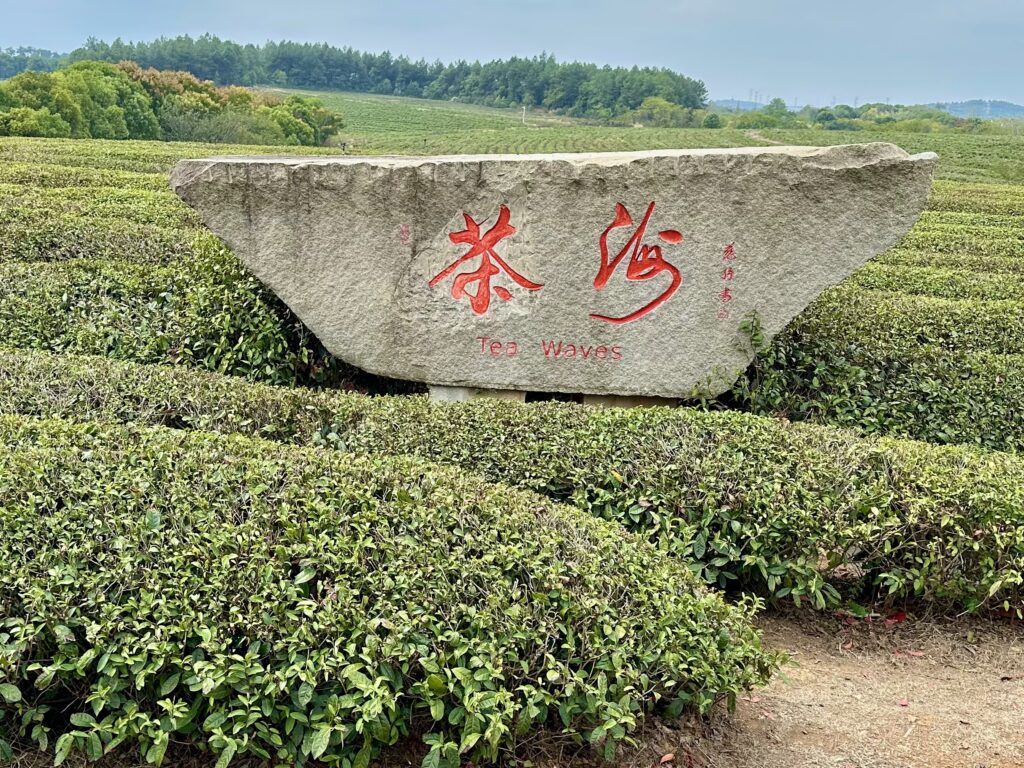
However, the lush green tea plantations were a worthy compensation. While people queued up to pose for photos with the giant teapot, I wandered off to paths flanked by trees that would burst into autumnal colours and filled with people in a few weeks
Gexian Village (葛仙村)
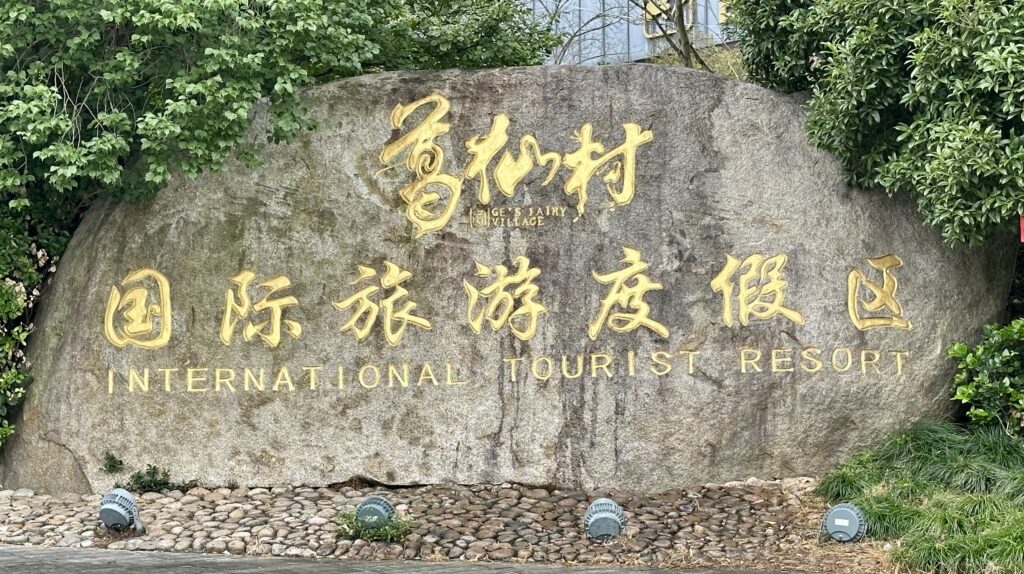
Gexian Village is a resort and a cultural tourism destination known for its traditional Chinese architecture, stunning natural scenery at the foot of Gexian Mountain, a renowned Taoist site.
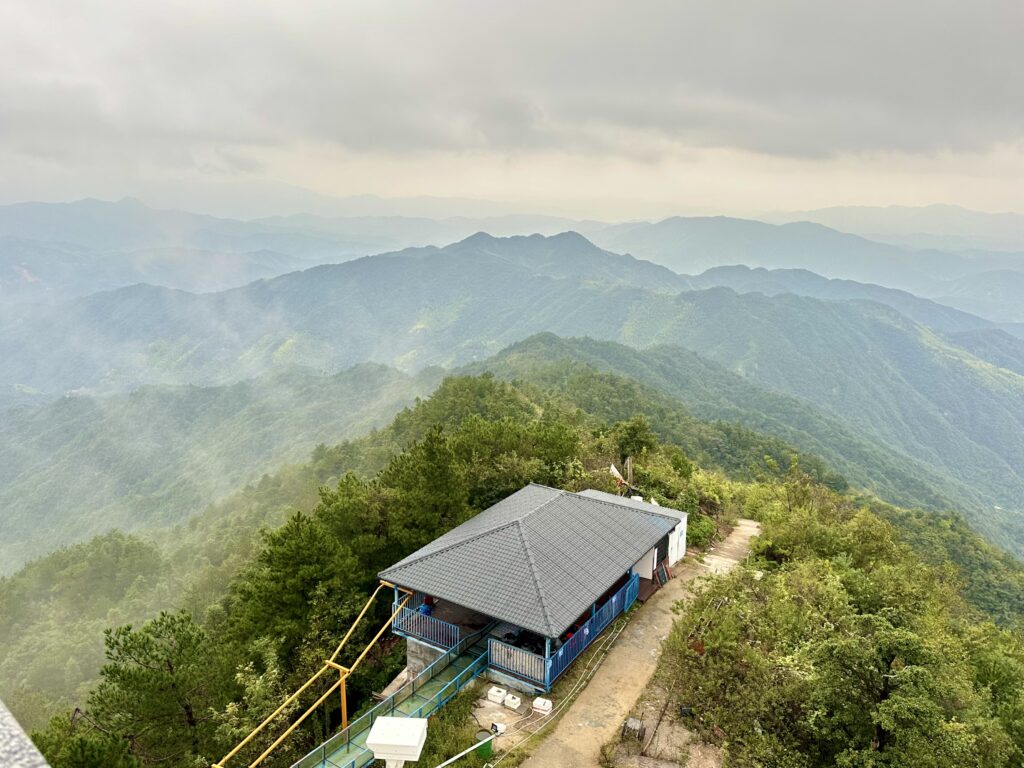
On entering the resort we were taken by cable cars to Tianjing Terrace for a distant view of “A Thousand Miles of Rivers and Mountains” It was misty and windy!!
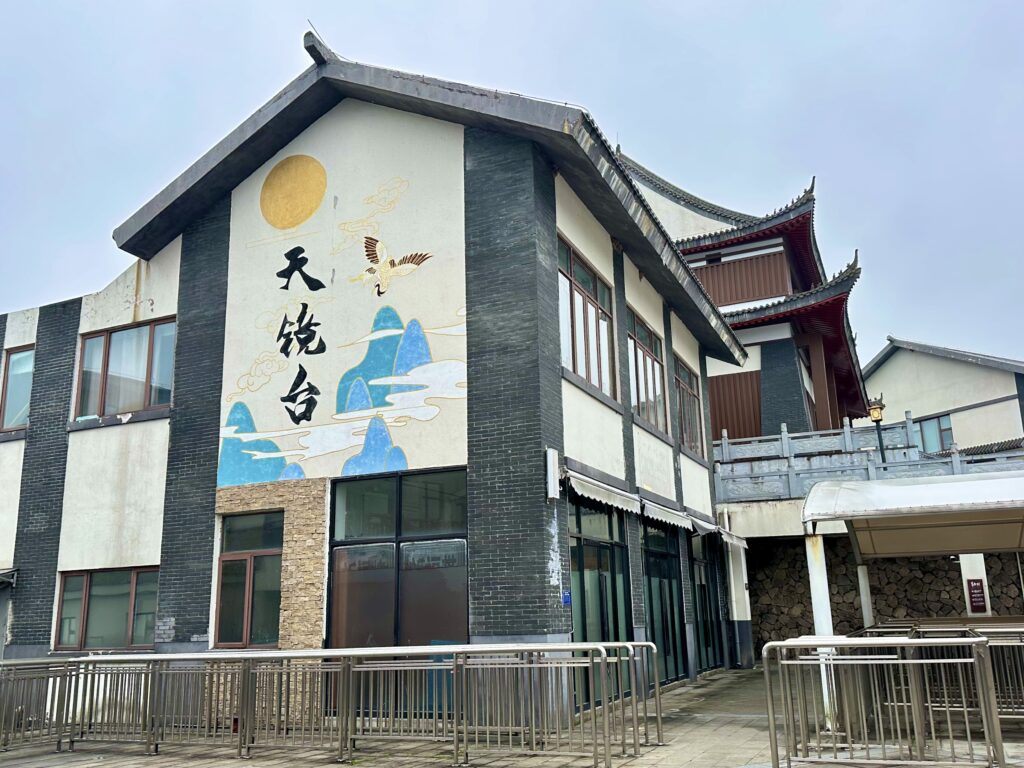
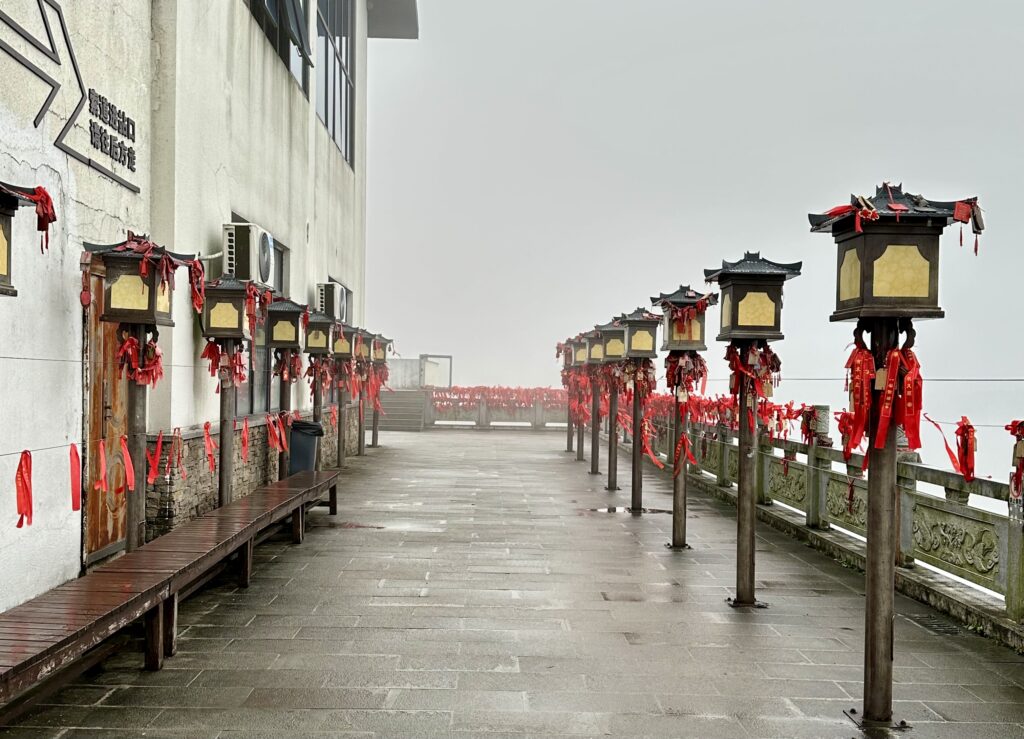
Gexian Village day and night
There’re live performances at the square at night. However I preferred to stroll around after the crowds had dispersed for the night….
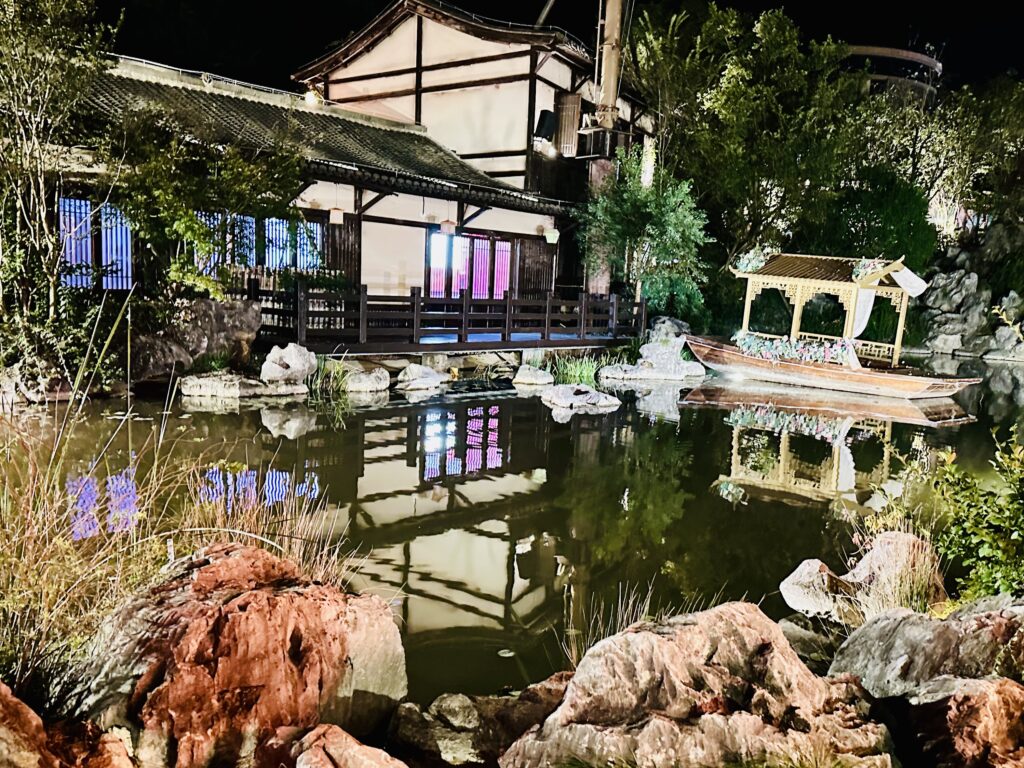
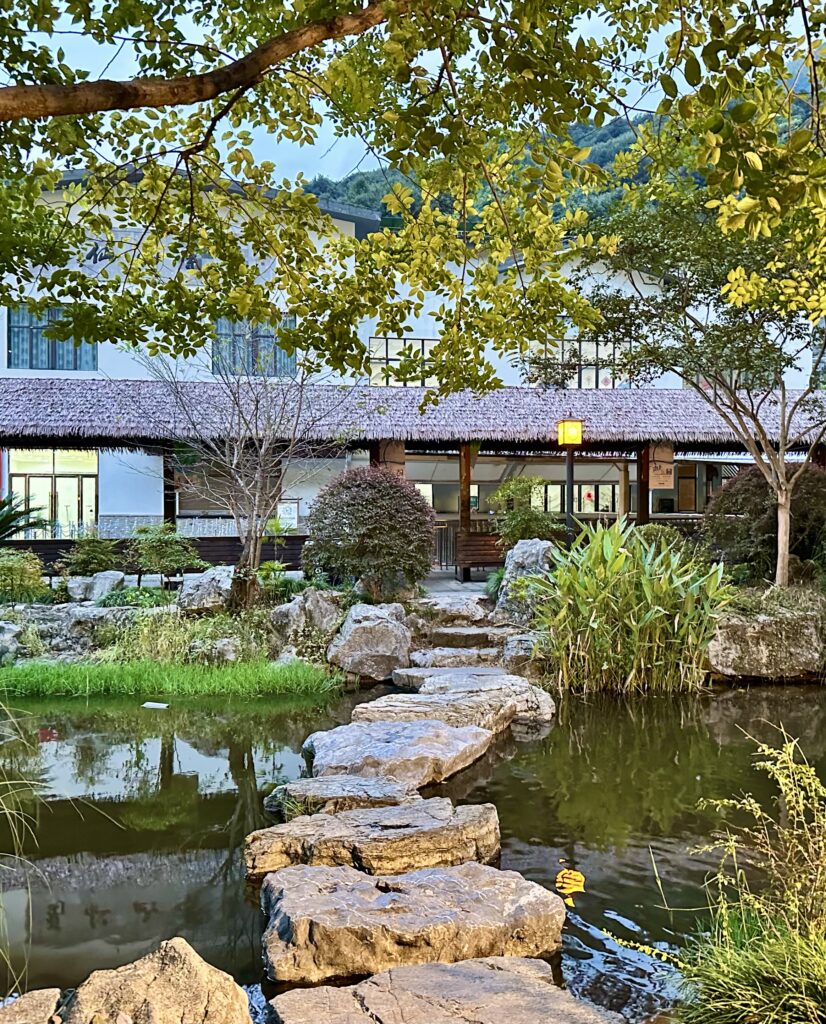
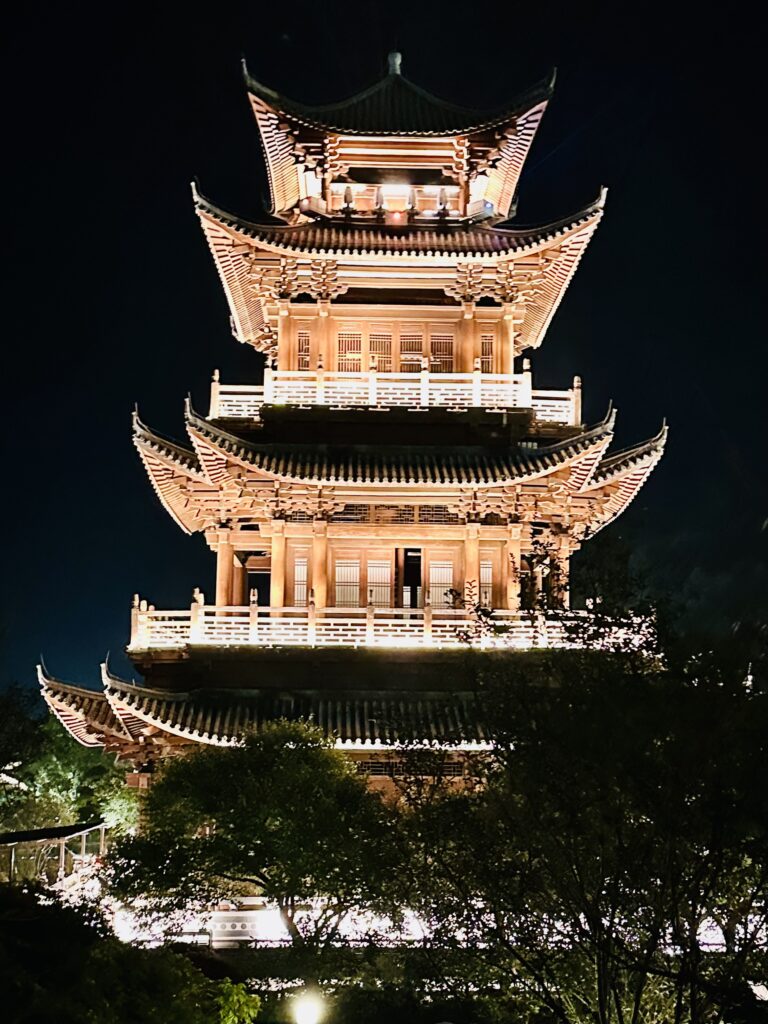
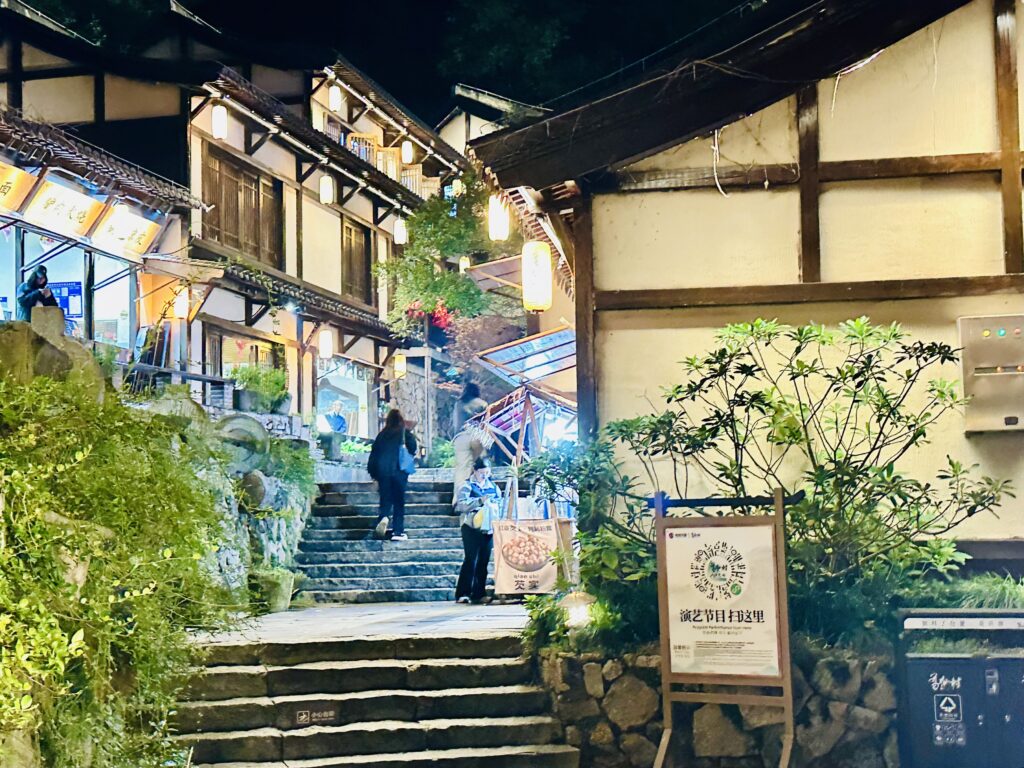
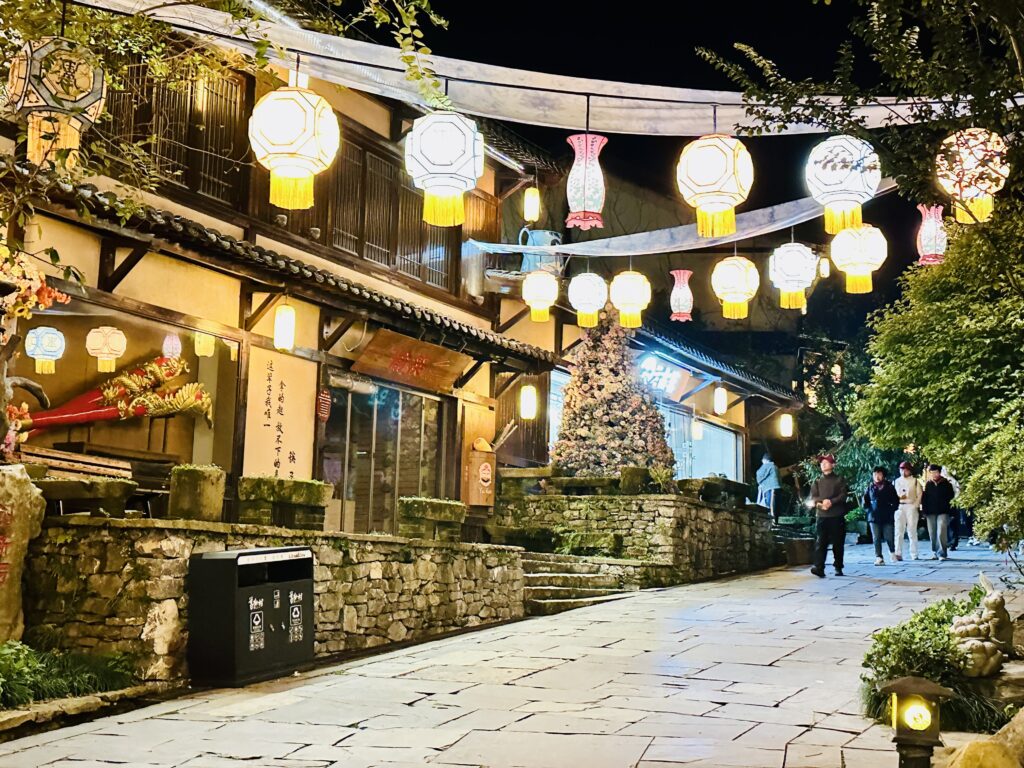
…. and early in the morning before the revellers descended onto the village.
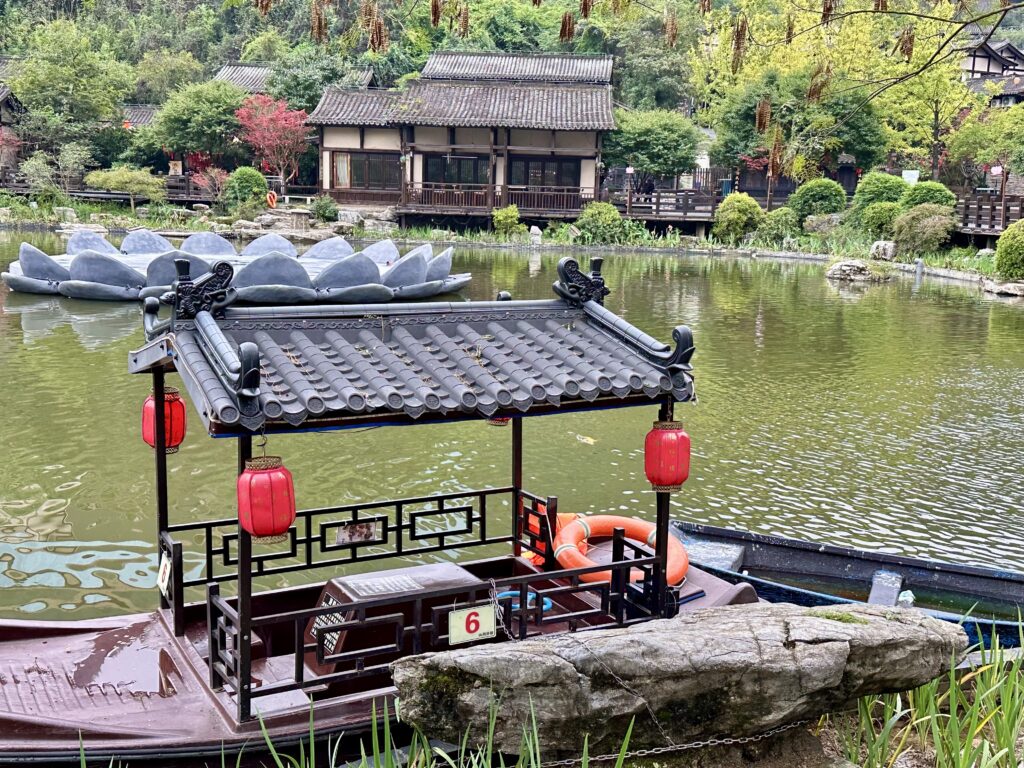
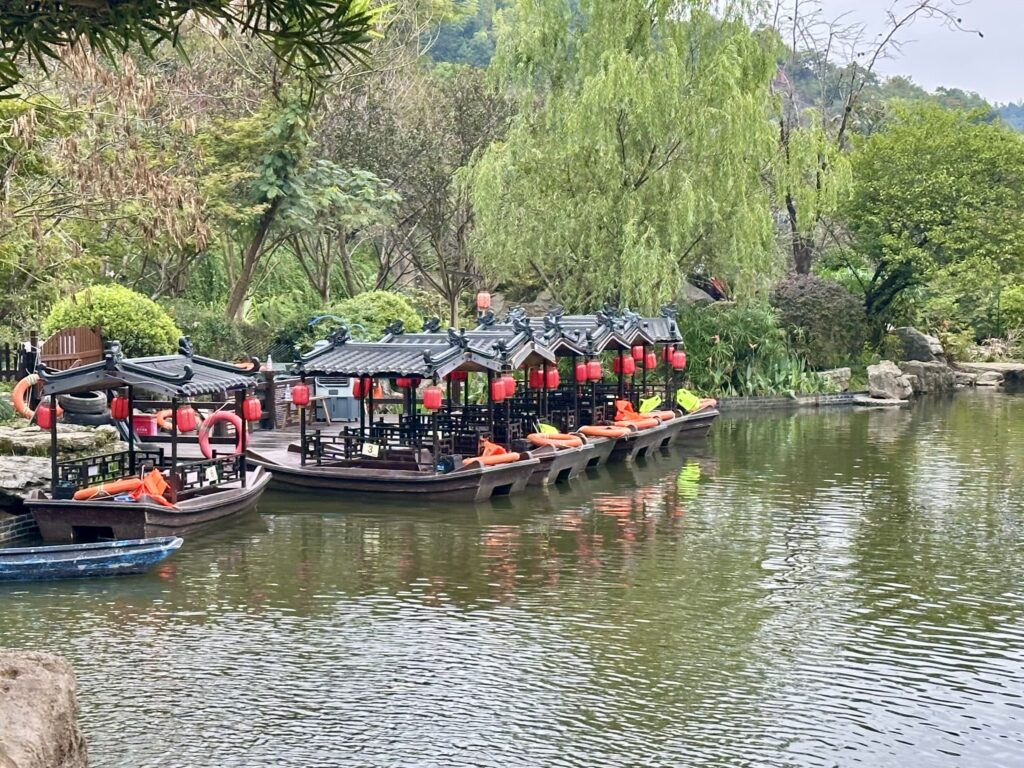
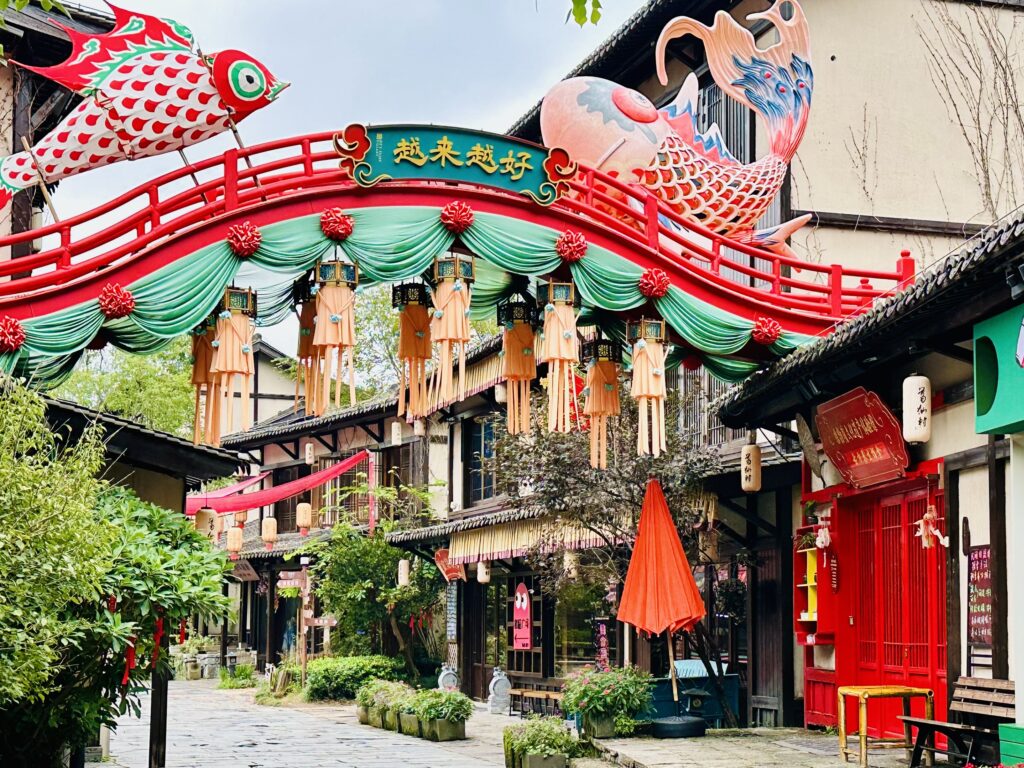
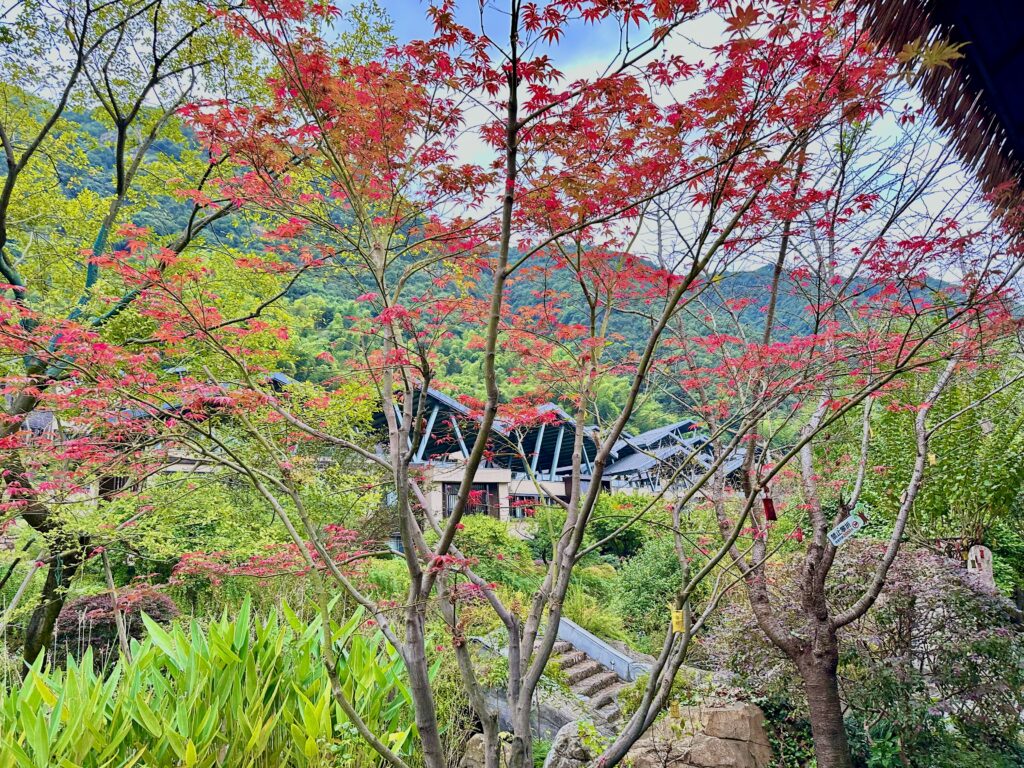
Finally, there was a hint of autumnal colours!
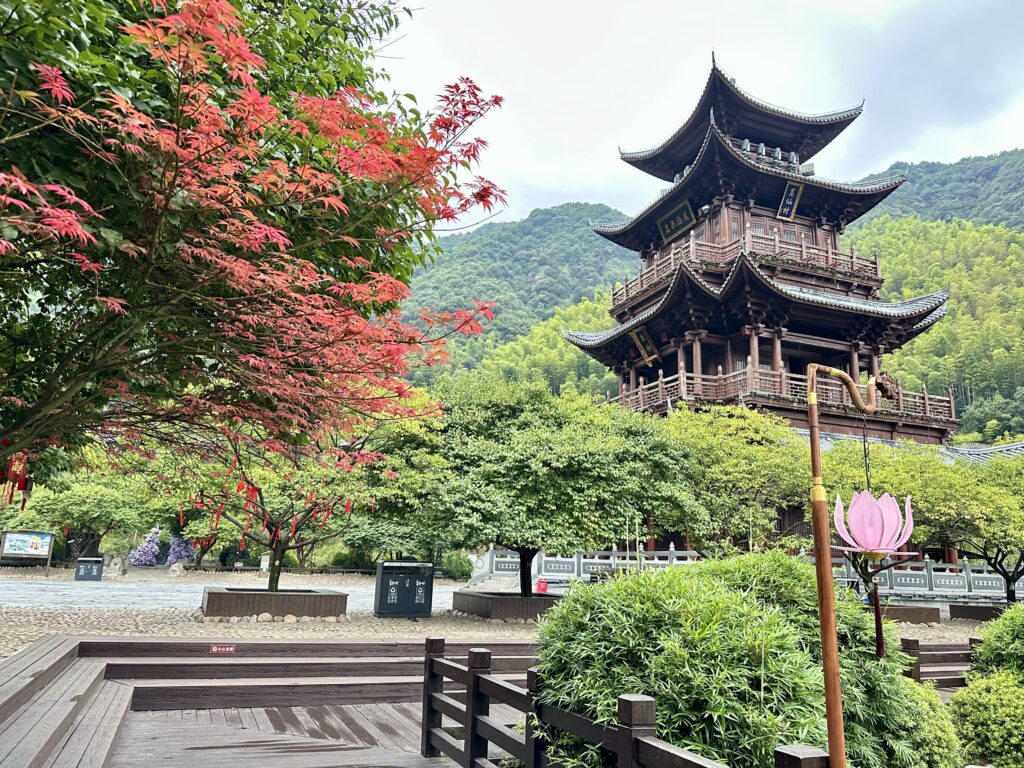
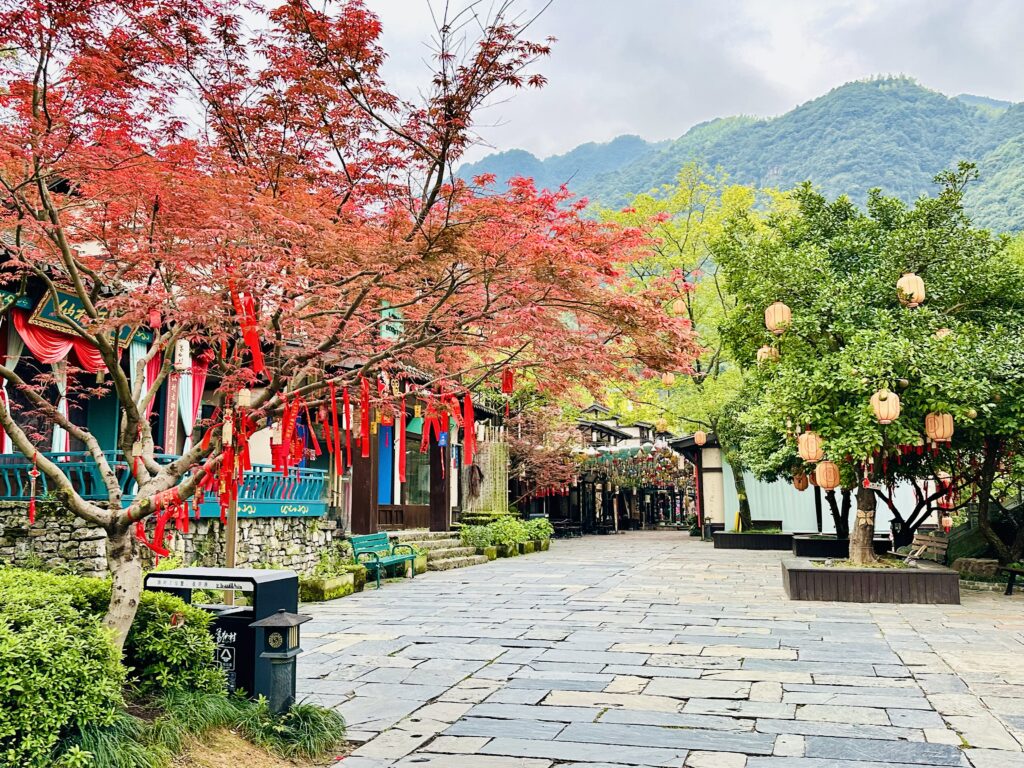
Wunvzhou Resort 婺女洲度假區
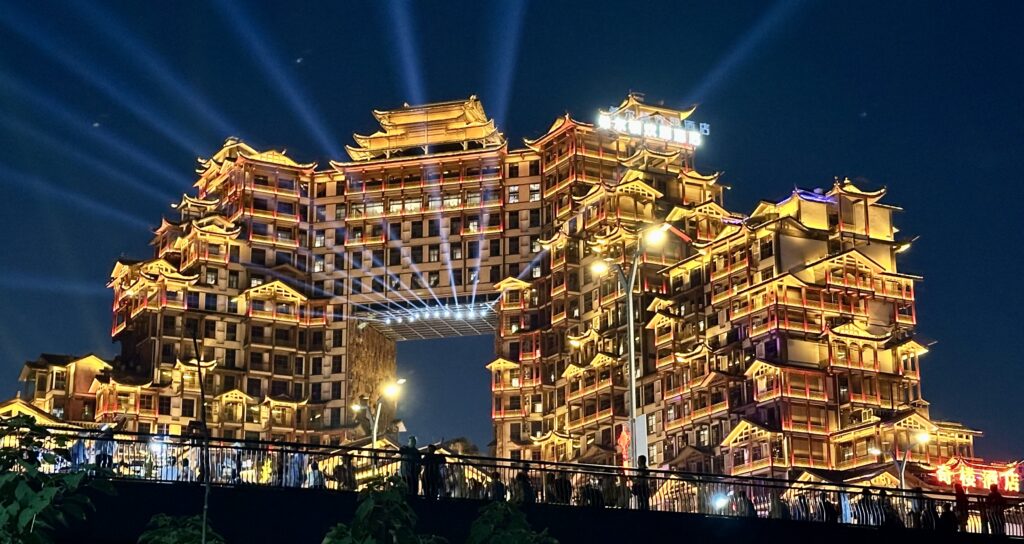
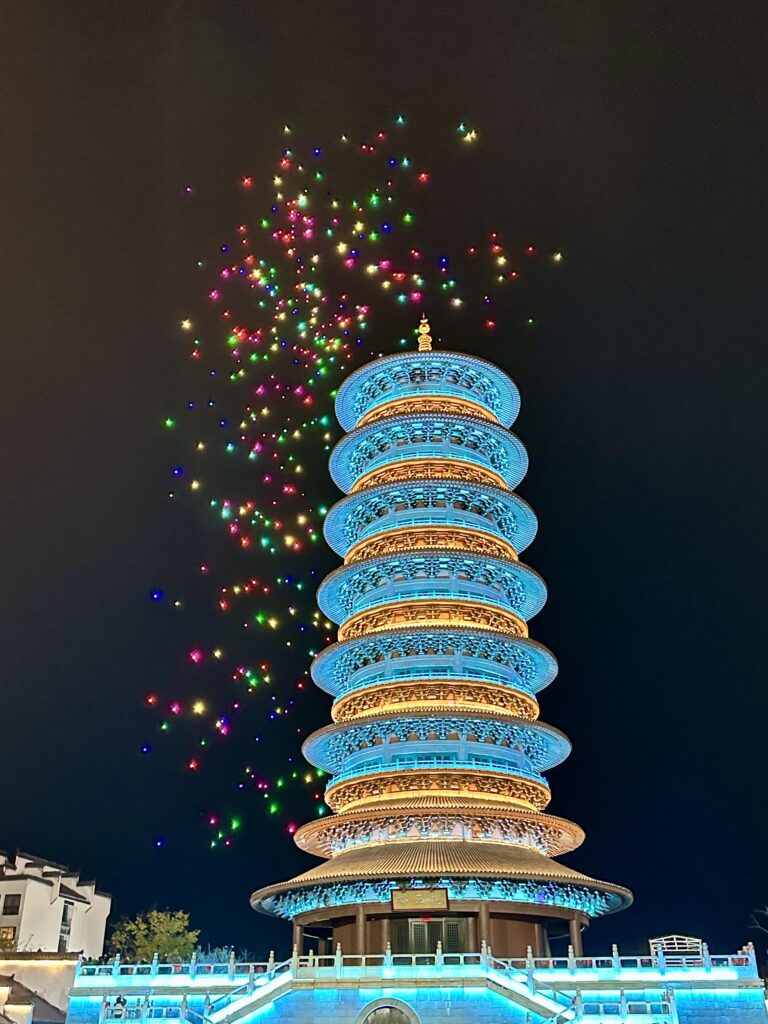
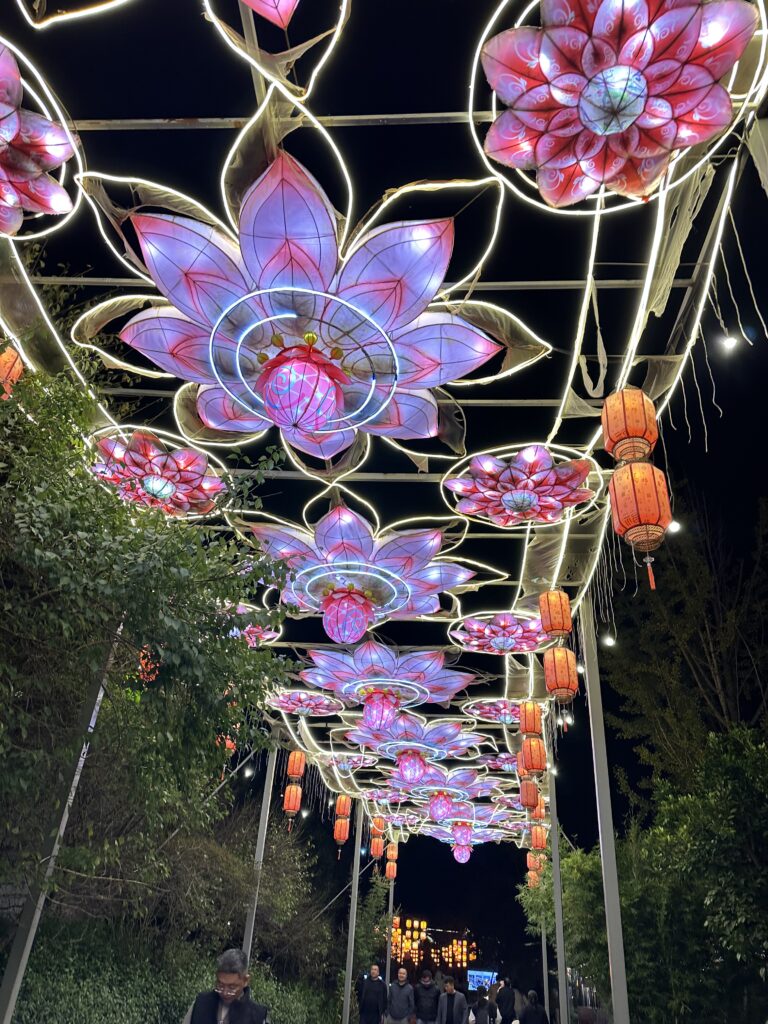
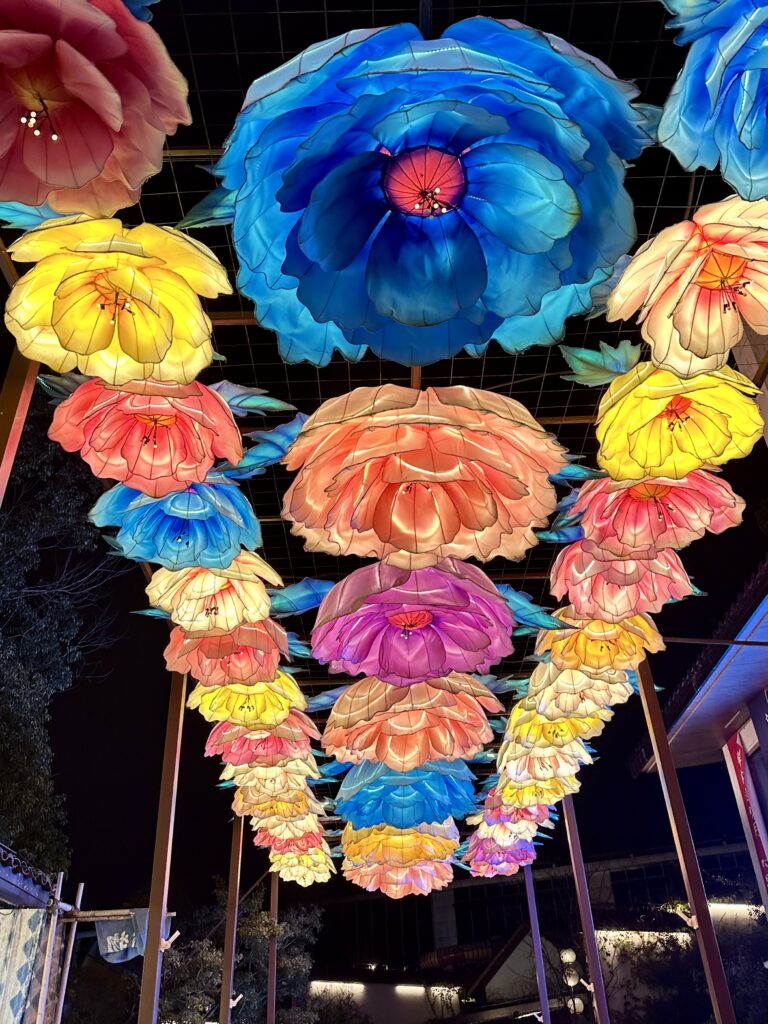
Wunvzhou Resort is a newer destination that only opened its doors in July 2022. It features attractions, performances, a water park, hotels, and restaurants. It was developed over approximately five years. For me, the main draws were the amazing drones display around Baoyu Tower and Wenchang Bookstore!
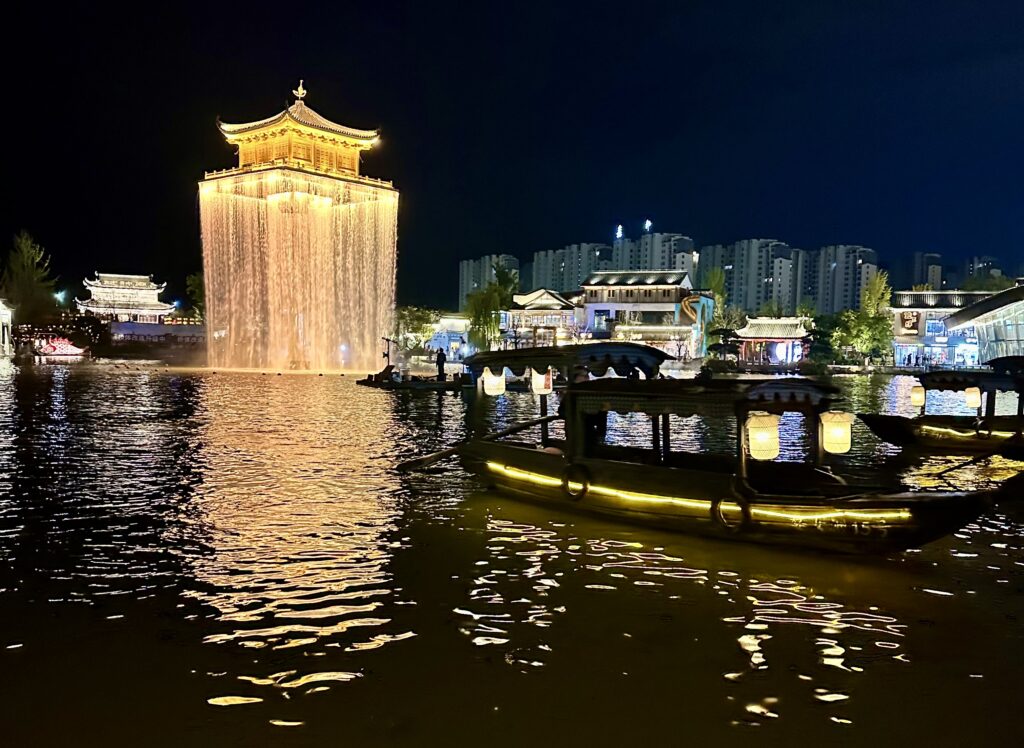
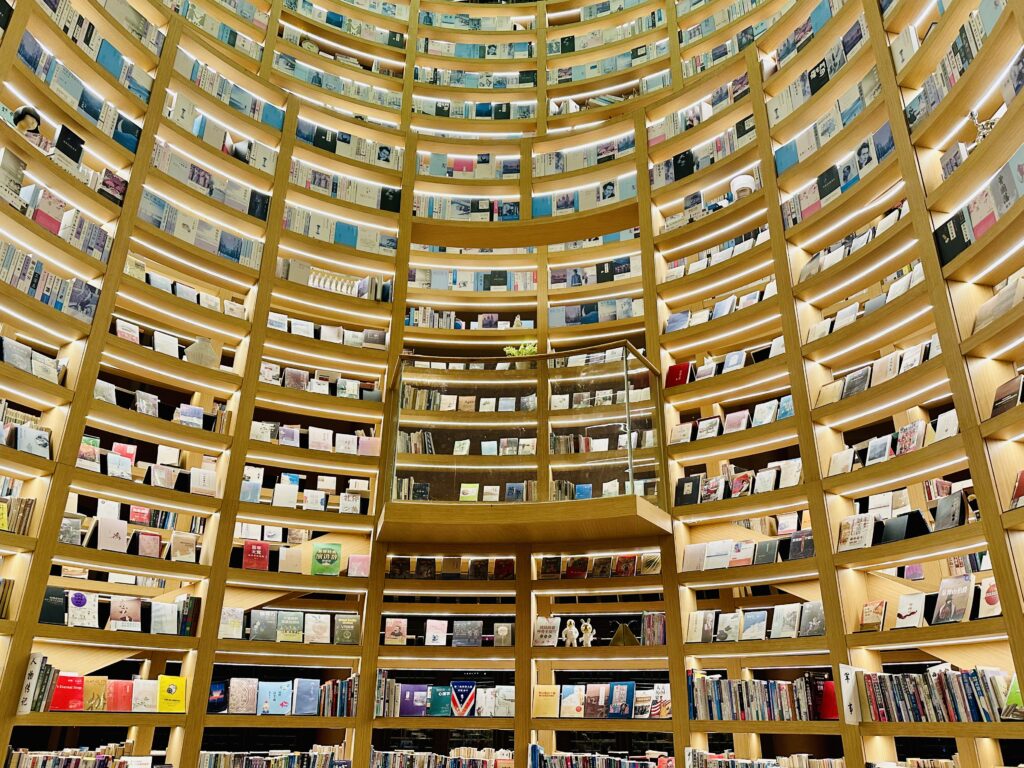
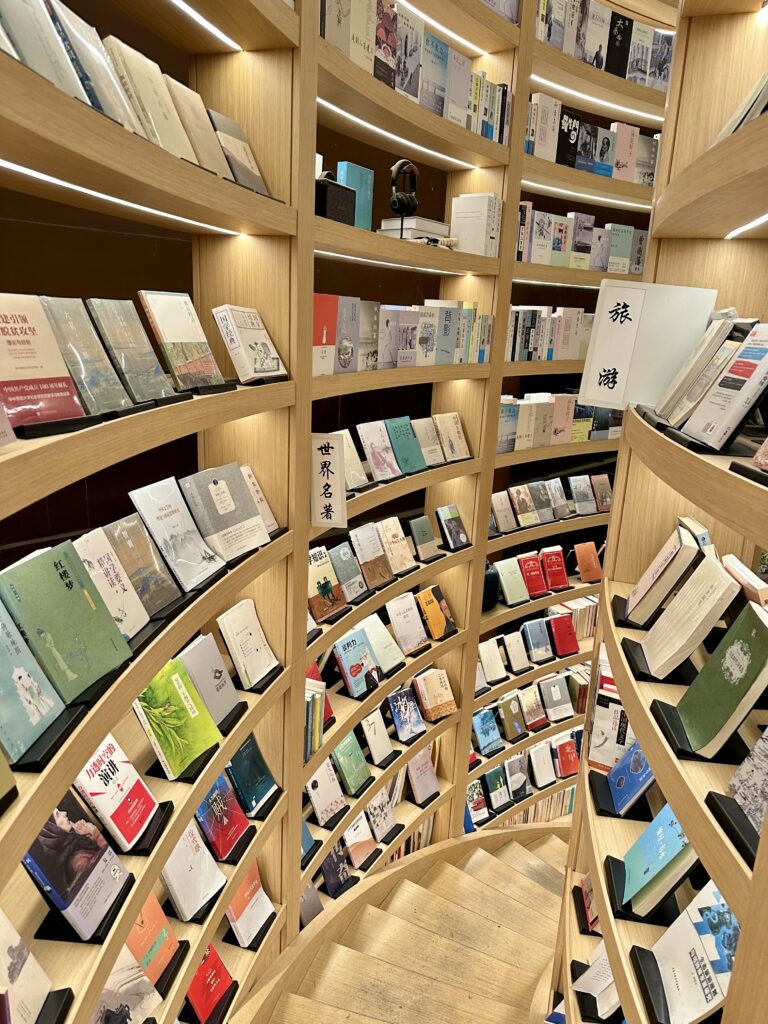
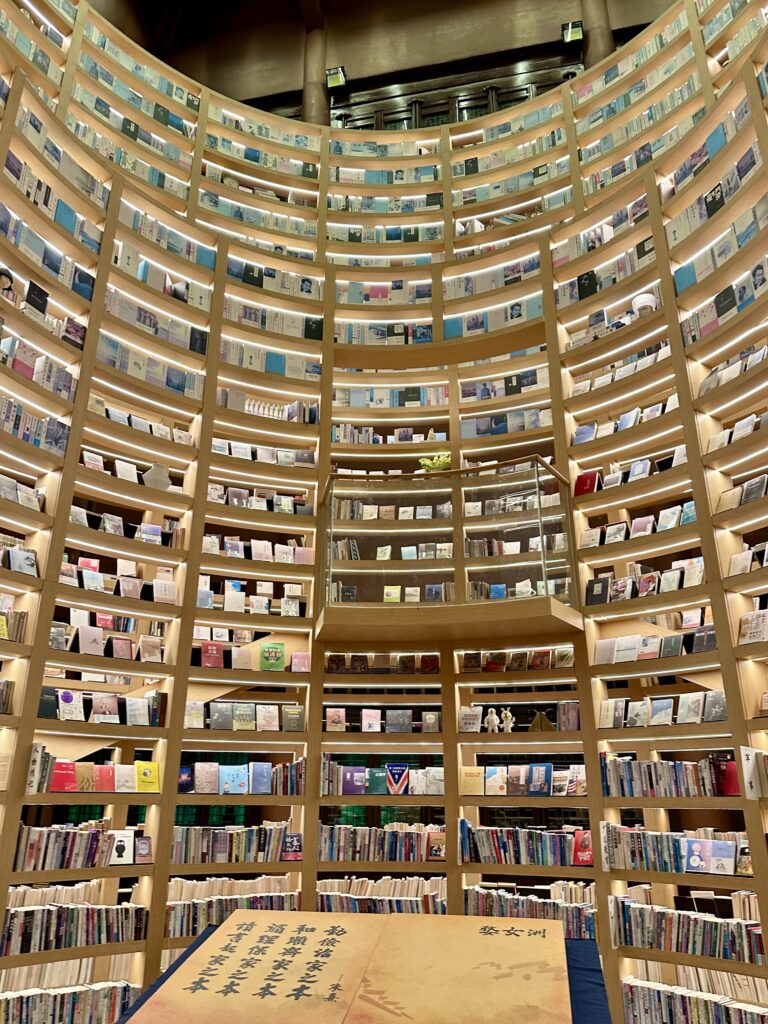
Poyang Lake Xieshan Island
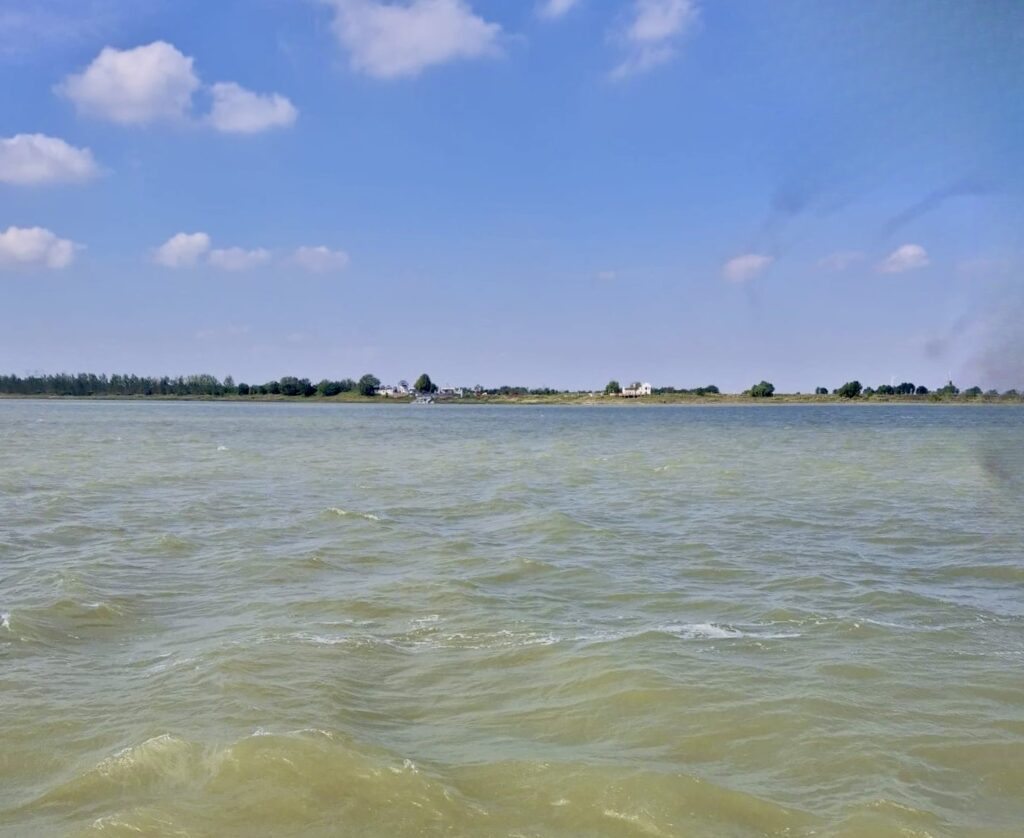
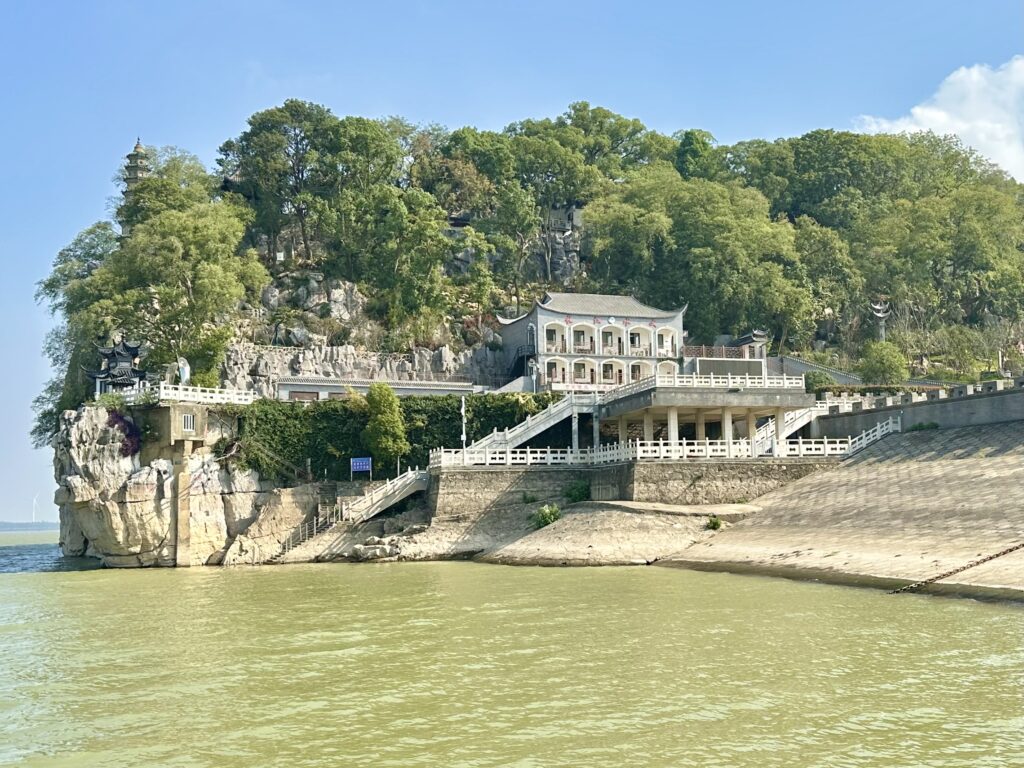
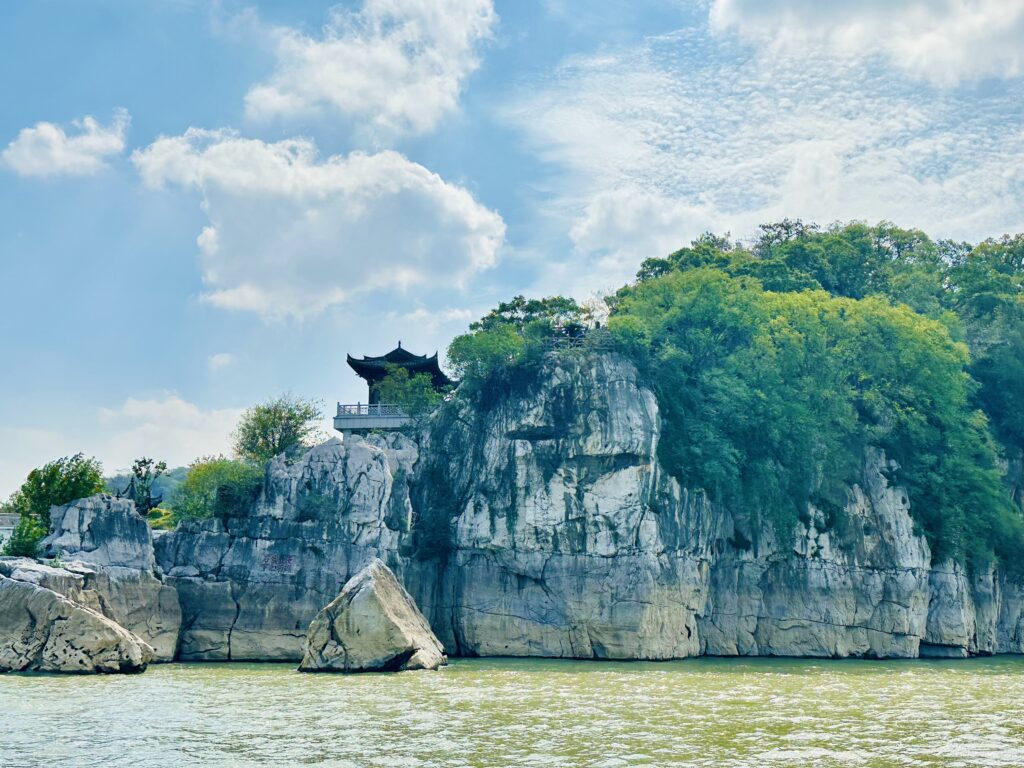
Poyang Lake is the largest freshwater lake which meets the Gan river 赣江 near Xieshan Island (鞋山), hence the different colours of the water.
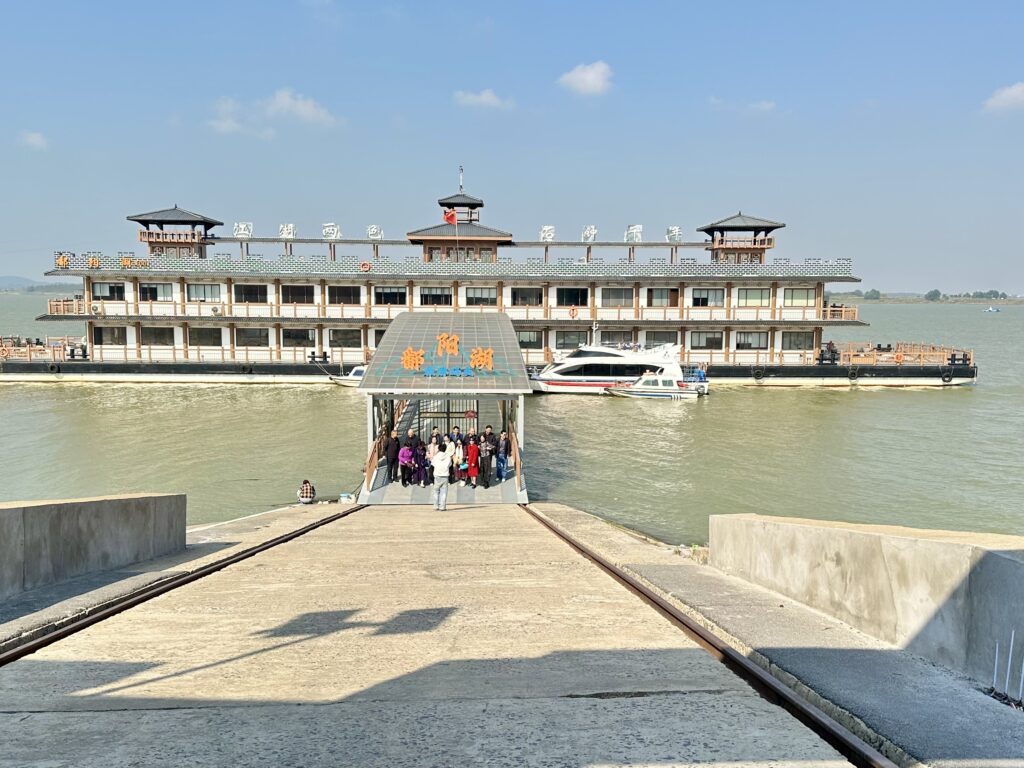
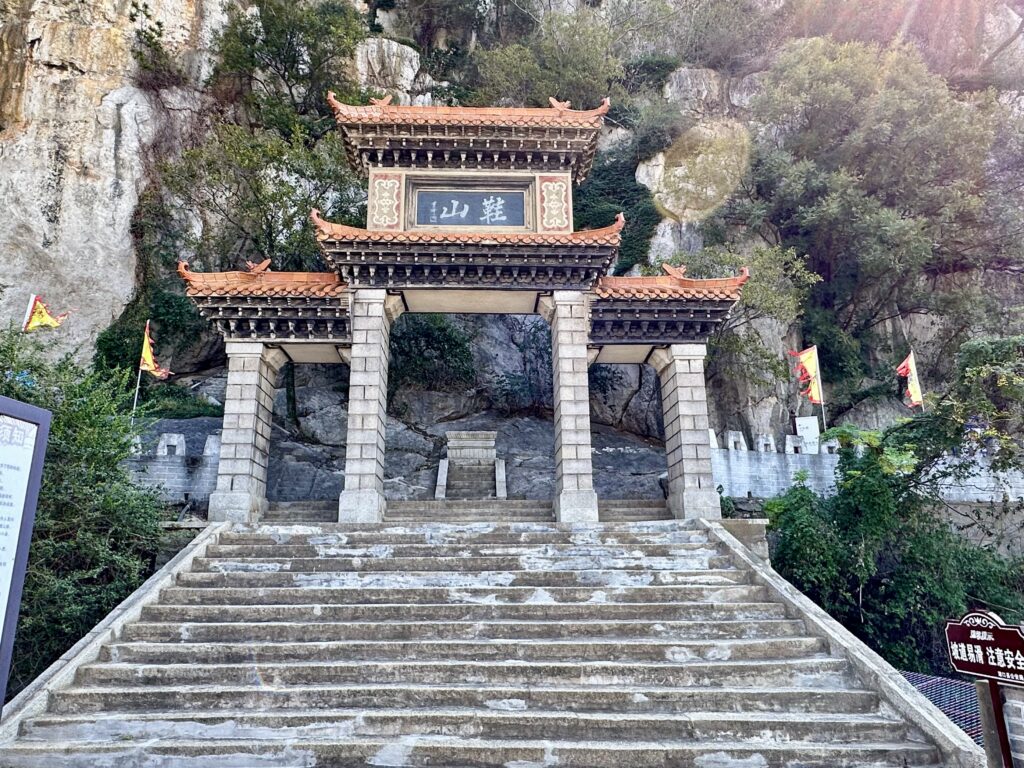
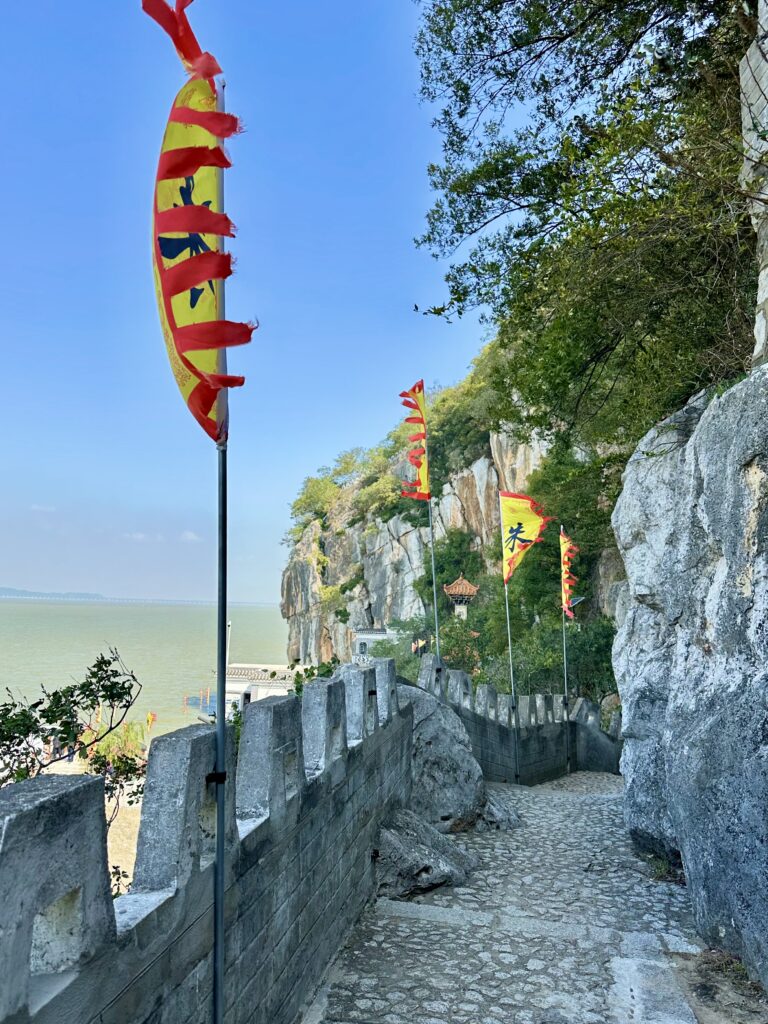
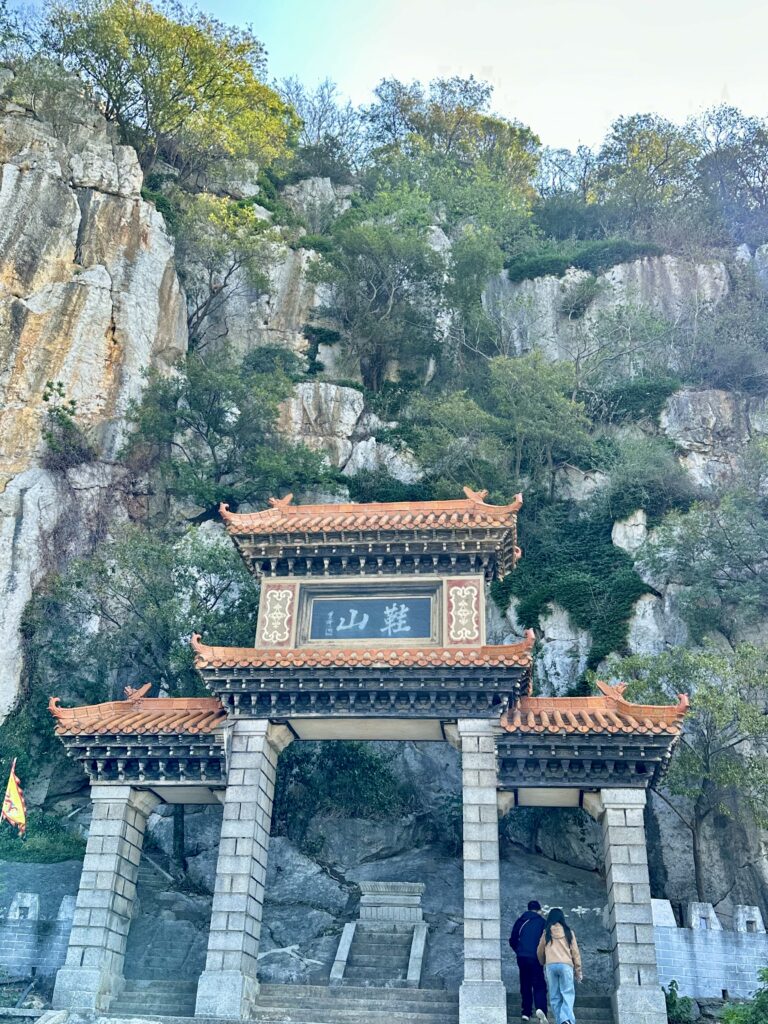
Donglin Temple, Jiujiang
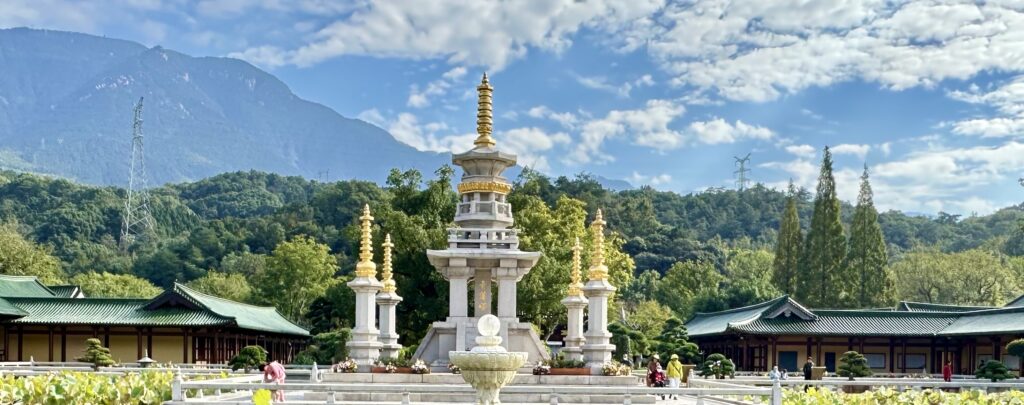
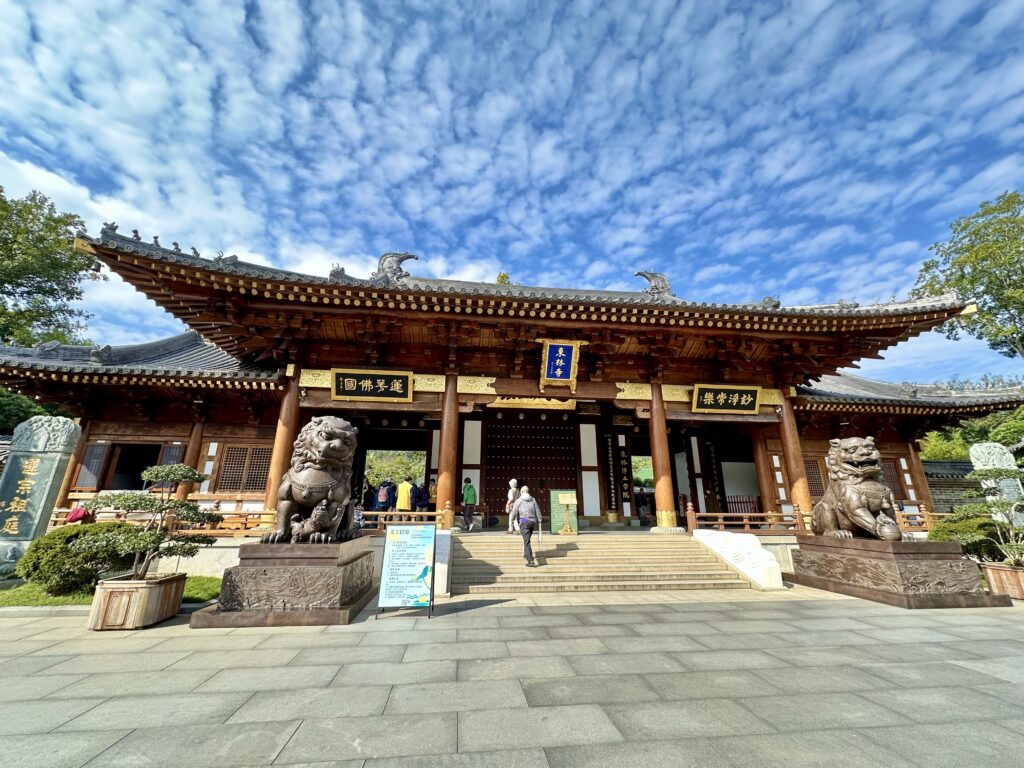
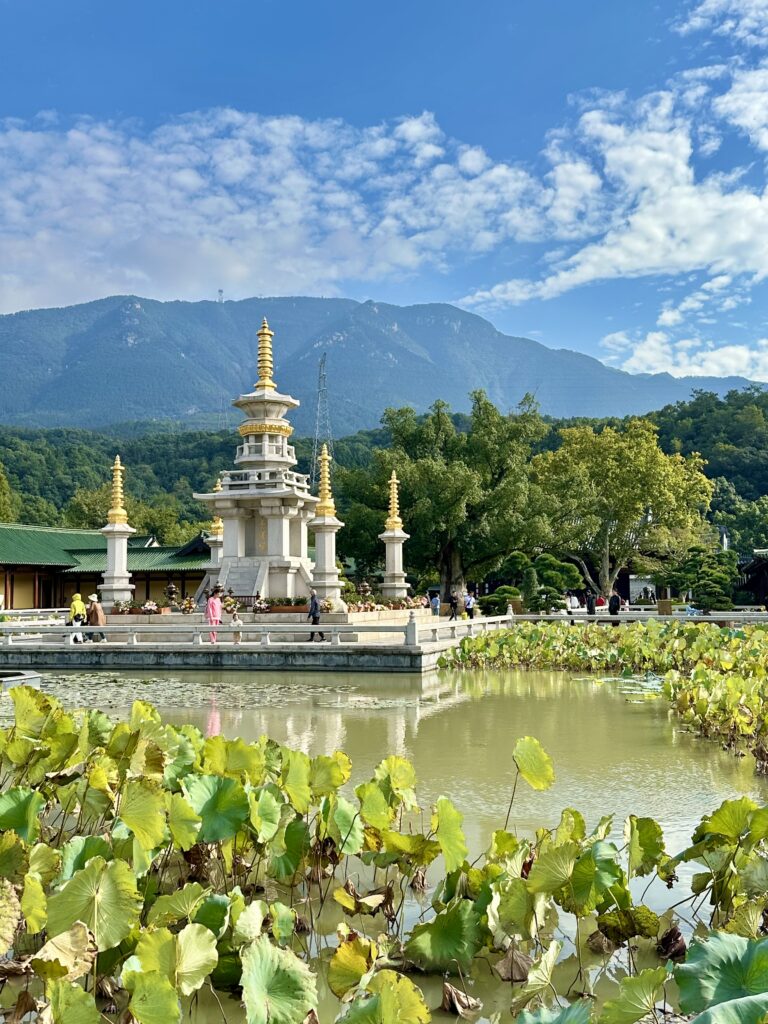
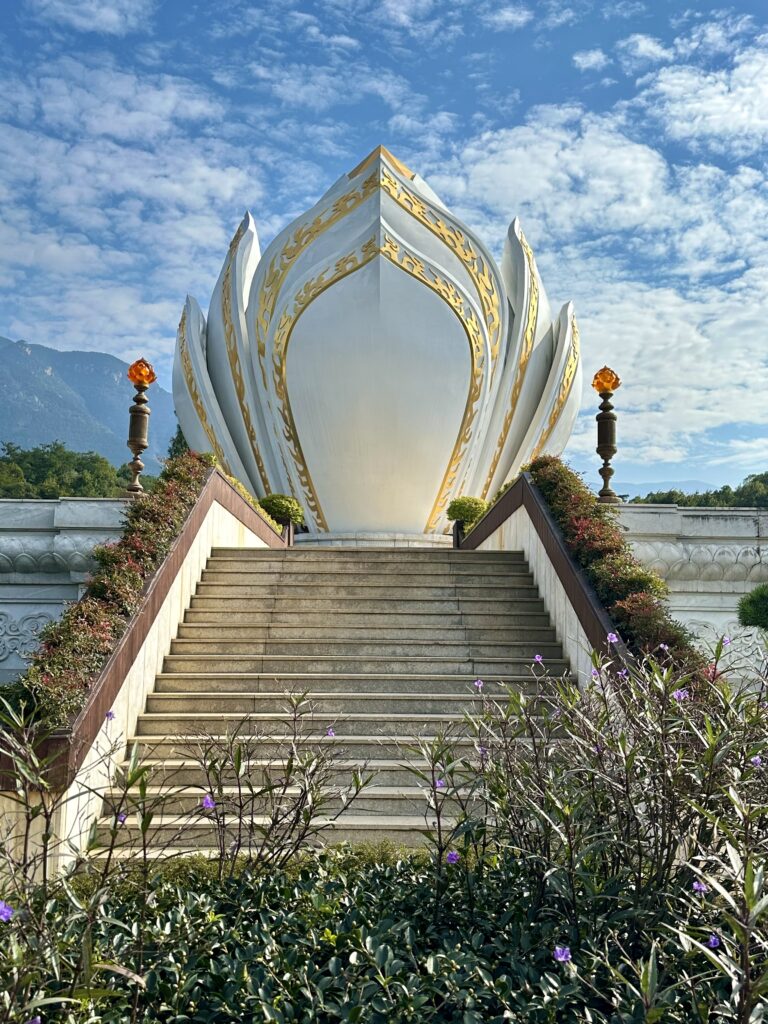
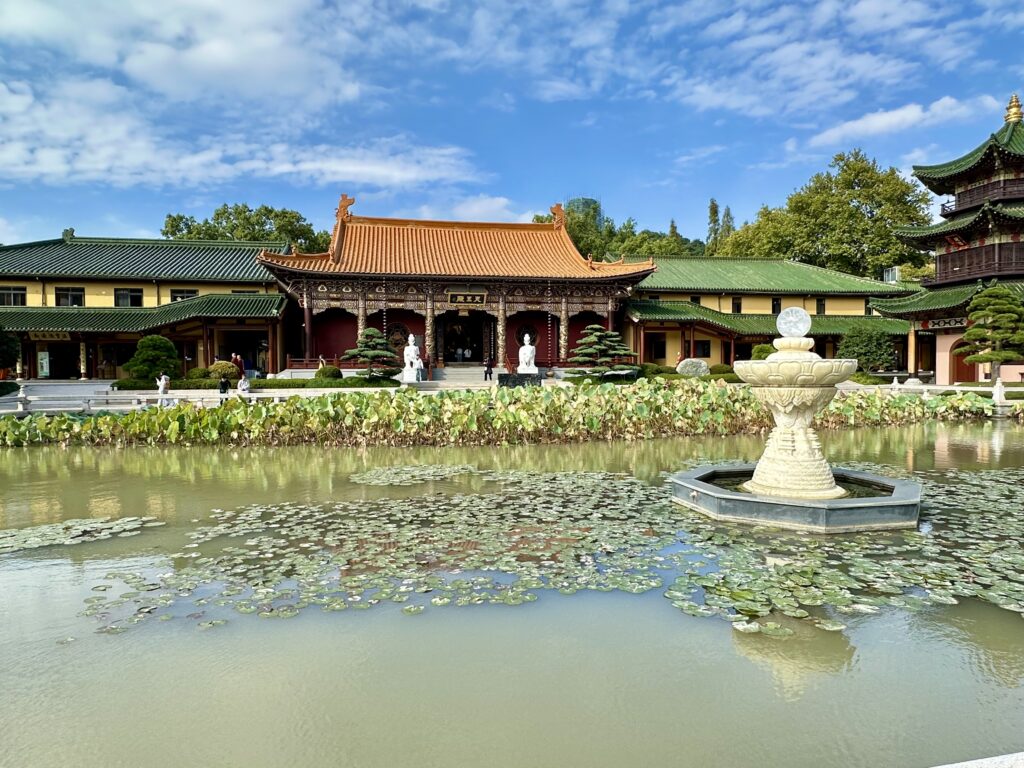
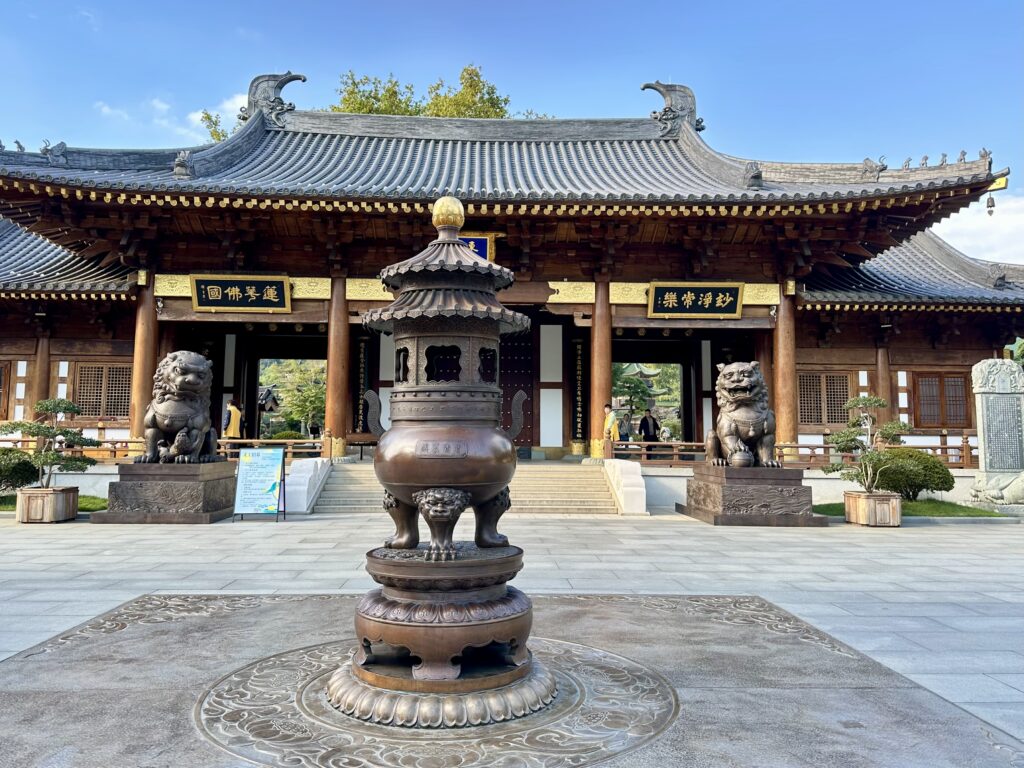
Donglin Temple is a Buddhist temple bathed in serenity and tranquillity with a history of 1,600 years. It was built at the foot of Lushan in the Eastern Jin Dynasty, near Jiujiang in the north of Jiangxi province. It was rebuilt in 1989 as a Buddhist activity centre, with the addition of a nine-storey pagoda standing 56m tall.
In 2023 it gained UNESCO recognition when it was included in China’s tentative list for World Heritage status due to its Buddhist cultural significance.
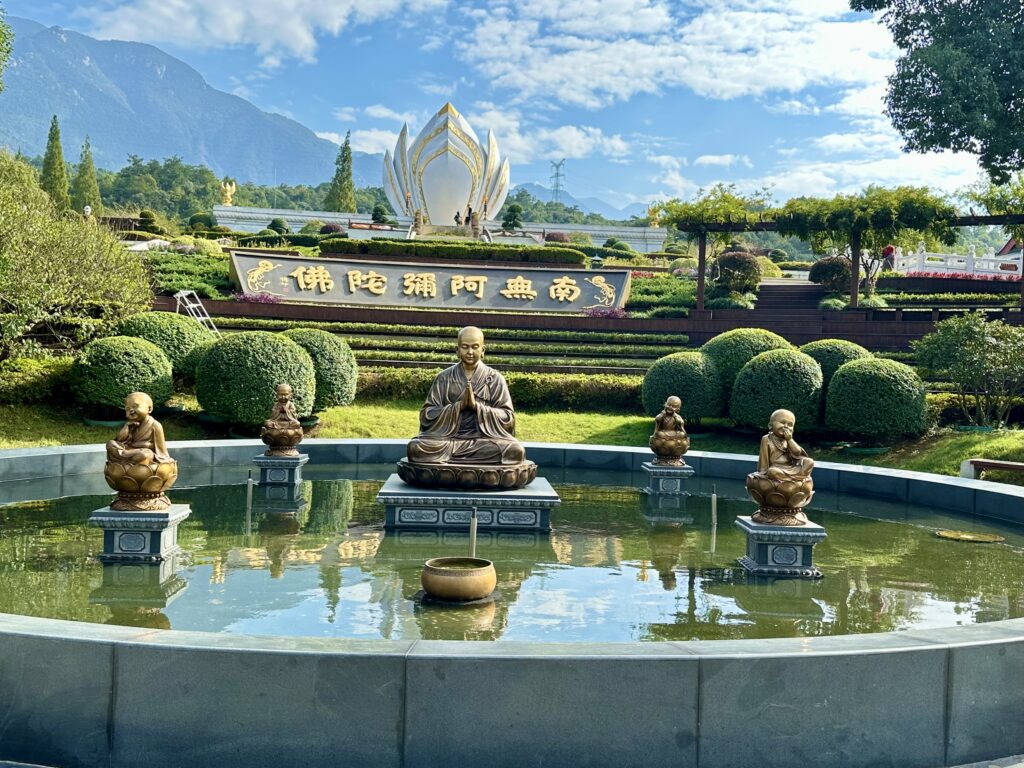
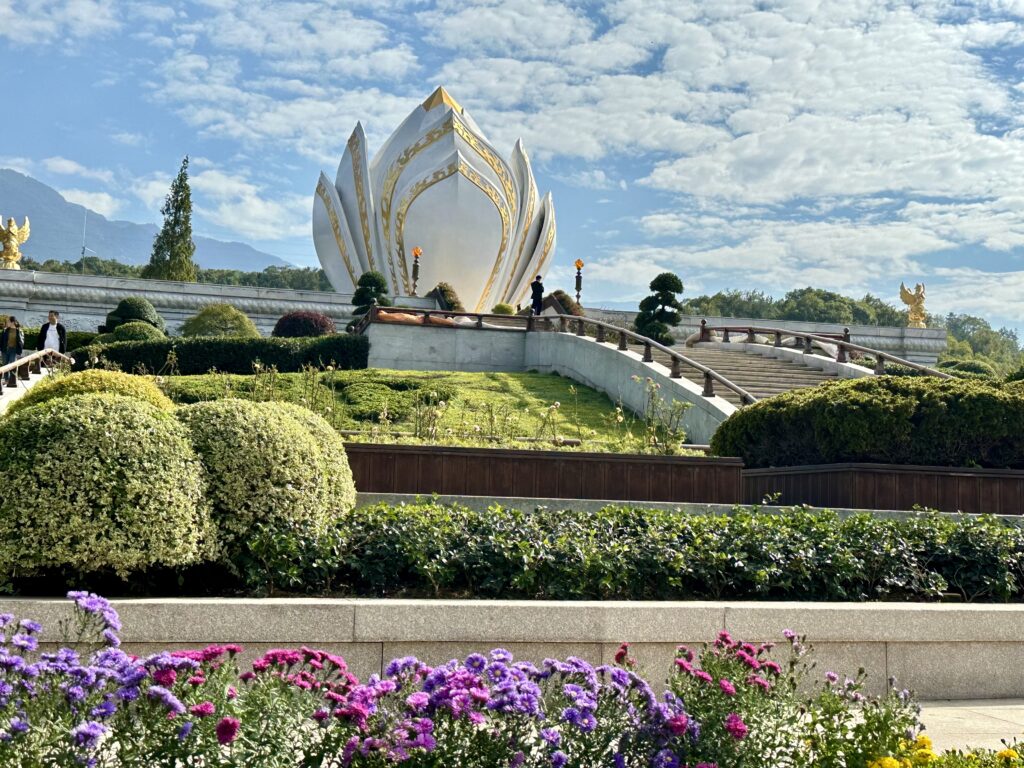
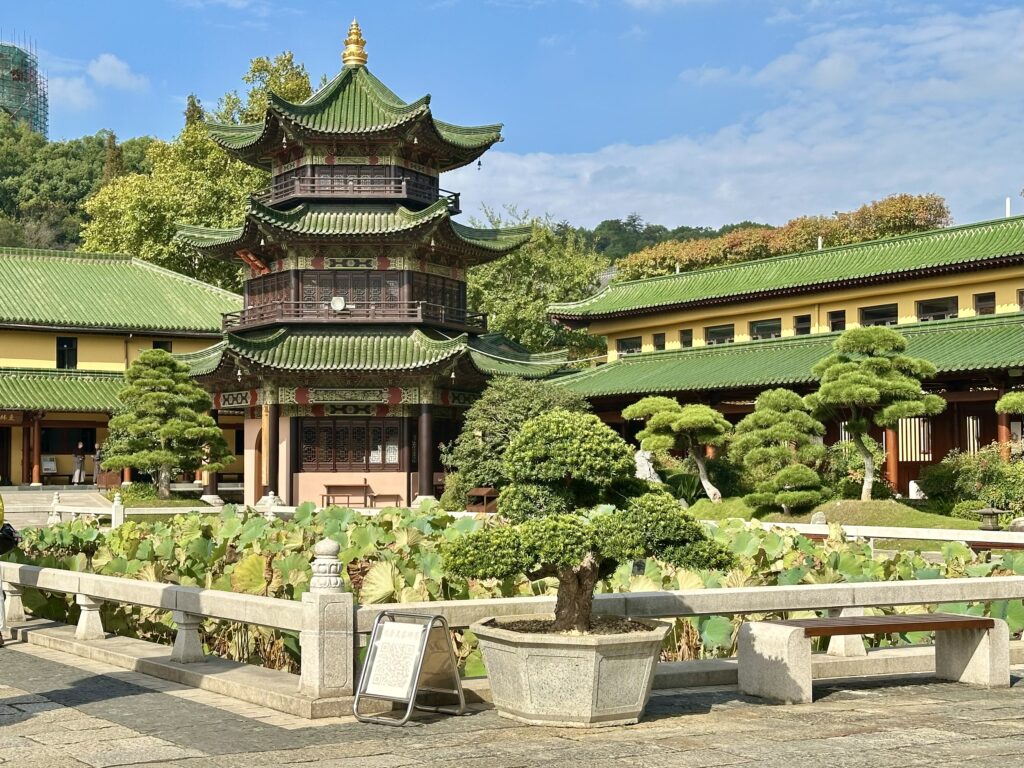
Lushan (Mount Lu) National Park
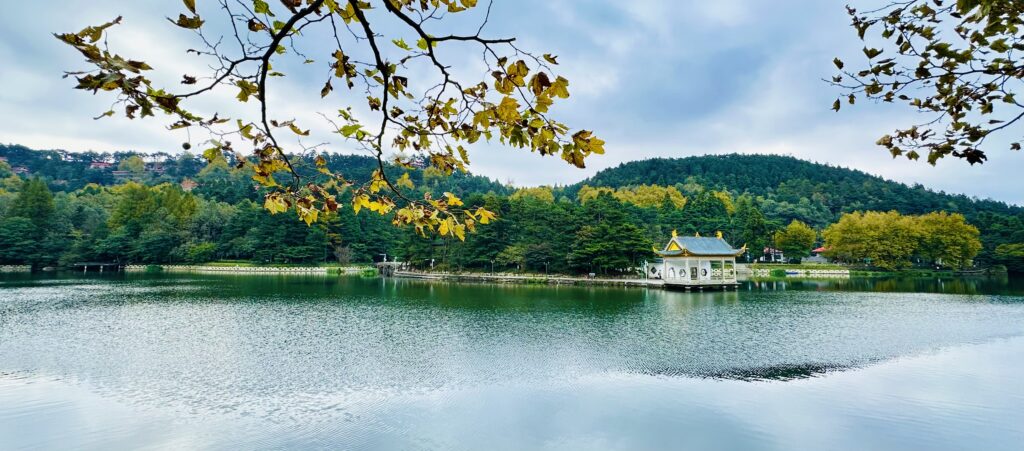
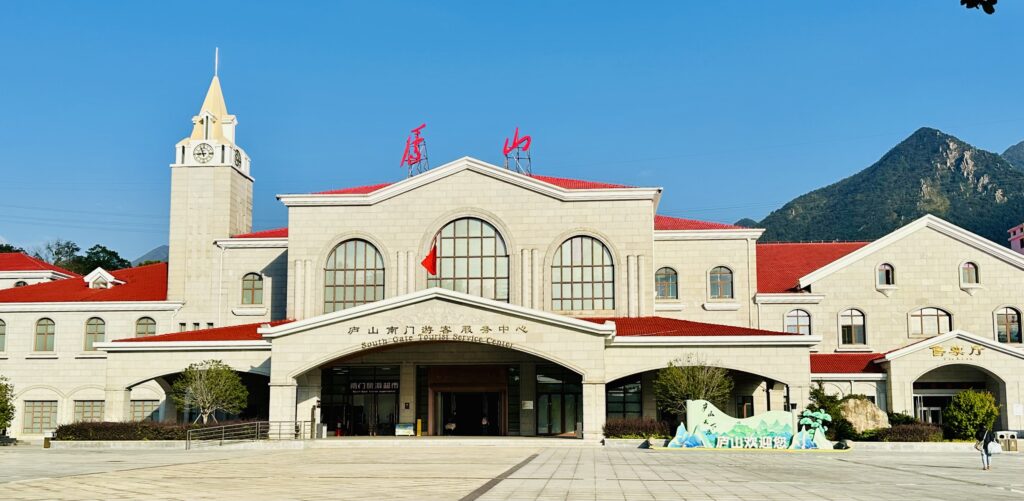
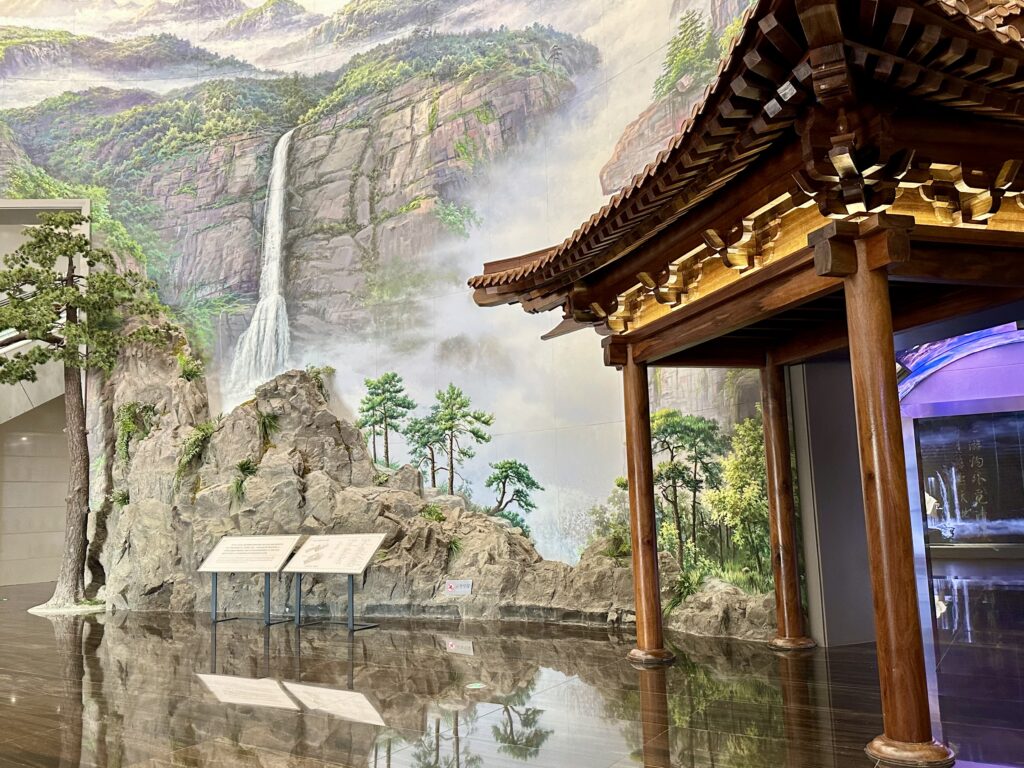
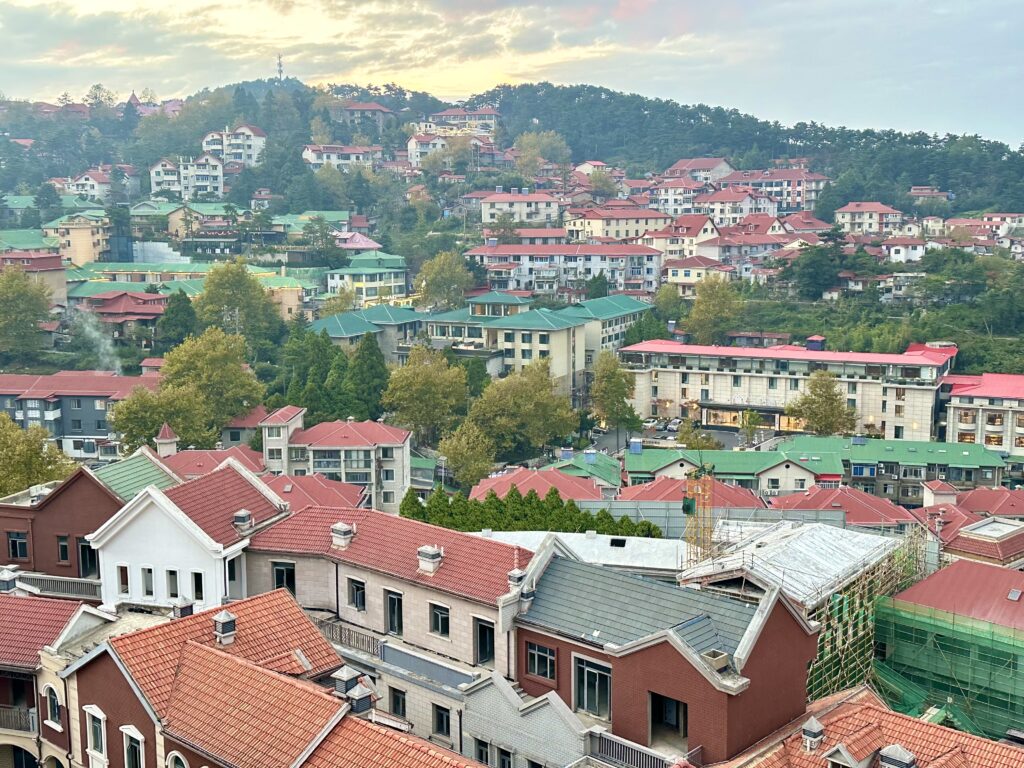
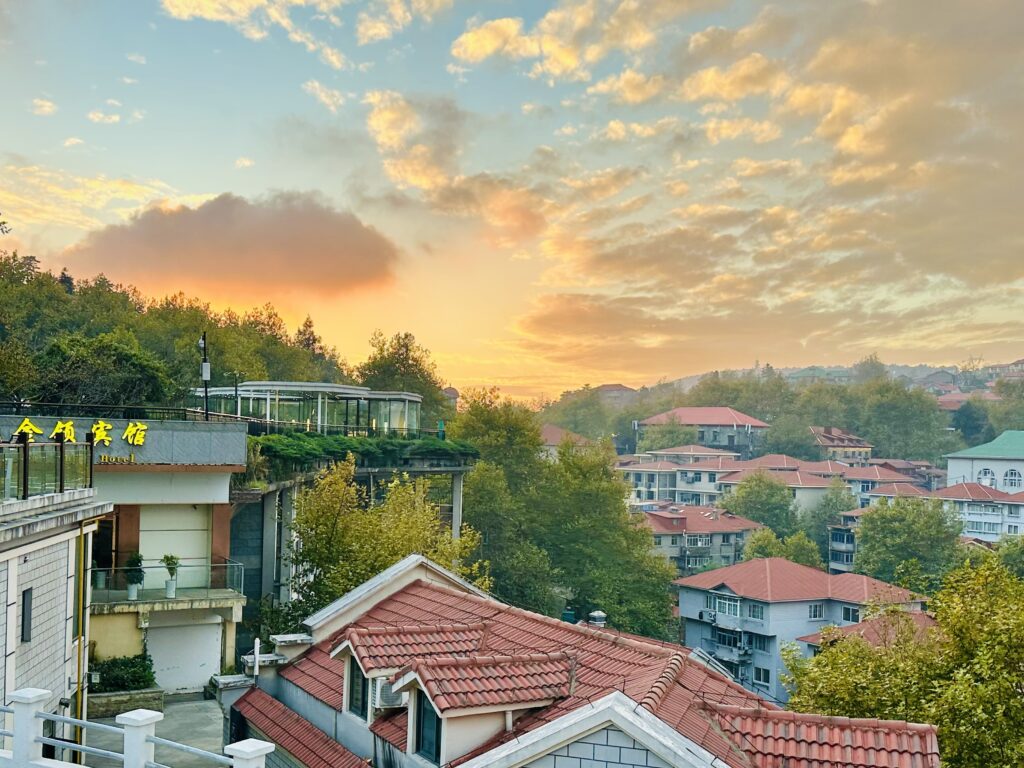
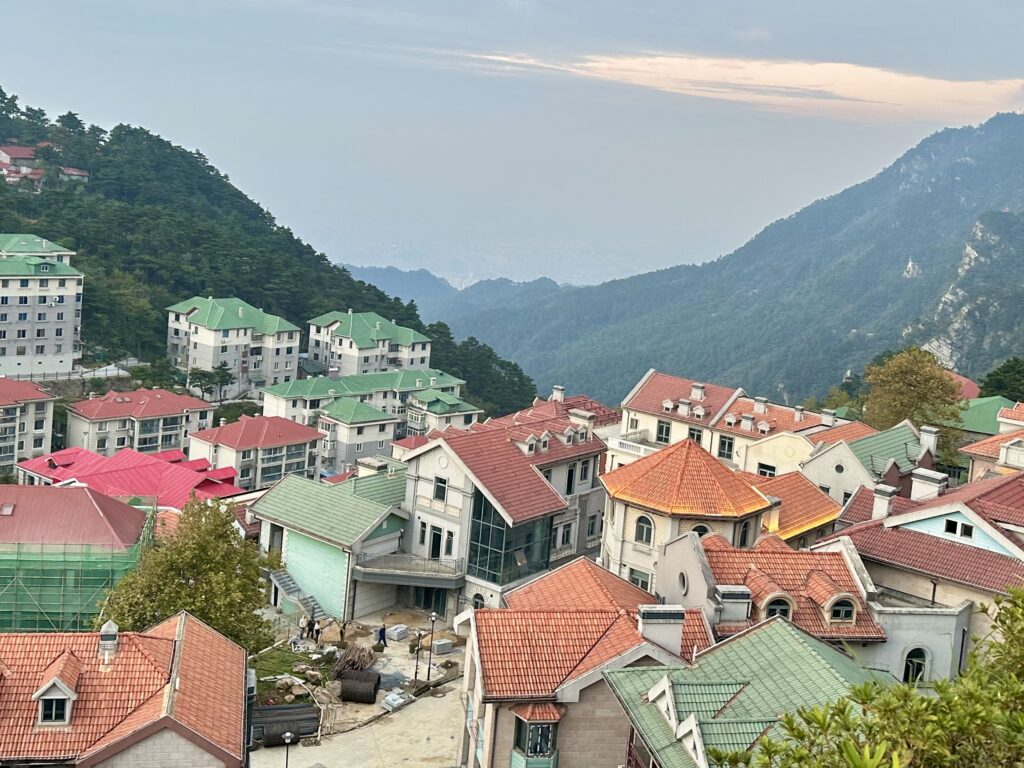
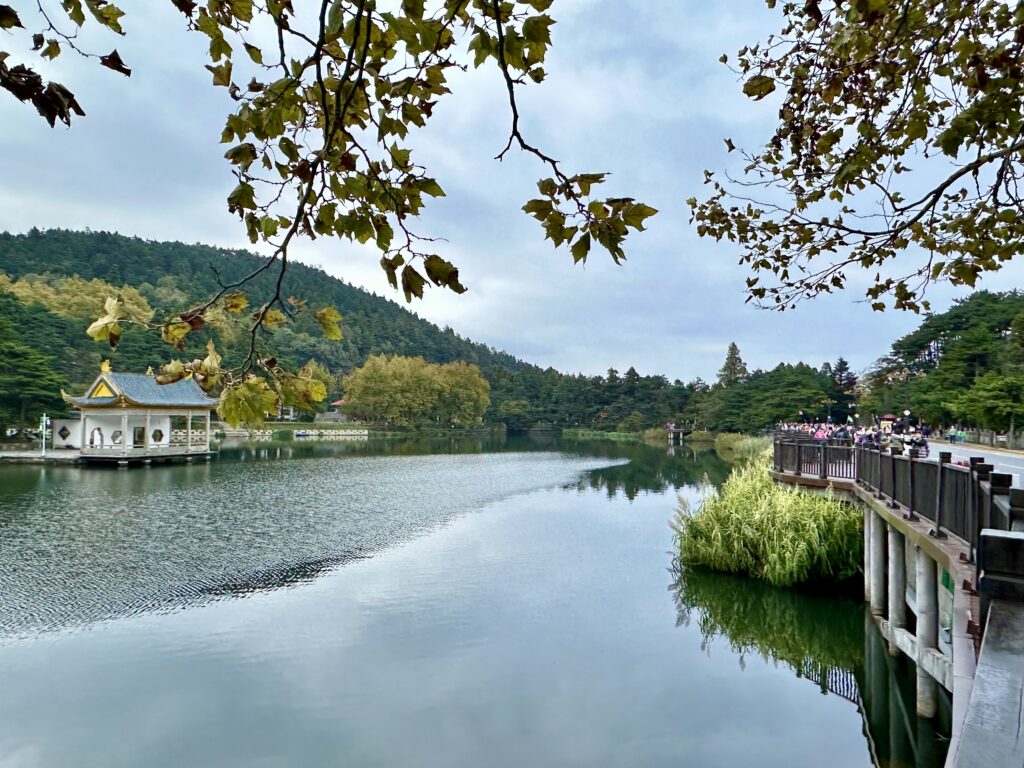
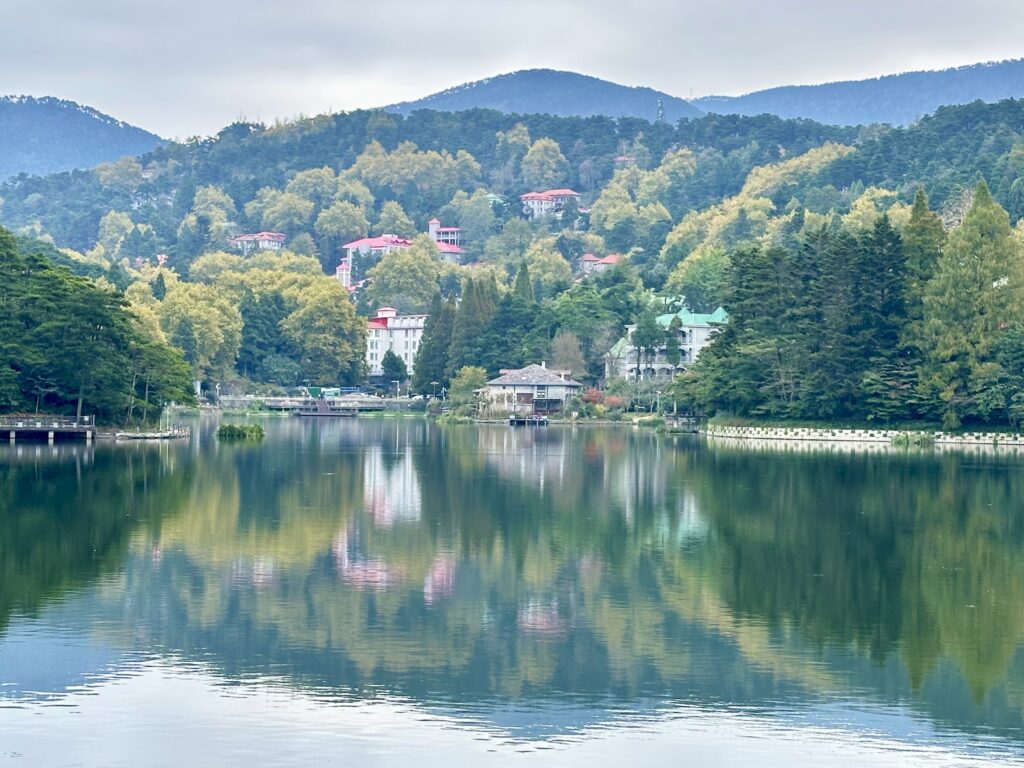
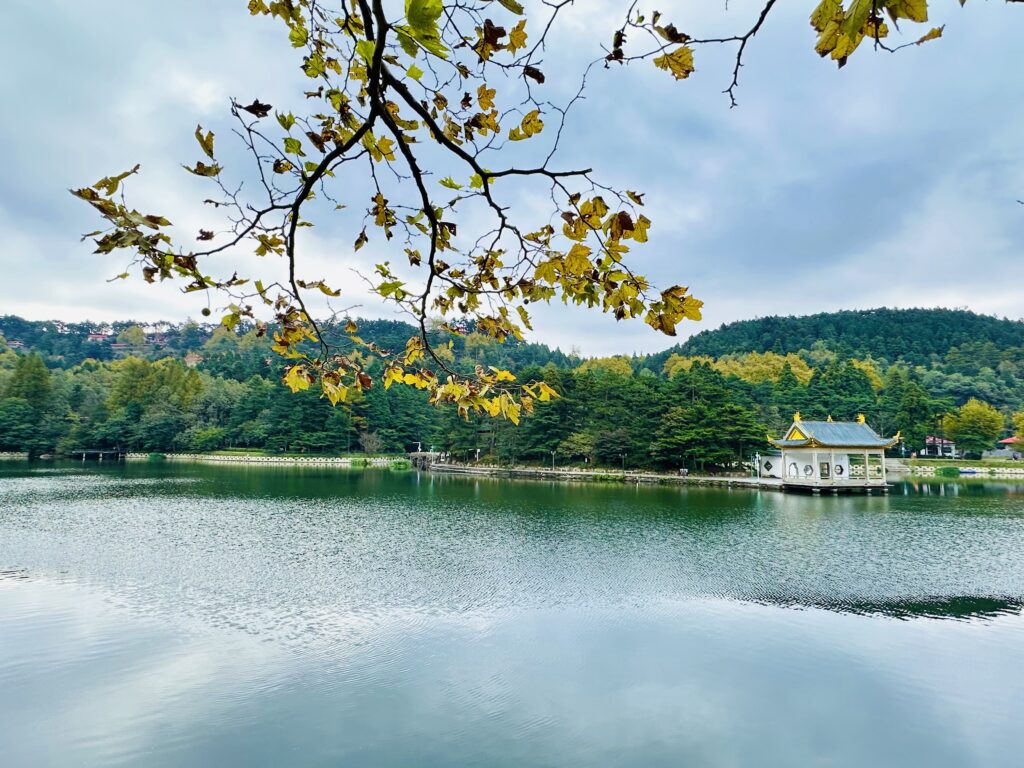
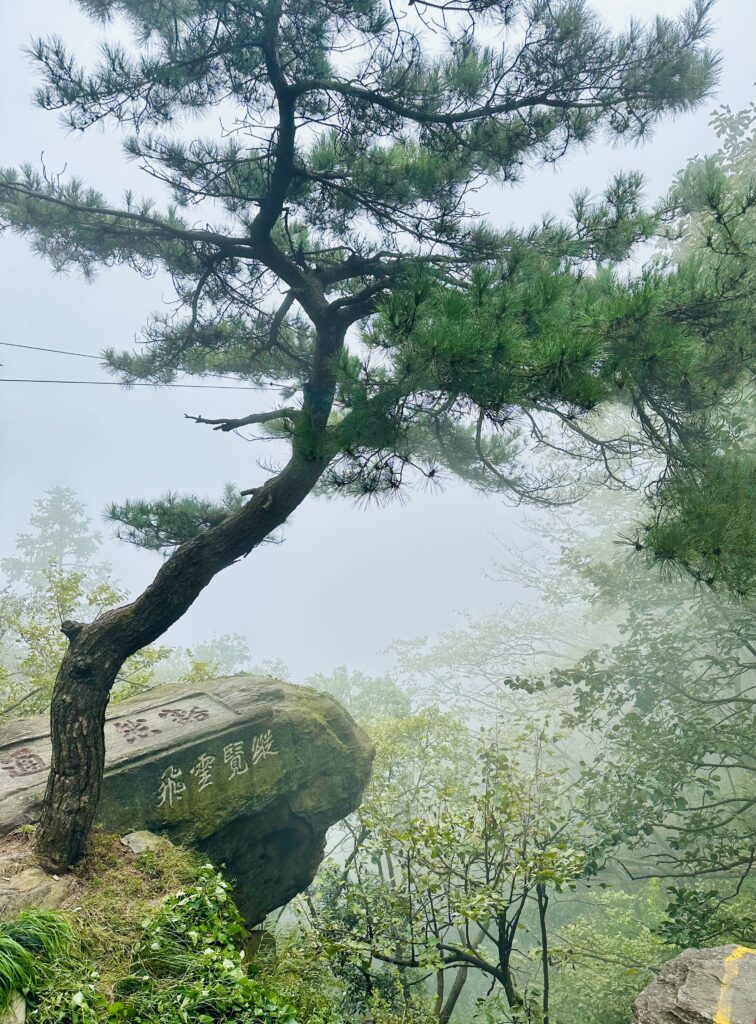
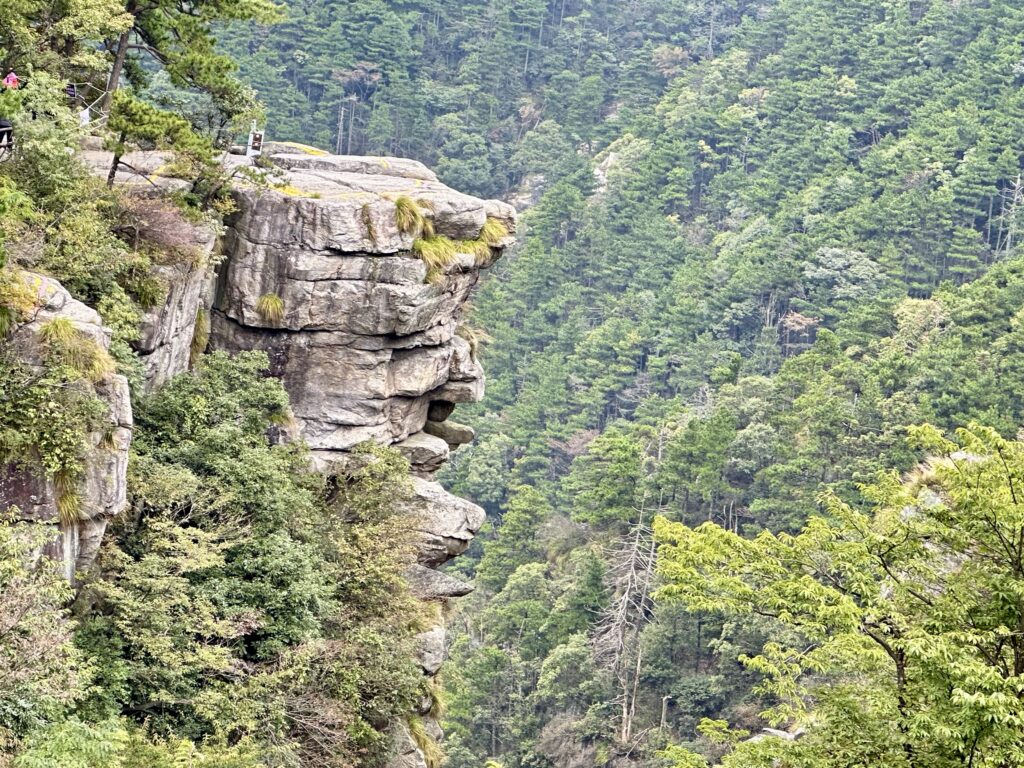
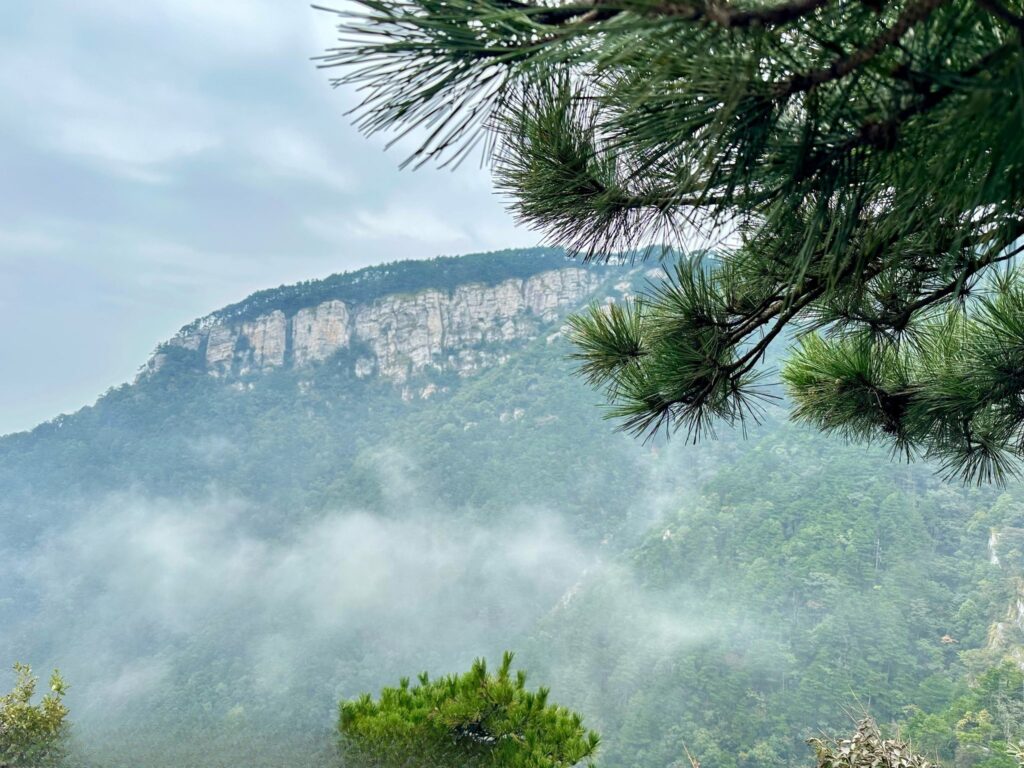
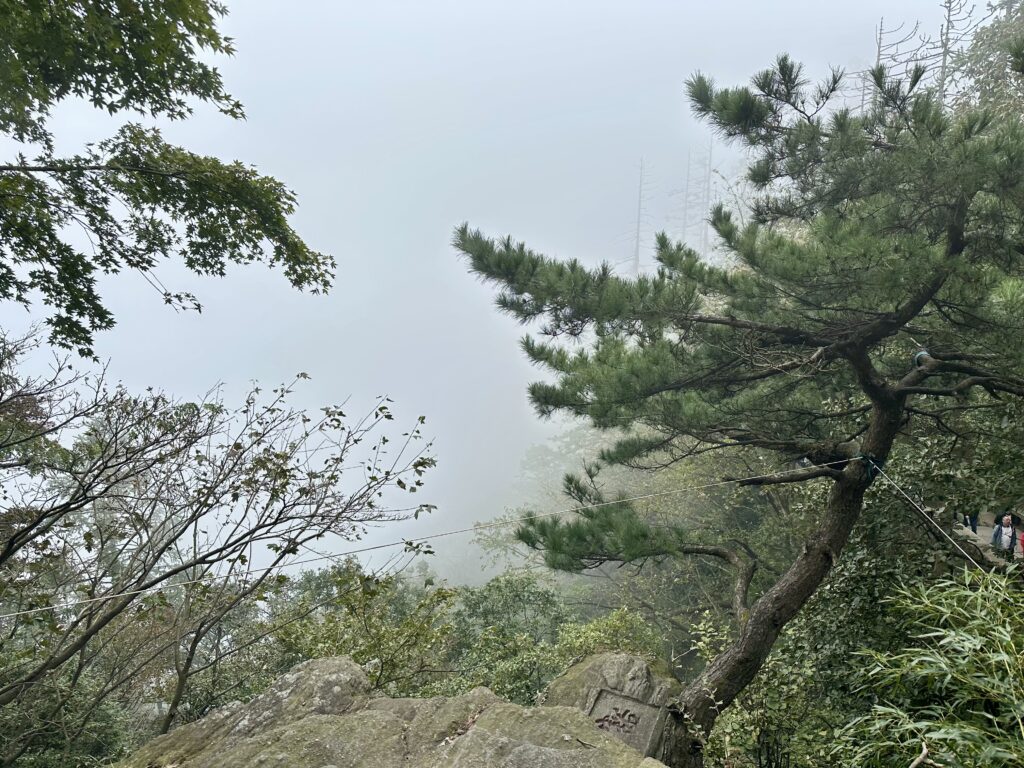
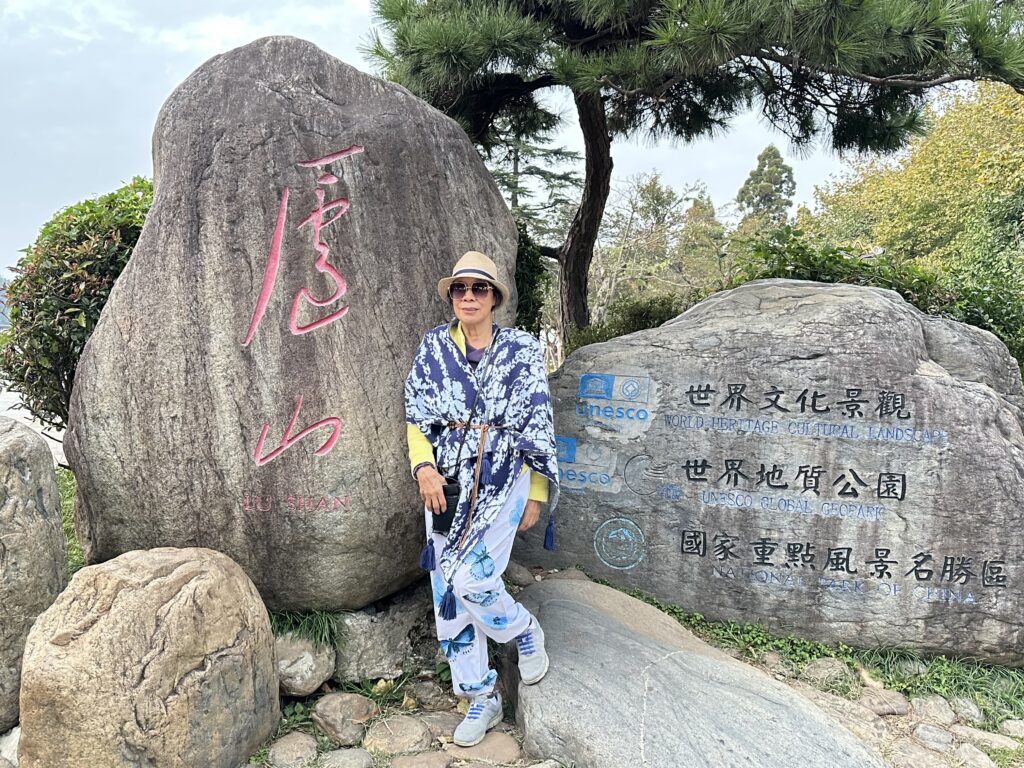
Lushan is a major scenic resort destination and a UNESCO World Heritage Site in Jiangxi Province. The highest point is just under 1,500 metres. The area has been a resort for centuries and is known for its natural beauty, geological history, and human activity. The mystical fog of Lushan is legendary as the mountain is shrouded in fog about 192 to 200 days a year from March to September!
Mementos of Jiangxi
Lushan City, China
Also from China