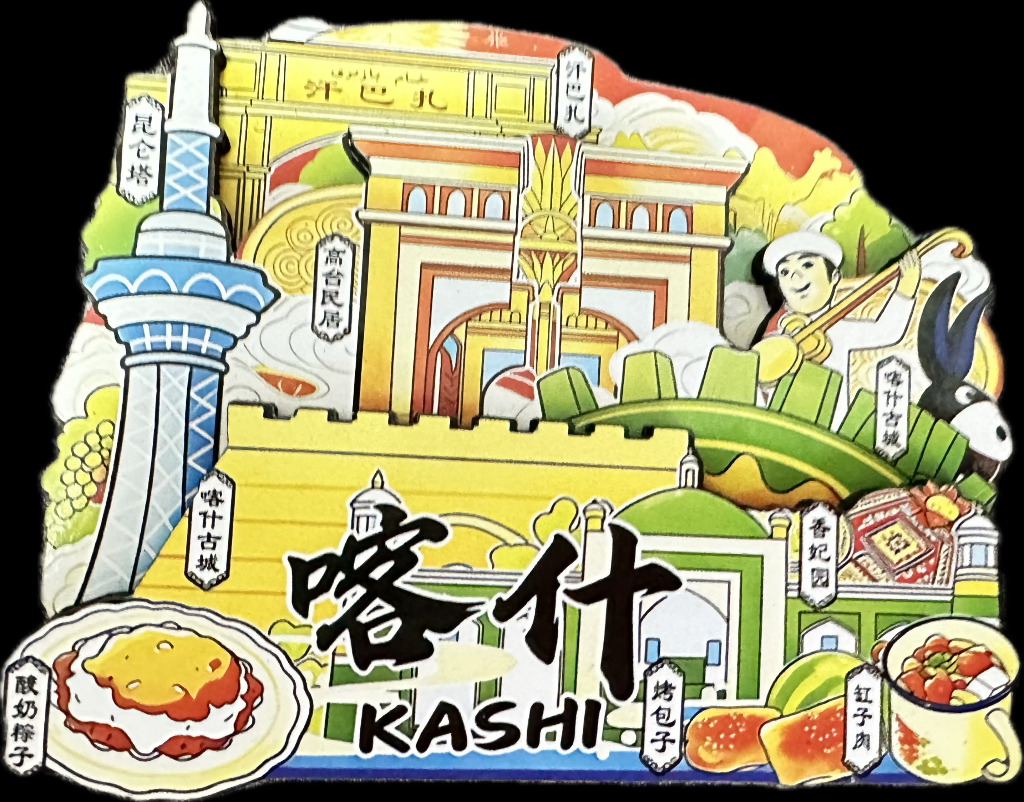
Kashgar - A living ancient city
Kashgar is a major trade and transport gateway connecting China to Central and South Asia and the Middle East. It was the heartbeat of the ancient Silk Road. While Urumqi moves forwards , Kashgar keeps the past. However these two similar but distinctive great cities encapsulate the spirits of Xinjiang.
Kashgar Old Town
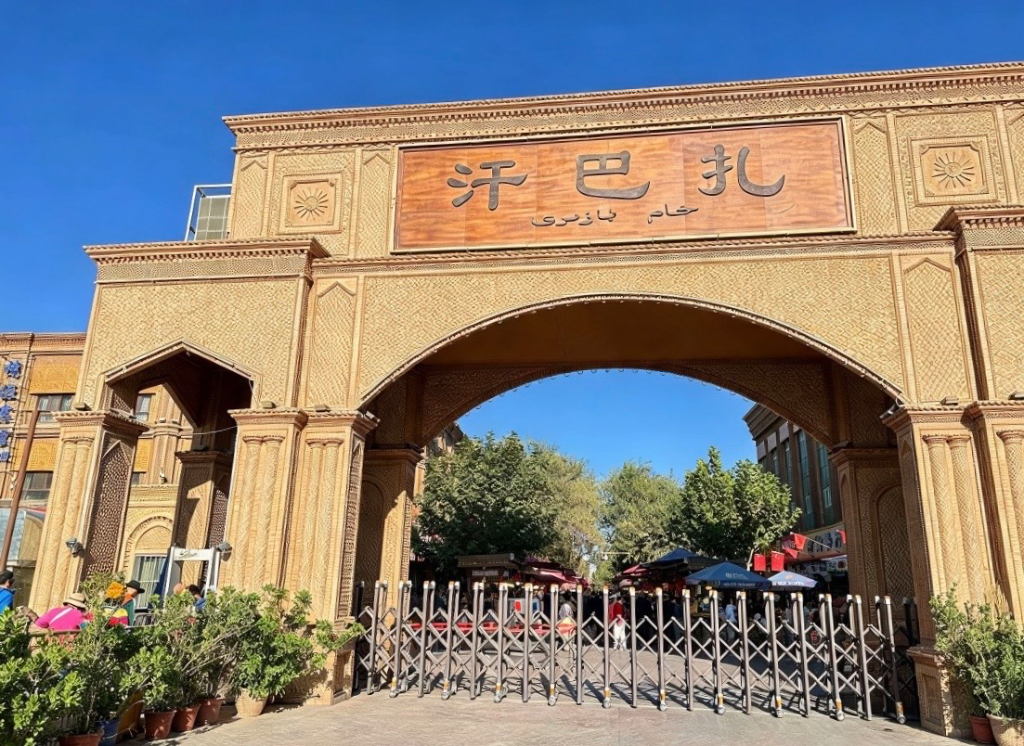
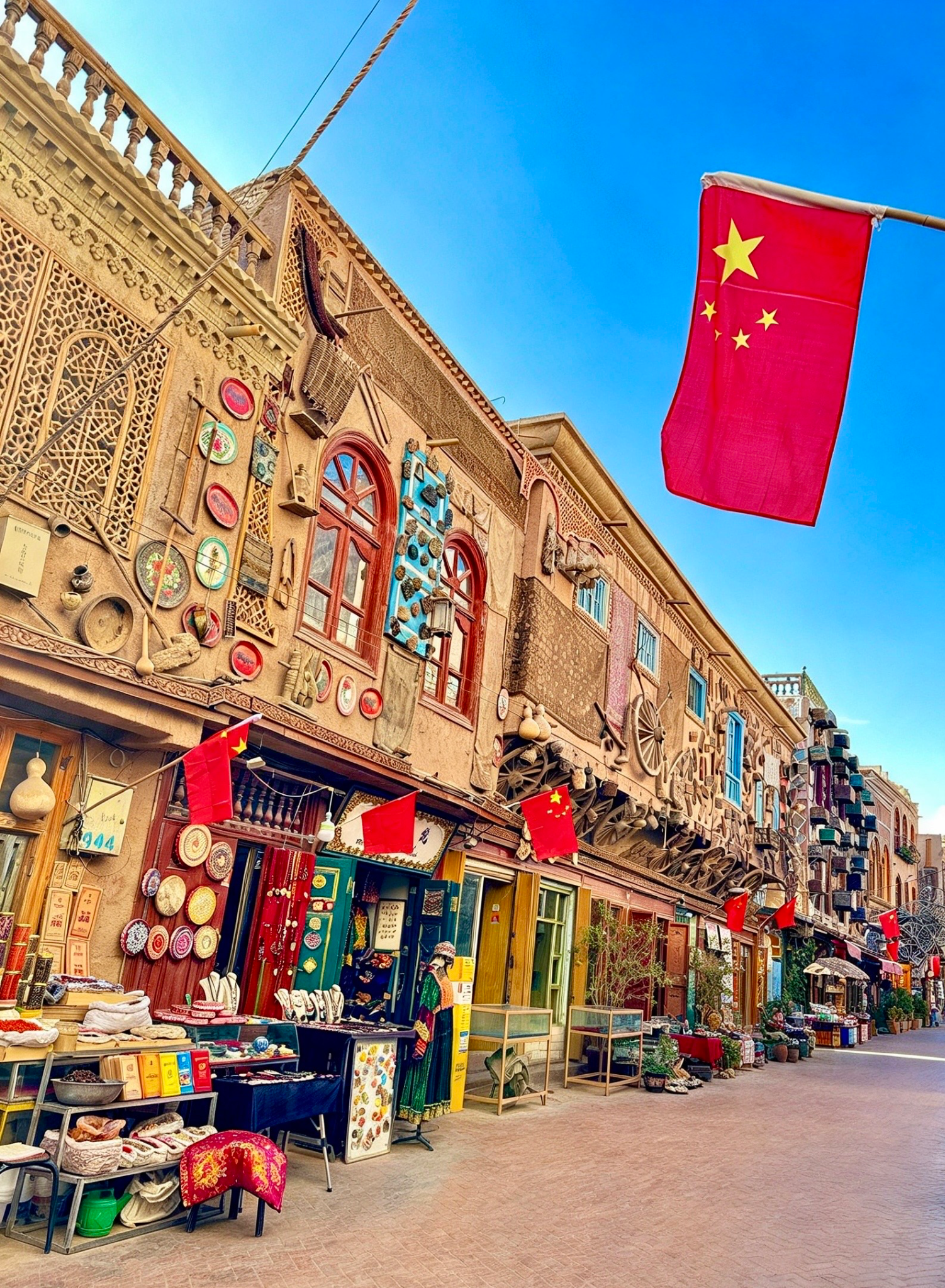
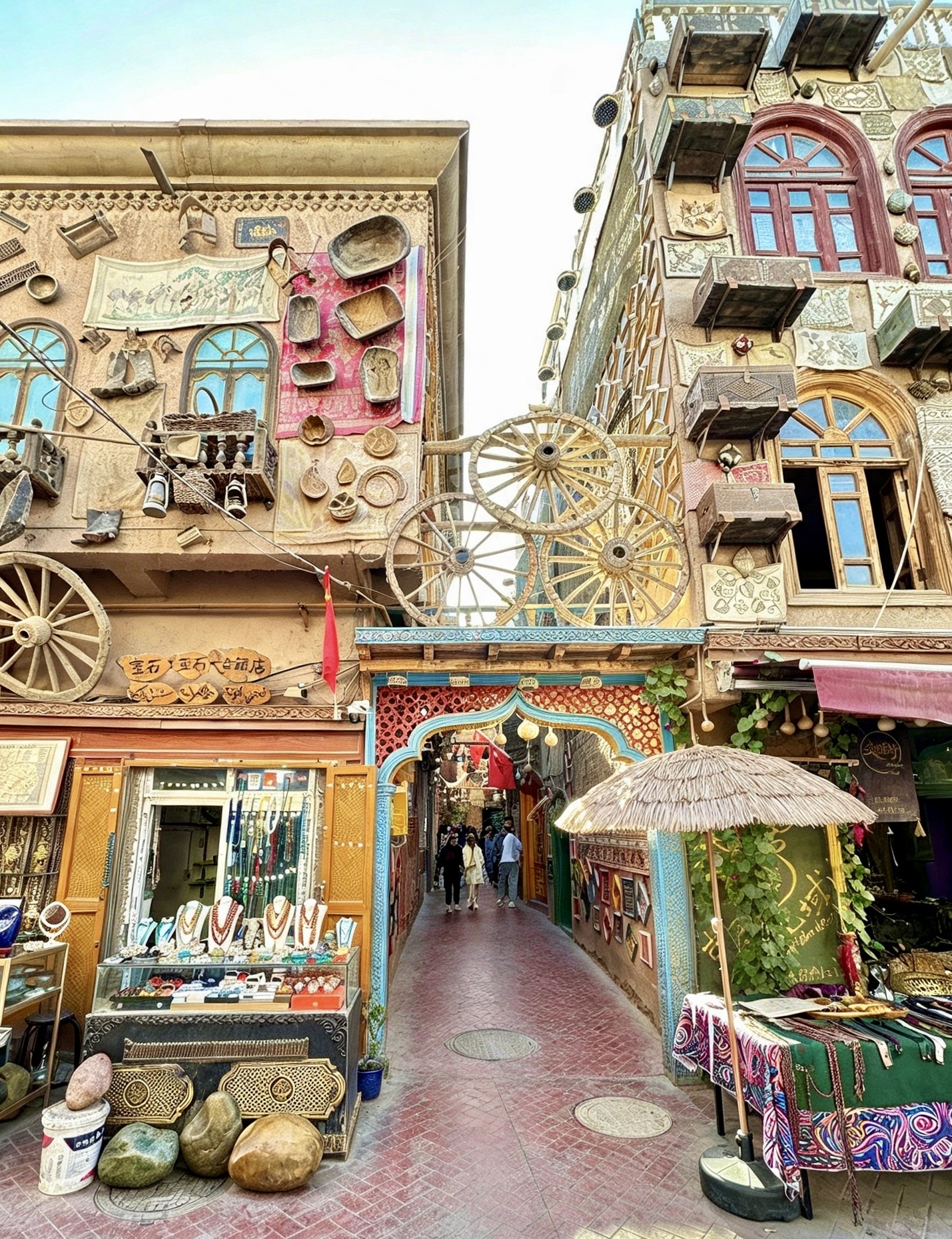
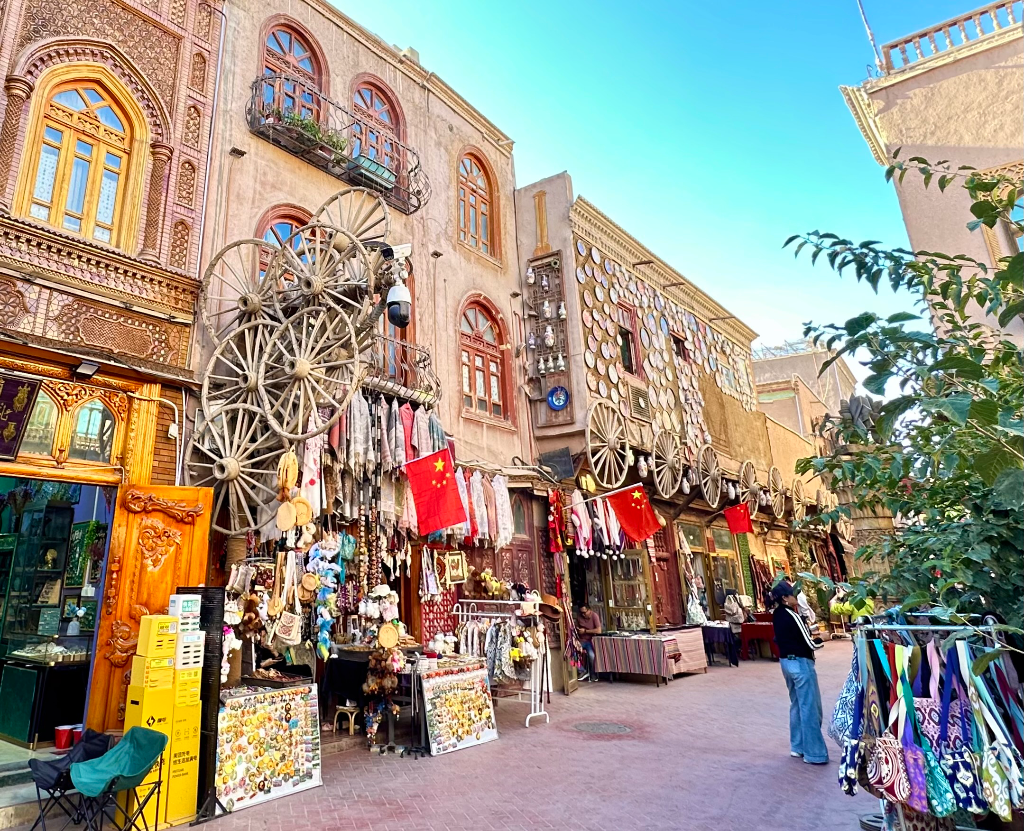
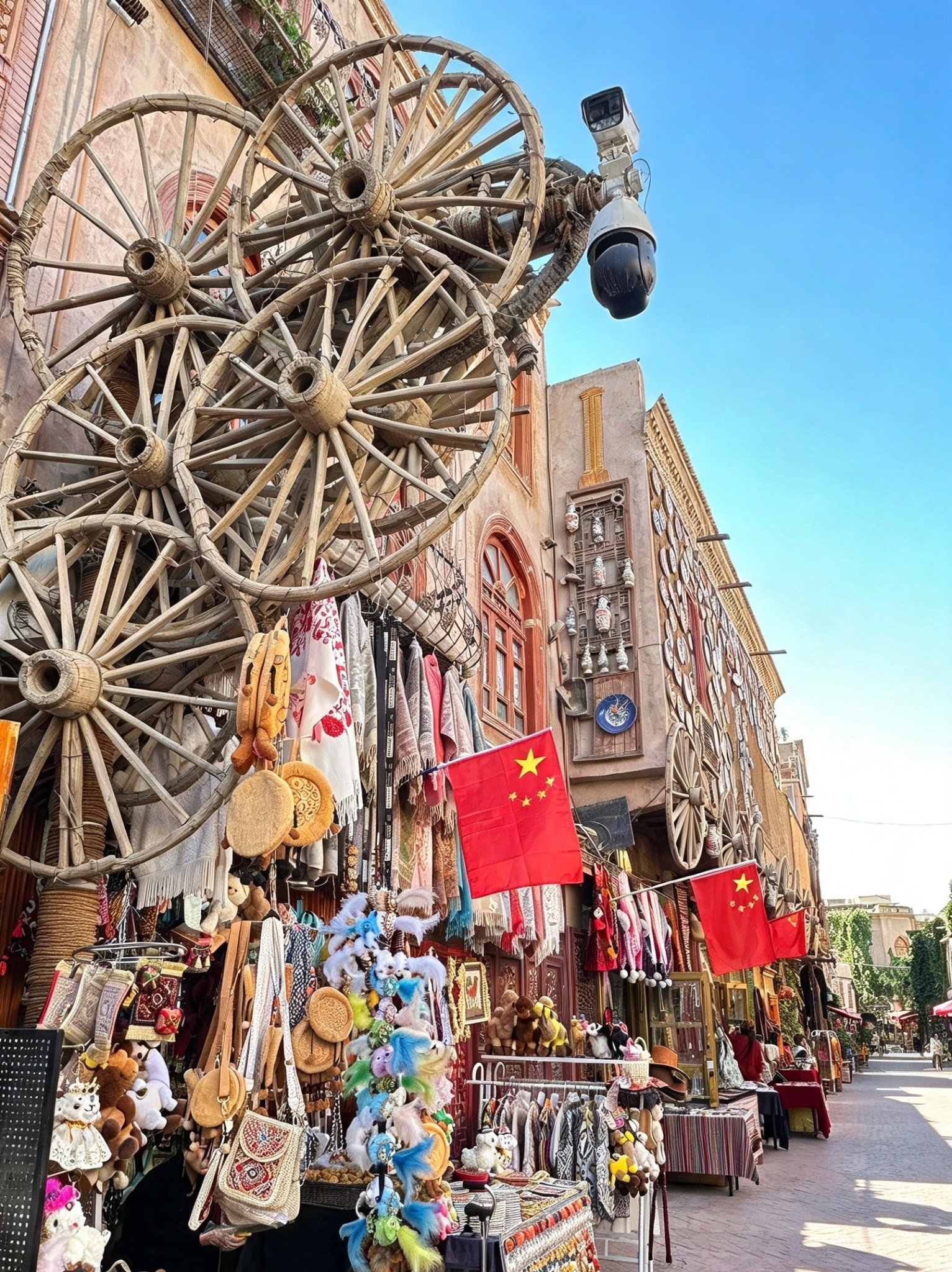
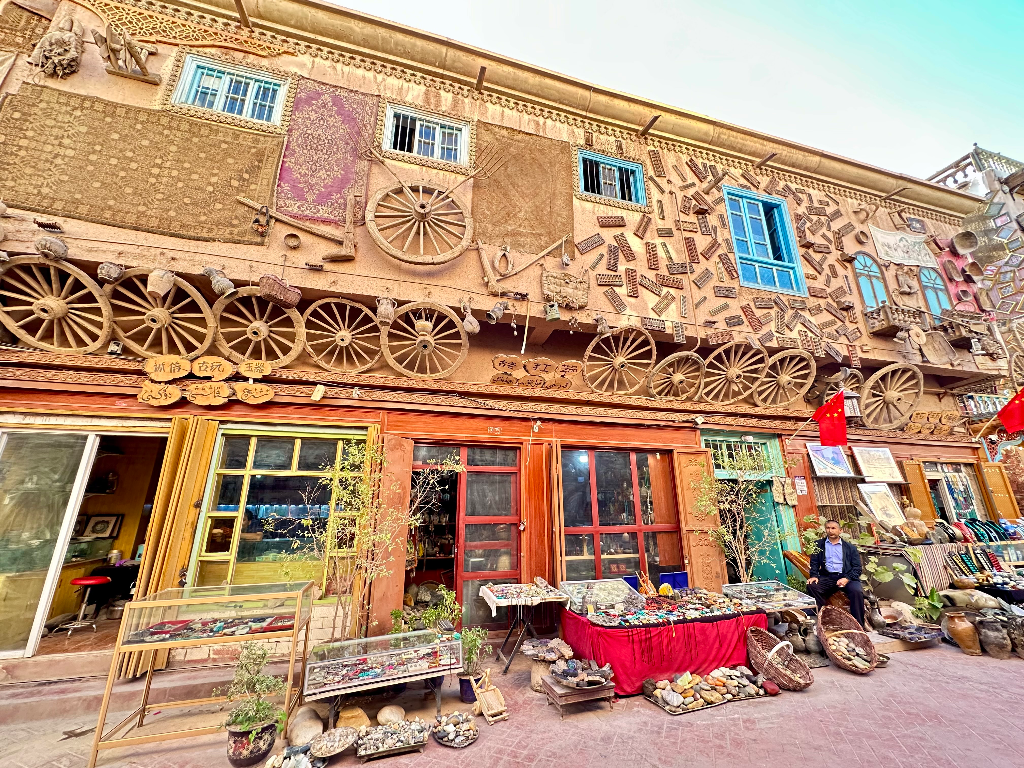
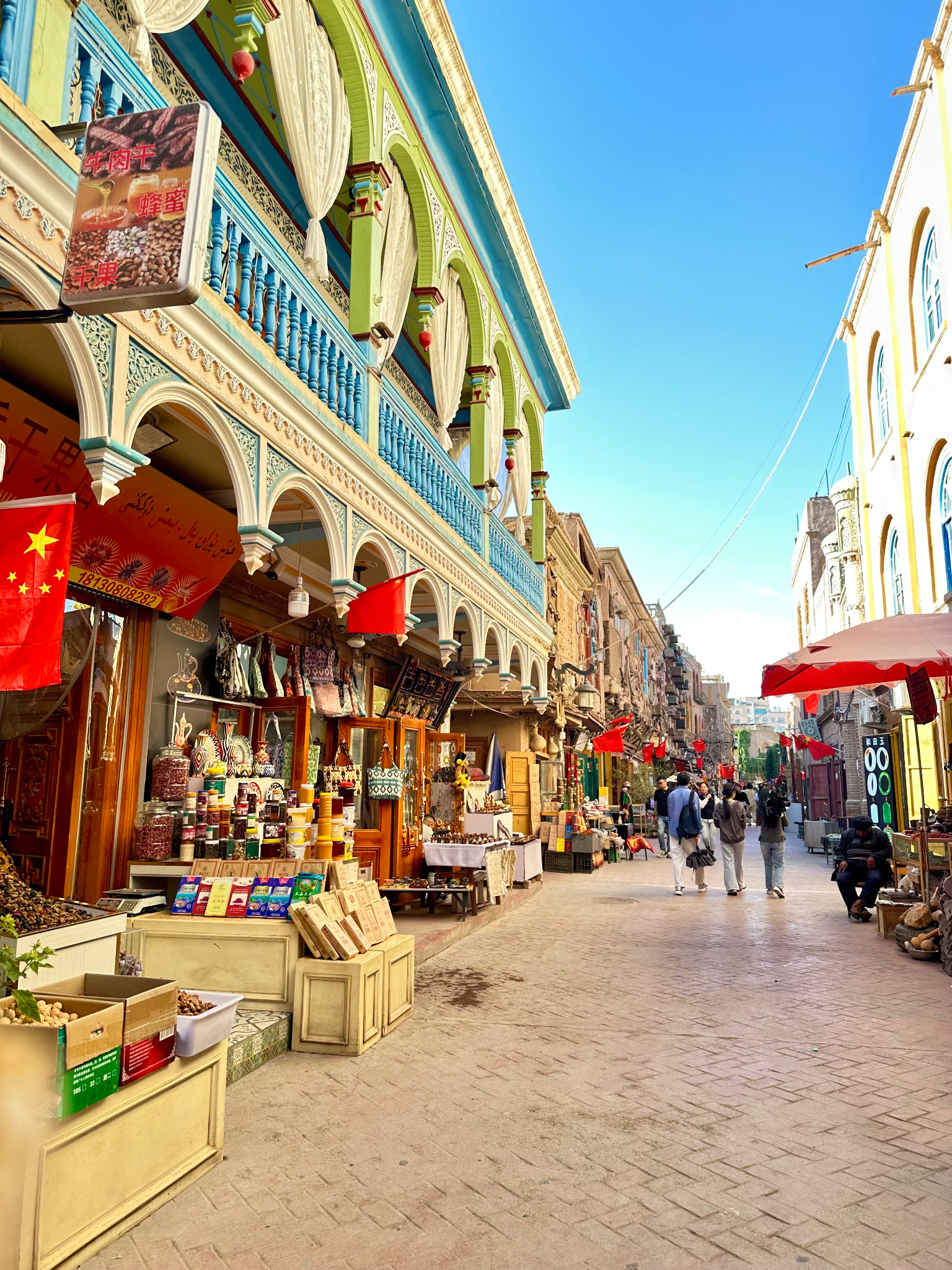
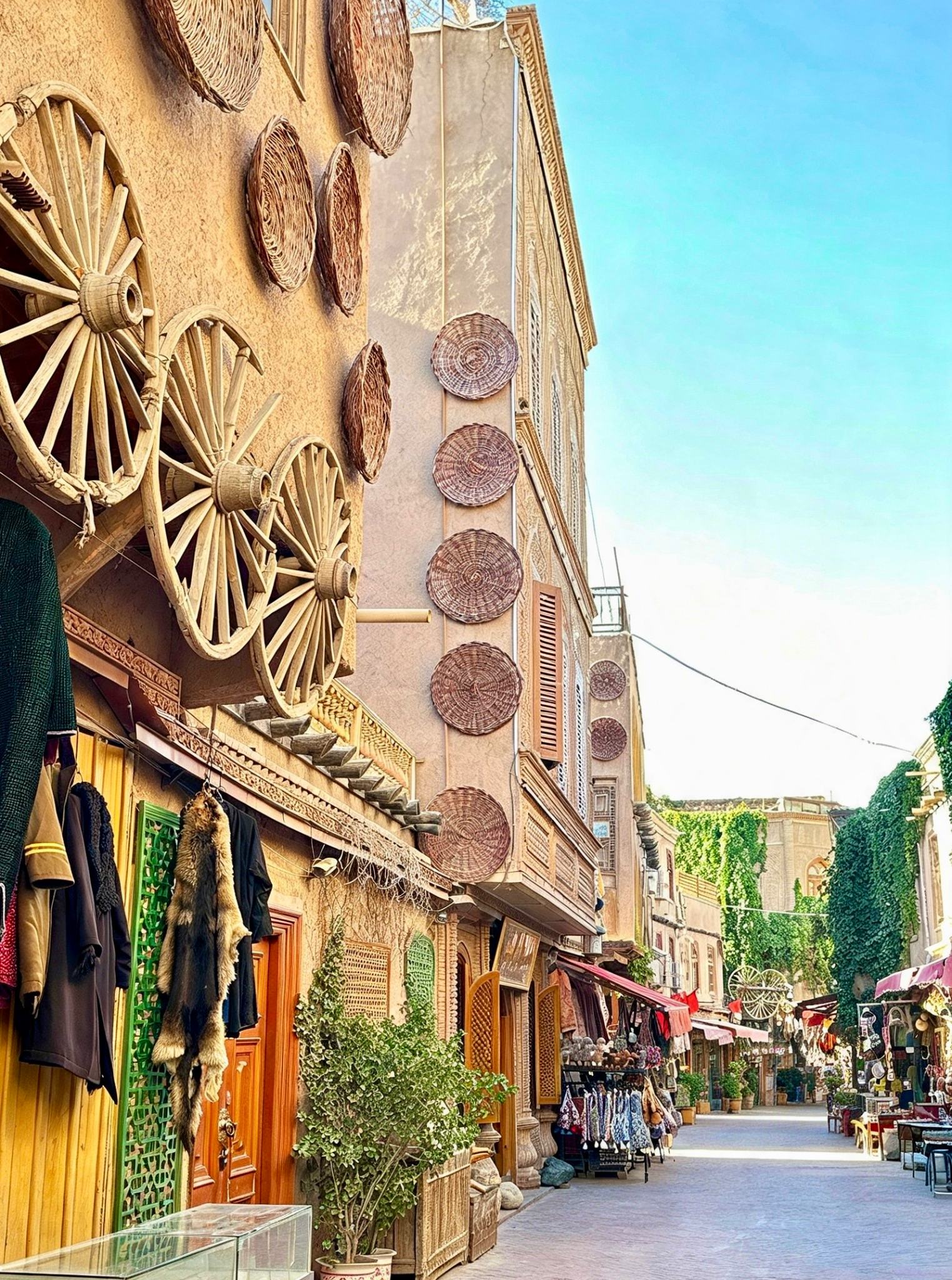
Kashgar Old Town is a historic district located right in the centre of the modern city of Kashgar. It is one of the oldest continuously inhabited cities in the world. Yet it isn't a museum. The vibes of its 2,000 years of mud-brick lanes, courtyard homes, and alleyways haven't changed in feel since the caravans arrived from across the Pamir Mountains.
The architecture here features a unique blend of traditional Uyghur earthen building techniques and Central Asian Islamic aesthetics. Wandering through the old city is like stepping into a labyrinth of colourful and vibrant Uyghur Culture. It is China's only maze-like urban district with Islamic culture as its distinctive feature.
Modern Kashgar
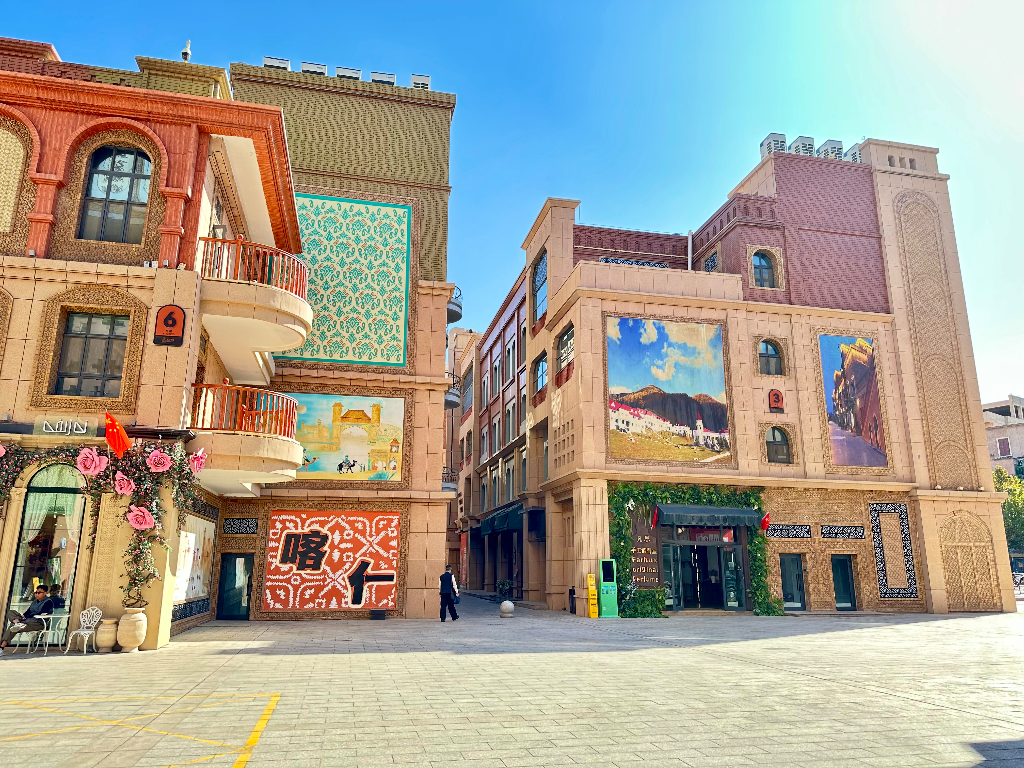
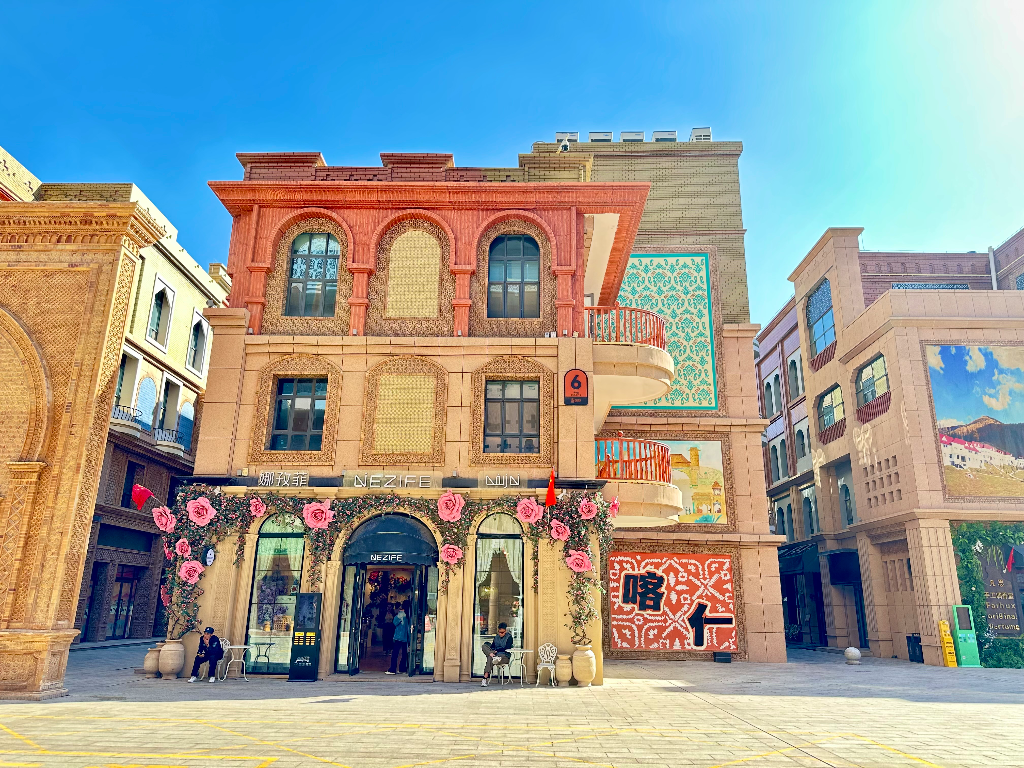
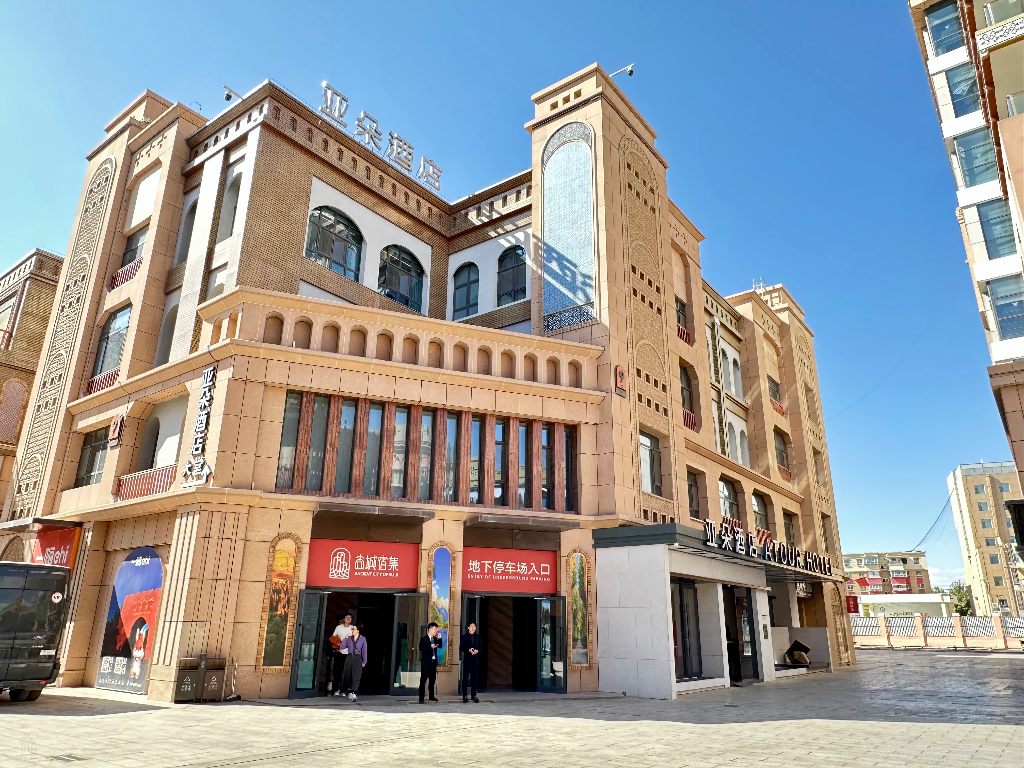
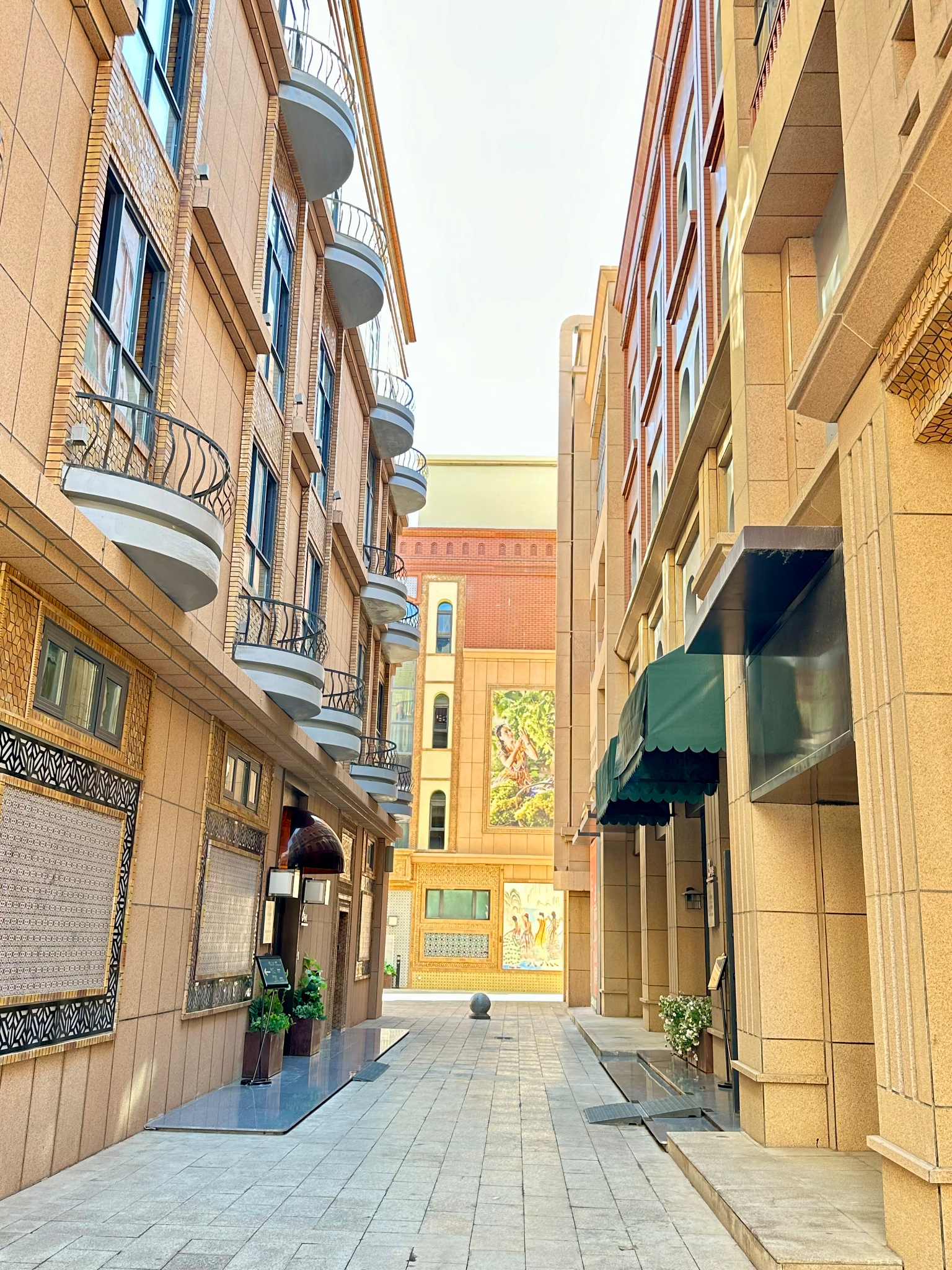
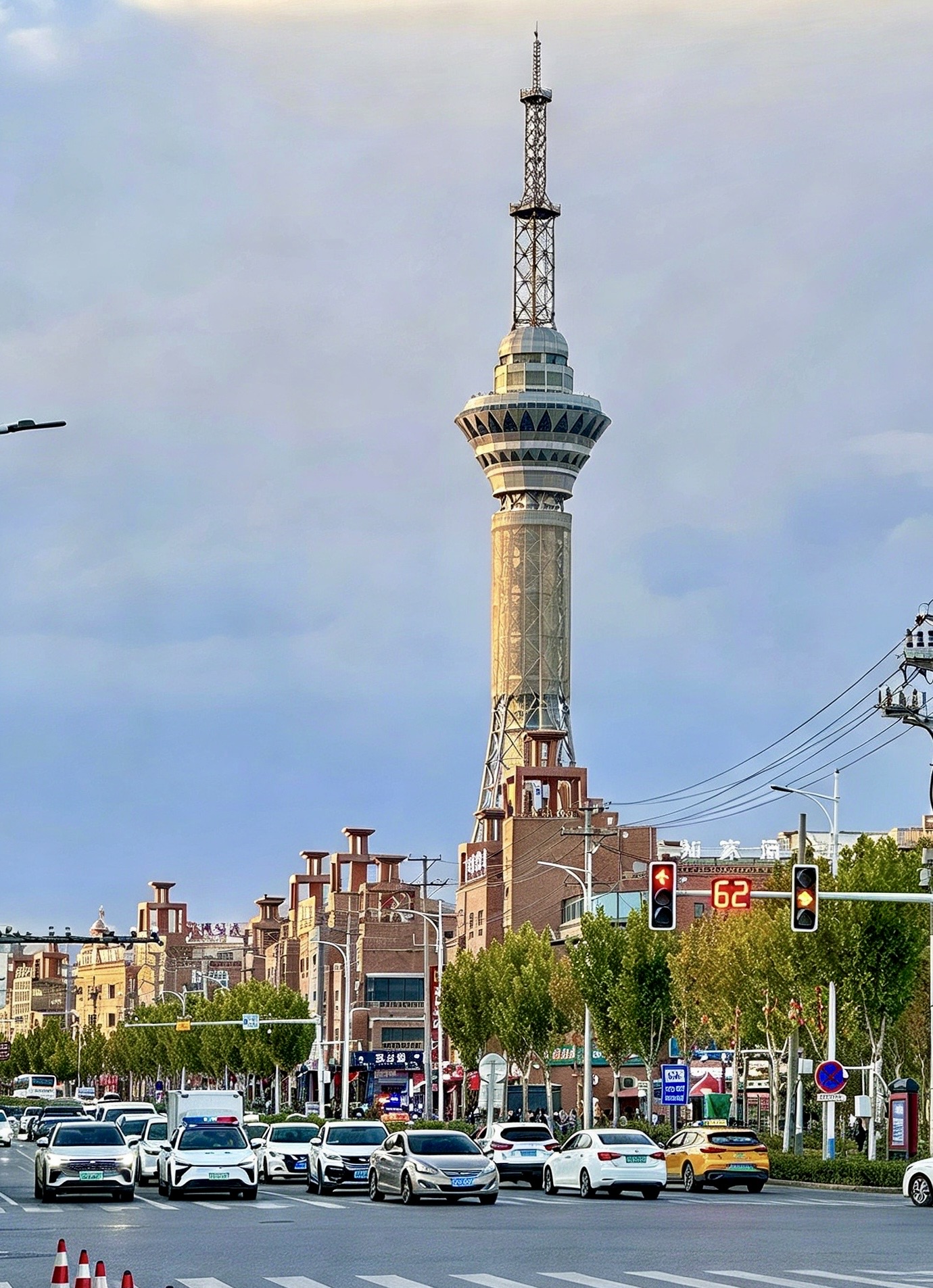
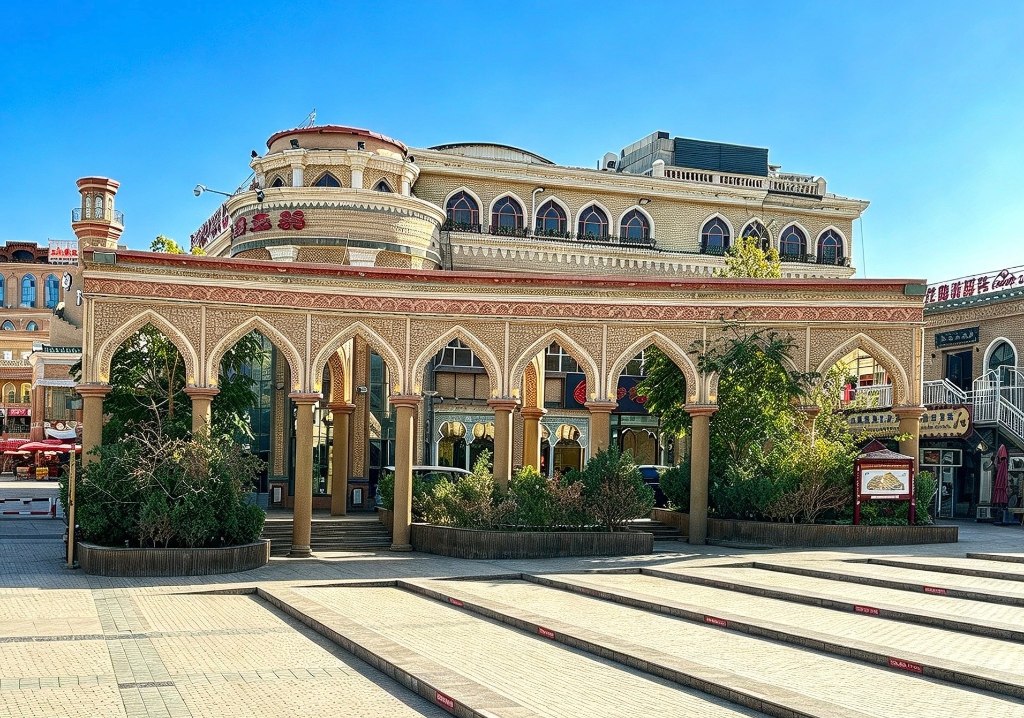
Outside the Old Town, modern Kashgar features wide avenues, contemporary commercial zones with stylish hotels and elegant residential buildings that echo the traditional Uyghur architecture.
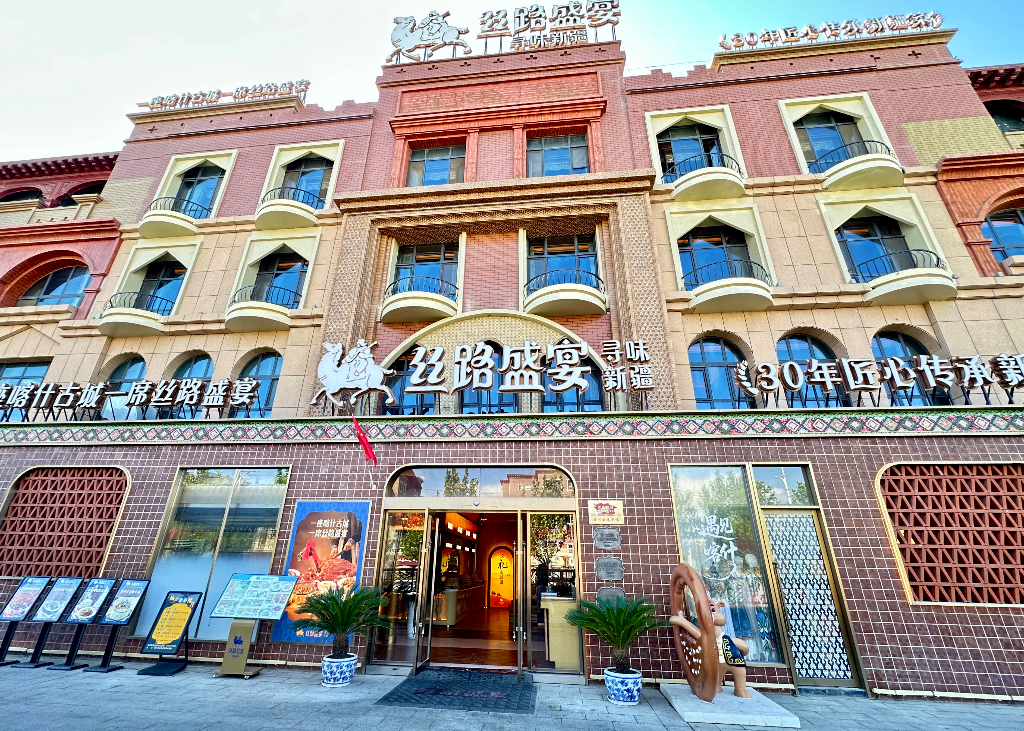
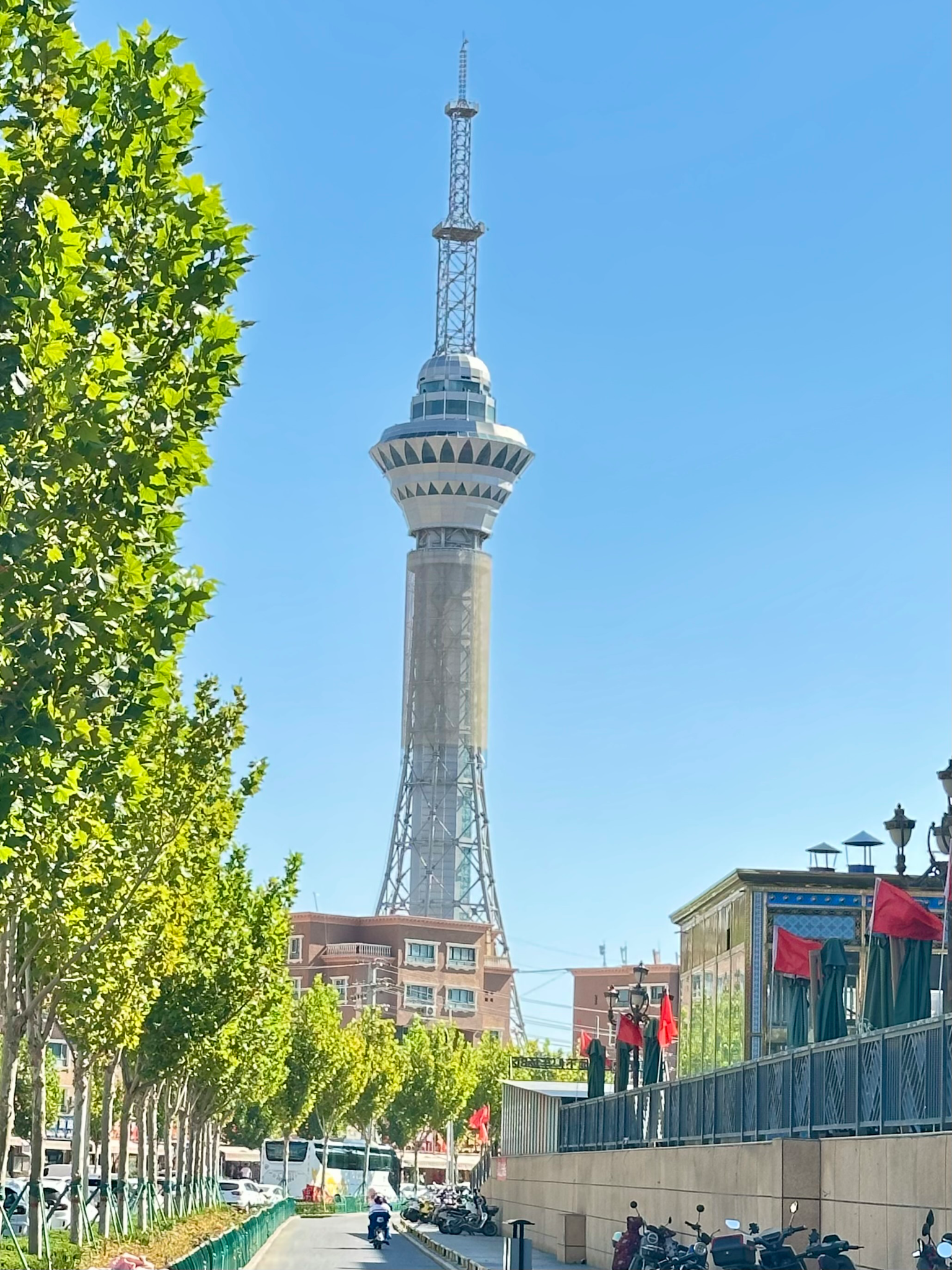
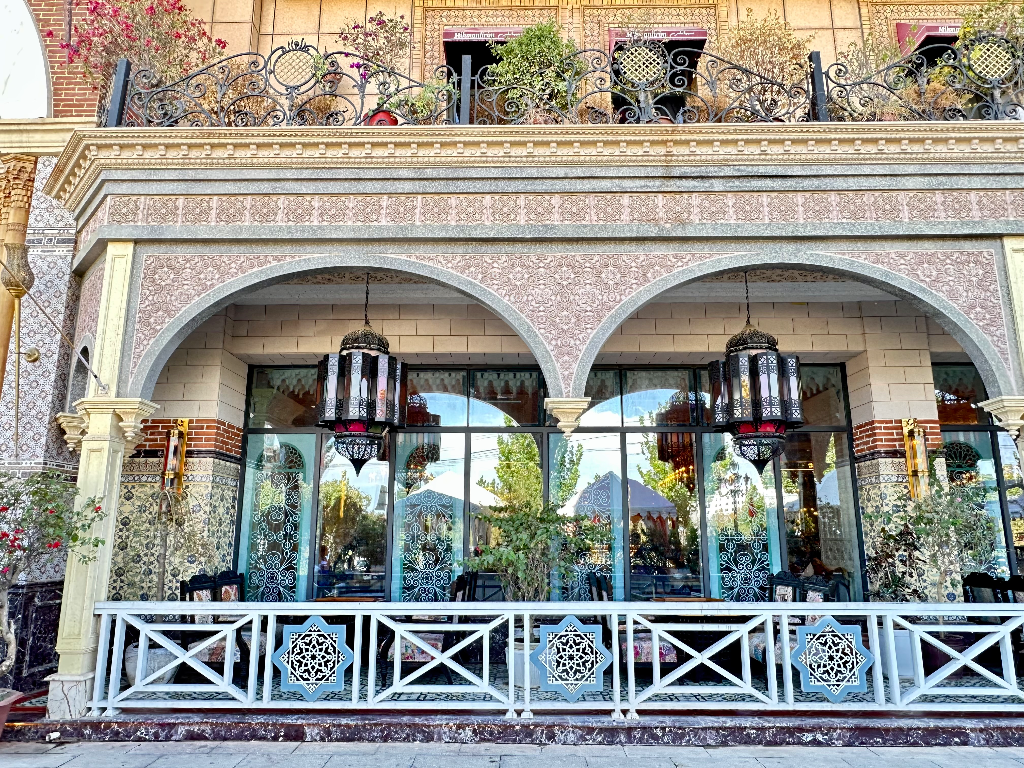
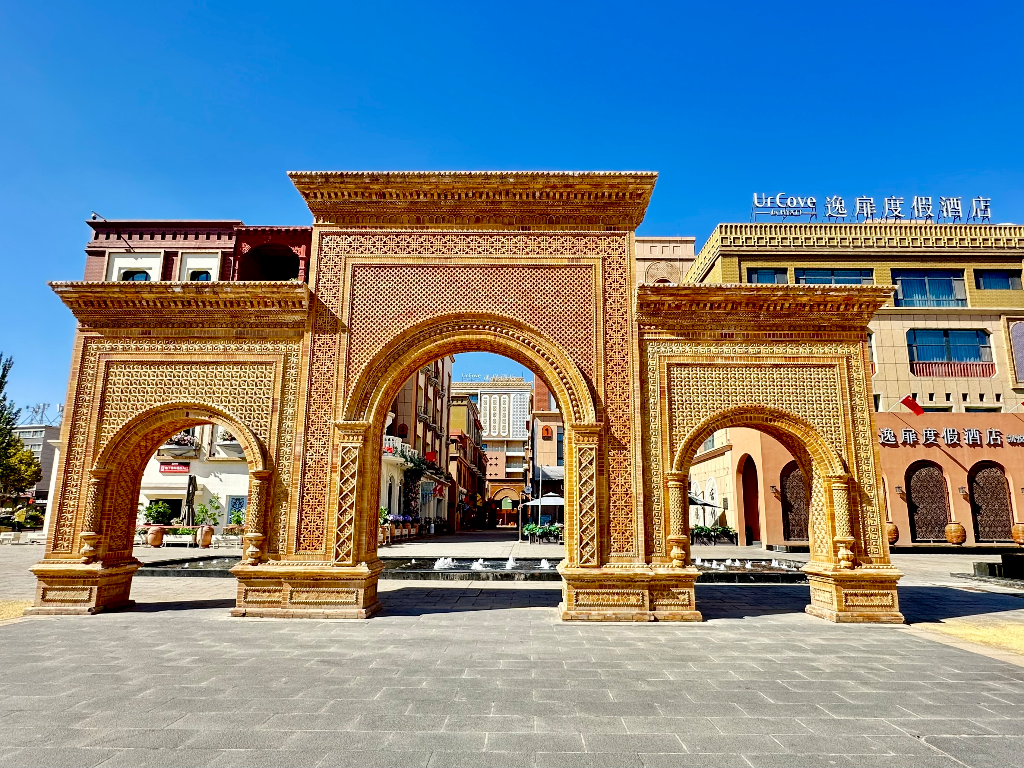
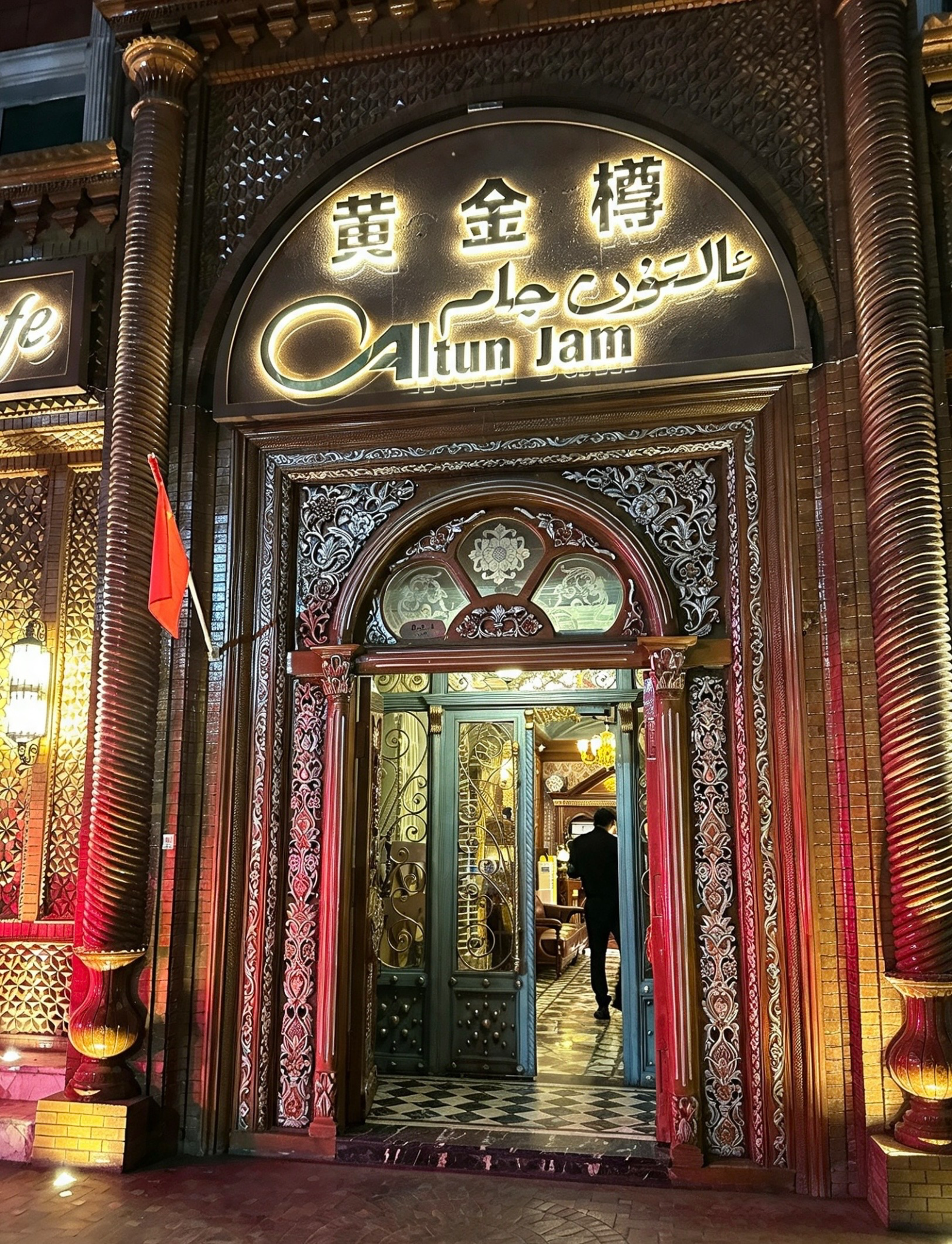
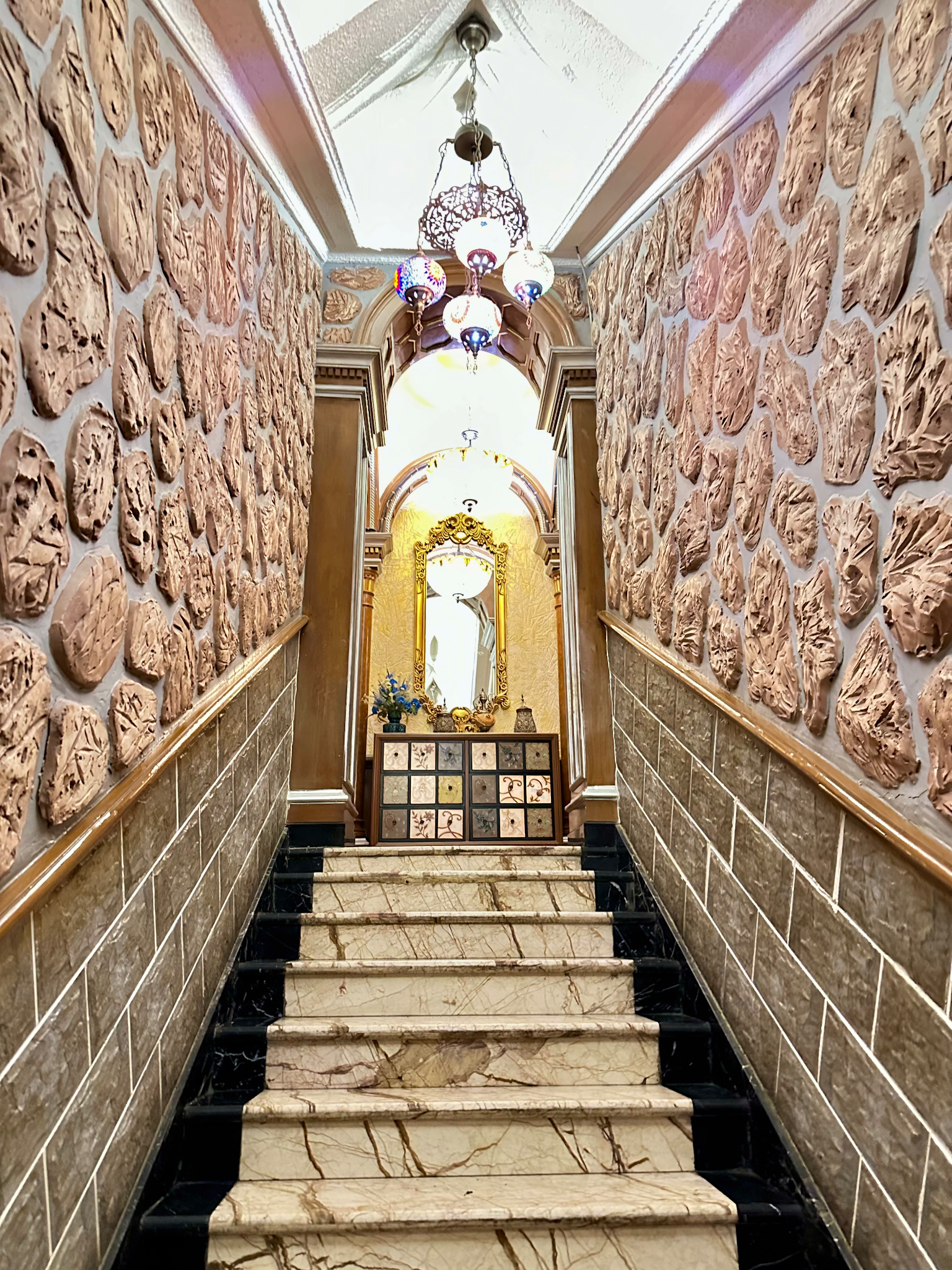
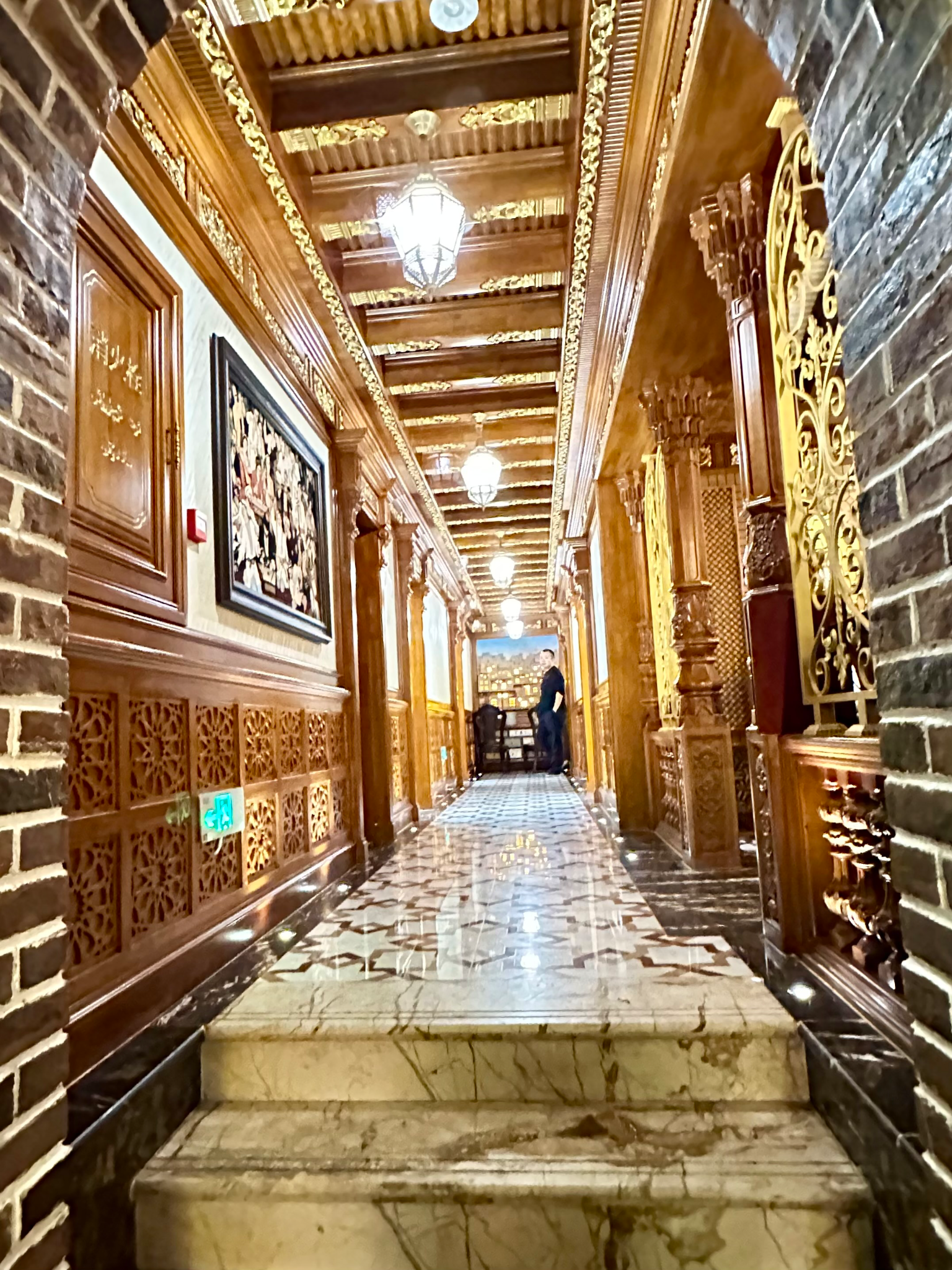
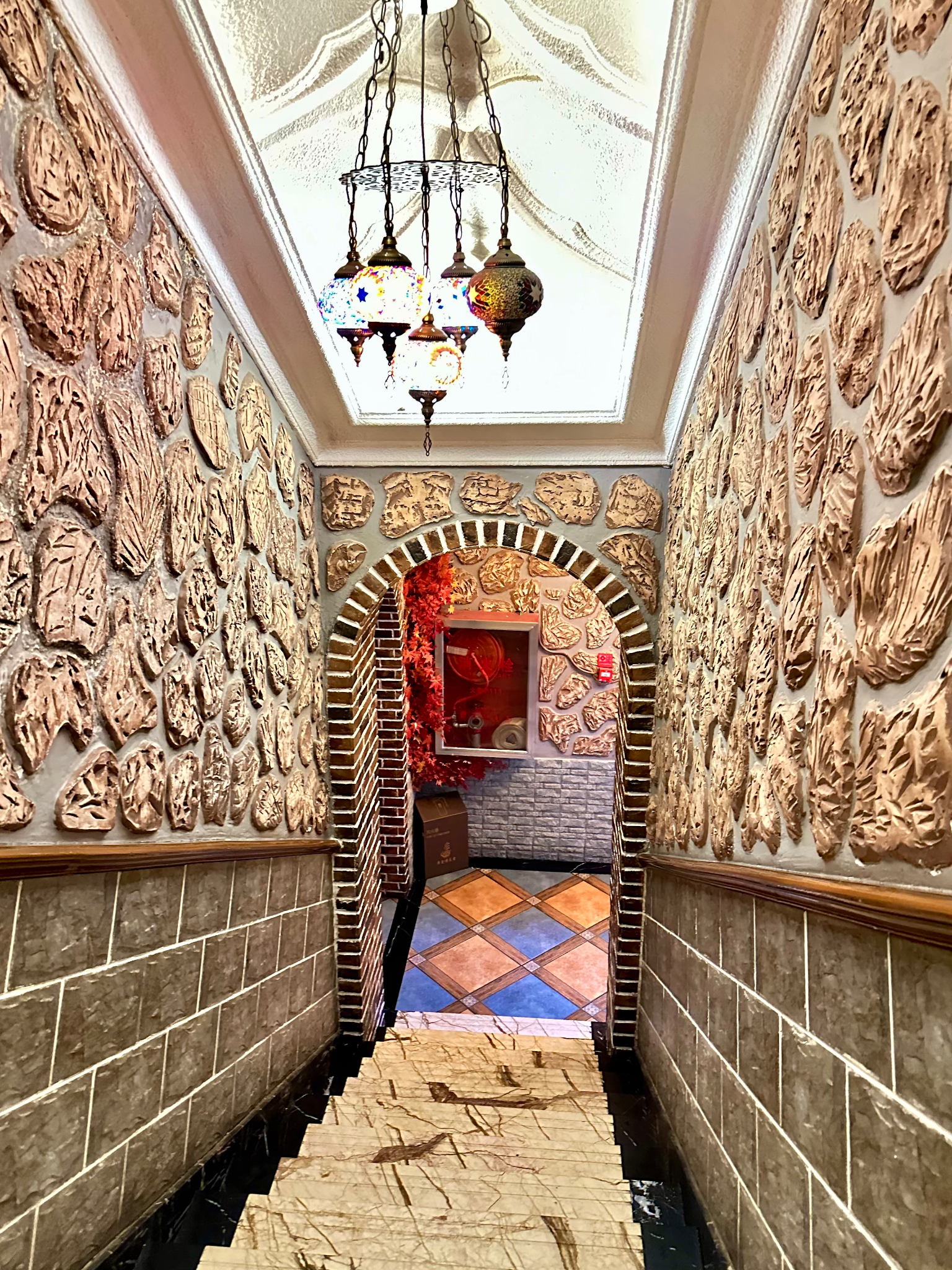
A typical restaurant in Kashgar
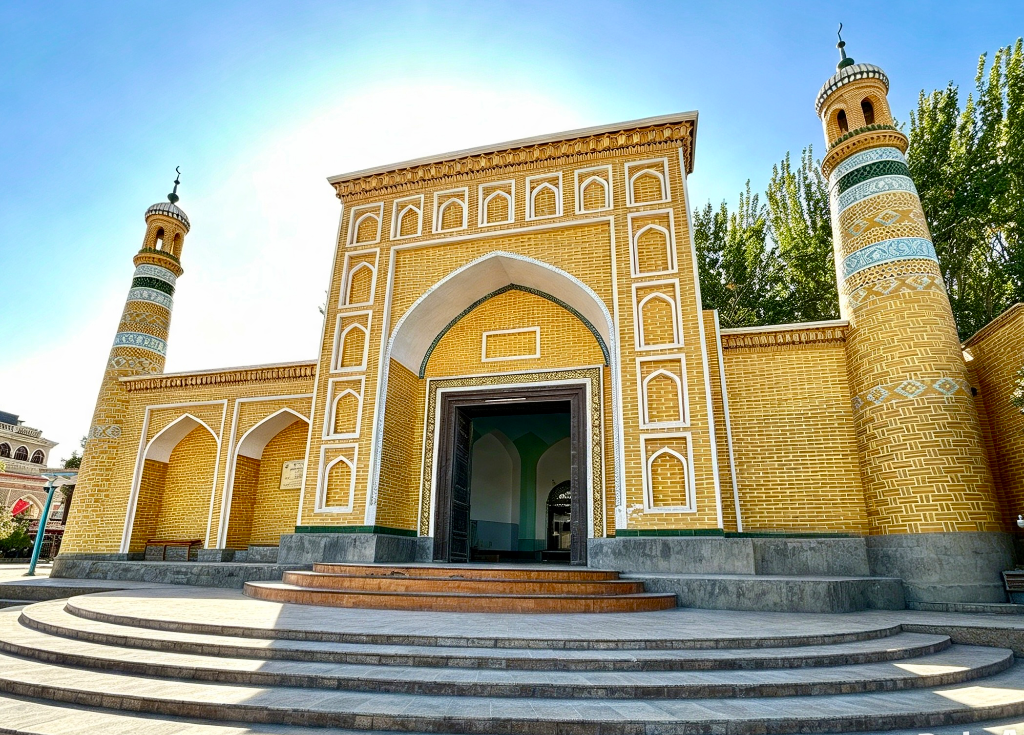
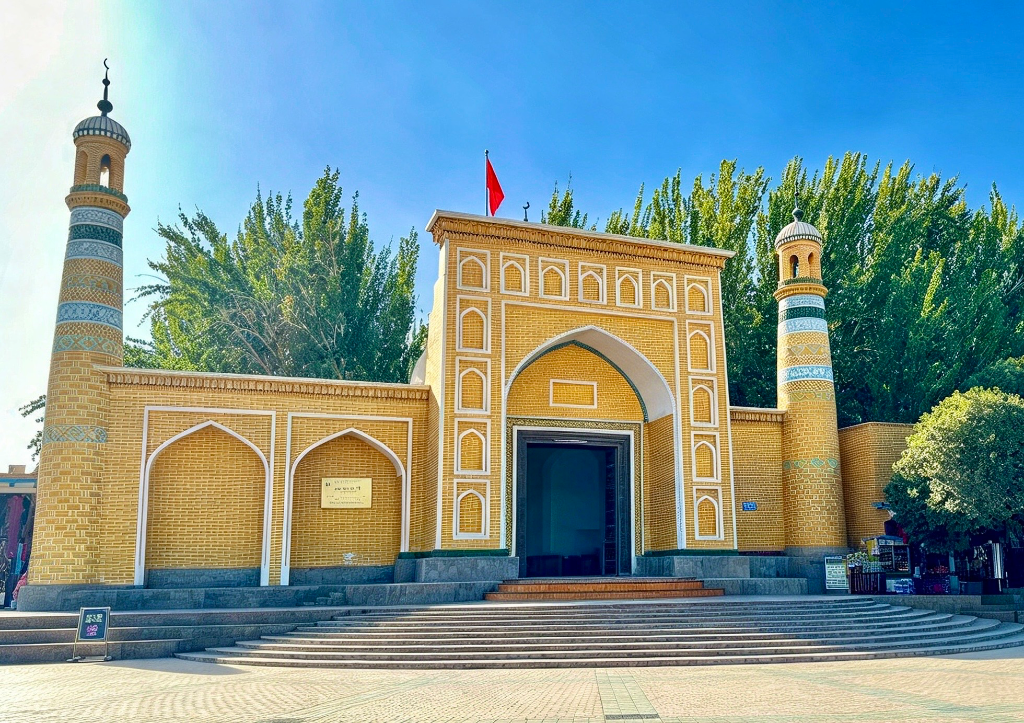
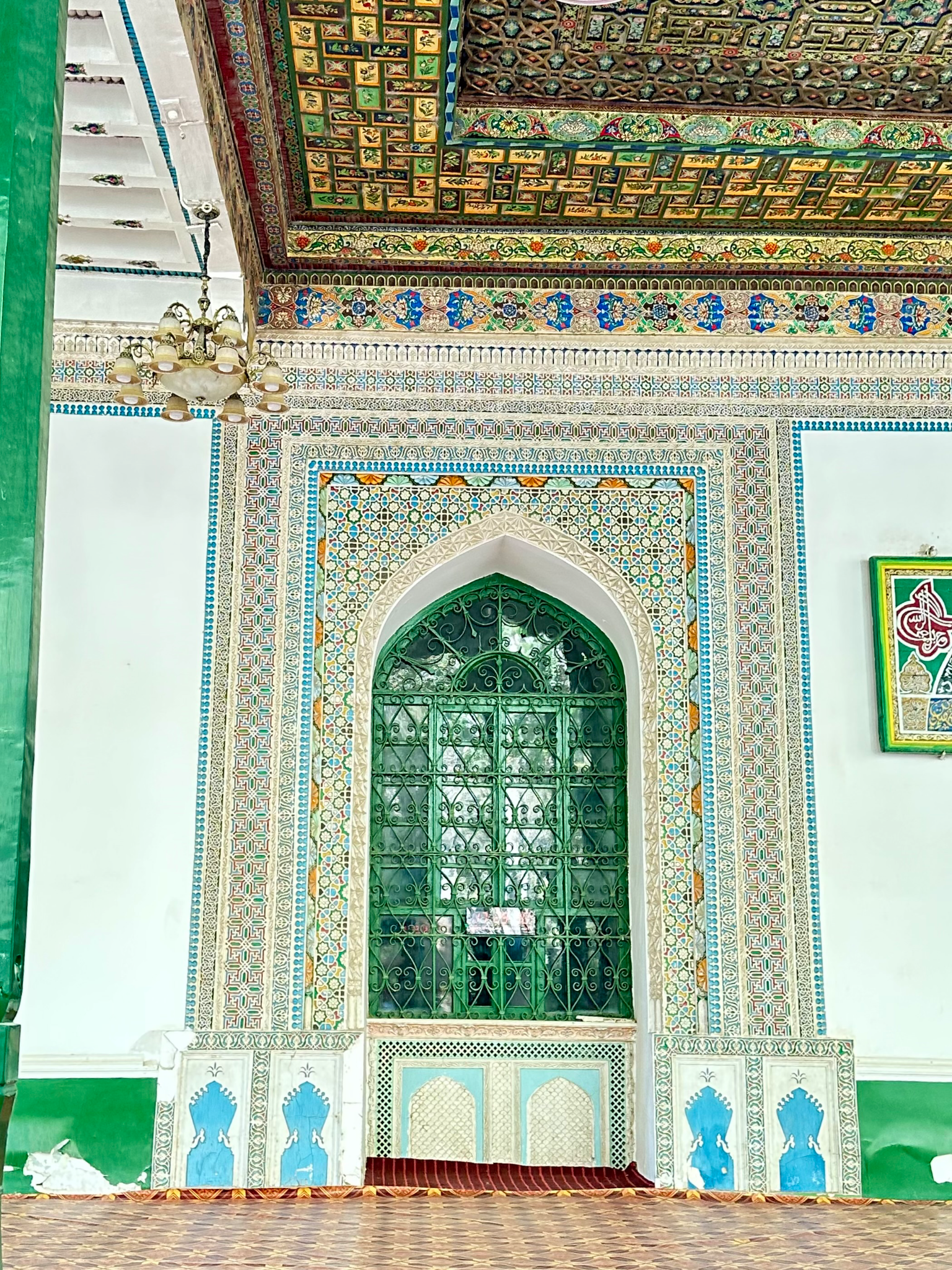
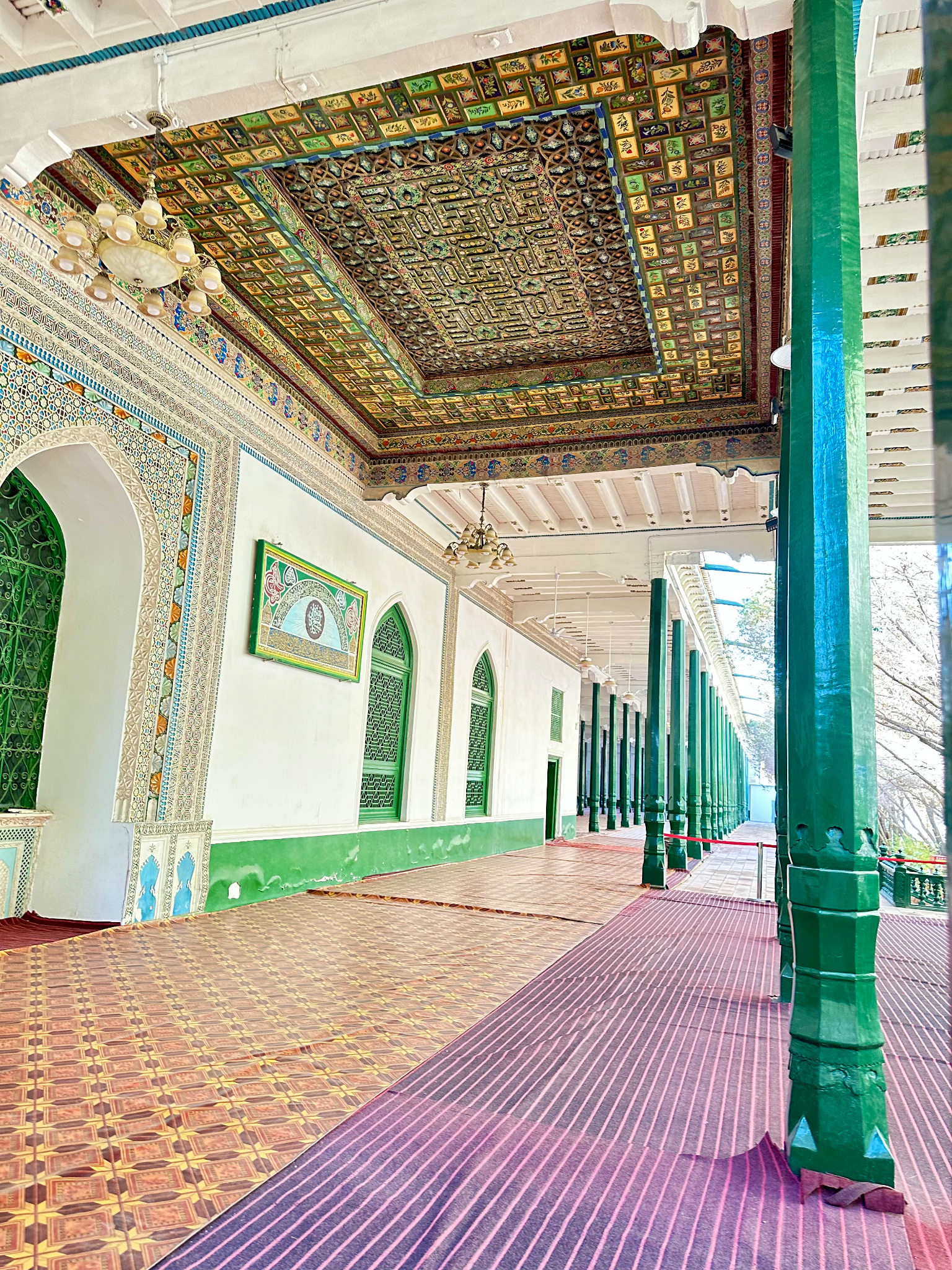
Id Kah Mosque
It’s the largest Islamic mosque in China and one of the three most influential mosques in Central Asia, originally built in 1442. It combines traditional Uyghur styles with Central Asian design. The landmark features a bright yellow-brick facade, grand arched entryways, rustic courtyards, carved wooden pillars, and towering minarets topped with crescent moons.
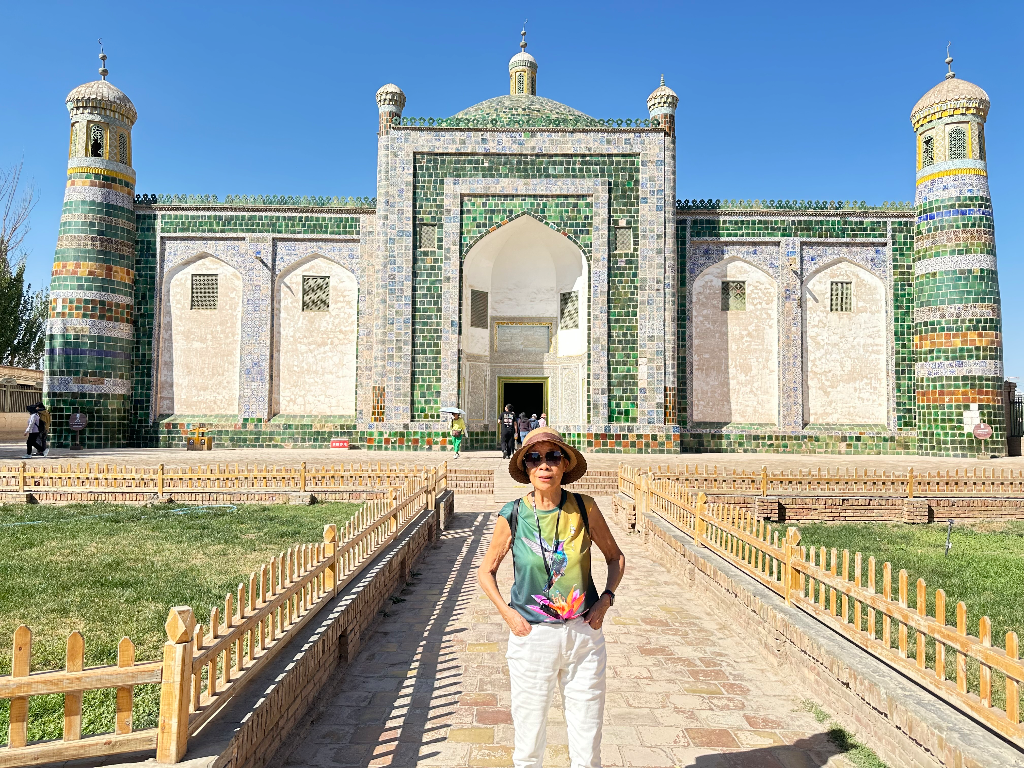
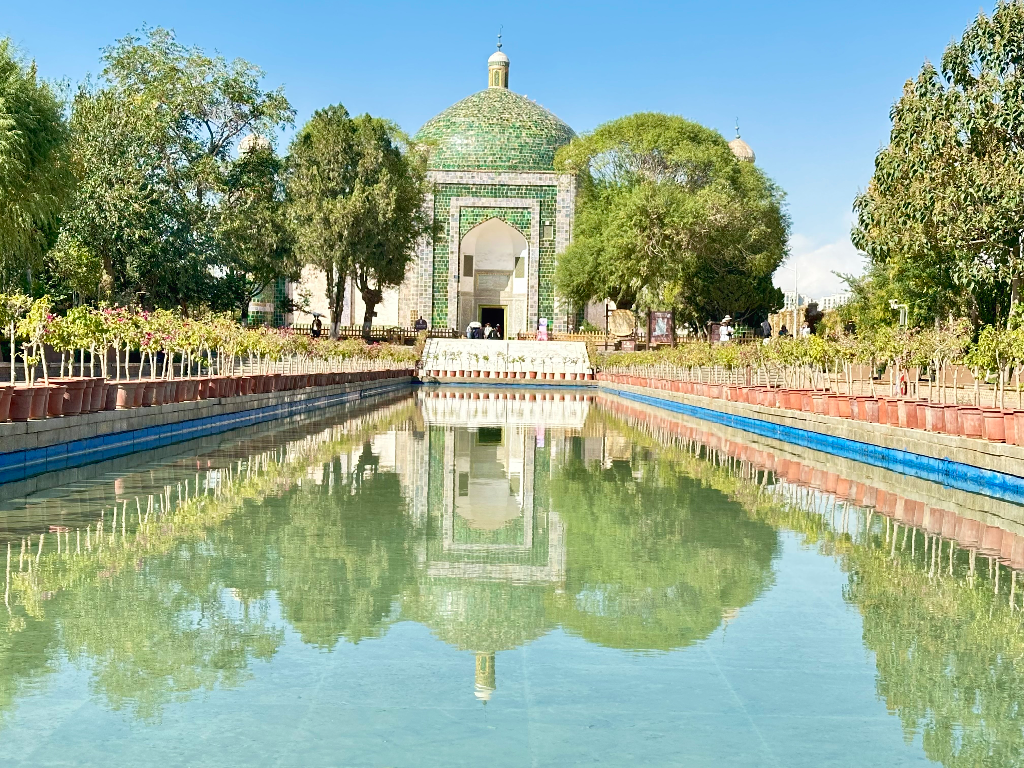
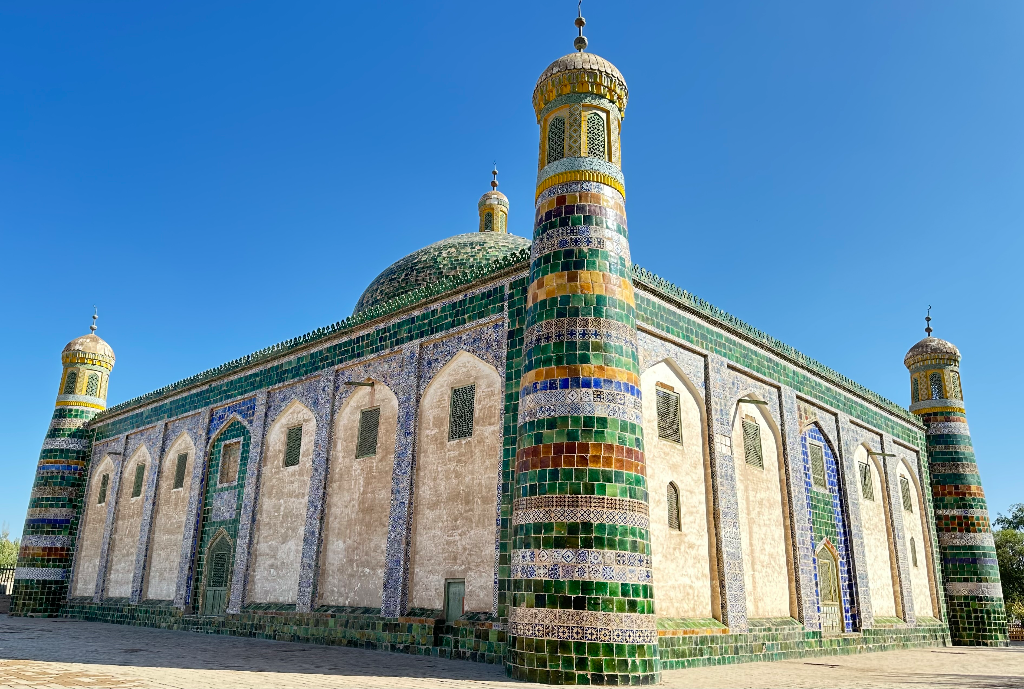
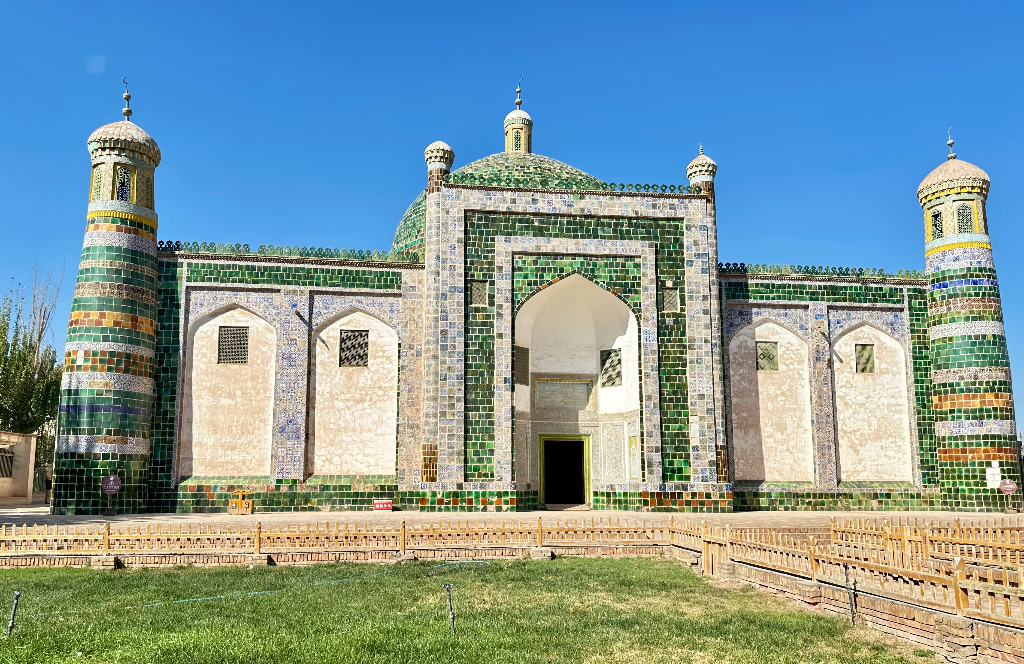
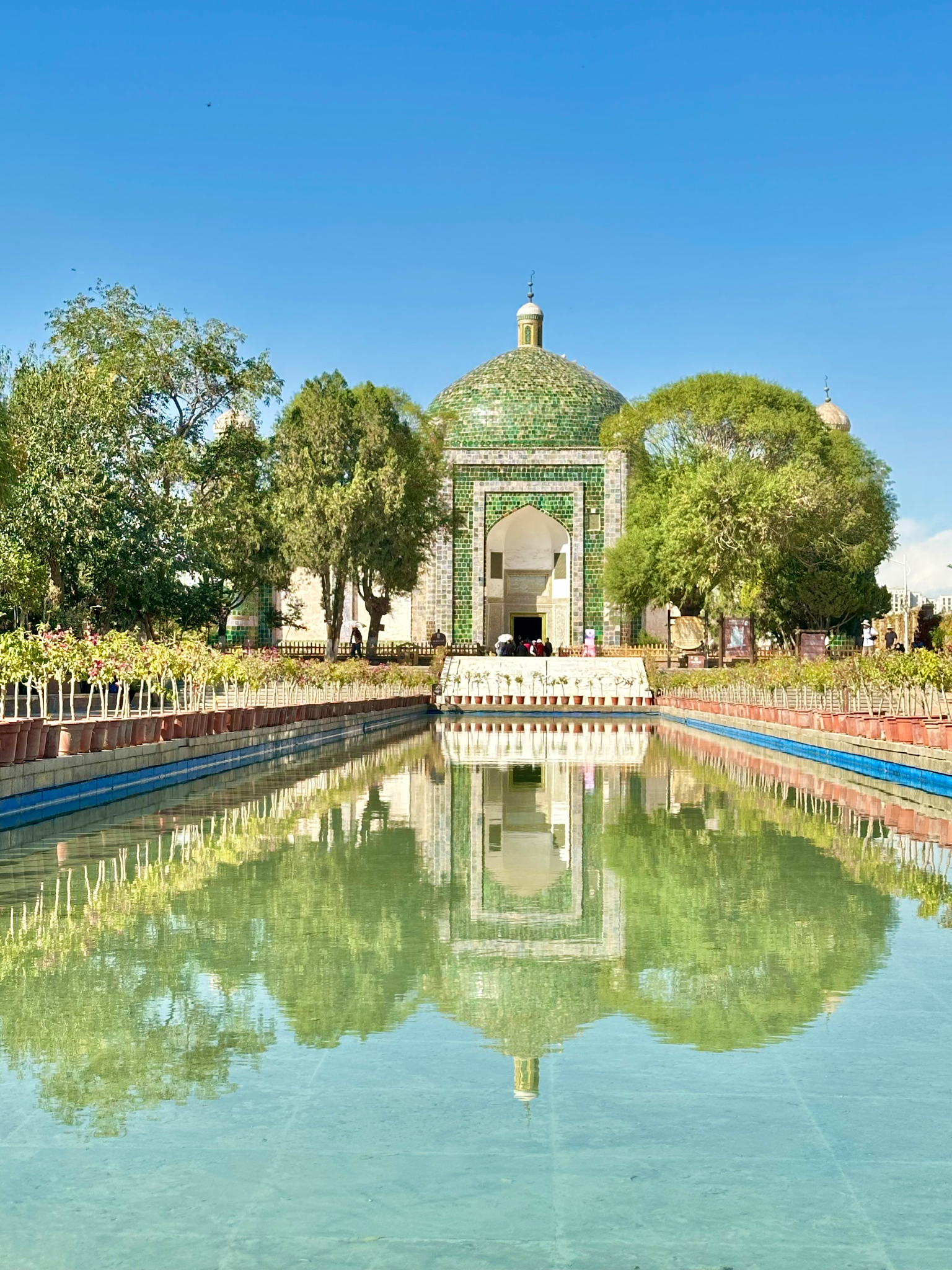
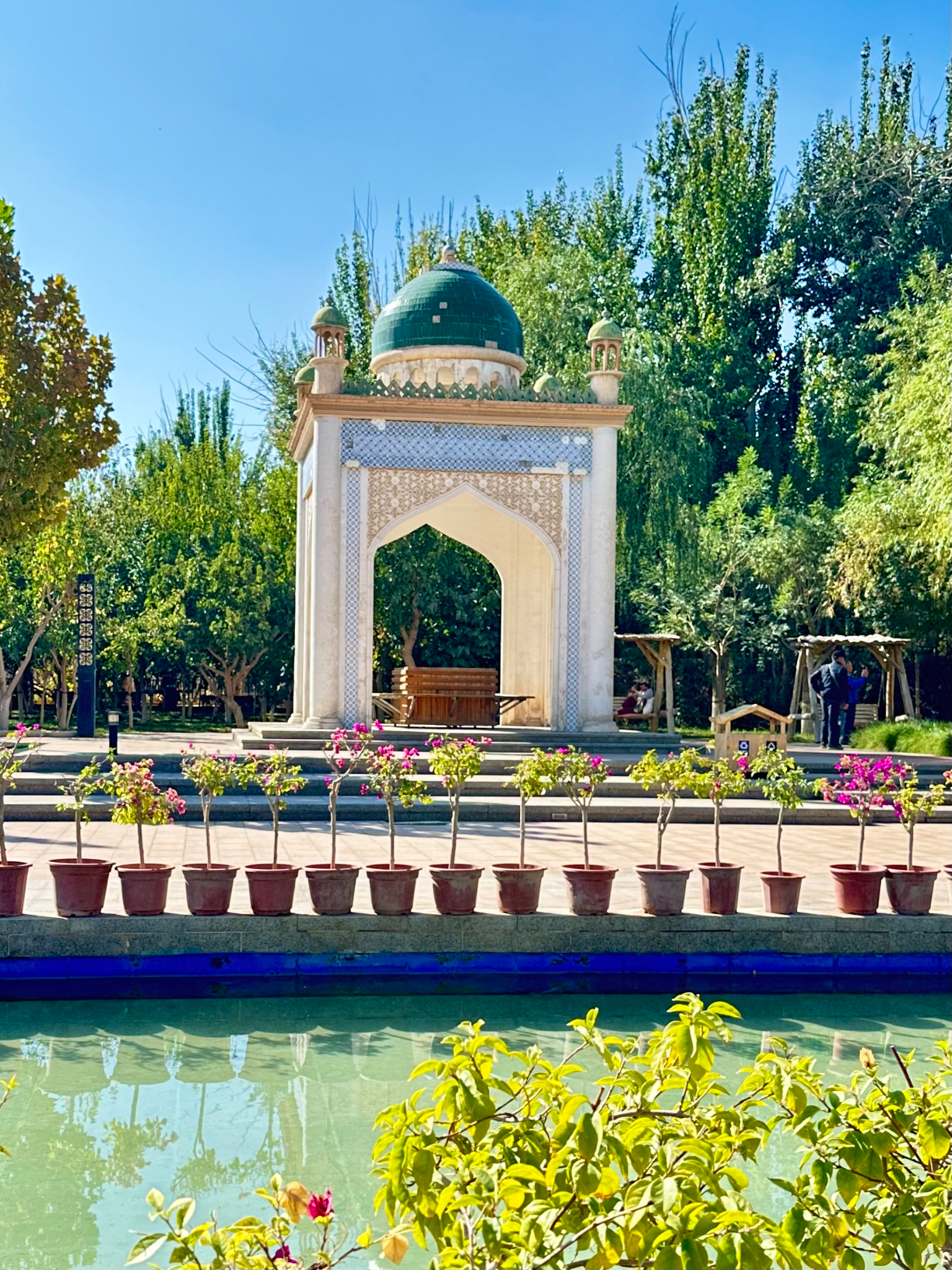
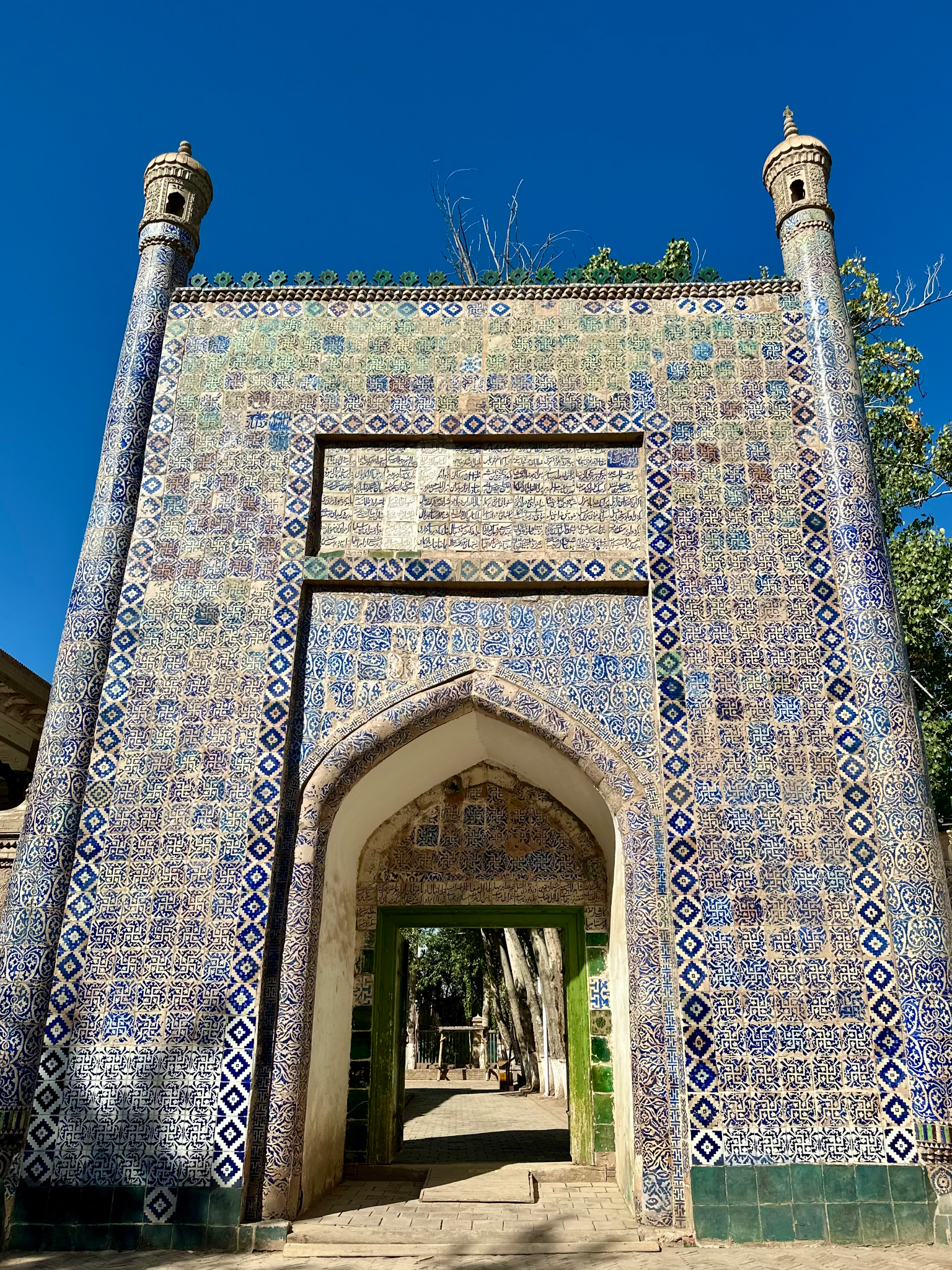
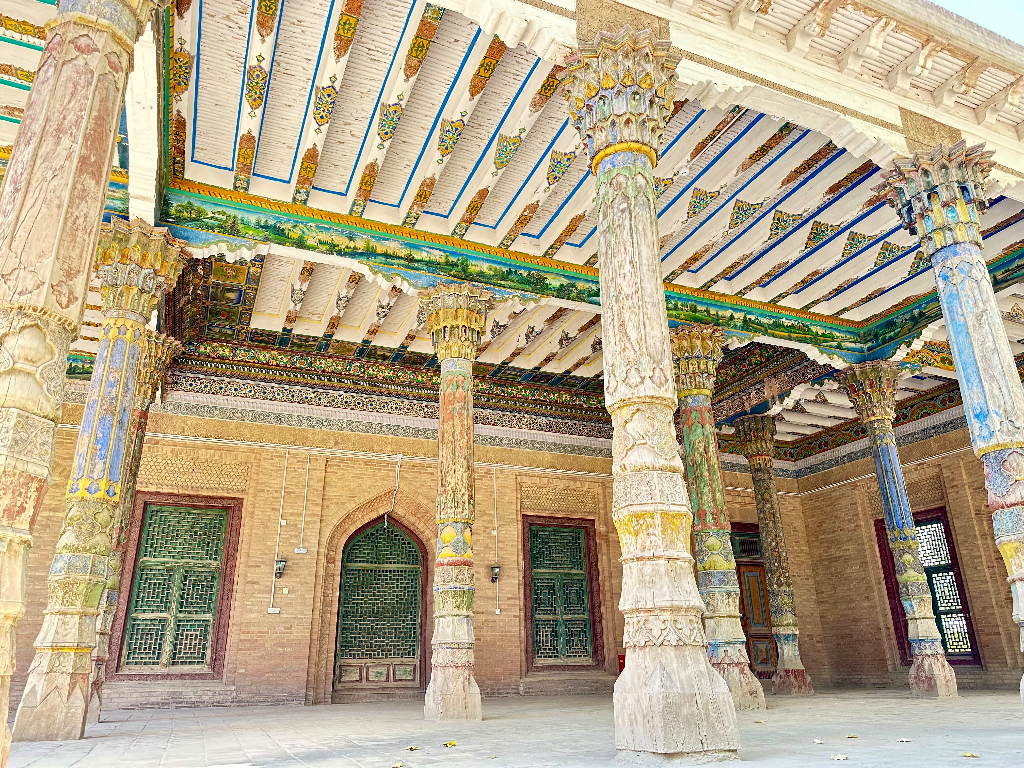
Afaq Khoja Mausoleum
This grand family tomb complex is situated 5 km northeast of Kashgar City. Built around 1640, it’s a masterpiece of Islamic architecture in Xinjiang. It is famous for its large central dome and slender minarets covered in striking emerald-green, blue, and yellow glazed tiles. It’s believed to be the resting place of the legendary Uyghur concubine Iparhan, also known as “the Fragrant Concubine”. She was taken to Beijing as a consort to the Qianlong Emperor in 1760.
Souvenirs of Kashgar