Chapter 2 of China Odyssey 2025
Leshan – a cornerstone of Chinese Buddhist heritage
Shizhong, China
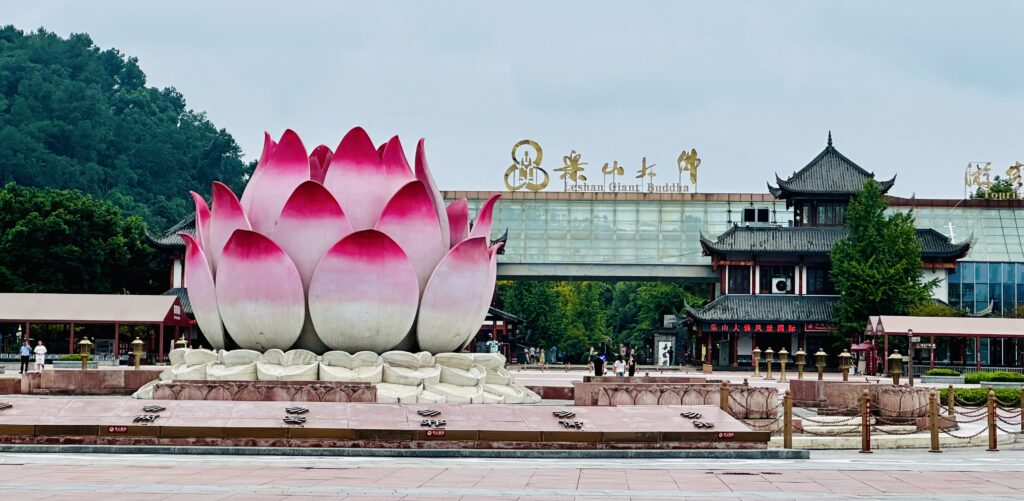
After a few days in Jiuzhaigou, we moved to Leshan.
I had not realised that Leshan is one of the most significant and famous centres of Buddhist culture, history, and pilgrimage in China and the entire world. It’s a place where history is literally carved into the landscape. Buddhists from all over China and Asia have travelled to Leshan for centuries to see the Giant Buddha and to nearby Mount Emei to pray and walk the sacred paths.
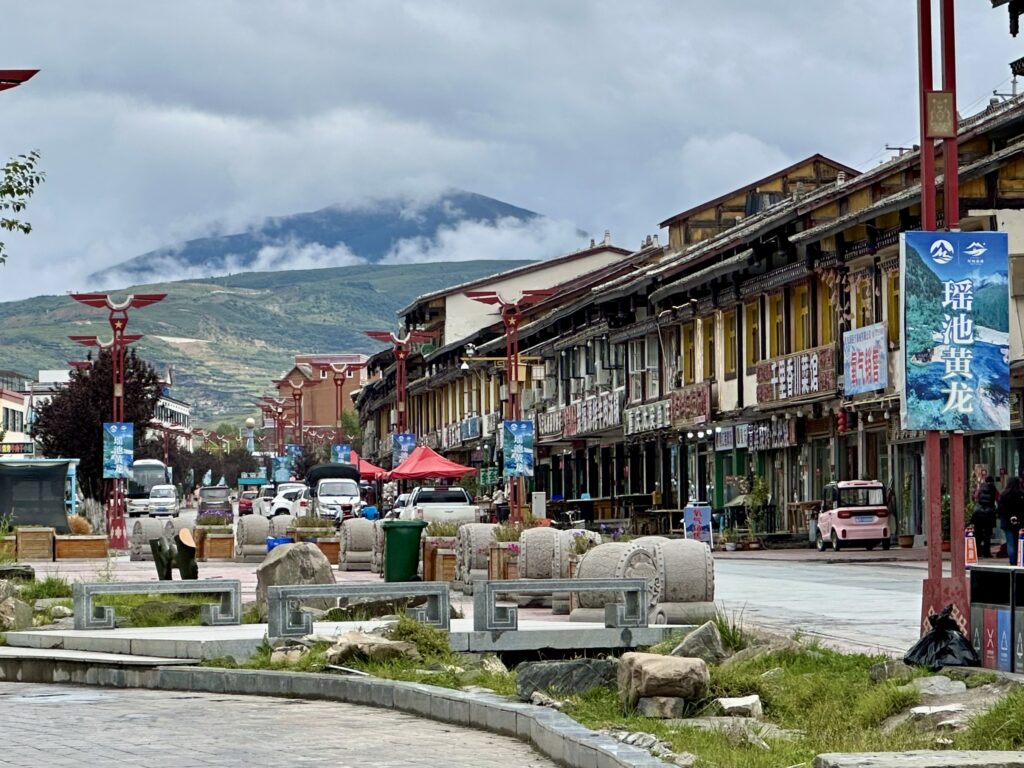
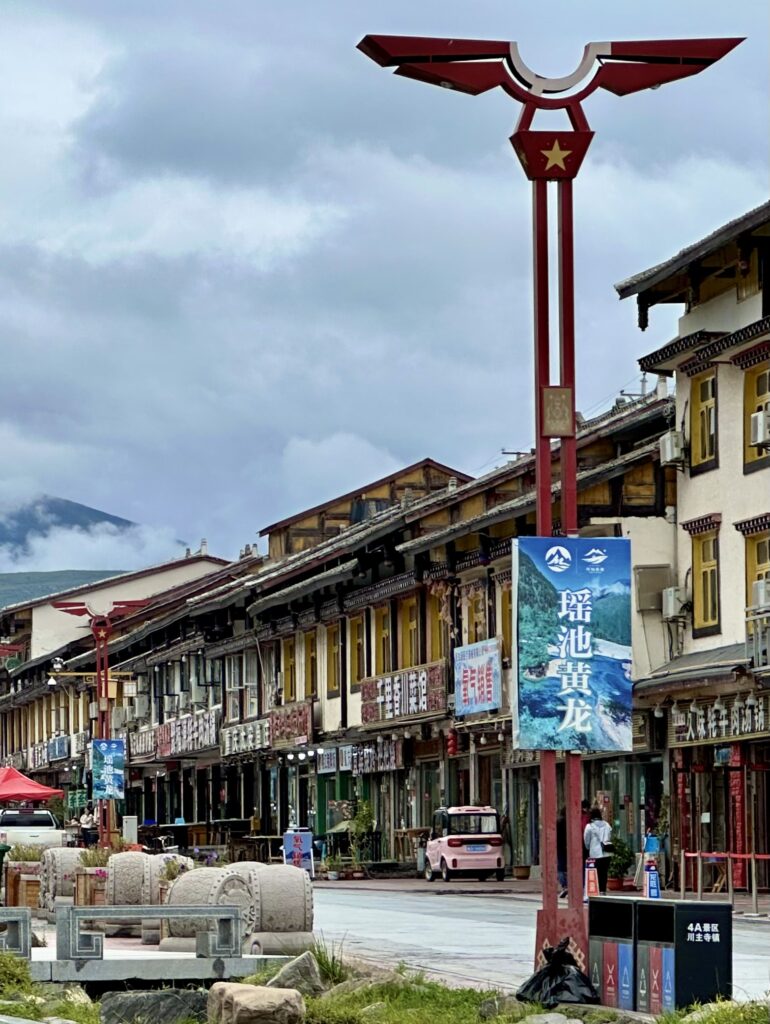
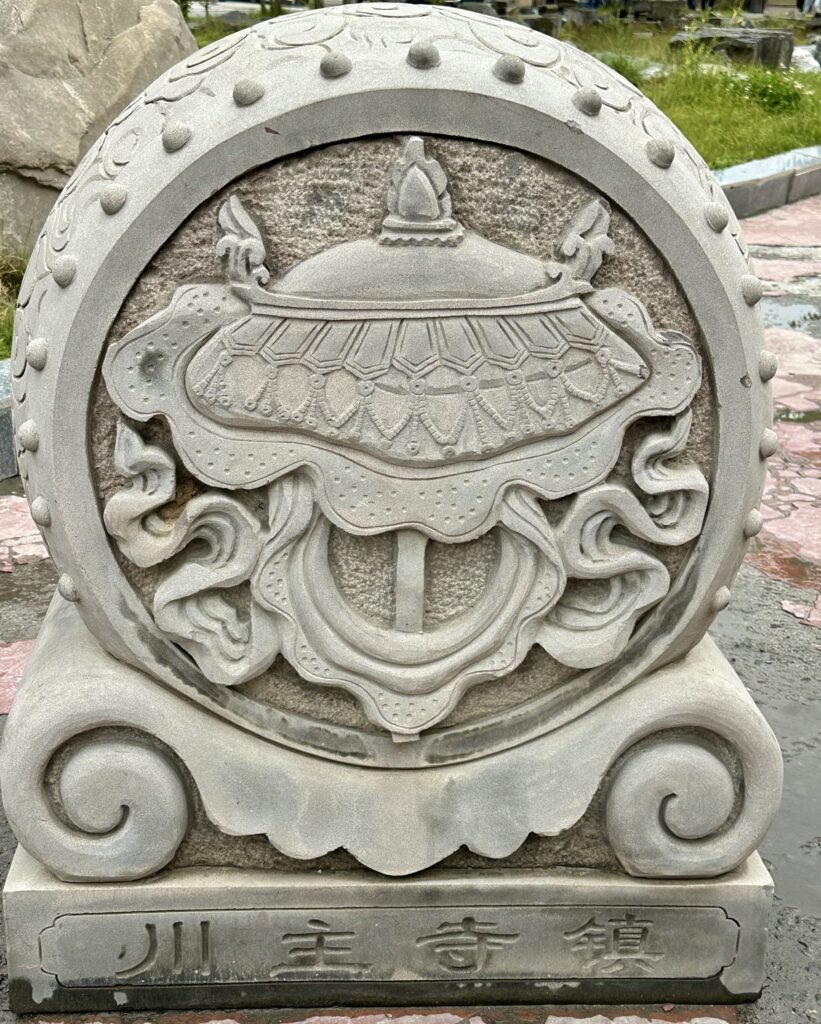
Songpan
On our way from Jiuzhaigou to Leshan, we stopped at this charming village for lunch.
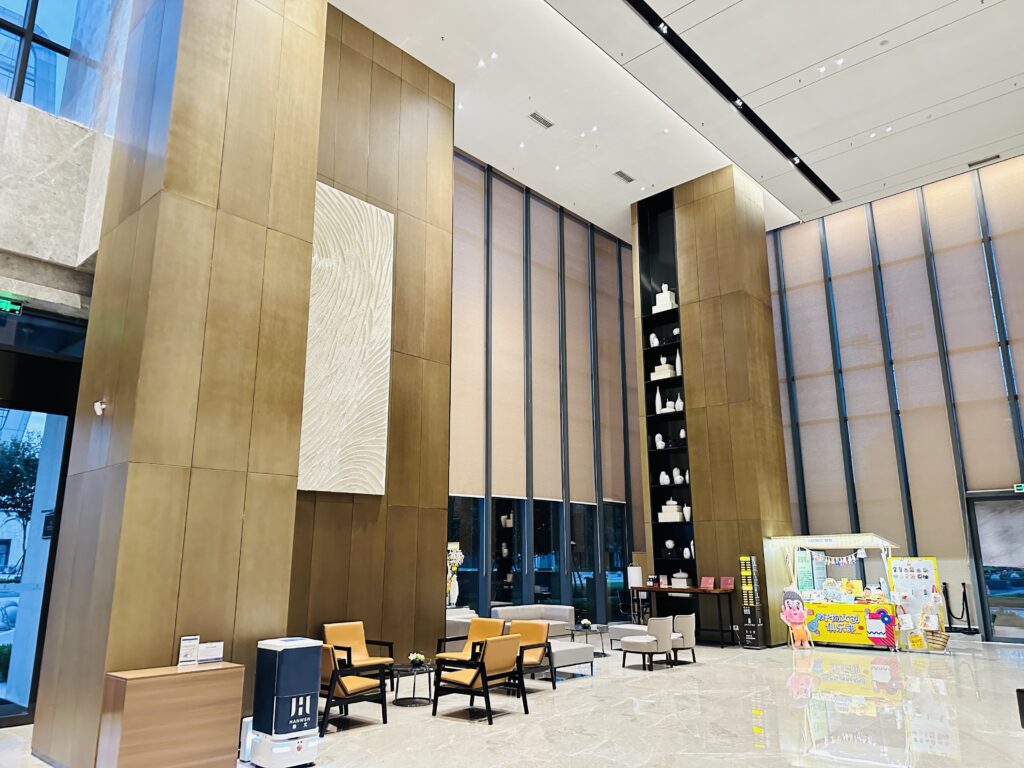
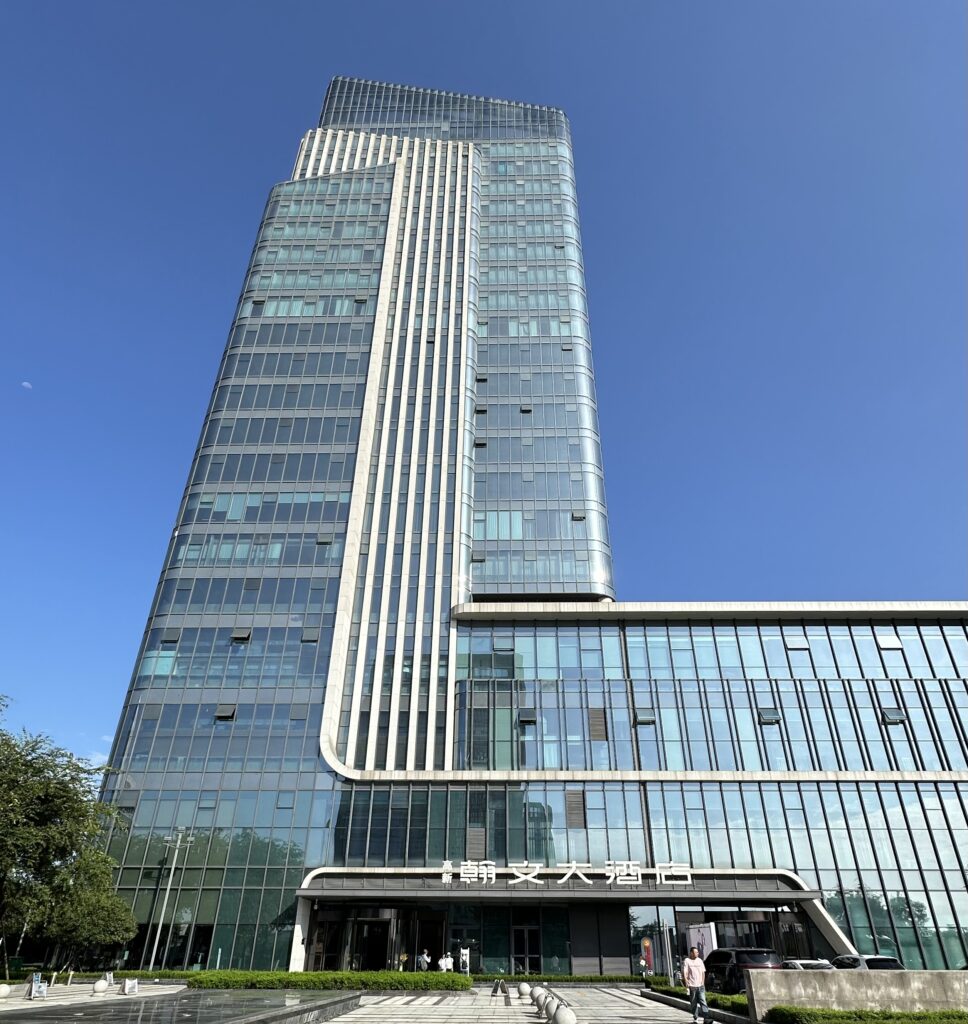
Gaoxin Hanwen Hotel in Leshan
Gaoxin Hanwen Hotel may not be a hotel of an international brand, but the accommodation and services were exemplary! After a day’s travelling it was good to retreat to the comfort of the hotel.
Leshan
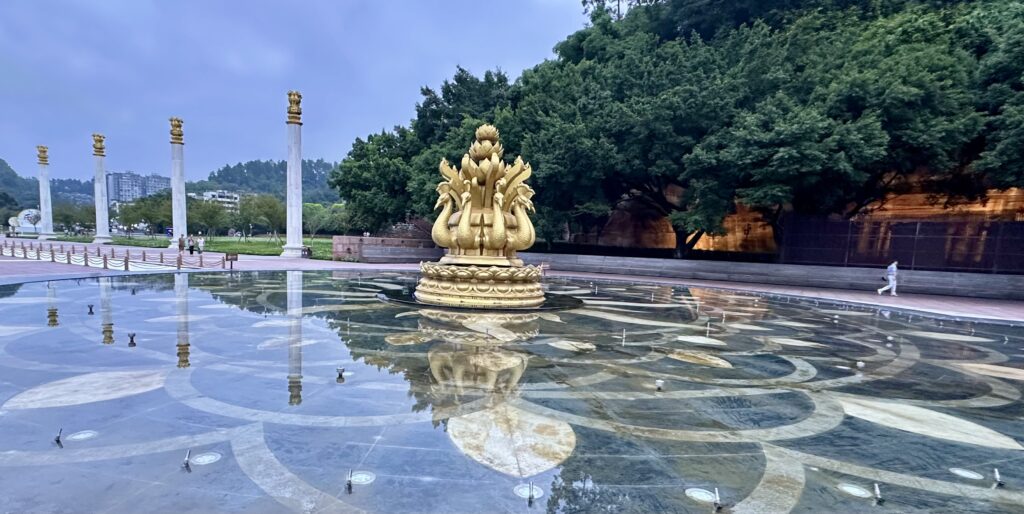
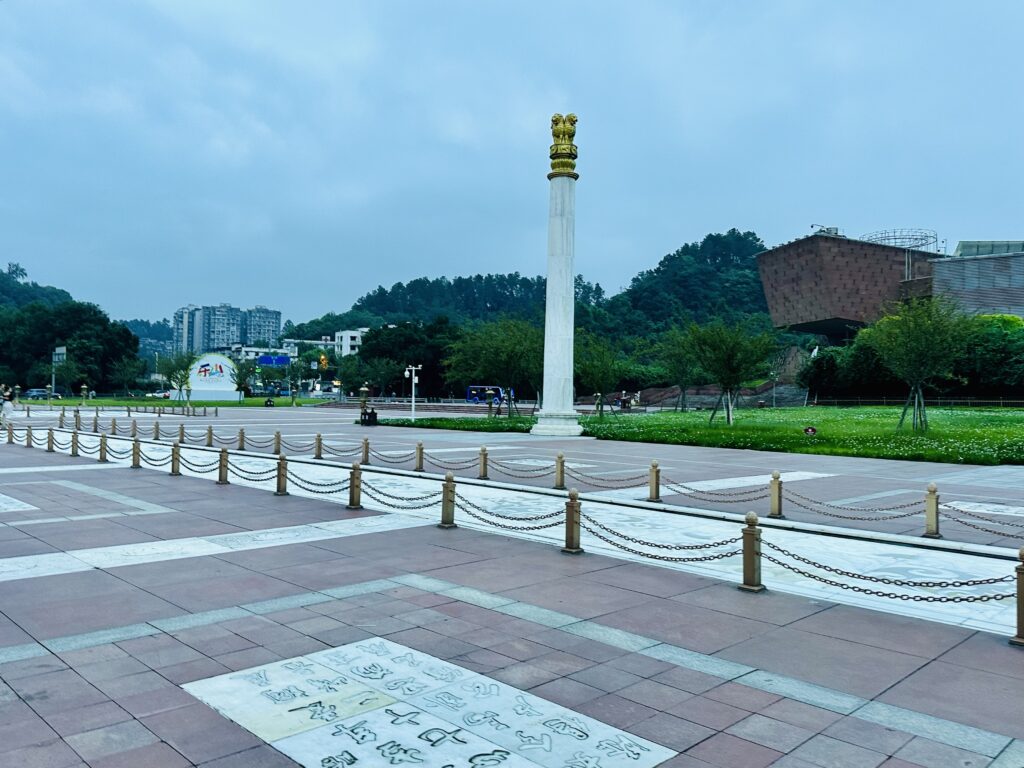
Leshan is also a modern city but not an obvious tourist hub. I loved the huge square where families strolled around to enjoy their laid-back everyday life
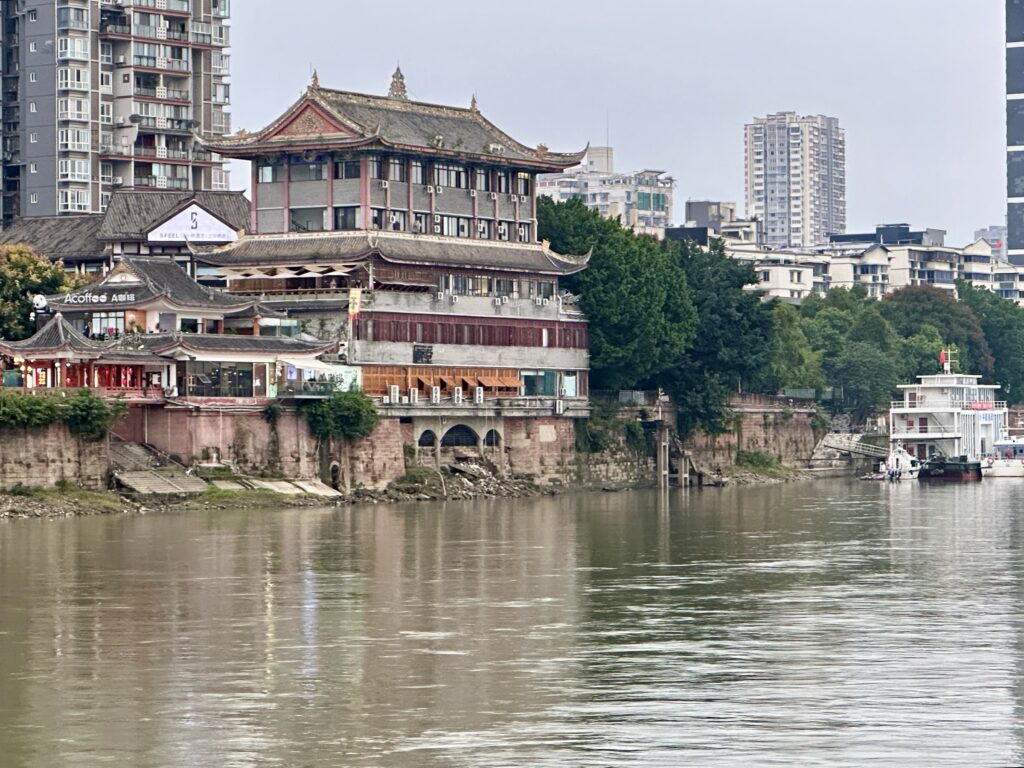
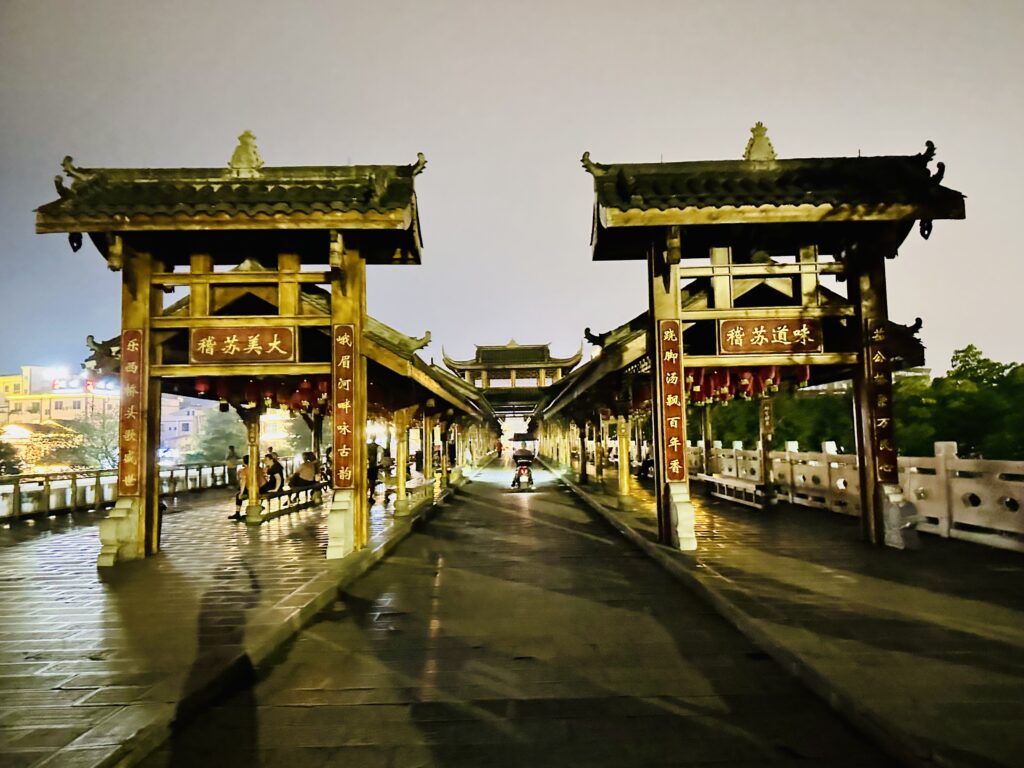
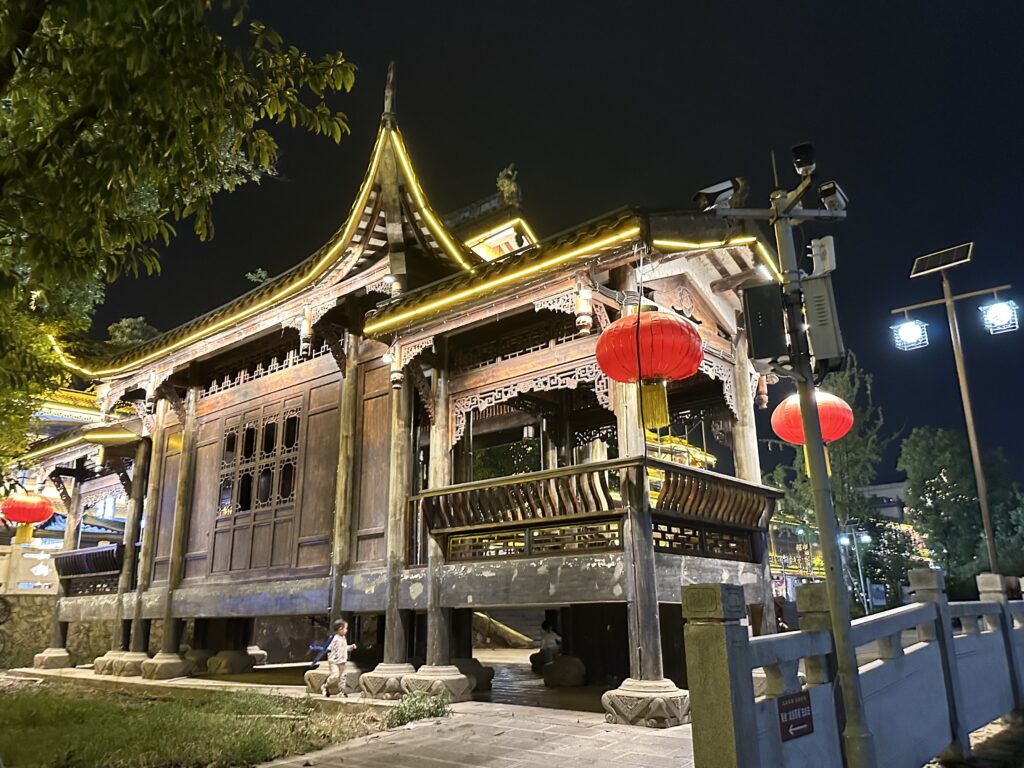
Suji Ancient Town at night
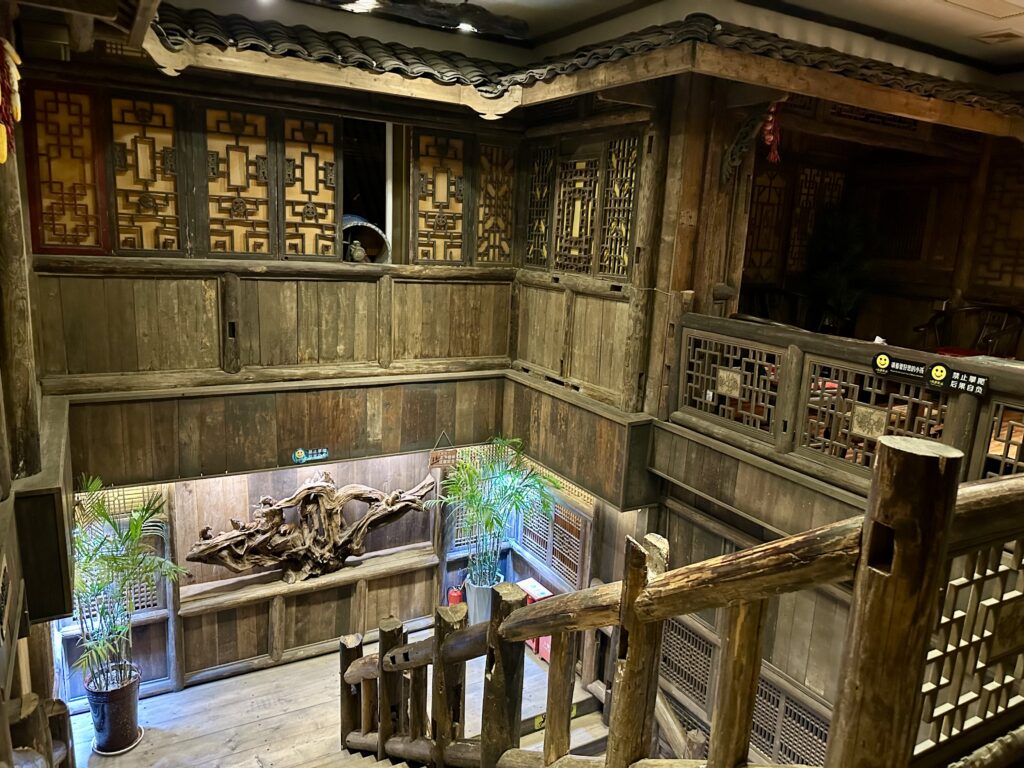
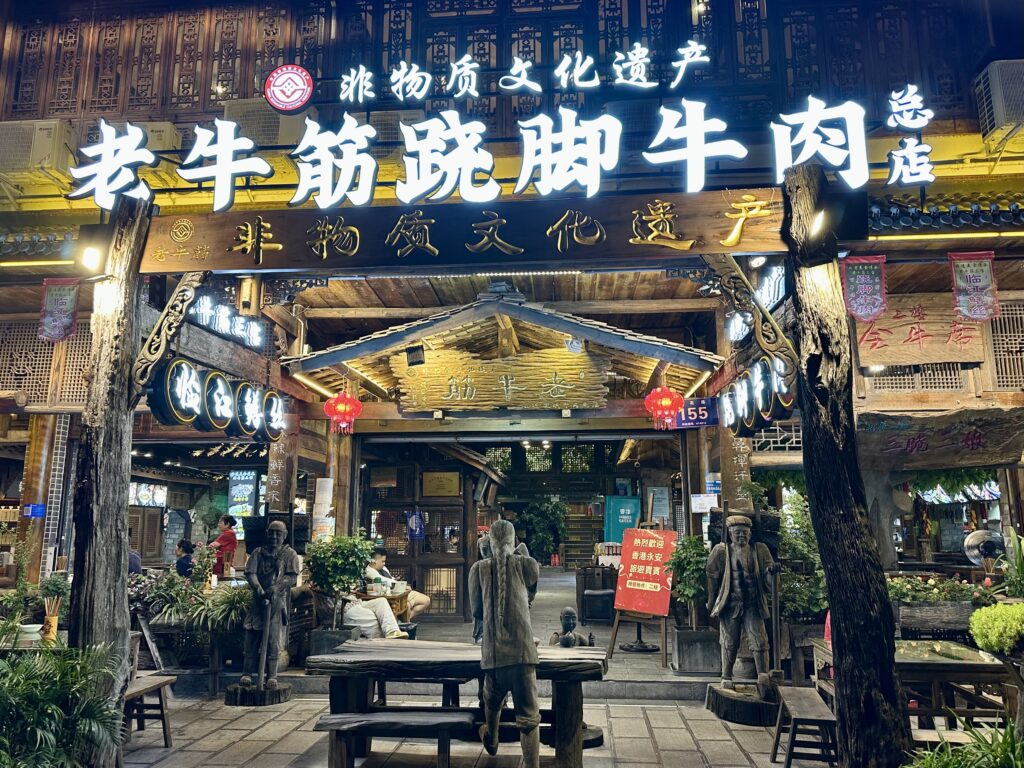
Suji is a historic cultural town in Leshan. It’s known as the birthplace of Qiaojiao Beef (跷脚牛肉), a “national intangible cultural heritage delicacy”. Apparently, this dish gets its name from the way diners would sit and eat it, with one leg propped on a bar under the table. I don’t quite get it, but it’s a good yarn!
Anyway, we had dinner at this charming old town where eateries are housed in historic buildings
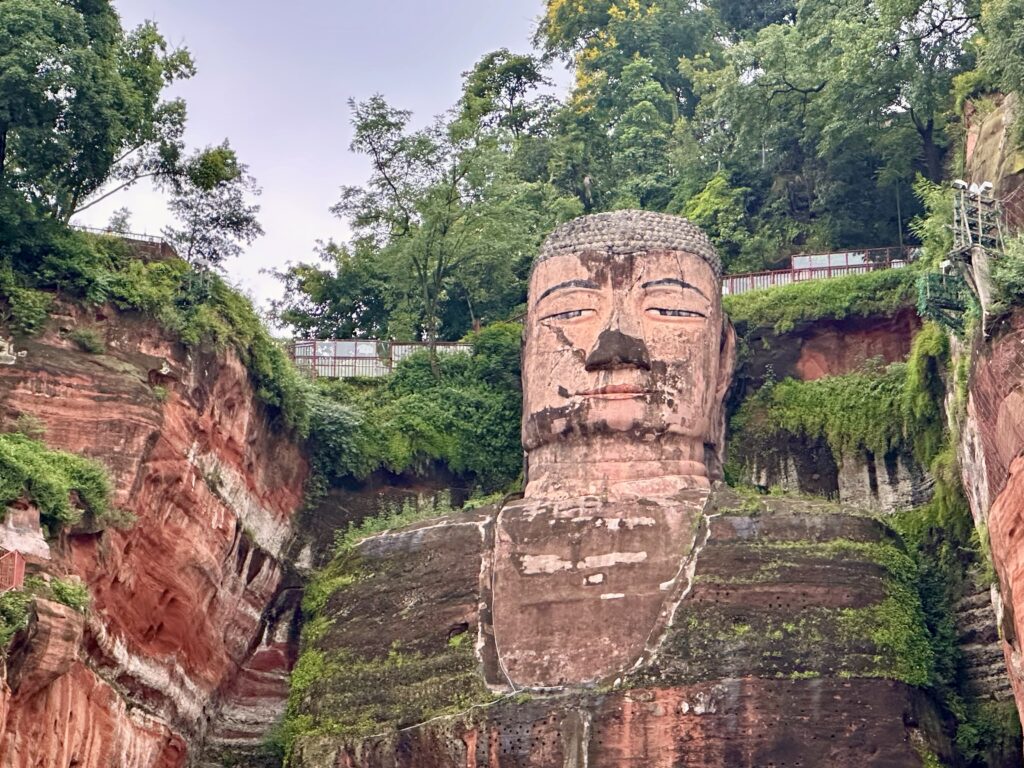
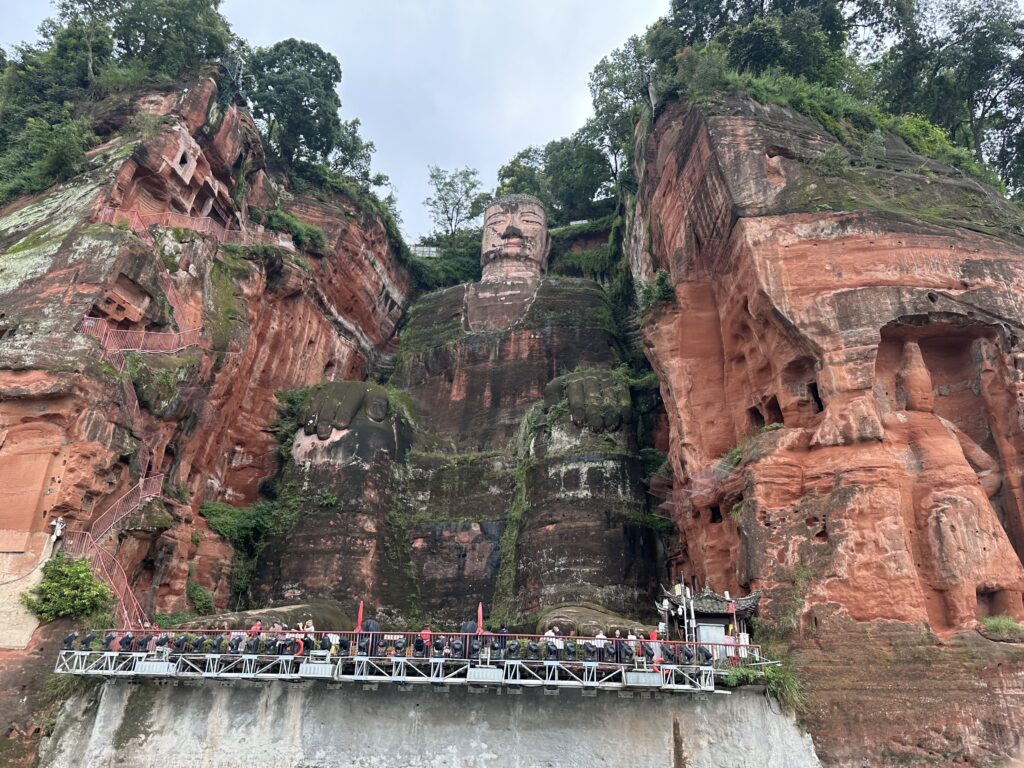
The Leshan Giant Buddha (乐山大佛)
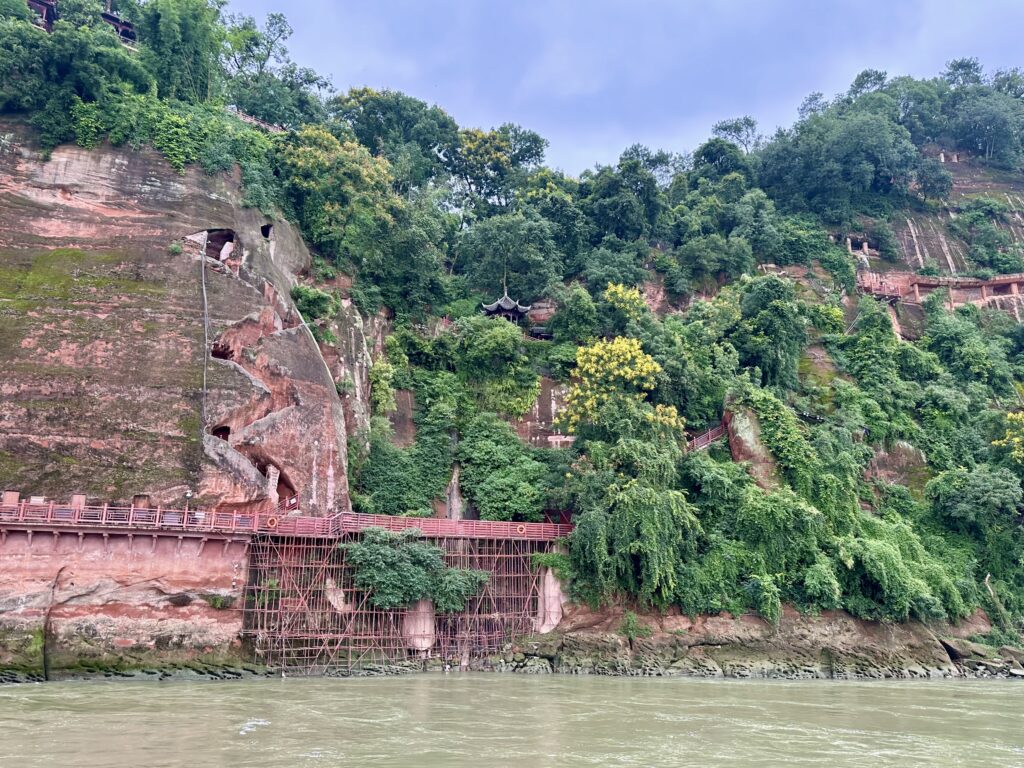
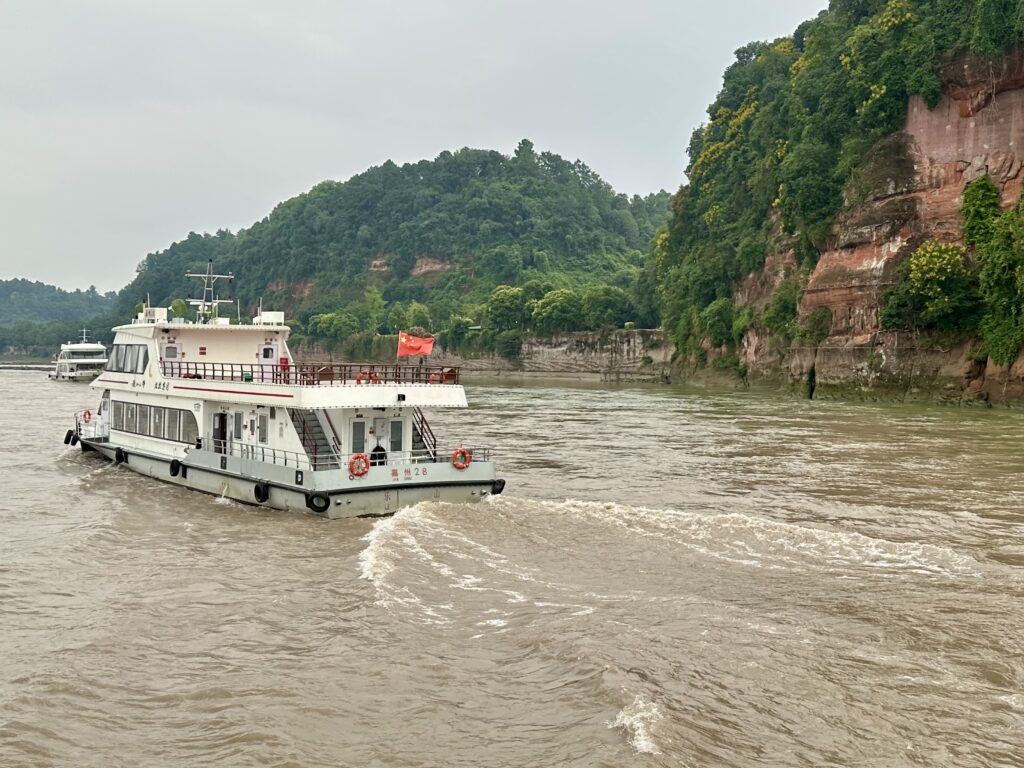
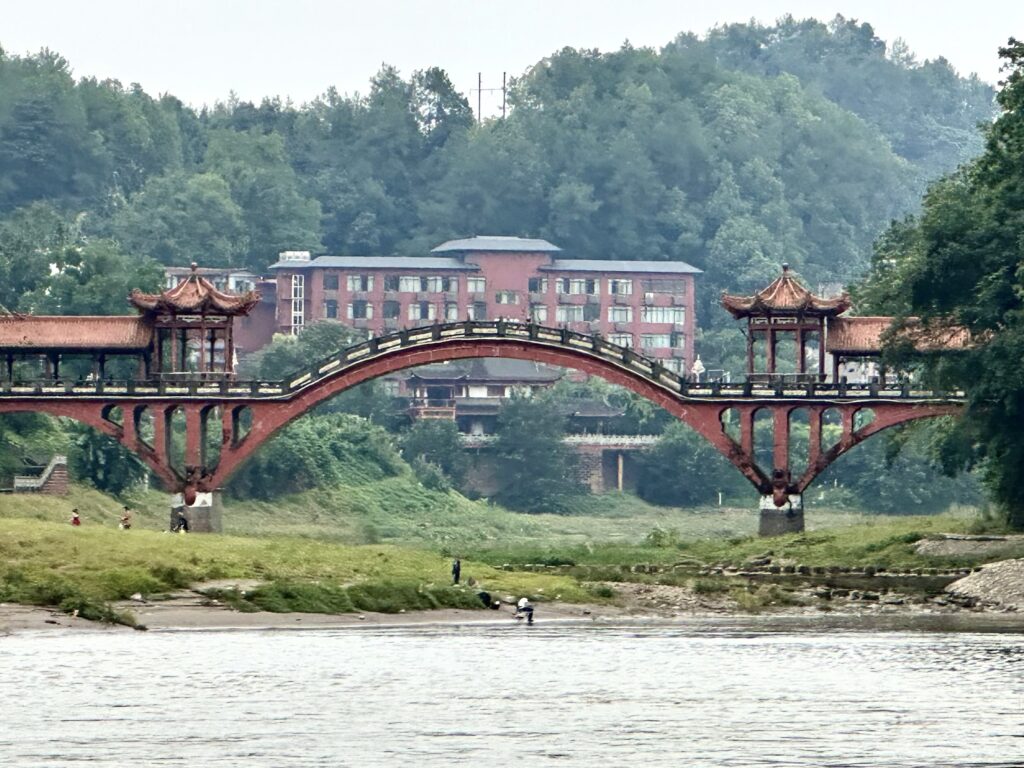
This is the primary reason for Leshan’s fame. Carved into a cliff face at the confluence of the Minjiang, Dadu, and Qingyi rivers, it is the largest stone Buddha statue in the world. Its construction began in 713 AD during the Tang Dynasty and took nearly 90 years to complete. It’s best viewed from the river on a short river cruise
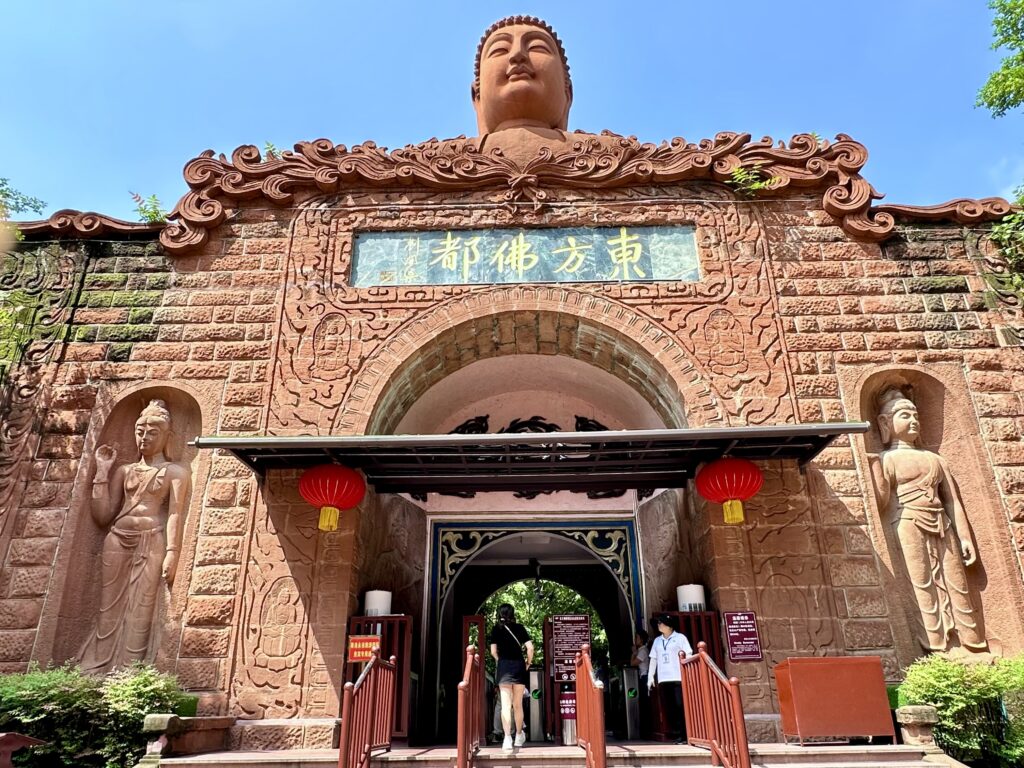
Oriental Buddha City
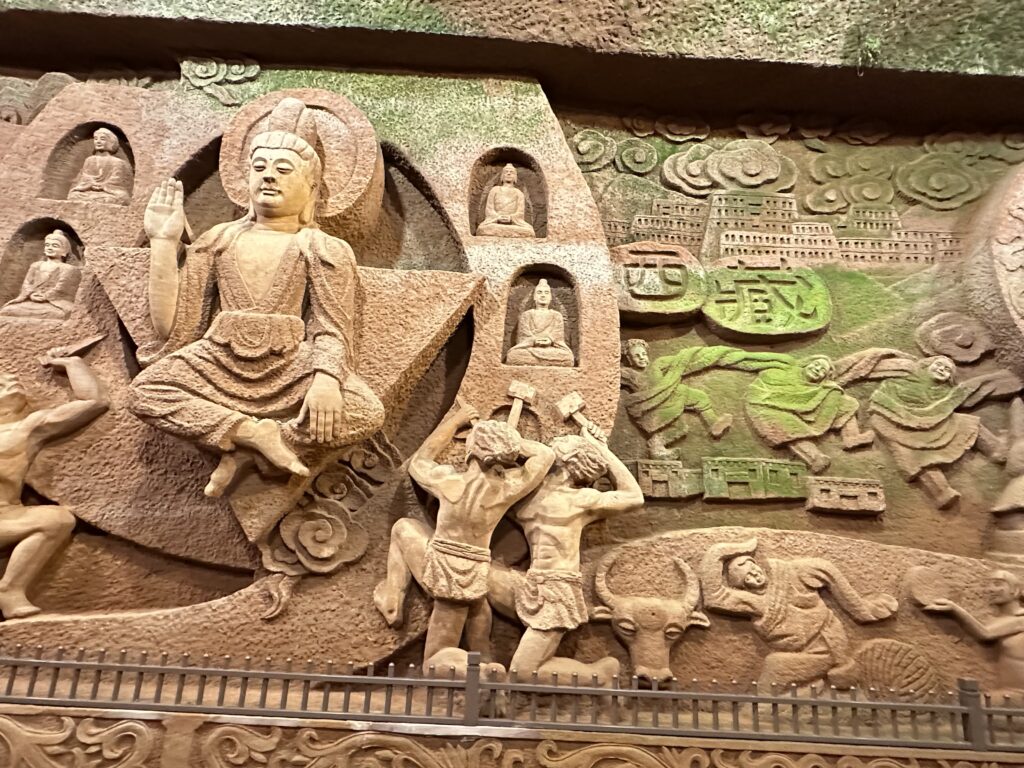
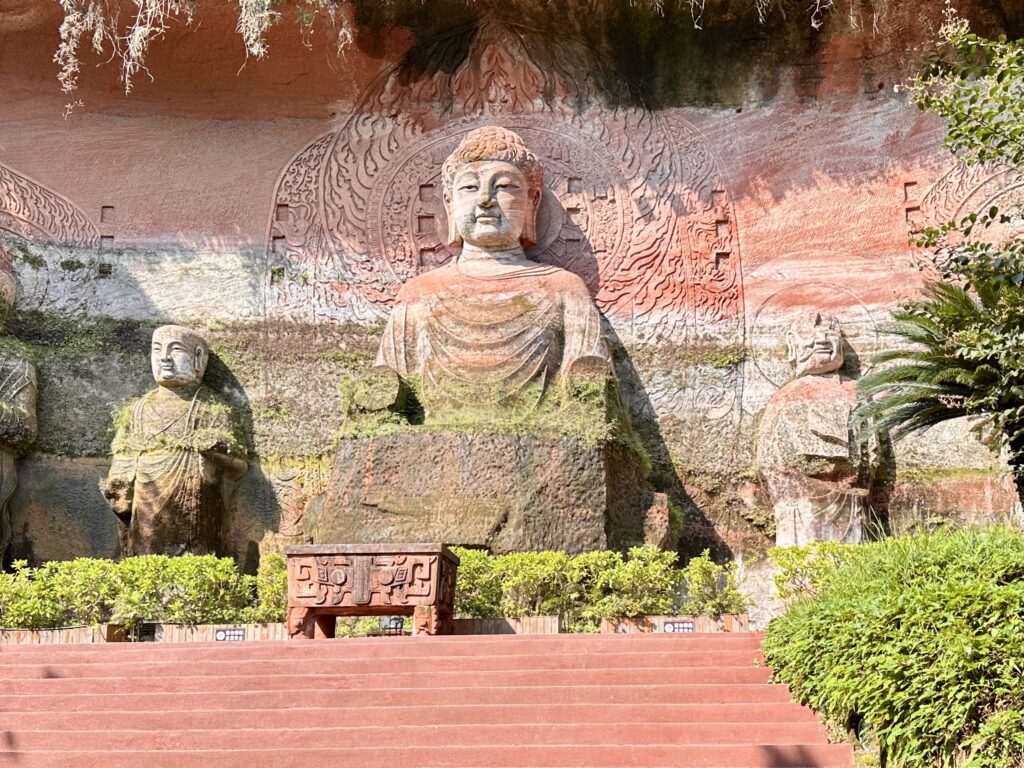
It’s a treasure house of Buddha sculpture art which brings together more than 5,000 Buddha sculptures of different forms!
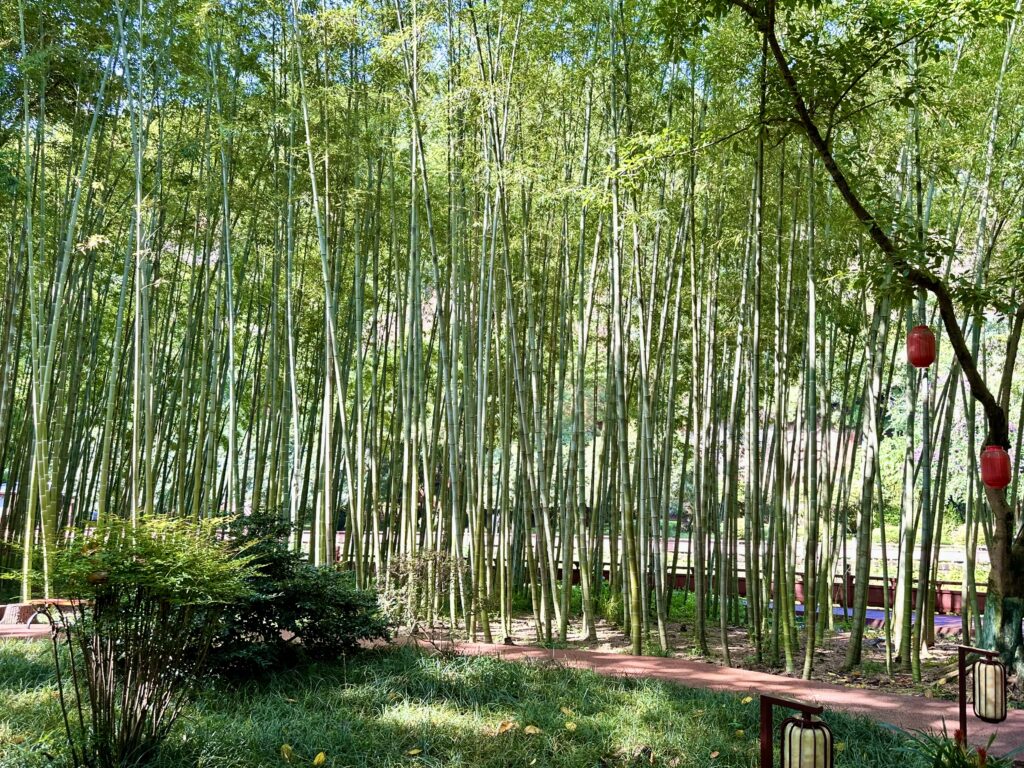
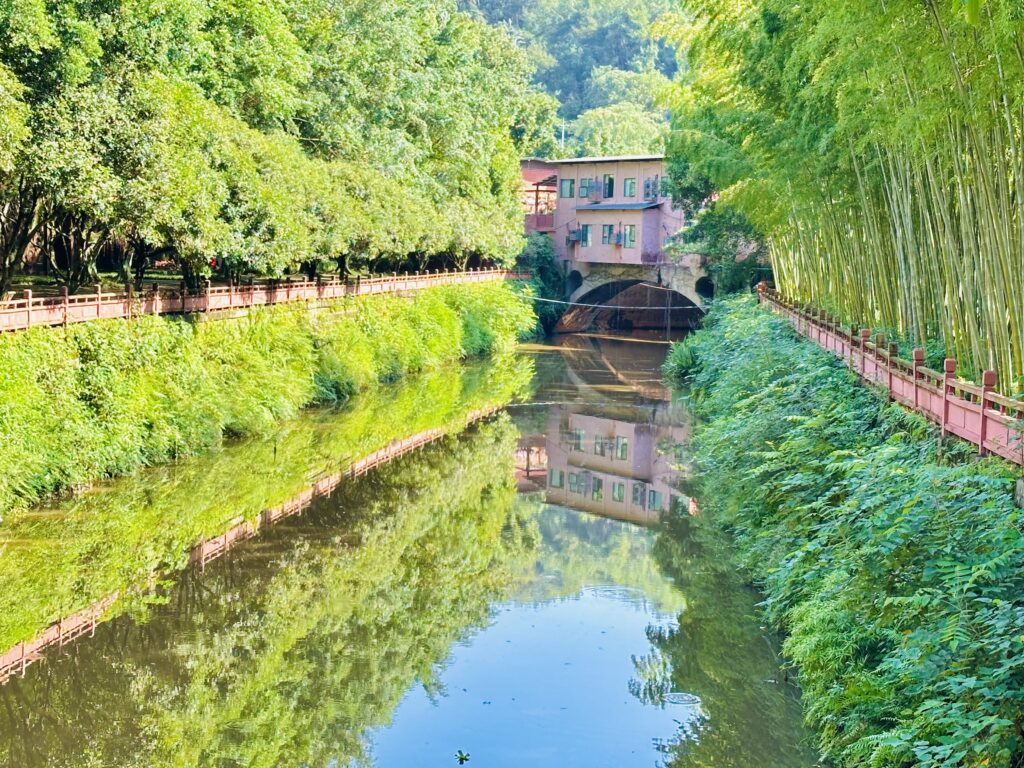
It can easily take the best part of a day to go round this complex as there’s so much to see – trees, pavilions, temples, grottoes with beautiful intricate carvings…
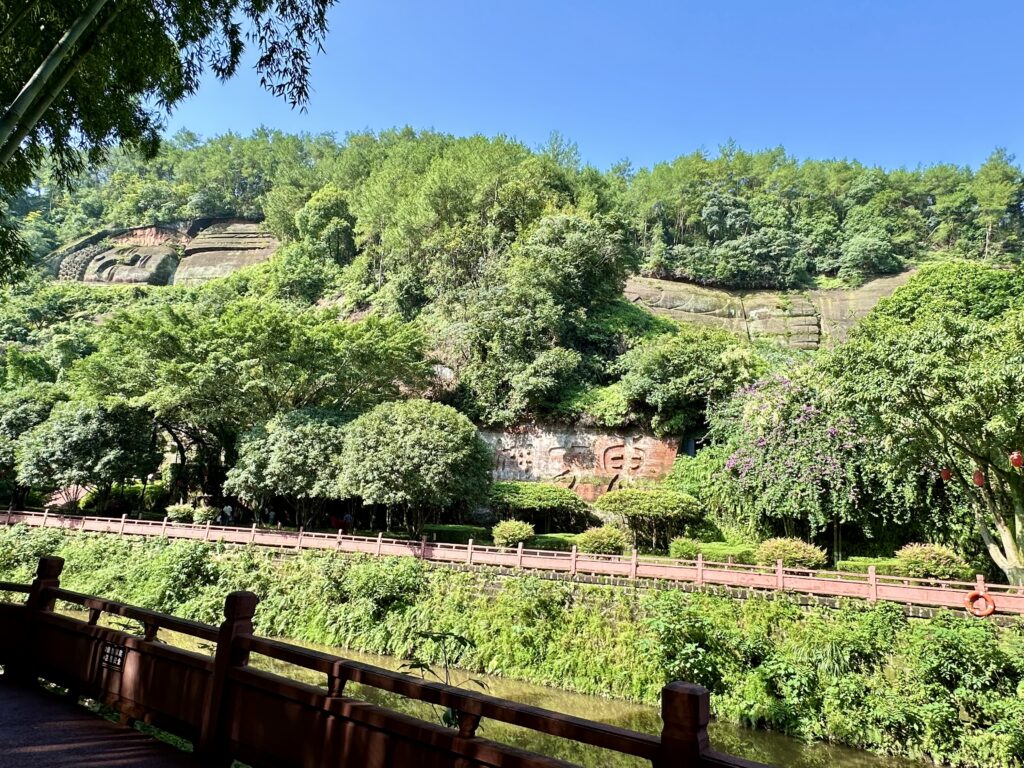
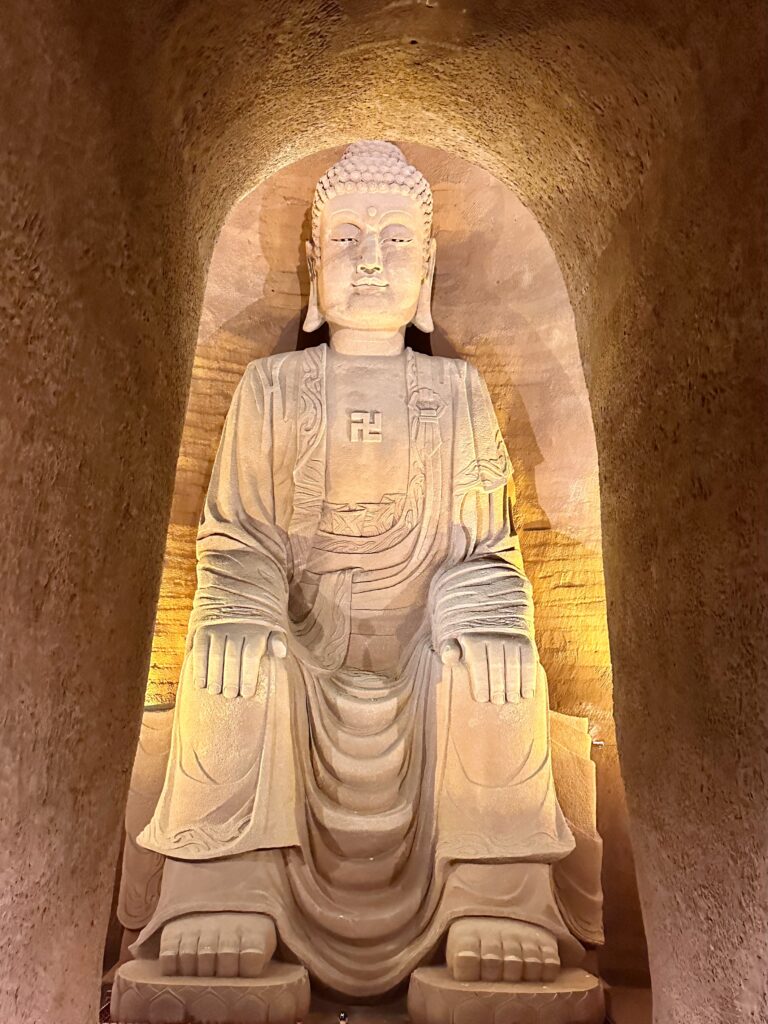
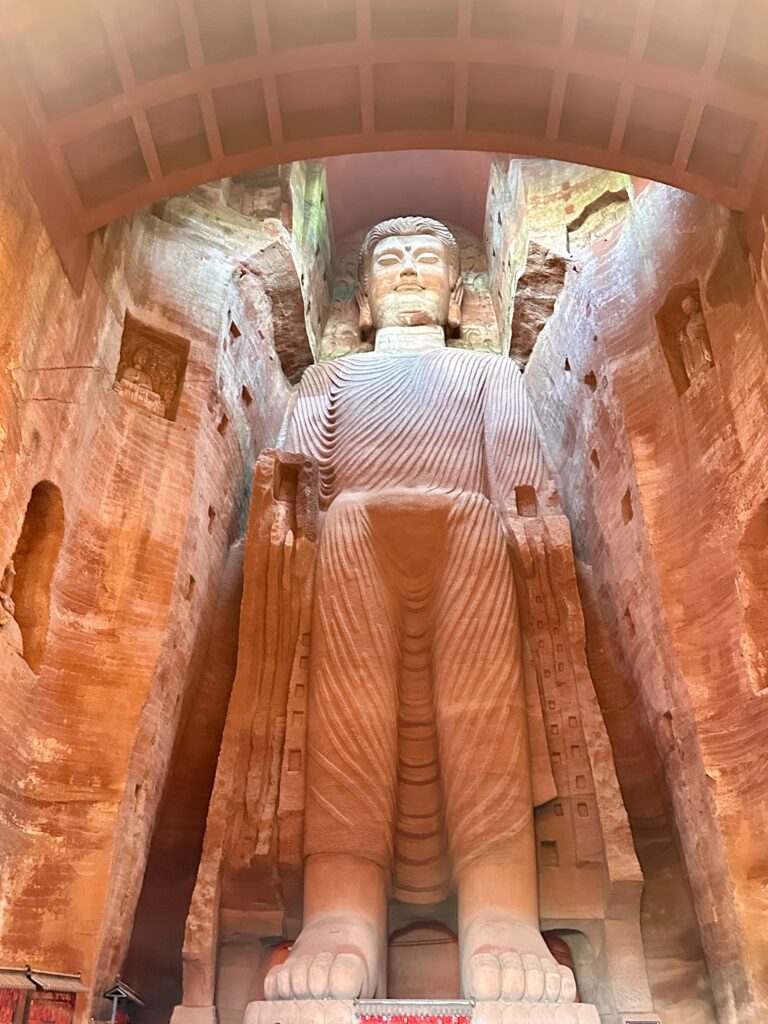
The underground palace
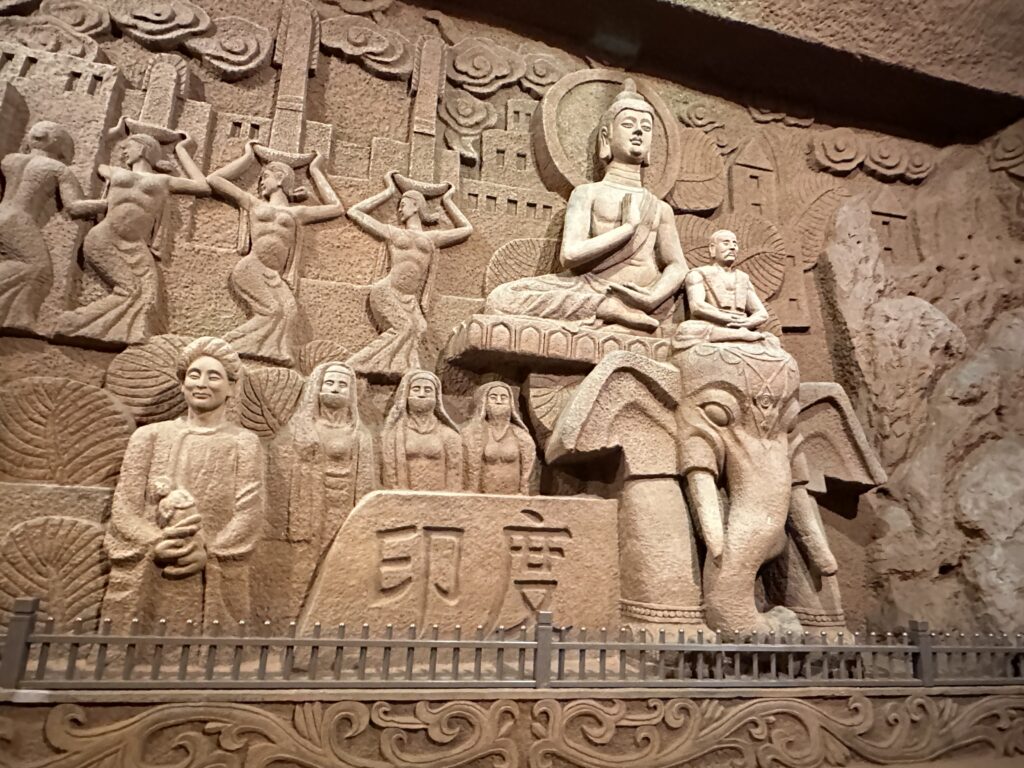
The underground palace is a group of Buddha statues in the cave including a 33-metre-high Sitting Buddha statue and a 51-metre-high Medicine Buddha statue, the tallest in China. Each statue has an interesting story attached to it. It could take hours to study them all!
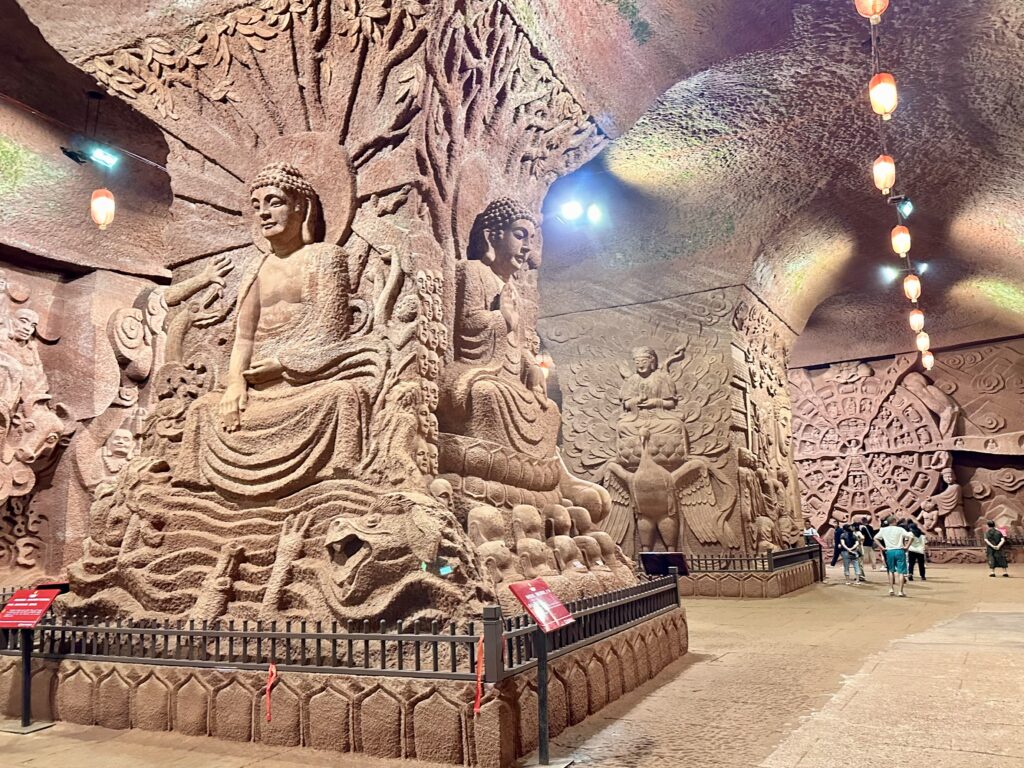
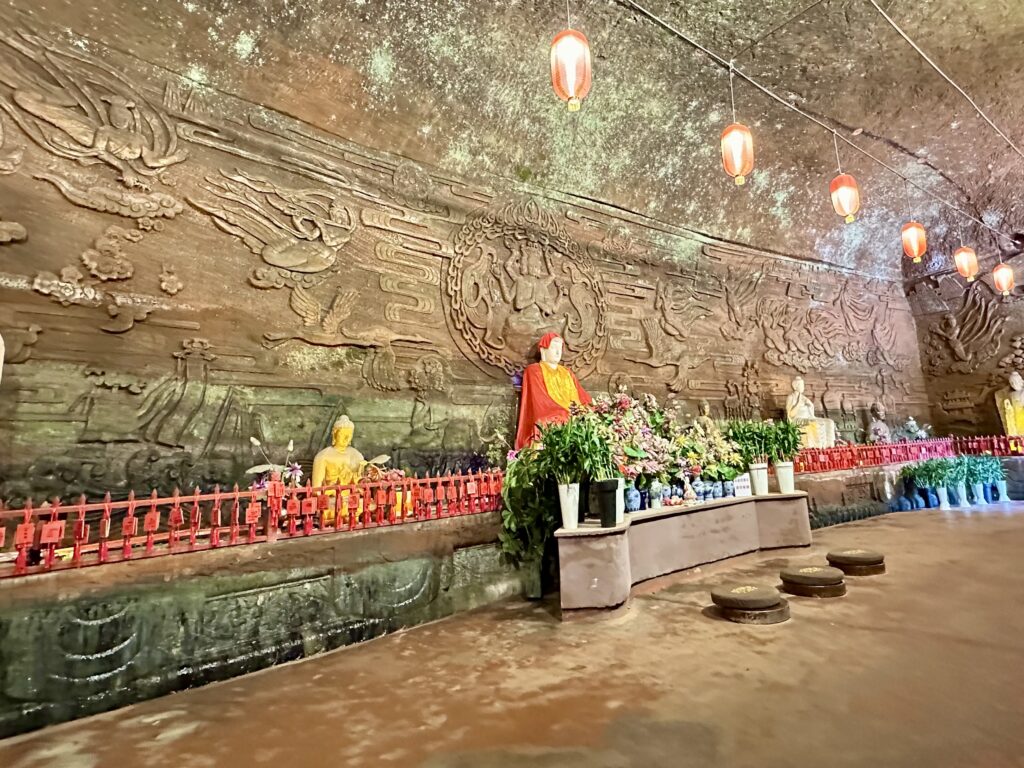
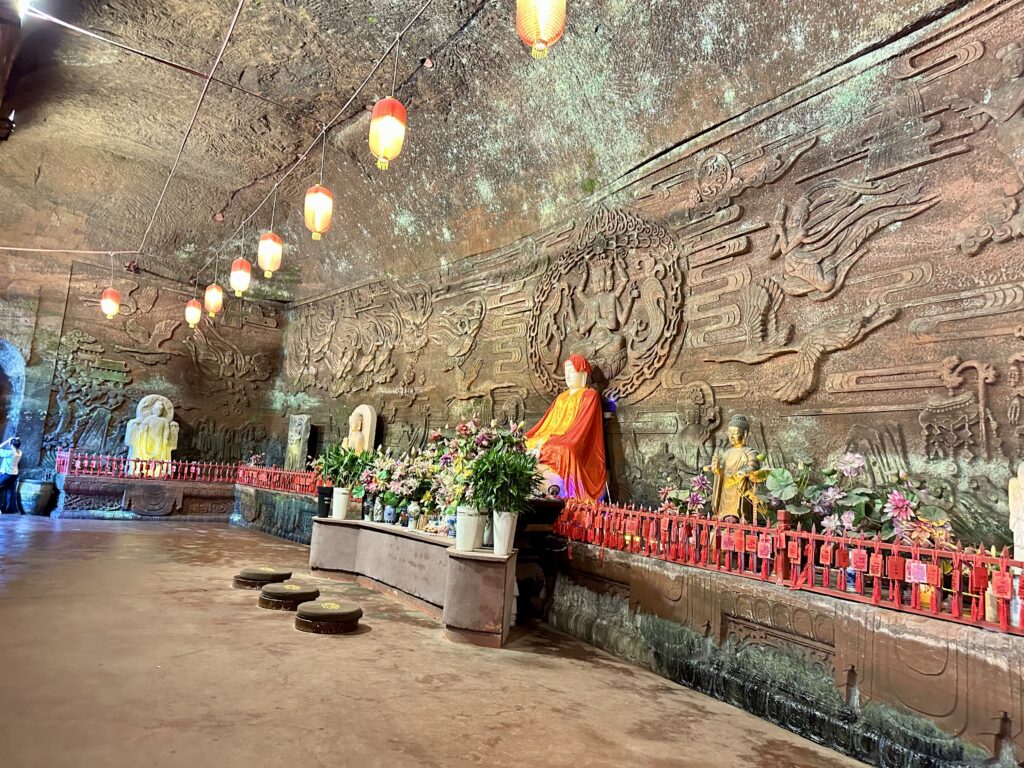
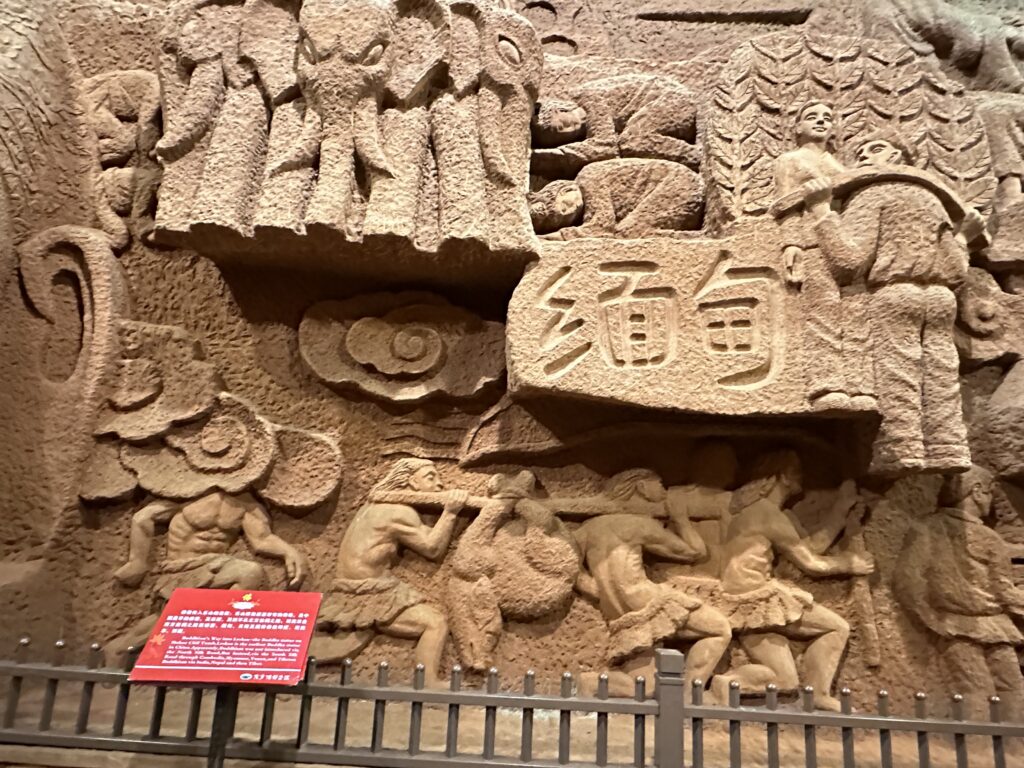
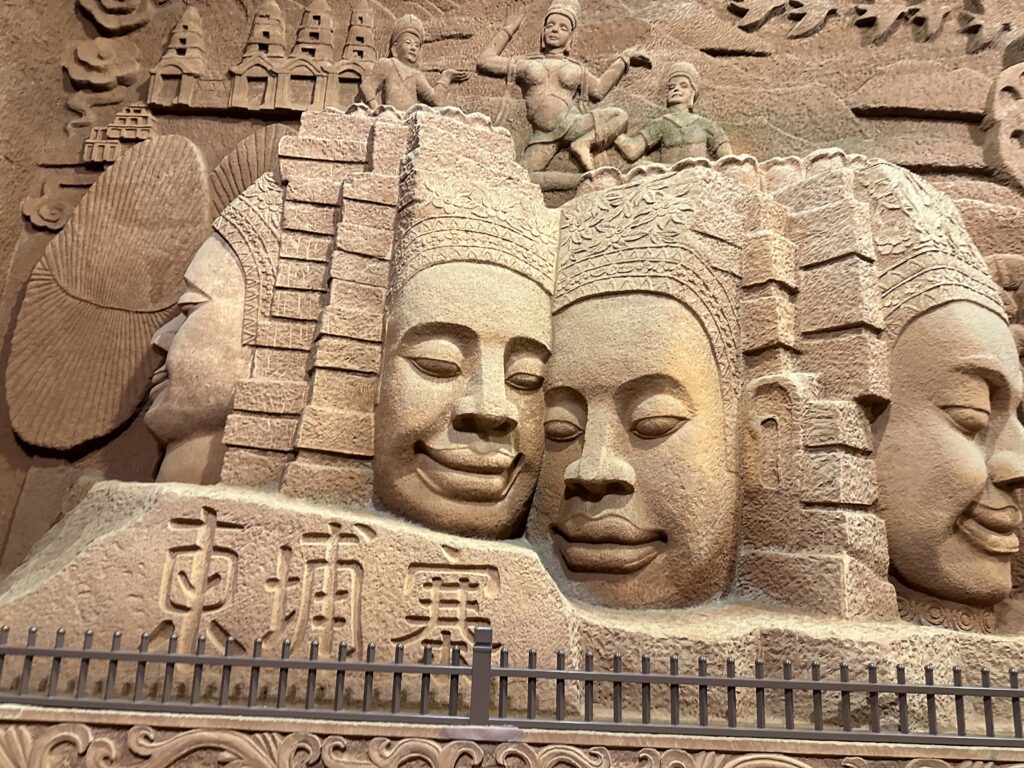
Buddhist deities from other areas: Myanmar, Cambodia, Tibet and India.
Emeishan (峨眉山)
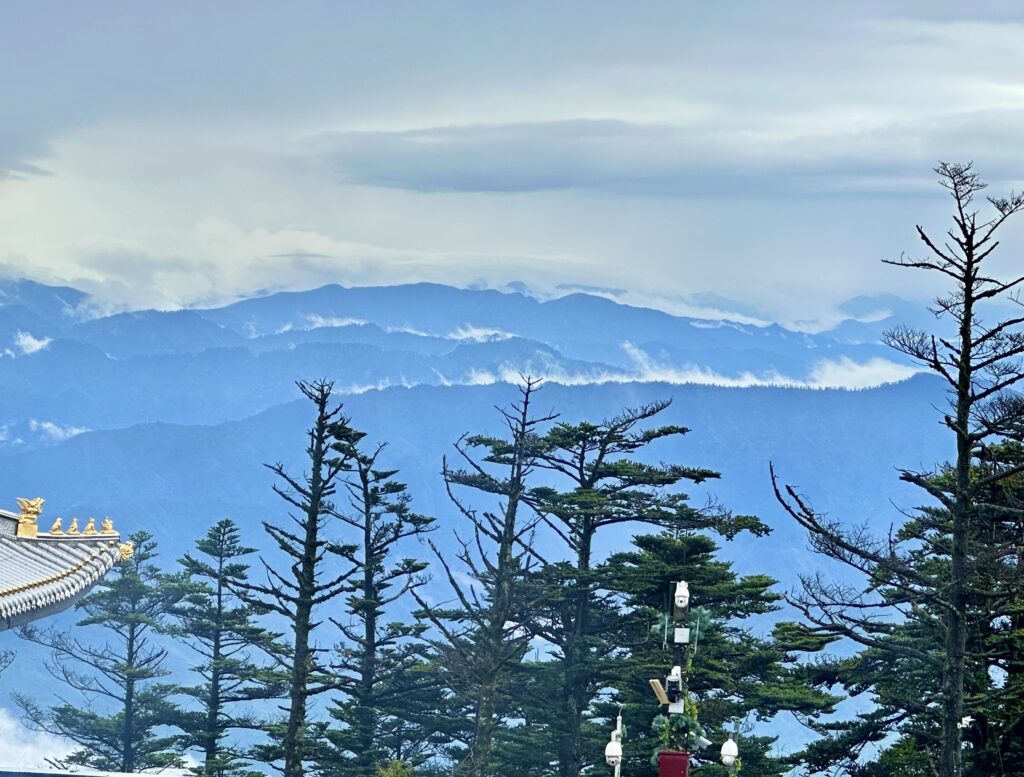
Mount Emei is one of China’s “Four Sacred Buddhist Mountains” and is a UNESCO World Heritage Site. It has an altitude of 3,099 metres, steep terrain and beautiful scenery. Thank goodness for the cable cars that go to and from the Golden Summit!
Unfortunately, it was a rather windy and rainy day when we visited Emeishan. The operation of cable cars was suspended for a while, causing prolonged wait and frayed temper when people tried to jump the ever-growing queue. Still, it’s worth the effort just to see the views!
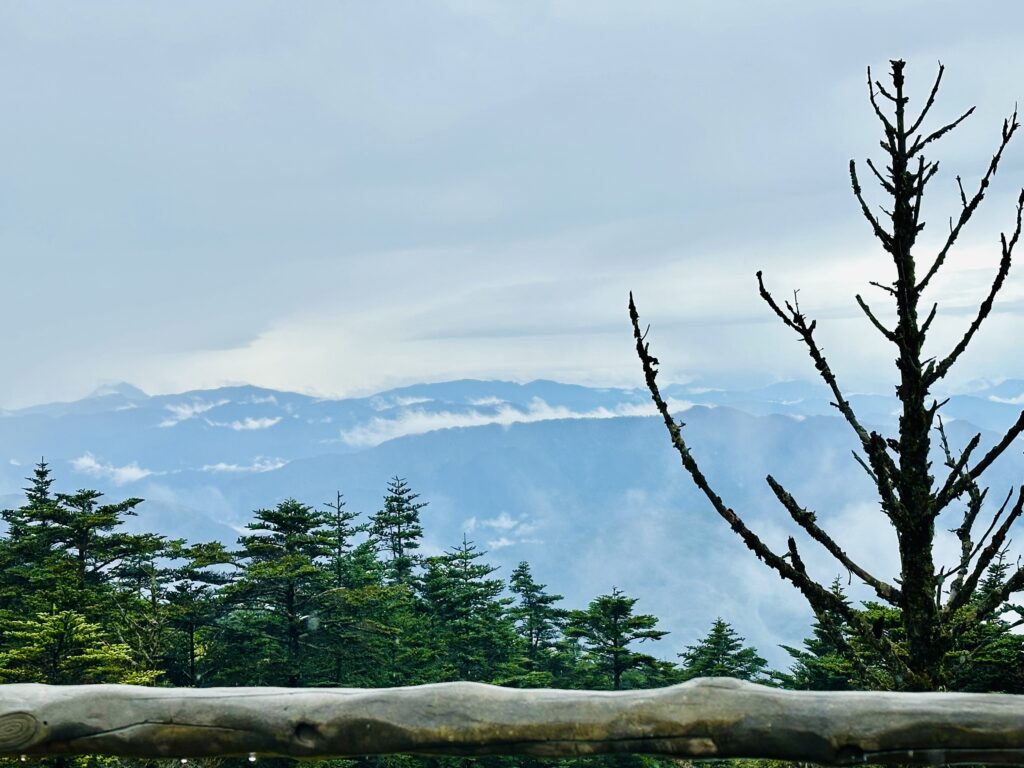
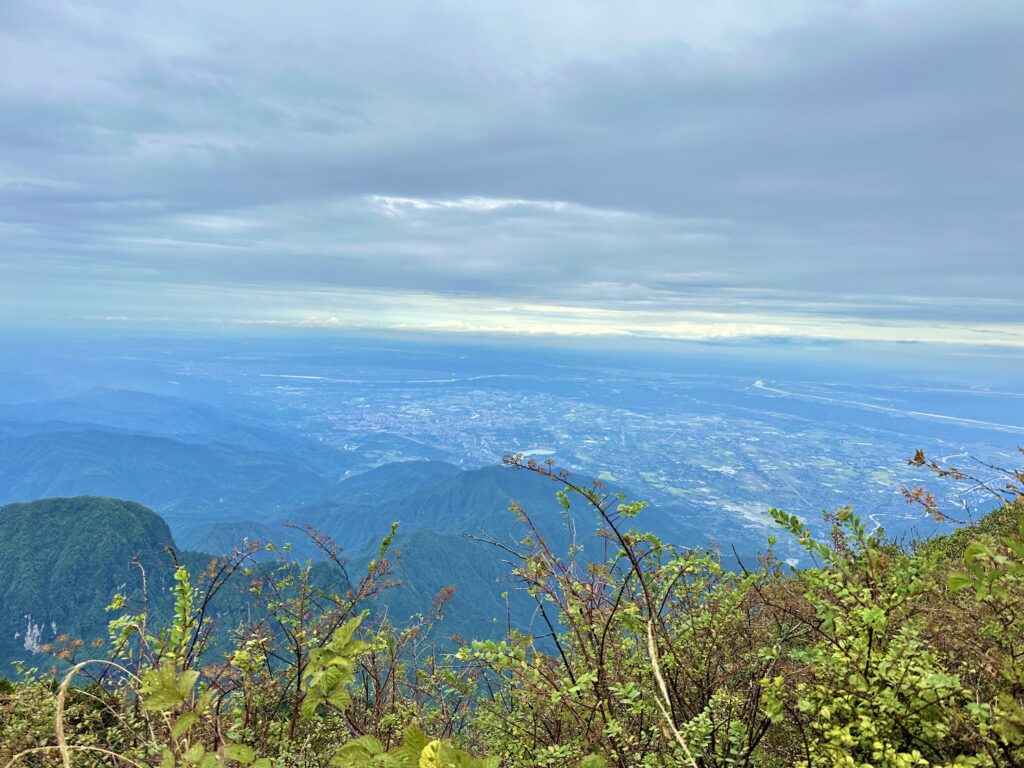
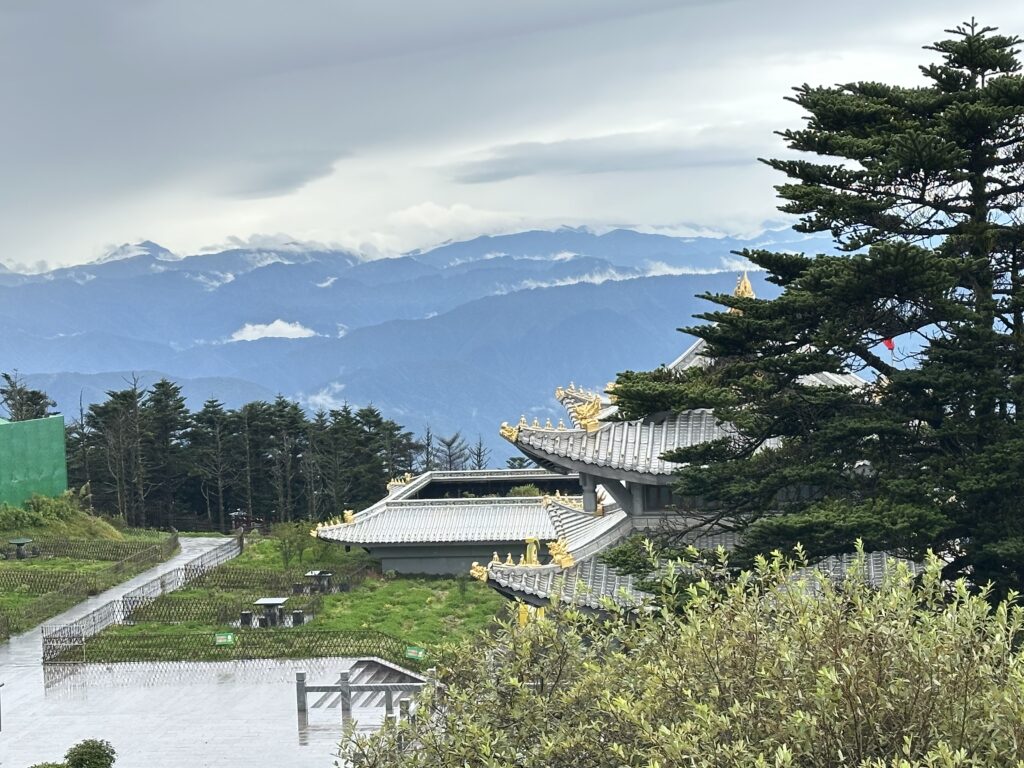
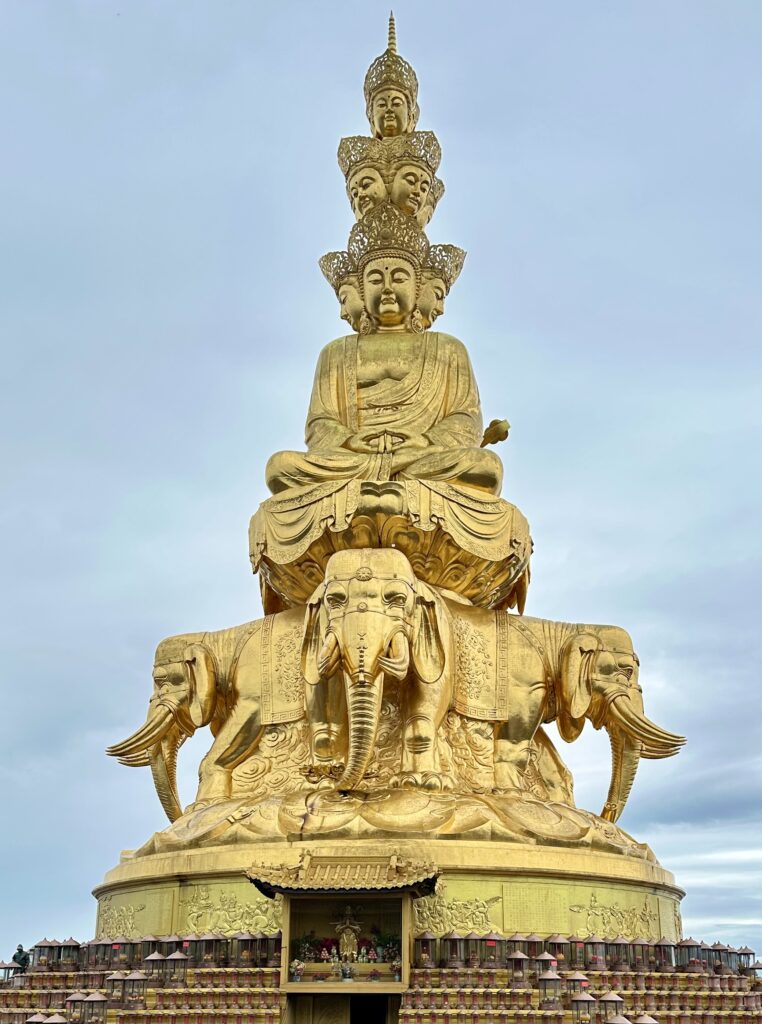
Emeishan Golden Summit
Mount Emei Golden Summit has the world’s largest and tallest copper-cast gilded four-sided ten-sided golden statue of Buddha at a height of 48 metres.
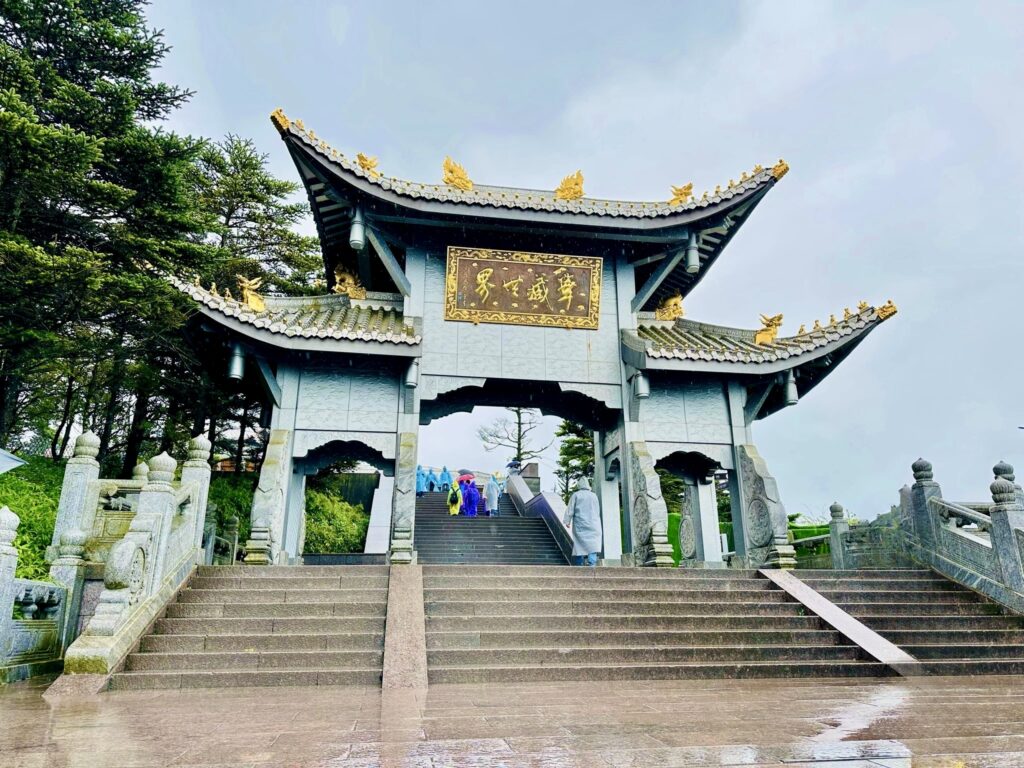
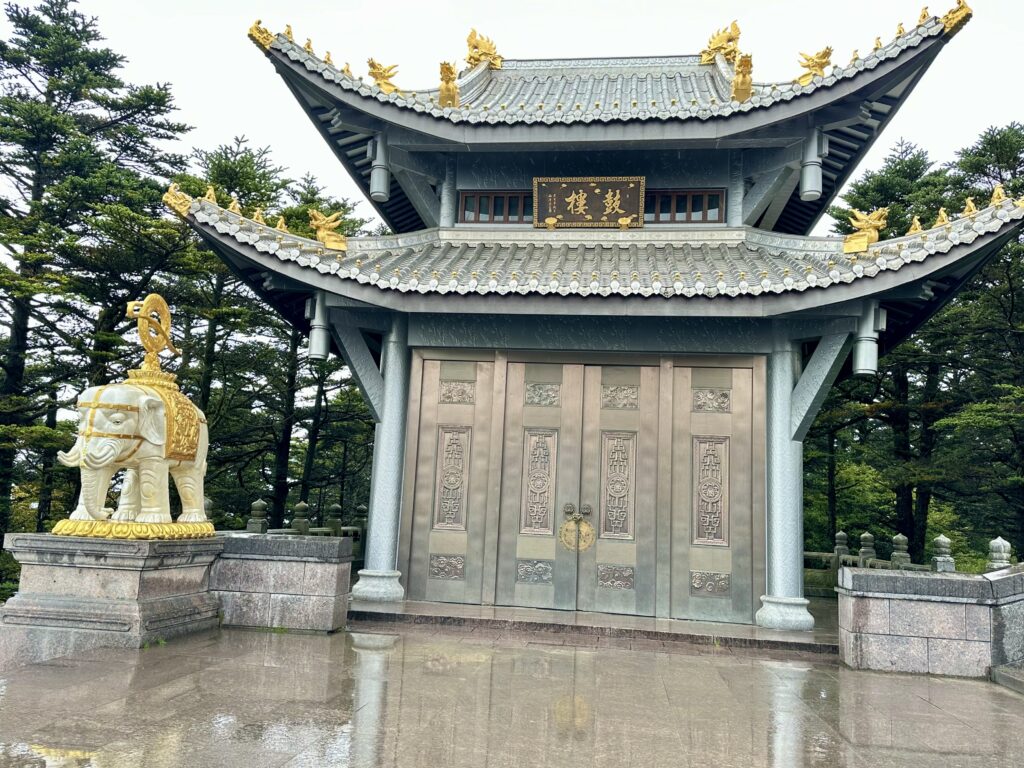
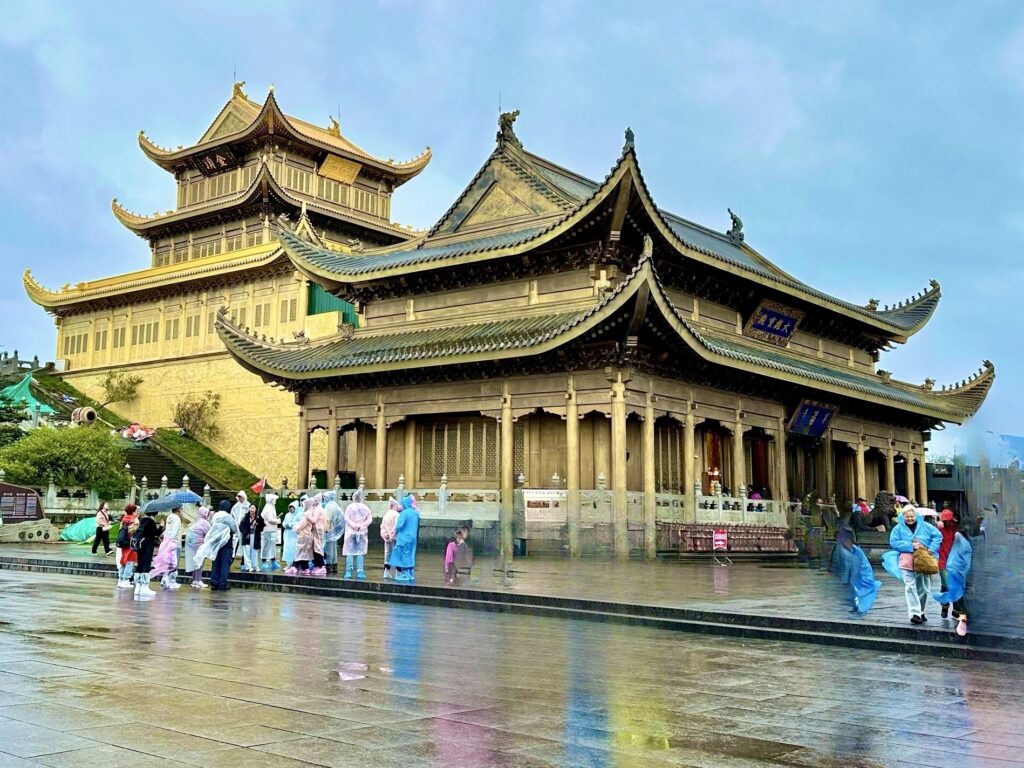
After Leshan, we made our way back to Chengdu as a base for our flight of 2 hours and 45 minutes to return to Hong Kong
Leshan is not a place for tourist’s fridge magnets, but I have my own memento!
Shizhong, China
Also from China