- Happy return to Edinburgh
- Inverness – more than just the gateway to the Scottish Highlands
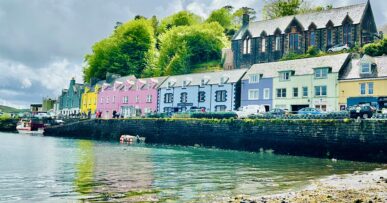
- A day trip to Isle of Skye
When I planned the trip to the Scottish Highlands when my sister, brother and his wife visited from Hong Kong, I looked at the possibility of basing ourselves in Edinburgh.
Then I realised that it would take an average of 4 hours to travel from Edinburgh to Inverness just to start a tour to the Highlands, so the decision was made to stay in Inverness for 3 nights.
Once again I was able to find us an apartment with 3 bedrooms 3 bathrooms and a living & dining room. It was a short taxi ride to and from the station with our luggage, but an easy stroll to the city centre crossing River Ness. It was also considerably cheaper than that in Edinburgh. (Private suite in Highland)
About Inverness
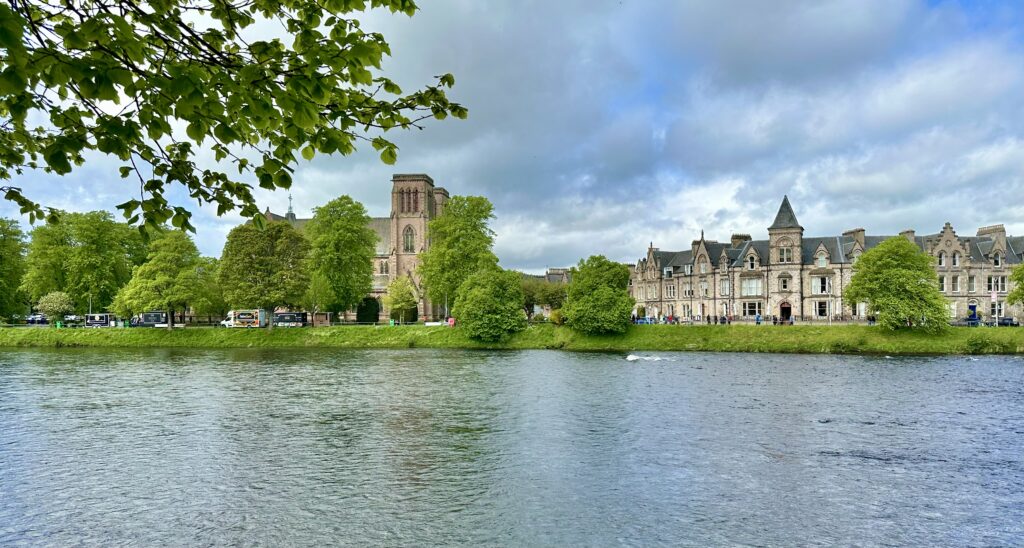
Inverness is the northernmost city in Scotland and is often described as the gateway to the Highlands. However I think Inverness should be a destination in its own right. It’s such a pretty and peaceful place with river views, bridges and churches and so much history attached to it.
Granted city status in 2000, Inverness is known as the capital of the Highlands. It’s also perfect for a car-free break as it’s a great place for walking. Apart from the picturesque River Ness walks, major attractions are all clustered closely together.
Welcome to Inverness!
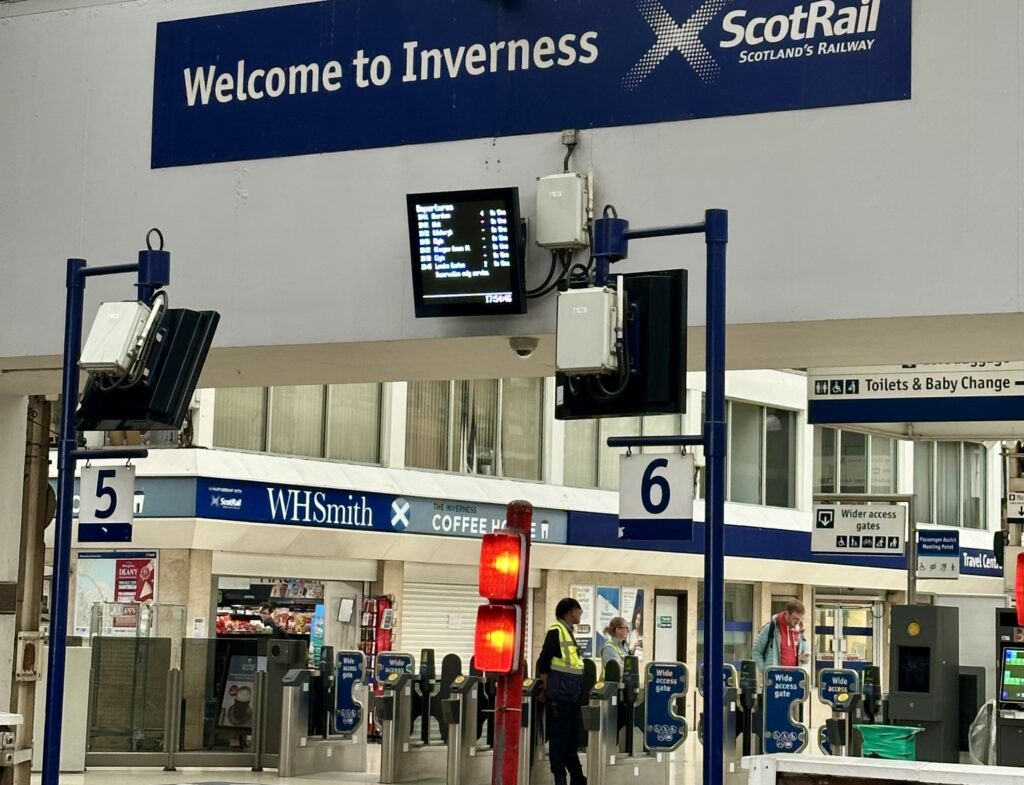
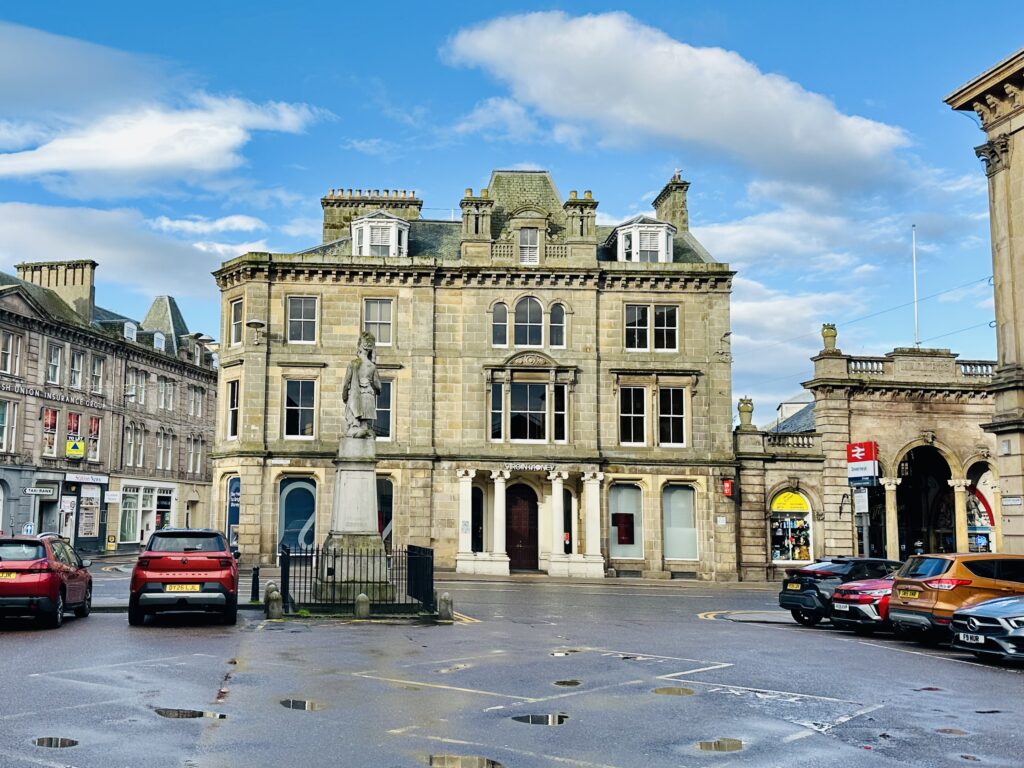
Inverness station is not as big as Edinburgh’s Waverley Station, but it’s welcoming after nearly 4 hours on a packed train from Edinburgh!
Inverness Castle
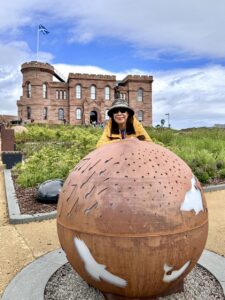
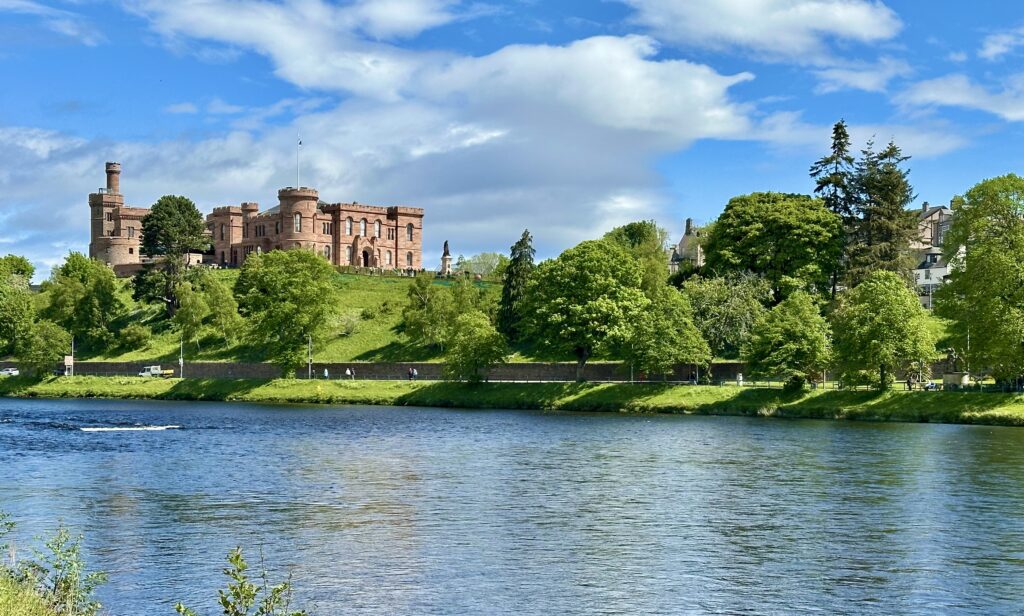
Overlooking River Ness from above, Inverness Castle has a long and turbulent history spanning several distinct eras. The original 11th-century medieval fortress is famously linked to Shakespeare’s Macbeth as the location where King Duncan was murdered.
Over the centuries, the fortress was repeatedly attacked. The current striking red sandstone structure was built in the 1830s as a courthouse and prison until the courts relocated in 2020. The exteriors of the castle are imposing and photogenic from every angle.
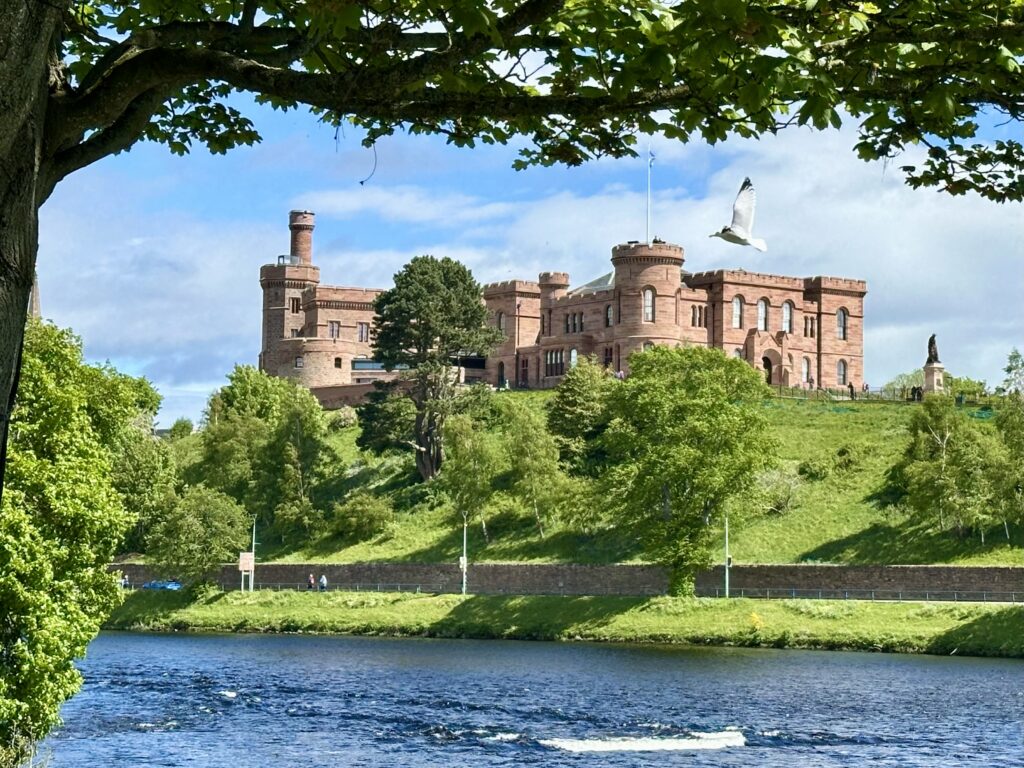
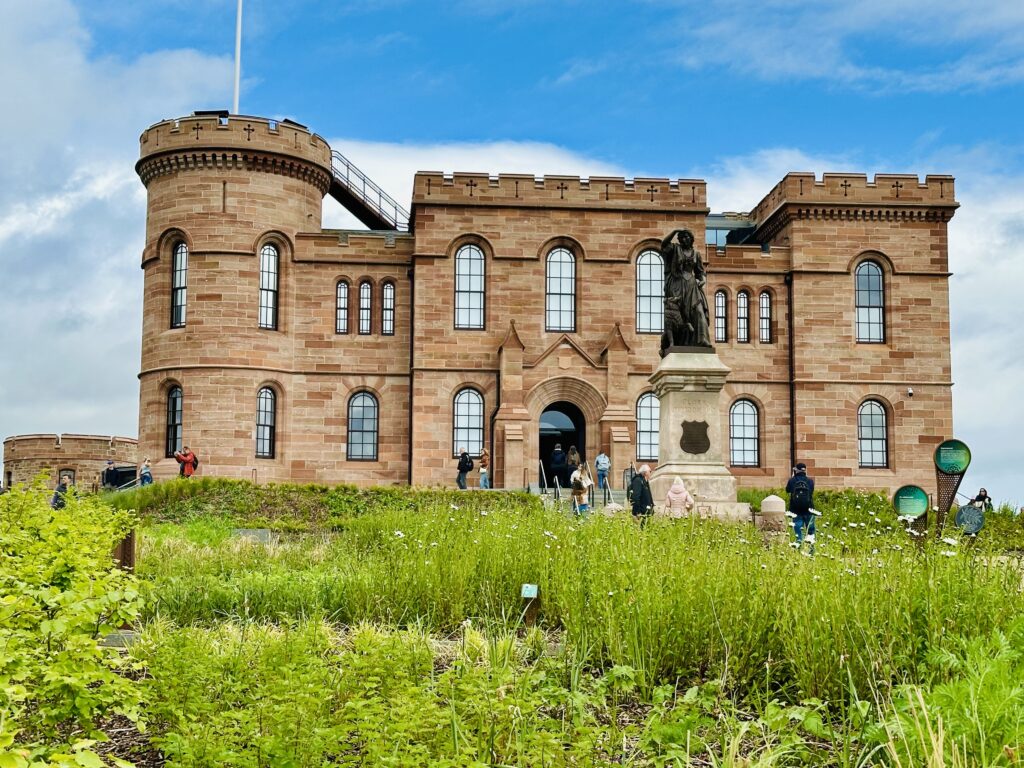
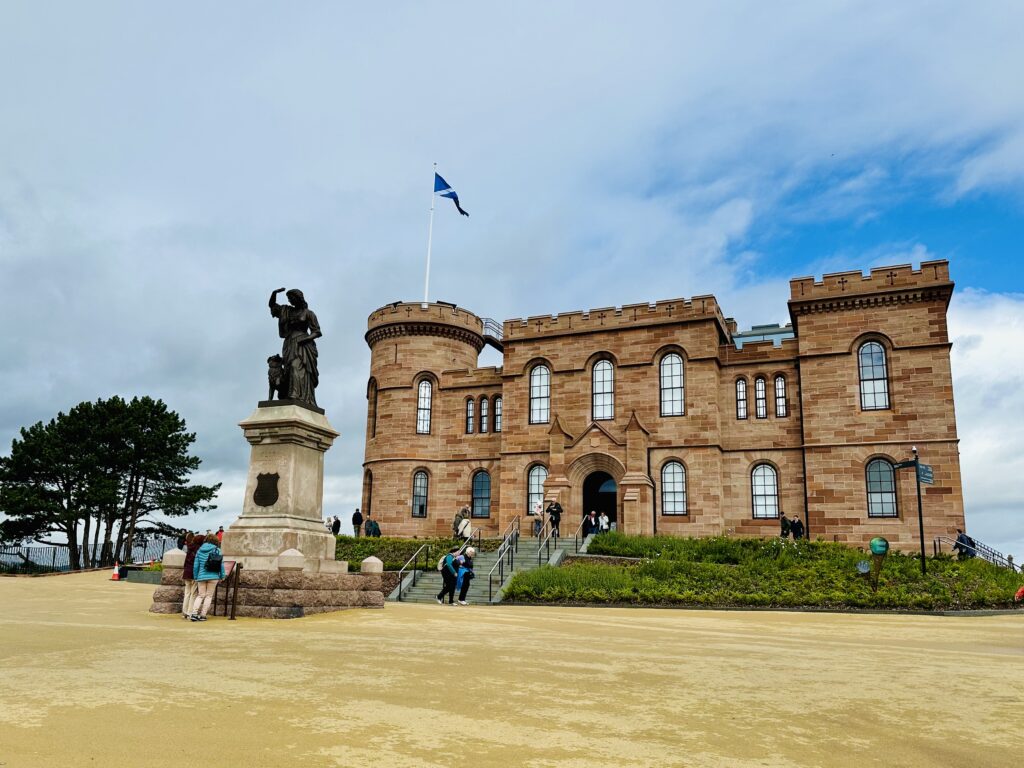
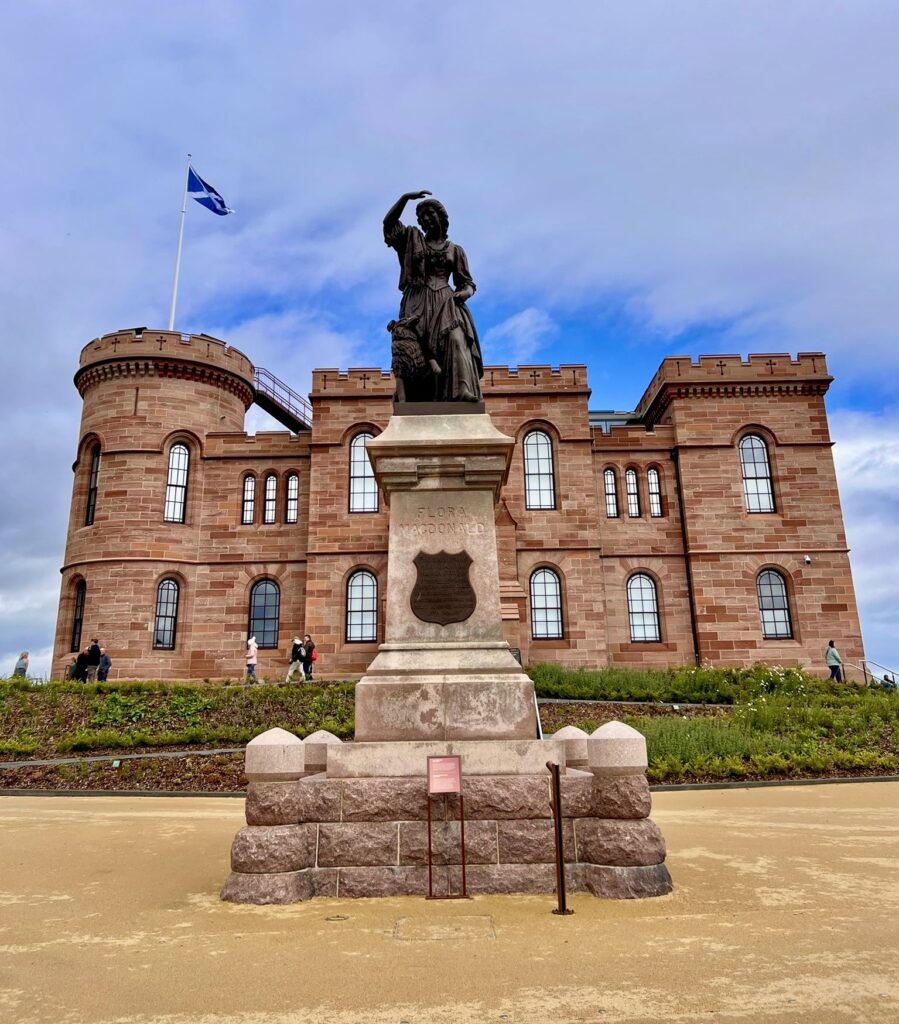
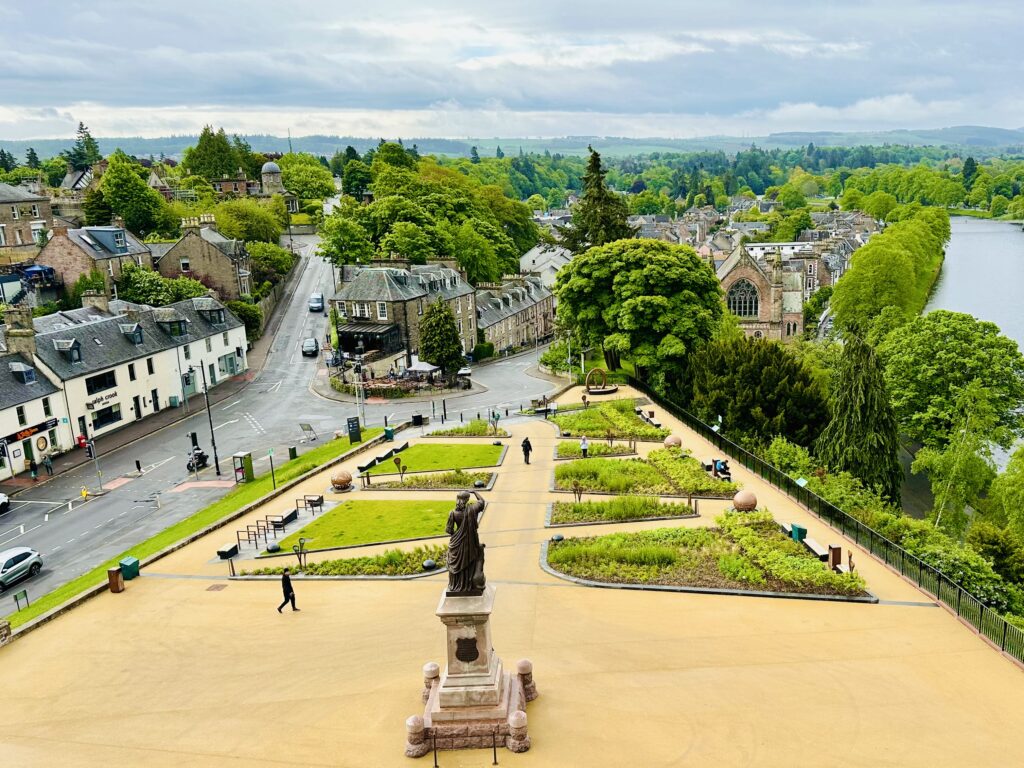
Inverness Castle Experience
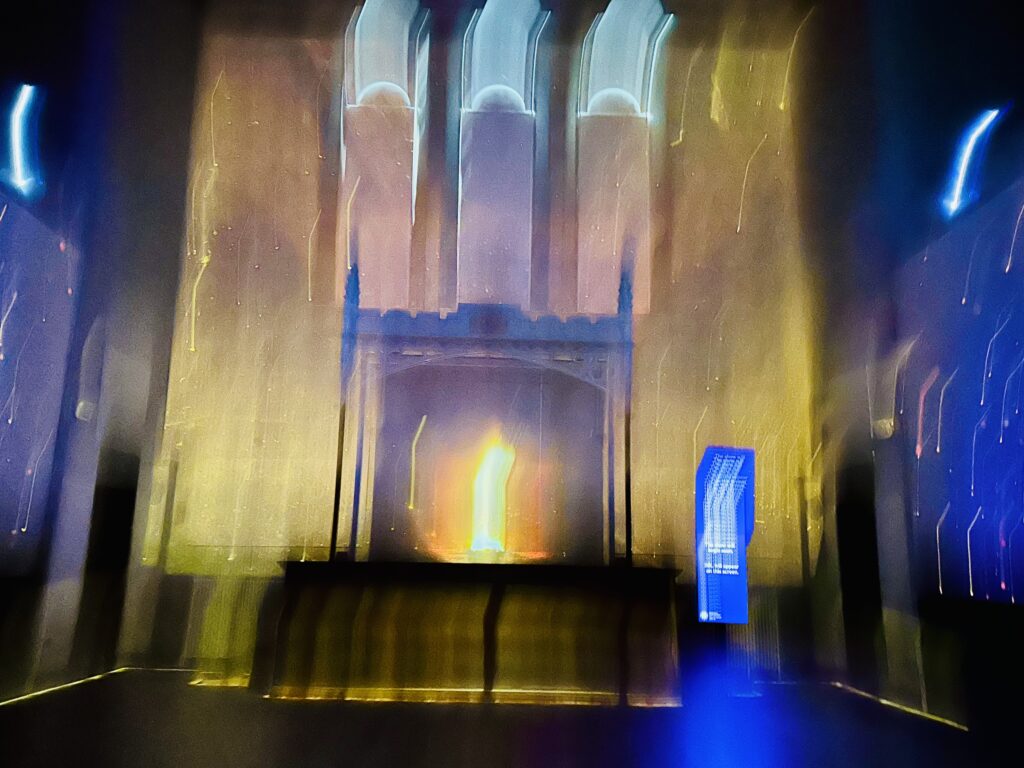
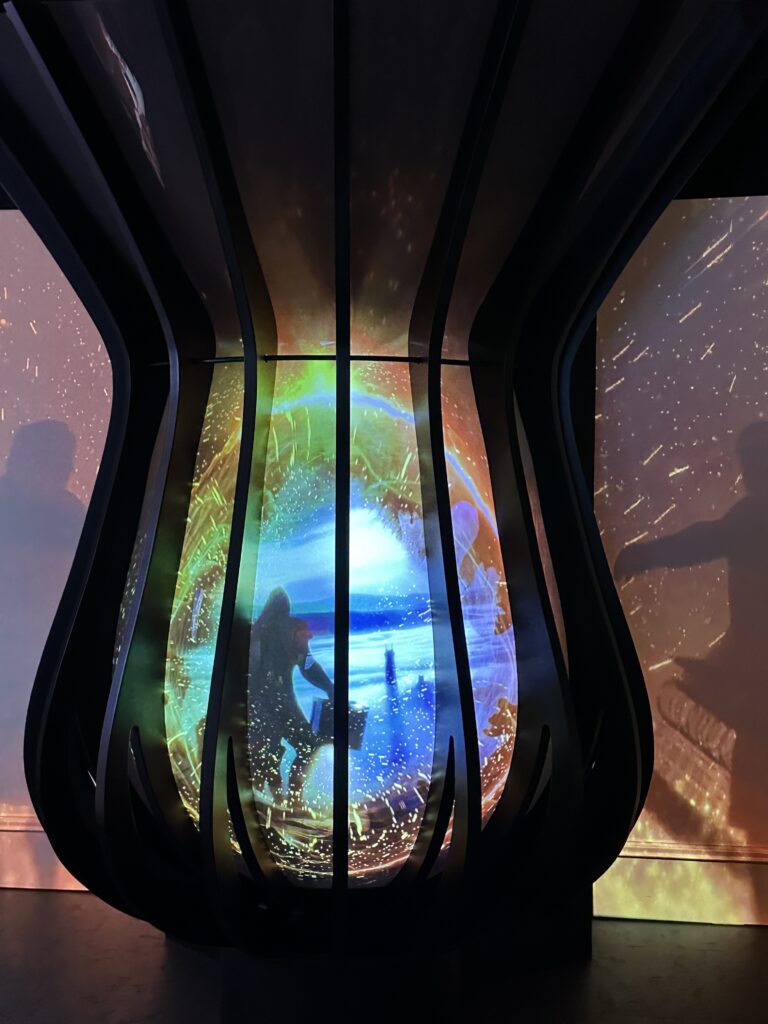
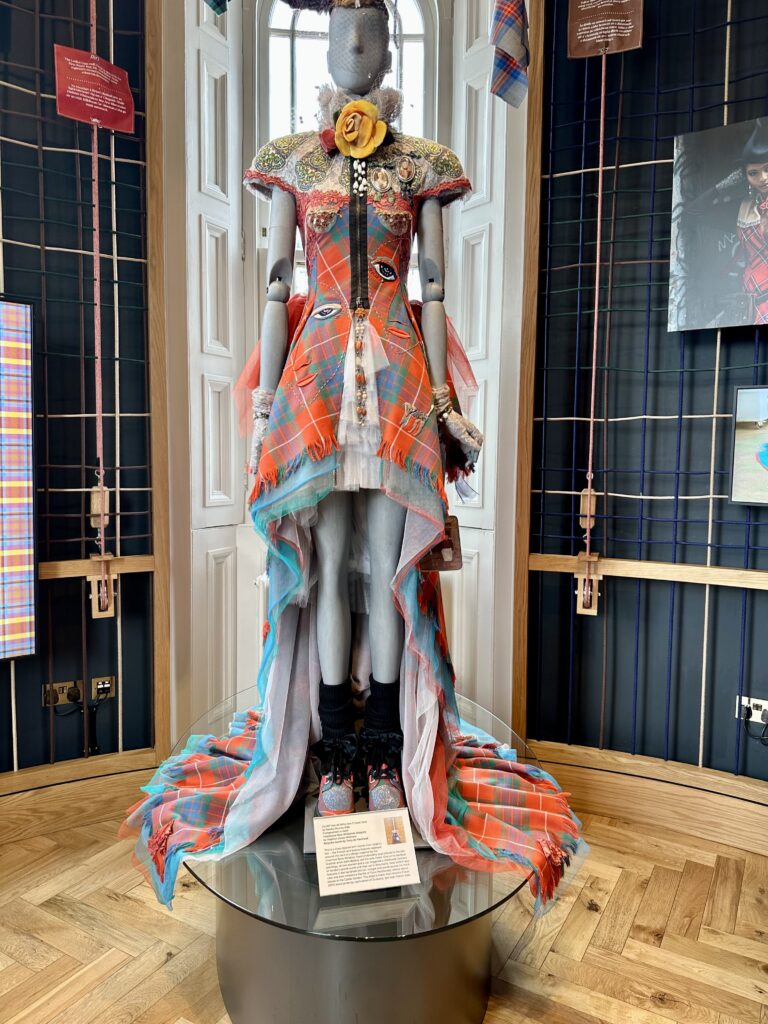
Inside the castle, there’s no period furniture or furnishings, just modern lighting and projections telling the stories of culture and spirit of the Highlands and struggles of the people. There’s an overwhelming sense of history and spirituality in all the displays.
The Rose Window
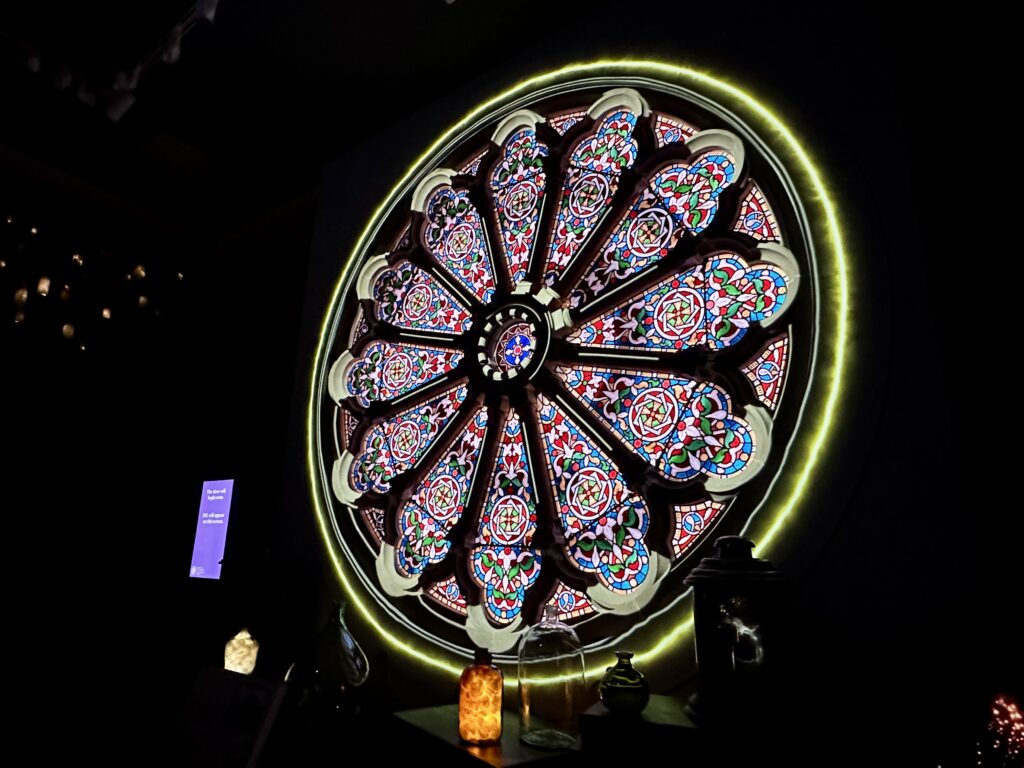
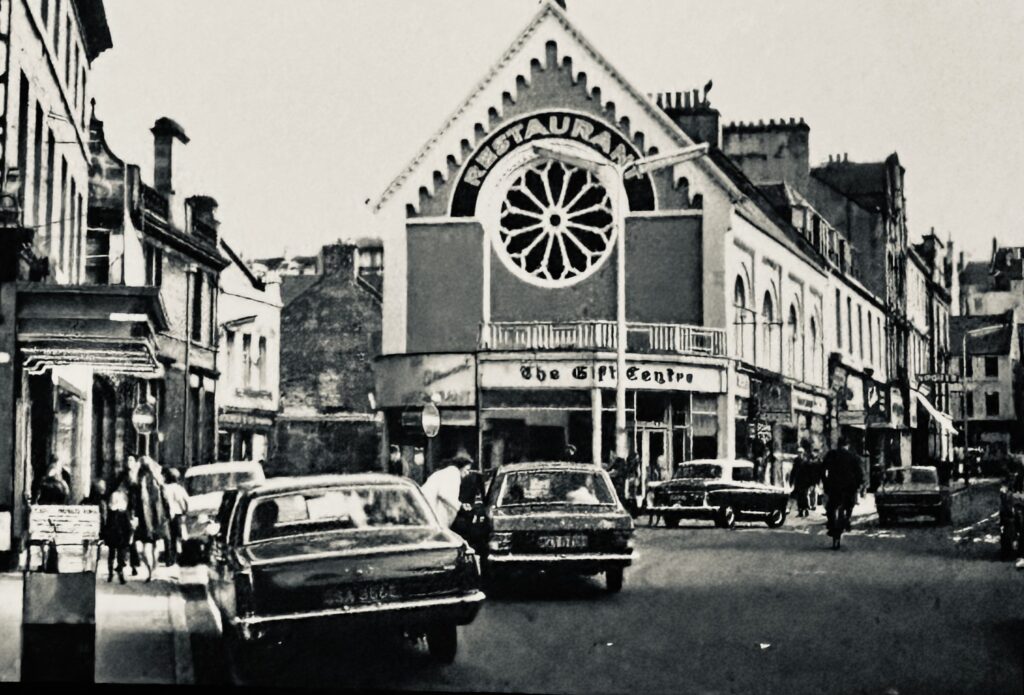
The first thing that was shown to visitors was this stained glass window. It was originally created for the Methodist Church which was later converted to the popular Stewart Restaurant. According to the description of the photo, travellers leaving the nearby train-station used to make a beeline for this family business, until it was closed in the 1970s
Giant fire pit glows at the centre of the Gathering Room, coming alive with stories of community. In another room, traditional Scottish fabrics meet French fashion.
Ness Bridge
There are many bridges in Inverness, but my focus was on three: Ness Bridge, Greig Street Bridge and Infirmary Bridge
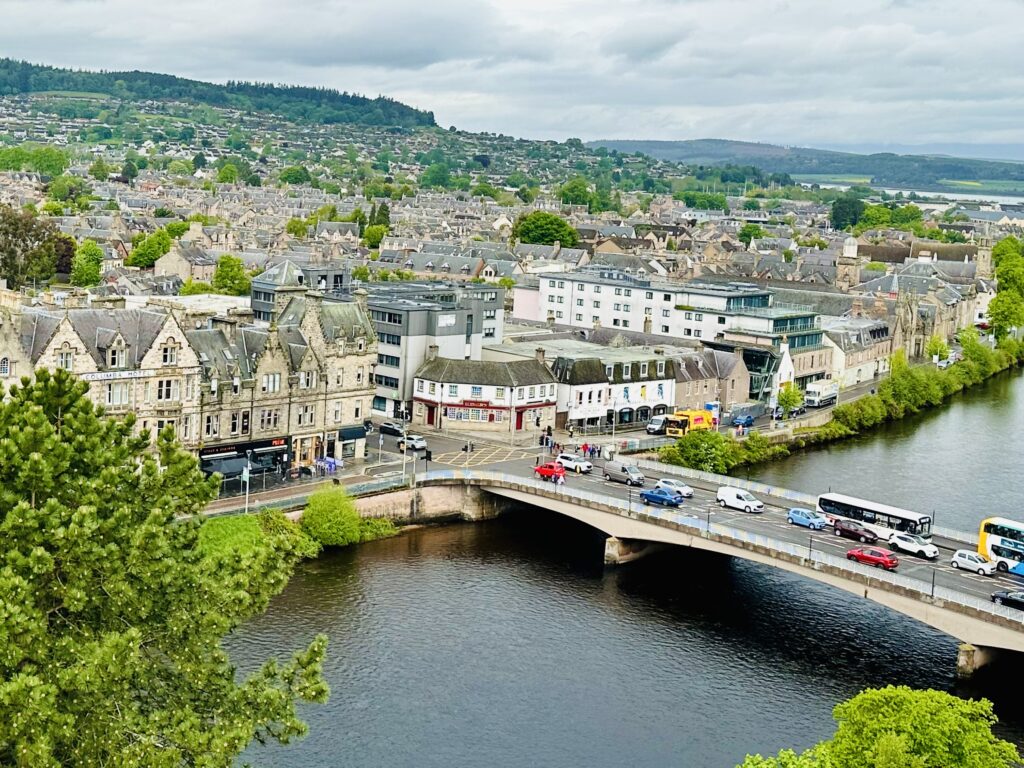
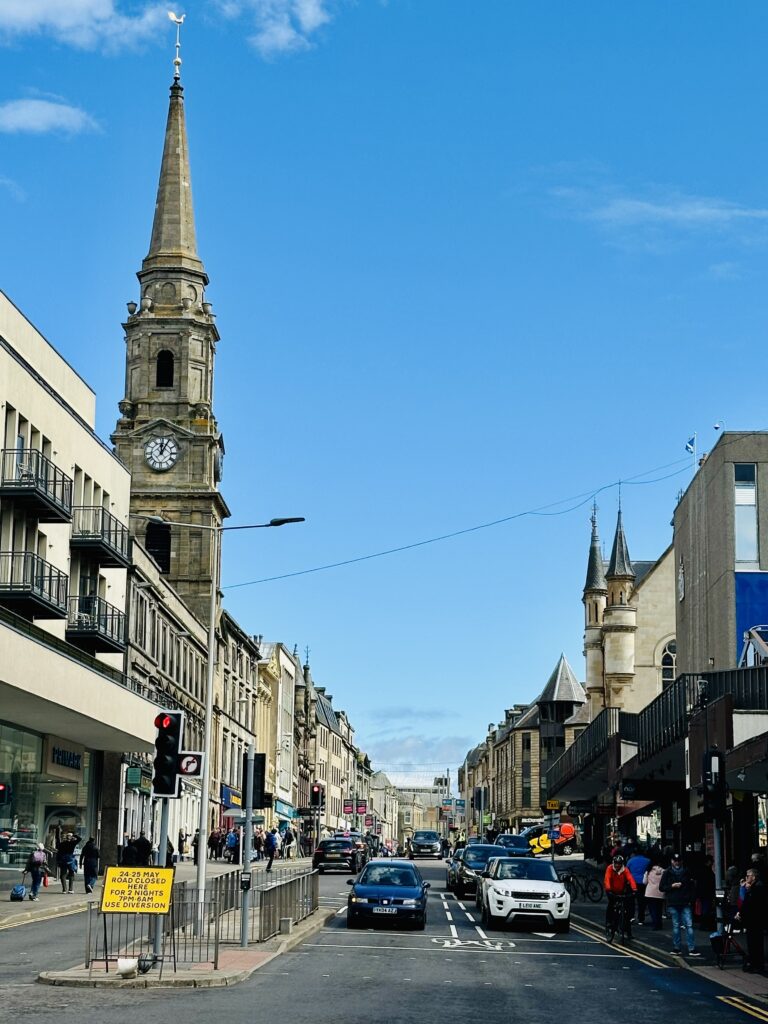
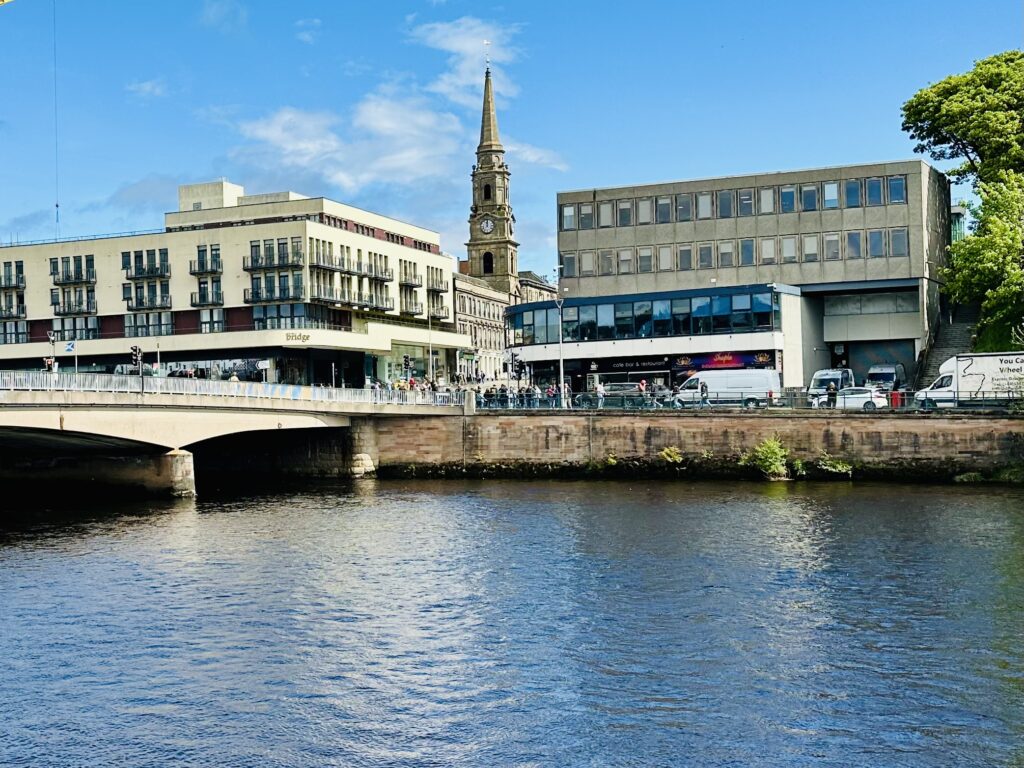
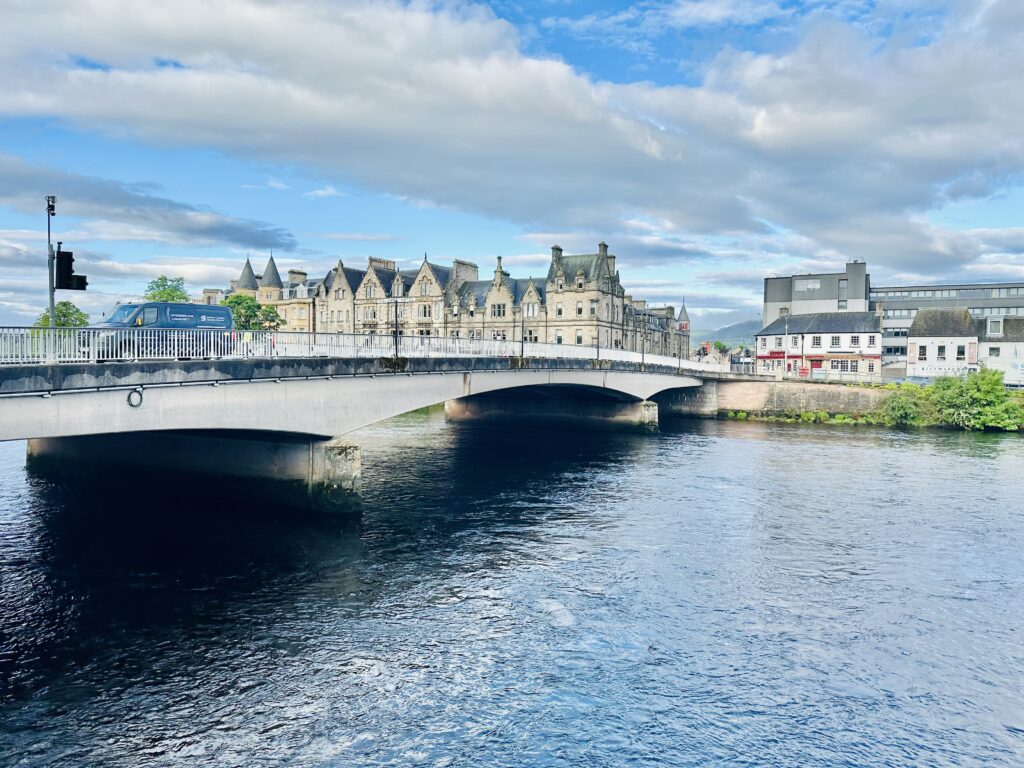
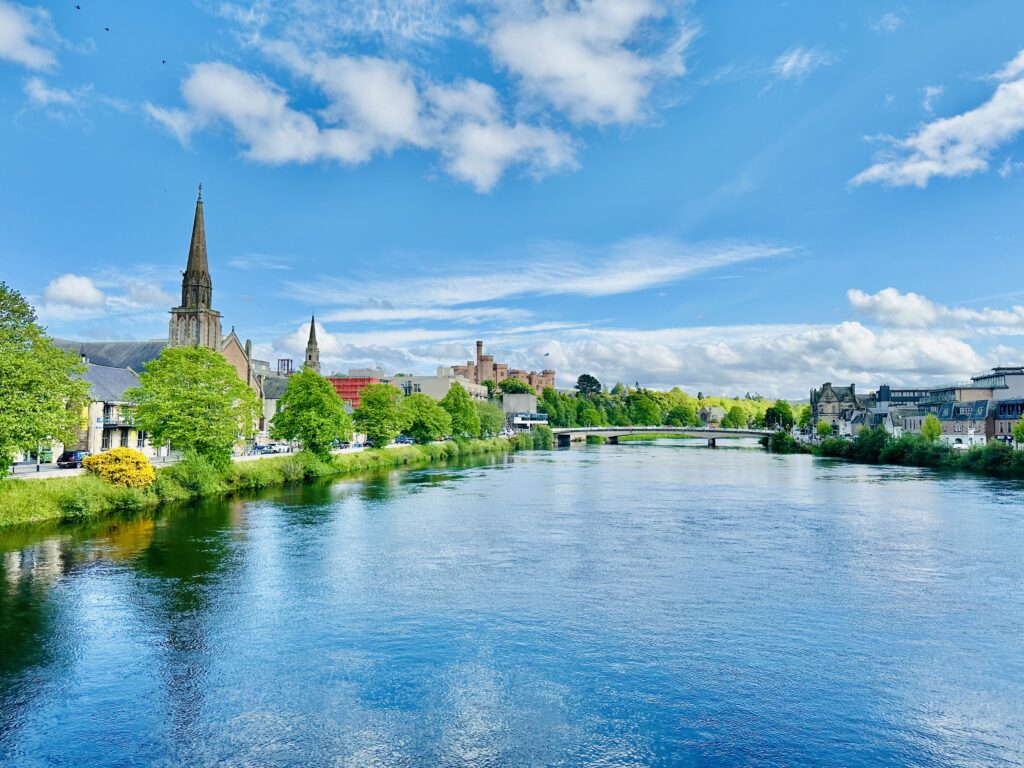
Ness Bridge is a central traffic and pedestrian crossing in the heart of Inverness, spanning the River Ness. Completed in 1961, the wide pedestrian walkways on both sides of the busy road provide excellent spots for taking photos of the river and landmarks nearby.
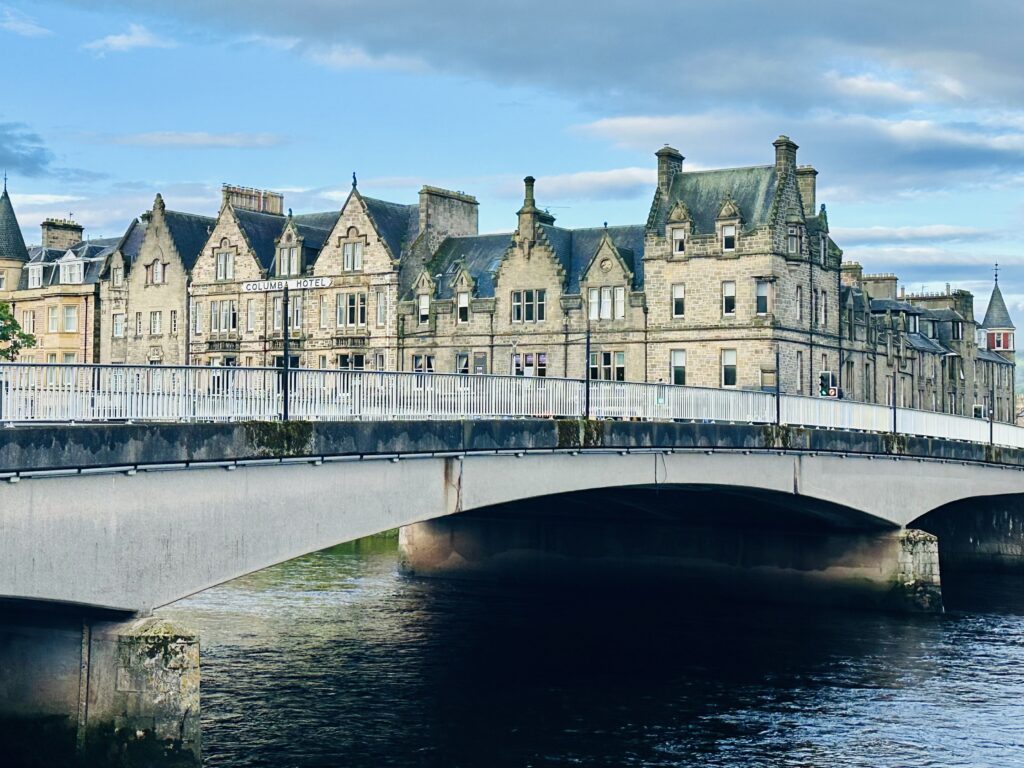
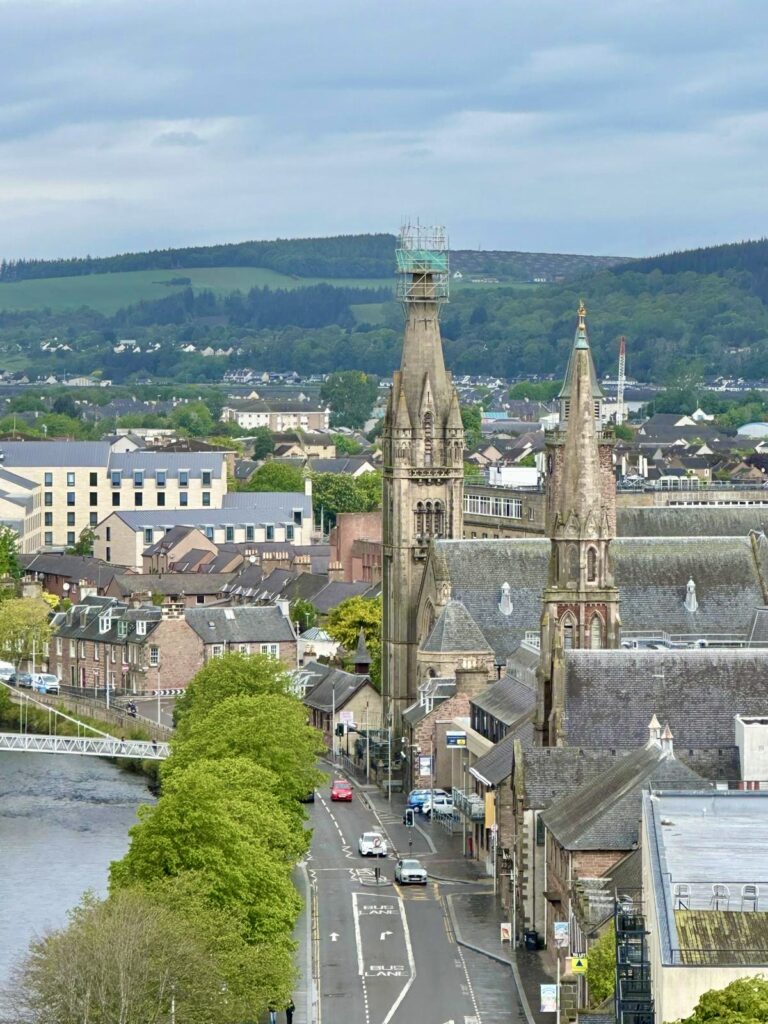
The spire of the church seen on the approach to the city centre on the left is that of Old High St Stephen’s Church. As the oldest church site in Inverness dating back to the 12th century, its West Bell Tower is the oldest surviving part of a medieval church in the city.
Infirmary Bridge
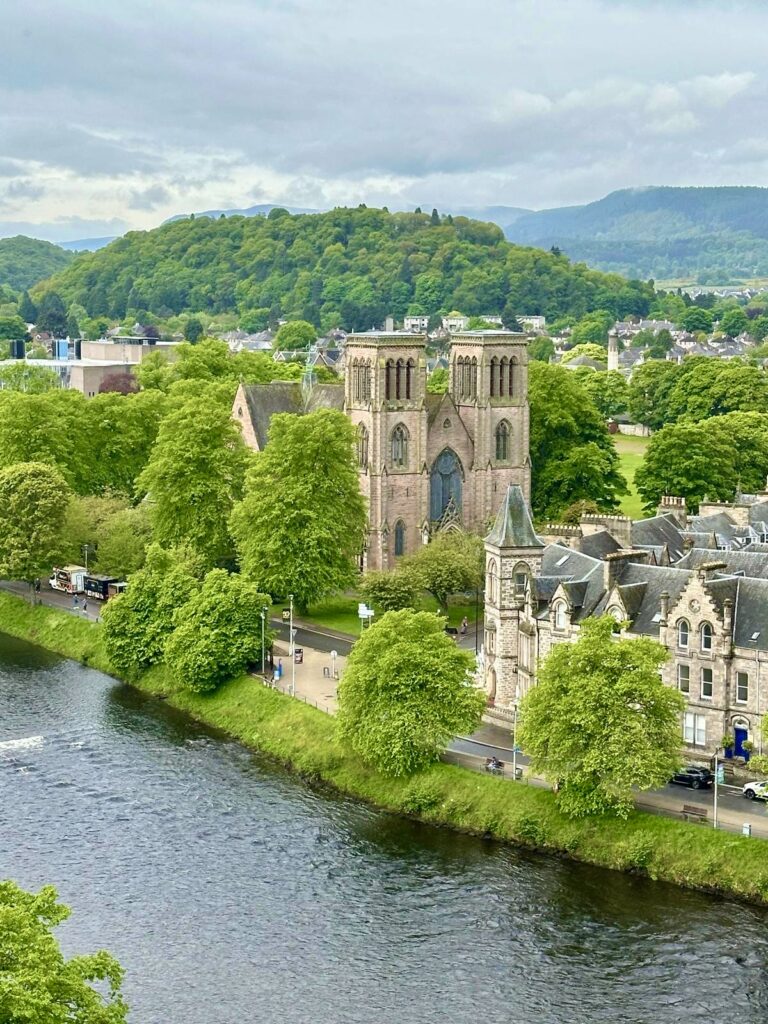
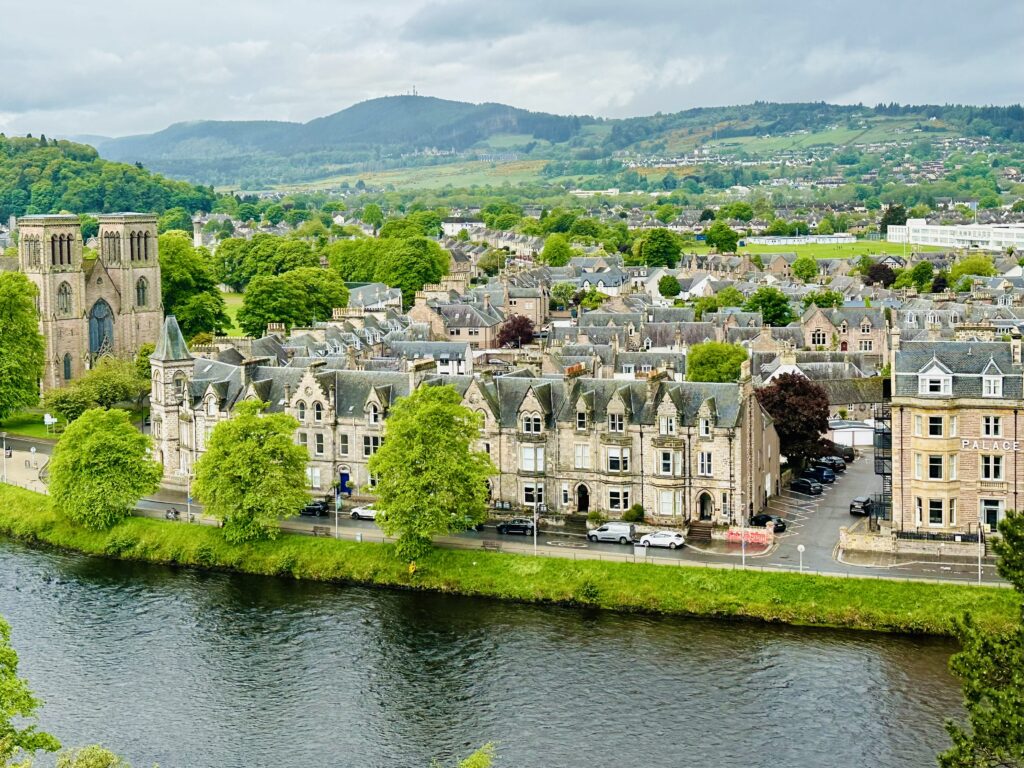
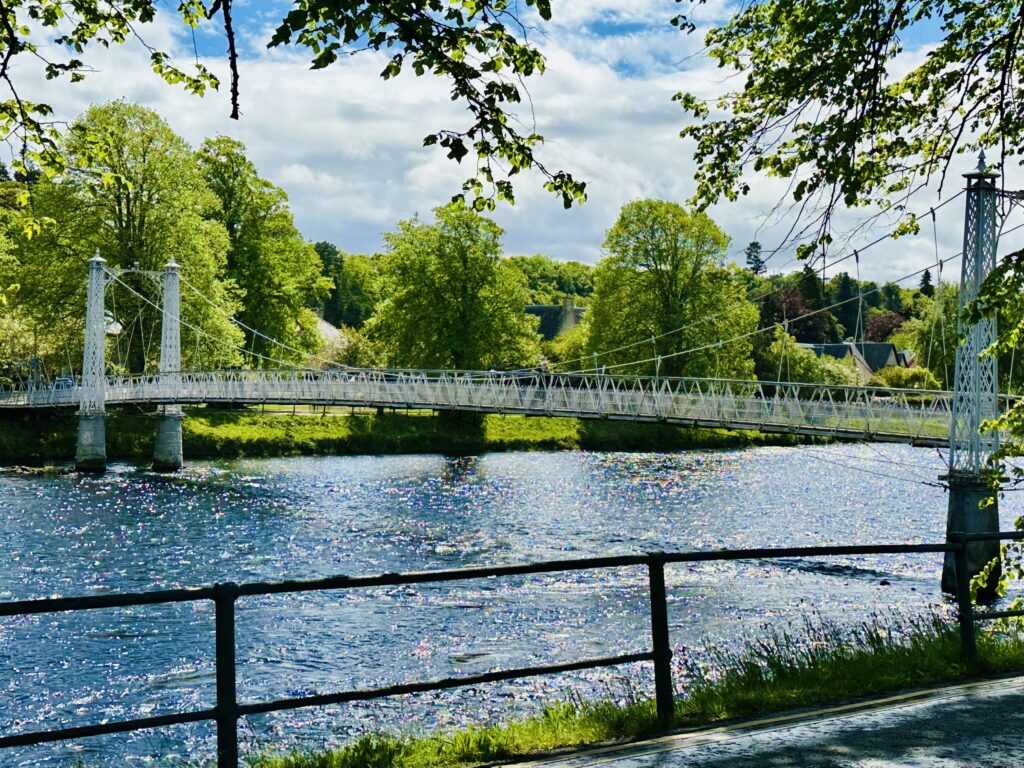
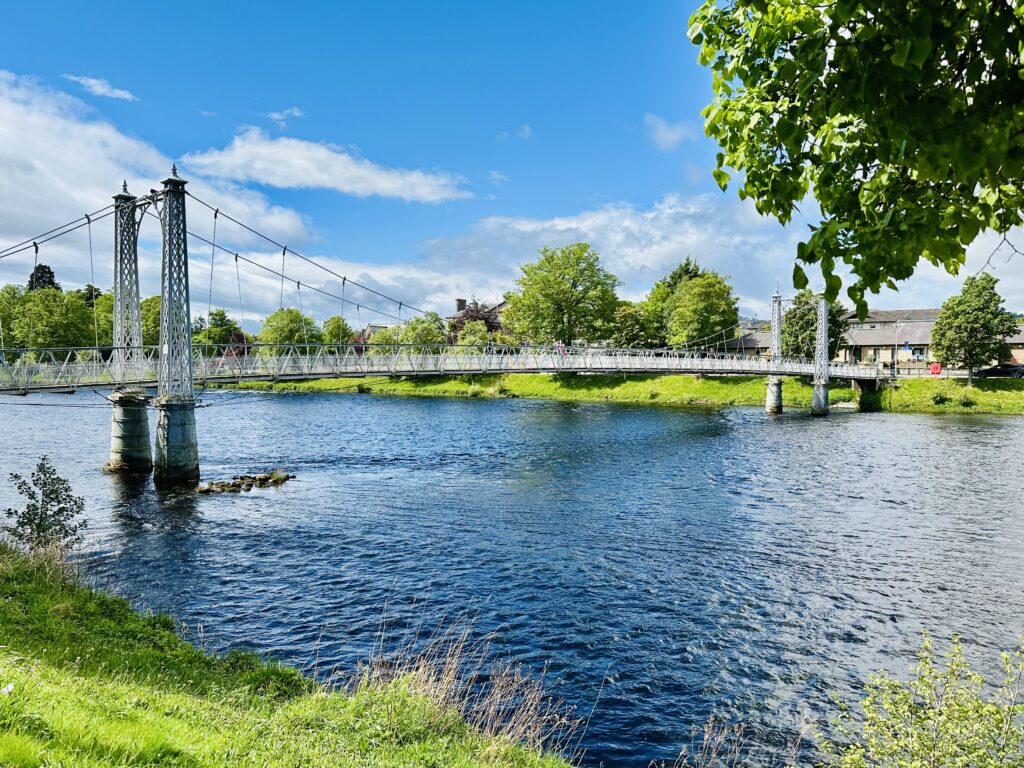
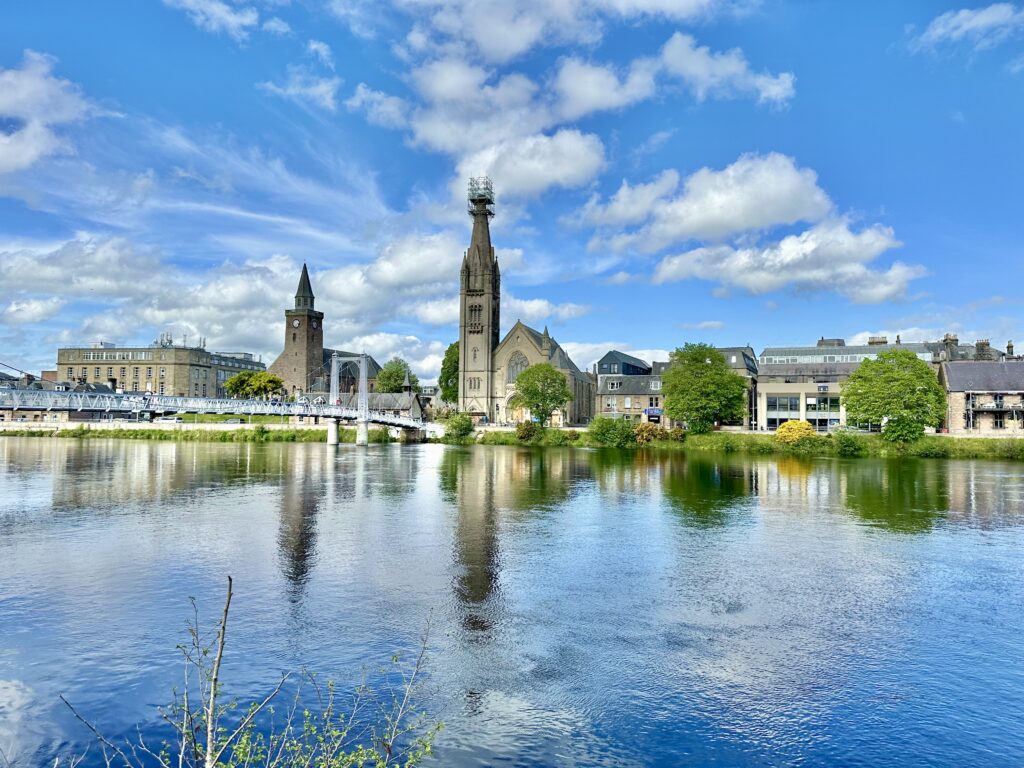
Facing away from the city centre, Infirmary Footbridge Bridge is on the left of Ness Bridge near Inverness Cathedral, this 19th-century listed suspension bridge is one of the 2 popular “bouncy” river crossings.
Greig Street Bridge
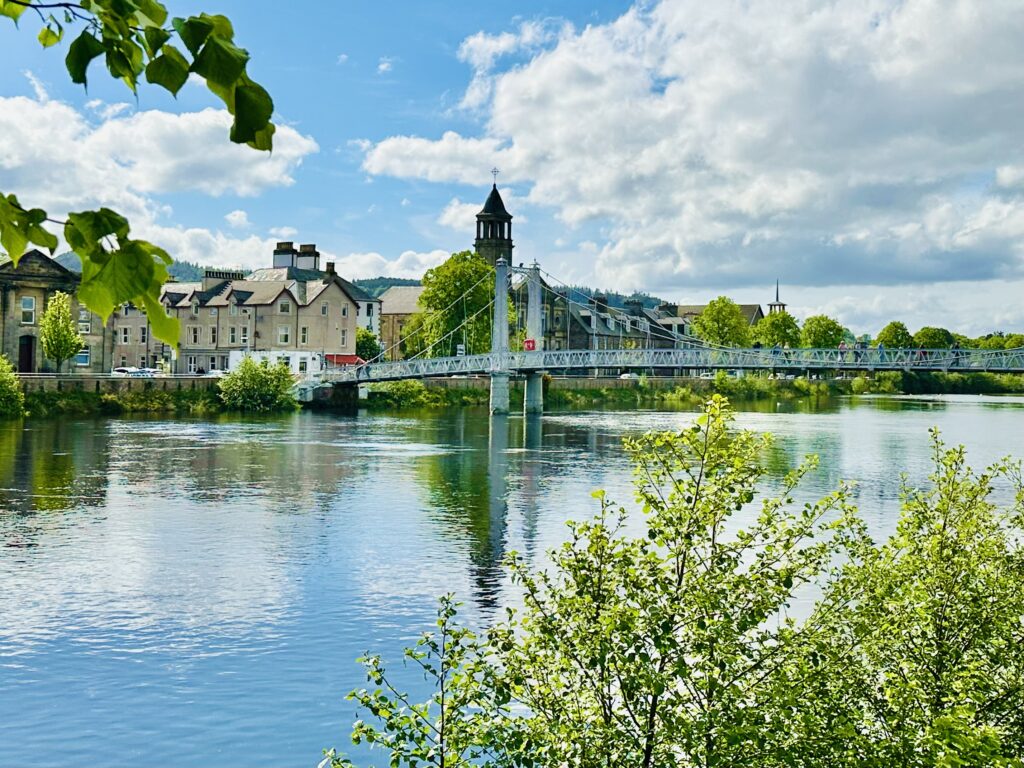
Greig Street Bridge is on the right of Ness Bridge. Built in 1881, this suspension bridge is famous for swaying underfoot, which has earned it the local nickname “the wobbly bridge” or “bouncy bridge”.
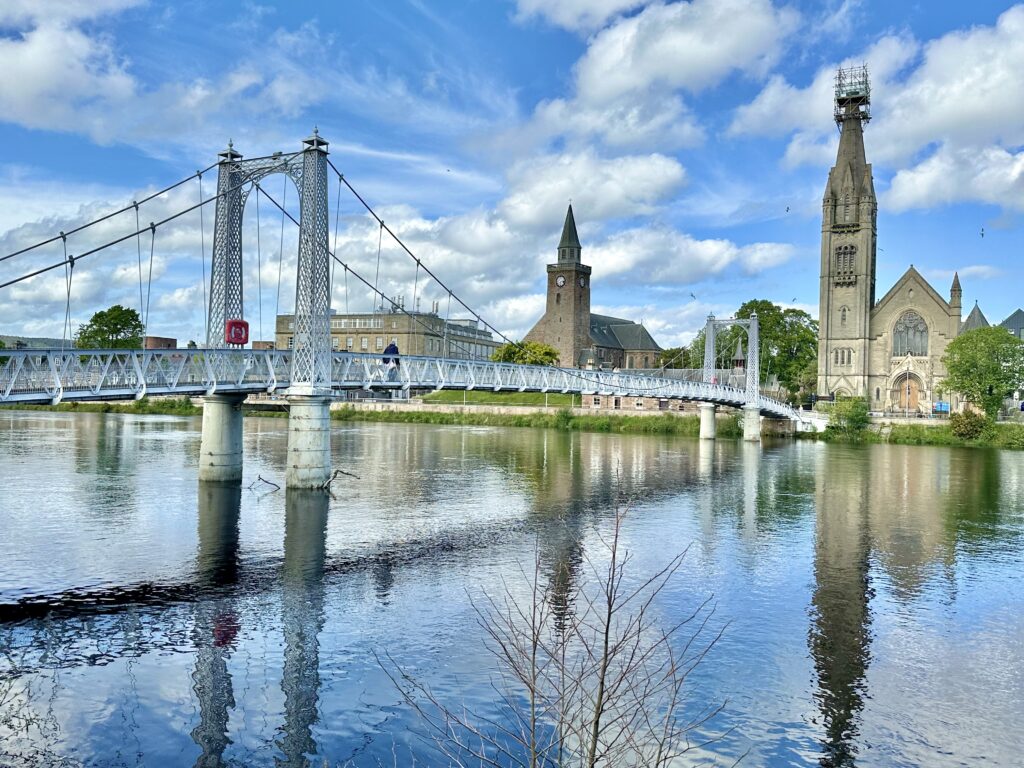
Circular riverside walk 1: Castle Street – Infirmary Bridge – Ness Walk
The 2 footbridges provide destination points for short circular riverside walks to admire the amazing scenery on both sides of the river. After visiting the castle the whole party started from Castle Street towards Infirmary Bridge, crossed it to Ness Walk and towards Ness Bridge. There were ample photo opportunities!
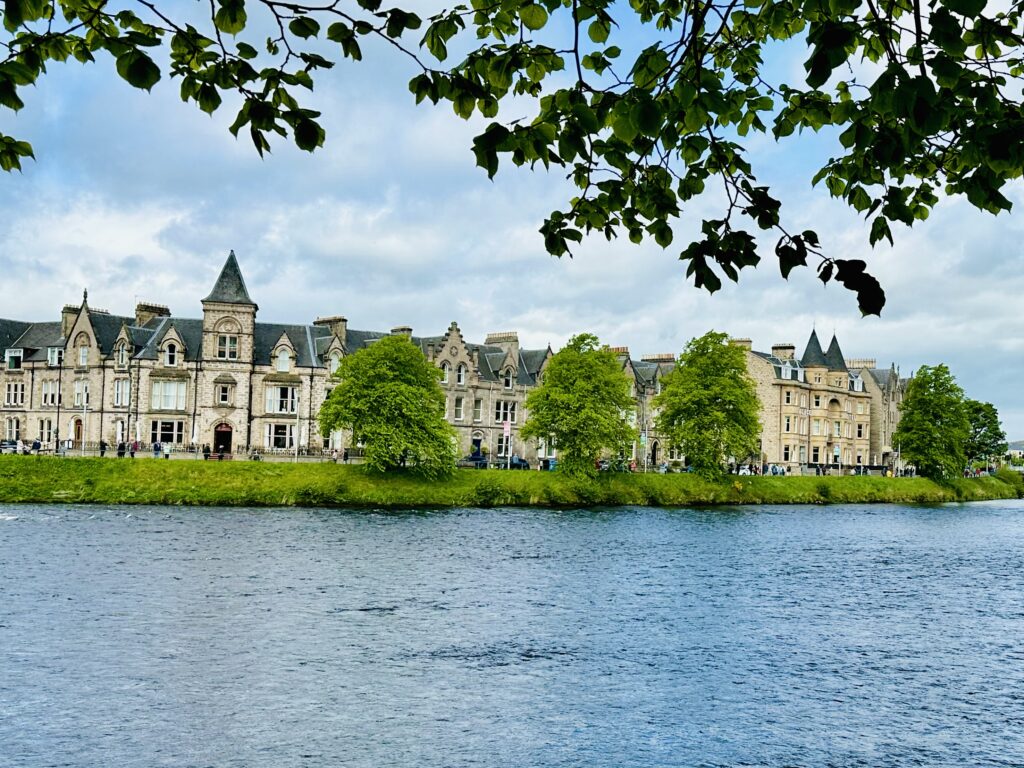
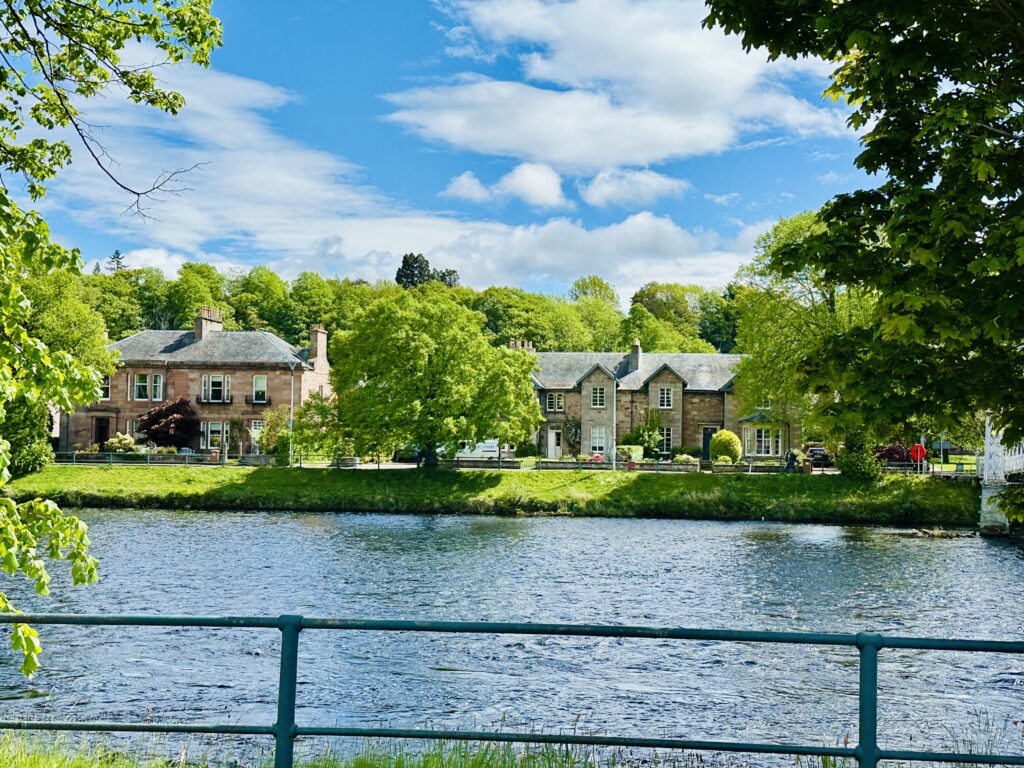
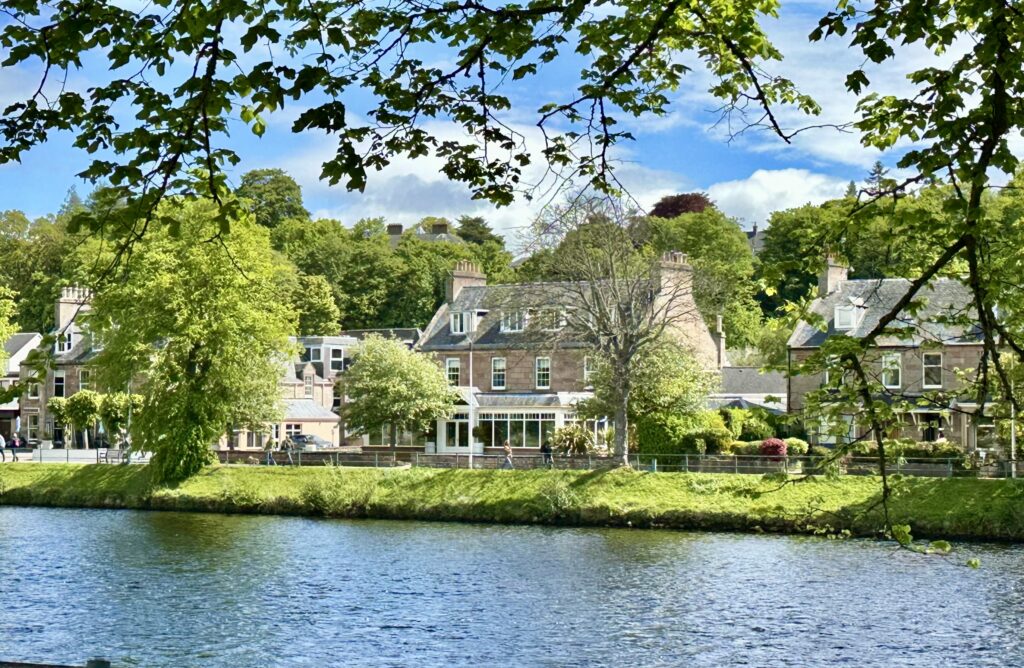
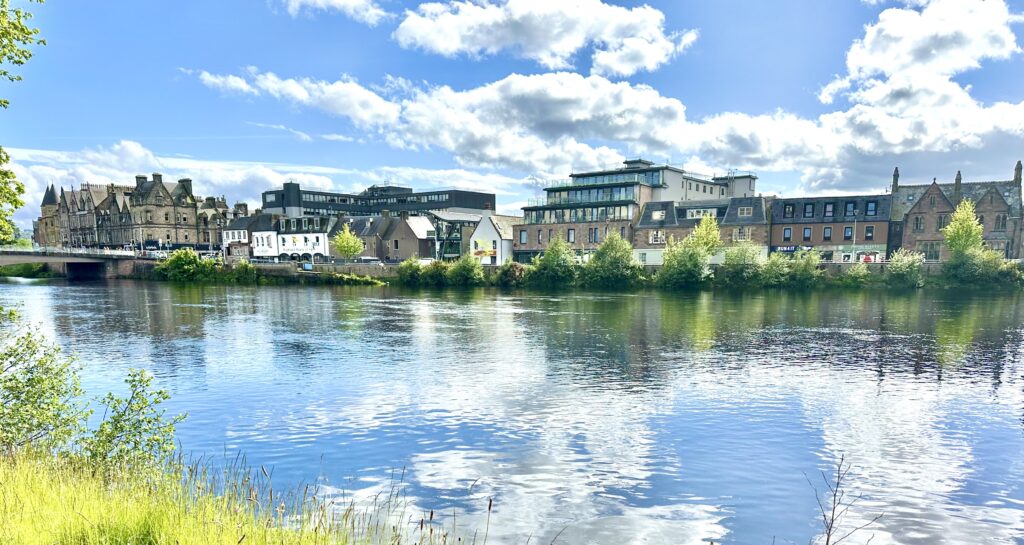
After crossing the bridge, the view across the river was dominated by the castle. However, along this stretch of leafy bank, there’re some handsome 19th-century dwellings now occupied as hotels and restaurants.
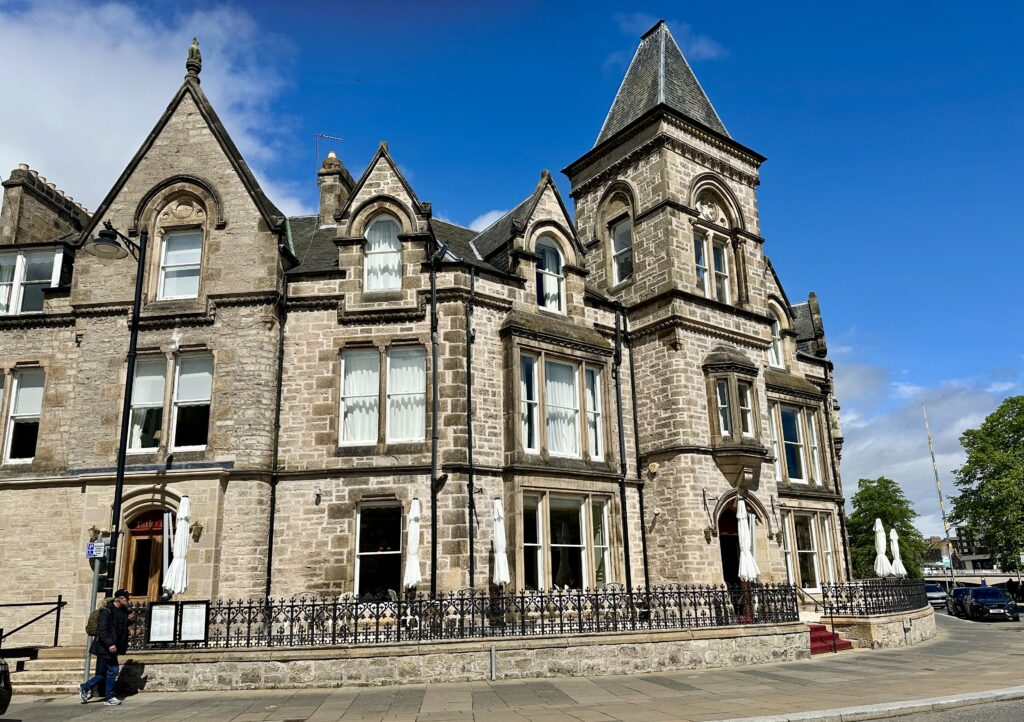
When we got back on Ness Bridge, the others went on to the city centre for shopping, while my partner and I walked back to our apartment for a well-earned rest.
Circular riverside walk 2: Bank Street – Greig Street Bridge – Huntley Street
In the late afternoon we went back to town to do the circular riverside walk from the other side of Ness Bridge. The views across the river from Huntley Street were the most stunning yet!
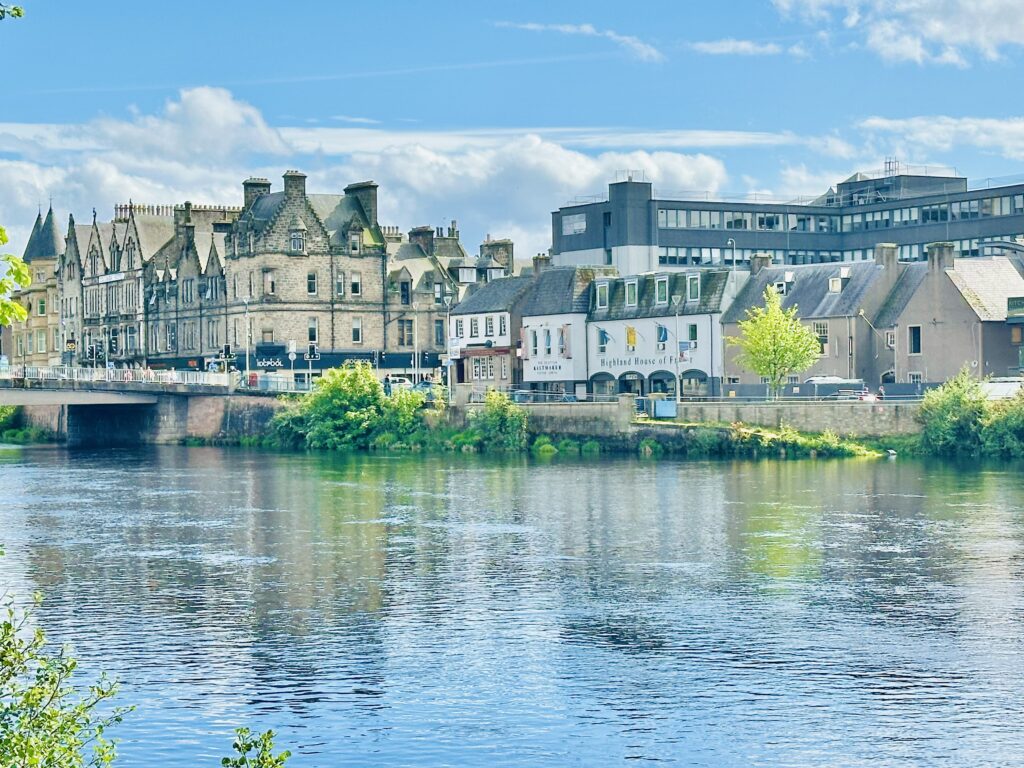
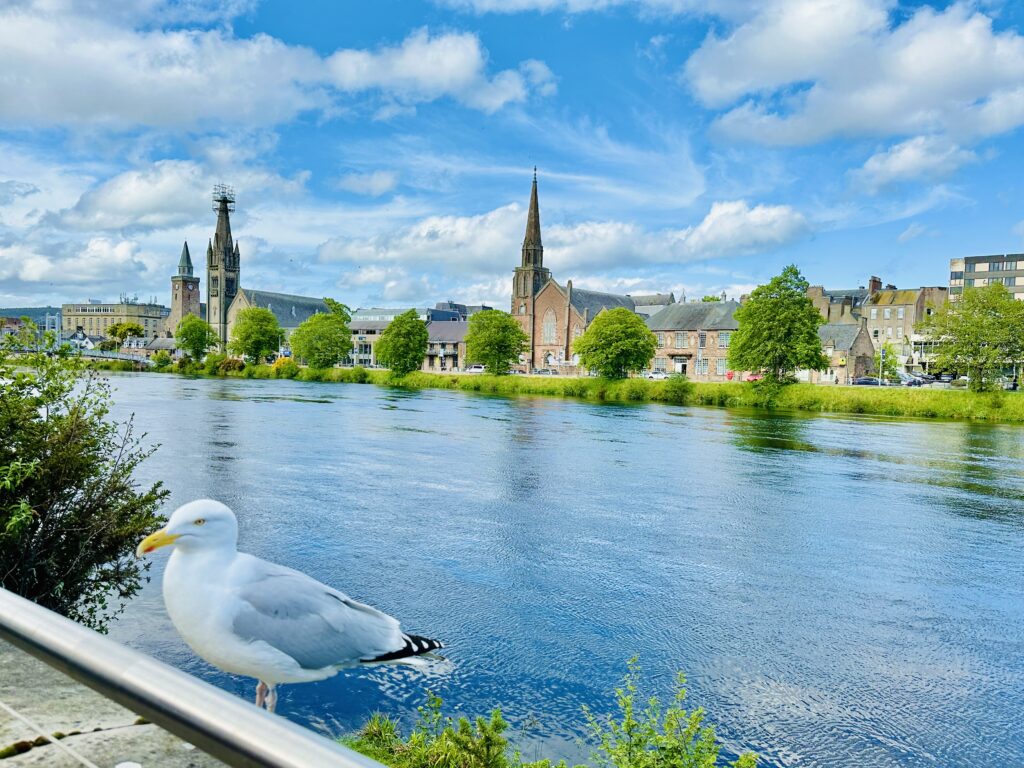
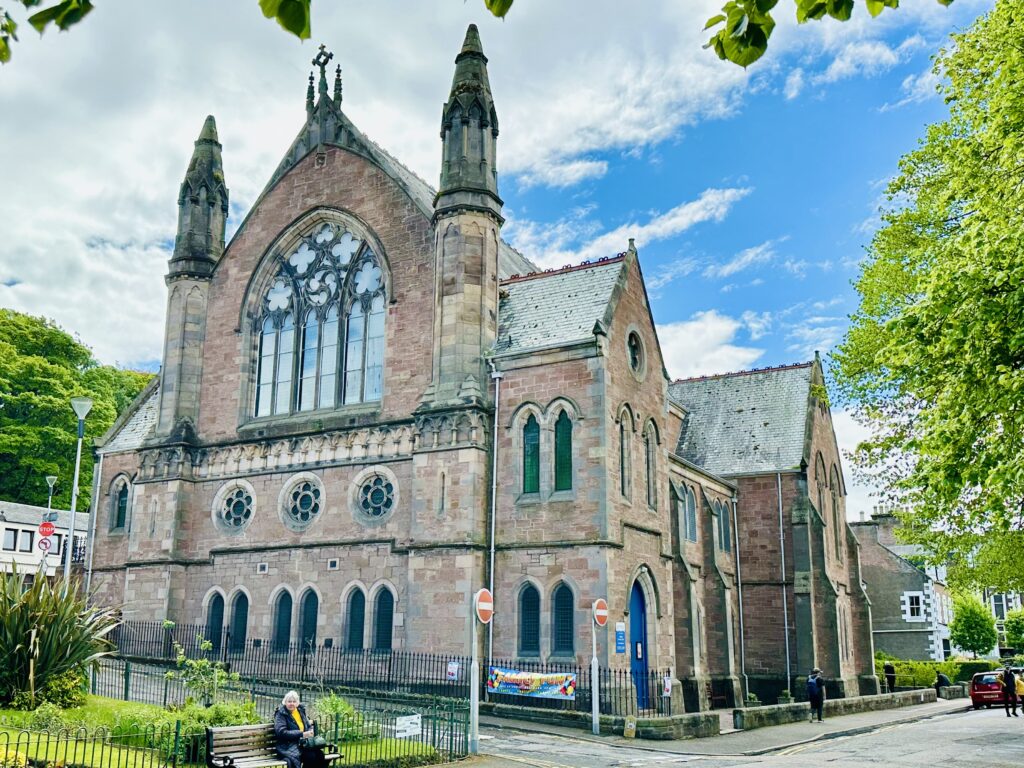
Ness Bank Church of Scotland
Ness Bank Church of Scotland was originally built as a Gaelic chapel in 1798. There’s large statue group next to the church depicting the three Christian virtues of Faith, Hope, and Charity.
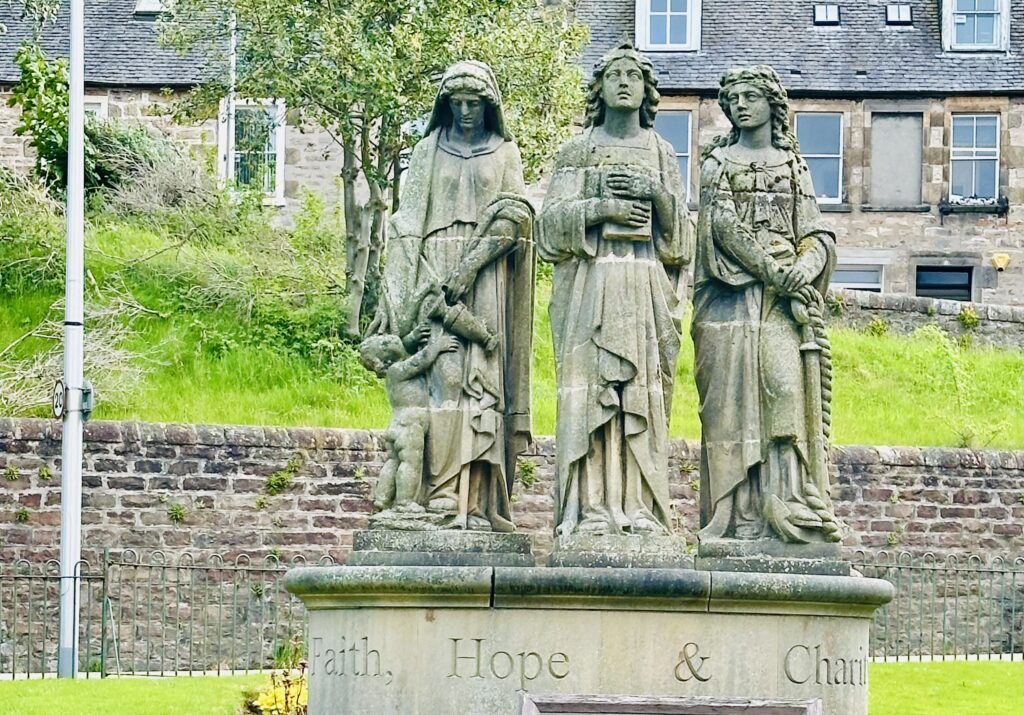
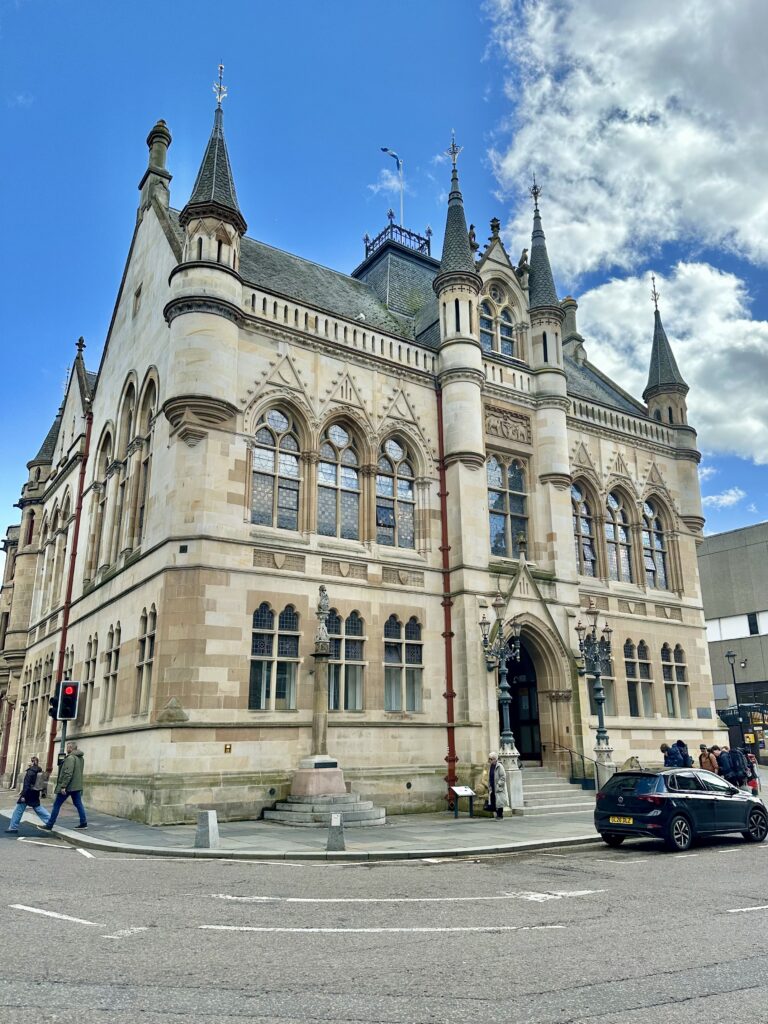
The Inverness Town House
The Inverness Town House on Castle Street and High Street is a venue for civic events and cultural gatherings. The stunning Victorian Gothic exterior was built from local sandstone in 1882 to replace the very first town house in Inverness, which was built in 1708.
There’re so many beautiful historic buildings and walks around Inverness that 3 days were not quite enough to see and do everything I wanted, especially as one day was given up for a day trip to Isle of Skye, which I would not miss for the world. Inverness definitely deserves a return visit and a longer stay. For now, I have to make do with this reminder of a great trip to a great place!