- Glorious Gloucester
- The Cotswolds – the perfect place for staycation in August 2021
- Warwick, Packwood, Charlecote – what a feast for the eyes!
- Stratford-upon-Avon in September 2021 – real bliss!
- Leamington Spa – the oft-overlooked gem of Warwickshire
- Henley-in-Arden via Newbury and Banbury
- Hereford is a secret well worth discovering
- Ross-on-Wye – the birthplace of “Picturesque Tourism”
- Leominster or Ledbury?
- Whitchurch – where? Why?
- A+ for Ardencote and Alcester!
- Long weekend in Warwickshire
- Captivating Cambridge
- February hotel breaks – Salisbury & Bournemouth
- Bristol – where edgy street art meets historical roots
- Brighton – where Bygones meet Bohemia
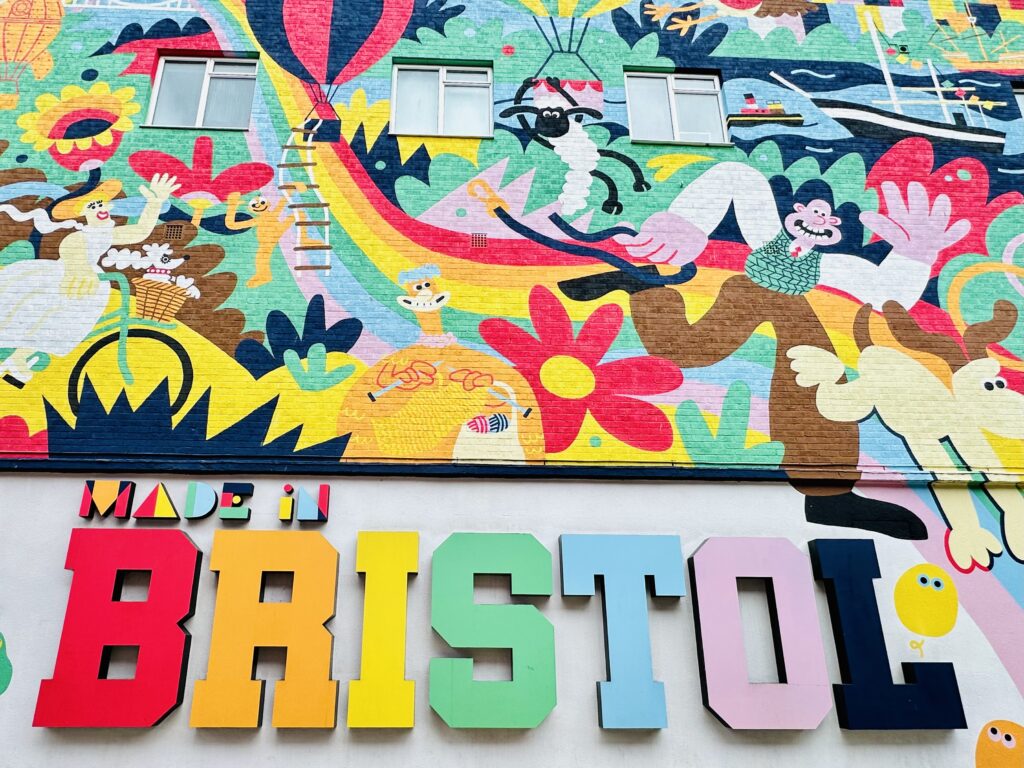
I love visitors from abroad. They have in mind destinations which would not normally be on my to-visit list. Bristol is such an example.
Having been there many years ago for work, I had no particular reason to revisit it! However I am glad I accompanied my sister to visit her friend there. I took the opportunity to meet up with my own friend and to spend a few days to reacquaint myself with Bristol. I would have missed a real treat otherwise!
Absence has turned Bristol from a plain chick to an exotic bird in my eyes! It has a lot going for it these days. Apart from the iconic suspension bridge, there’re the edgy art scene, the vibrant waterfront, not forgetting the grand buildings dotted around the historic heart of the city.
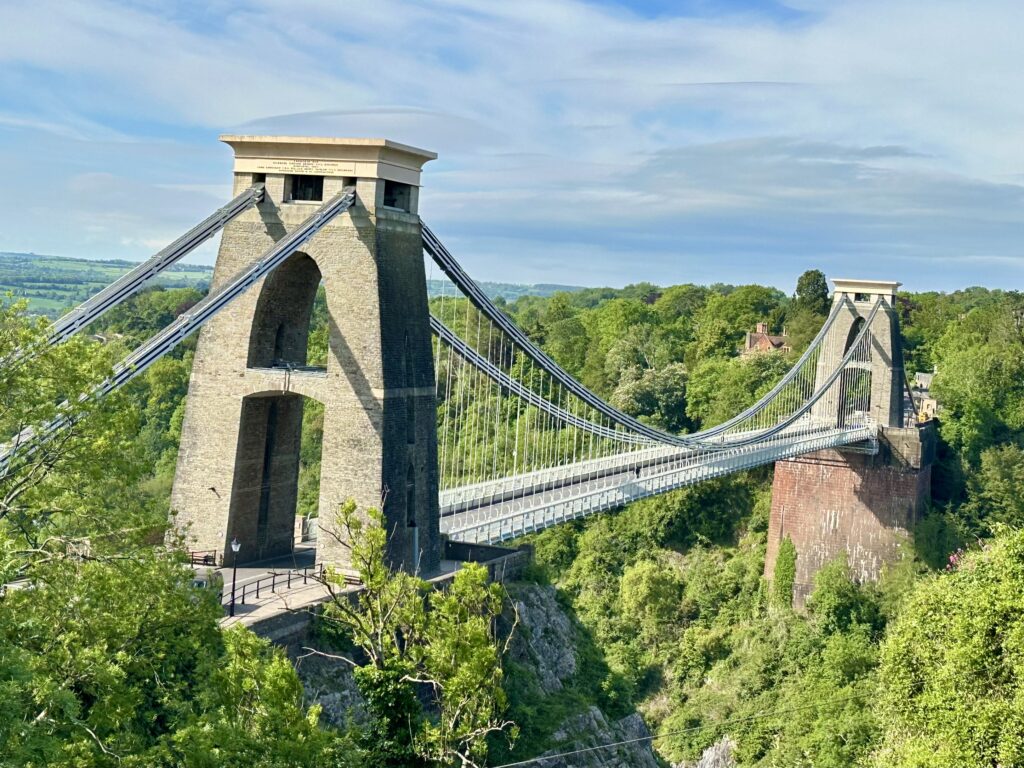
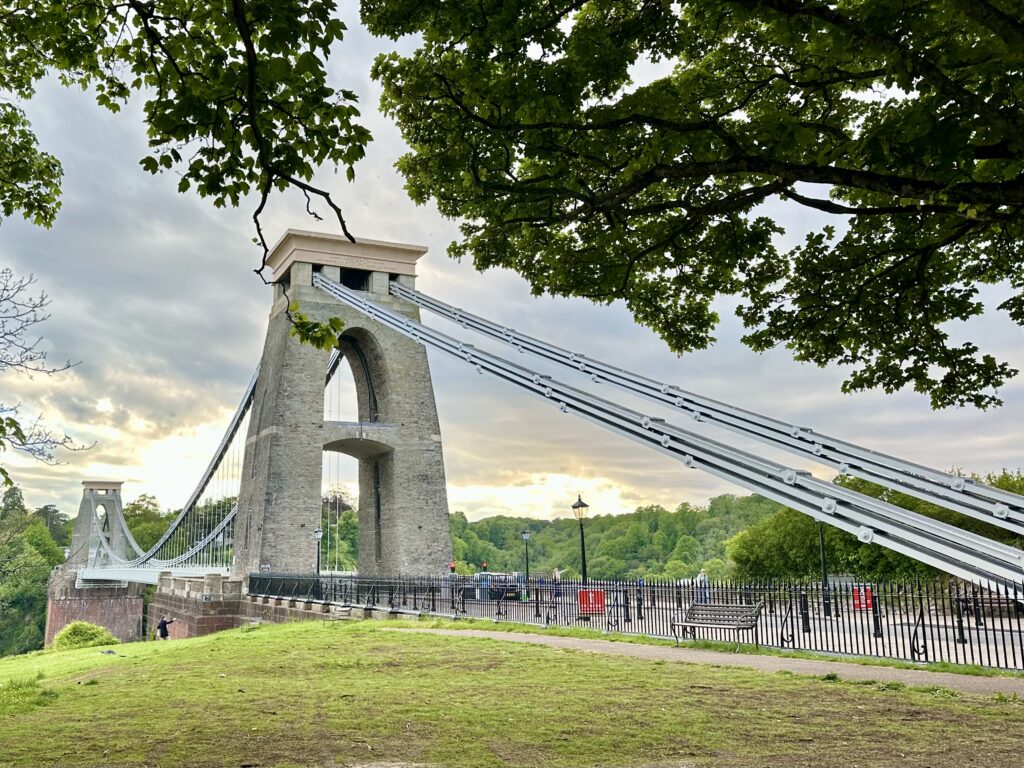
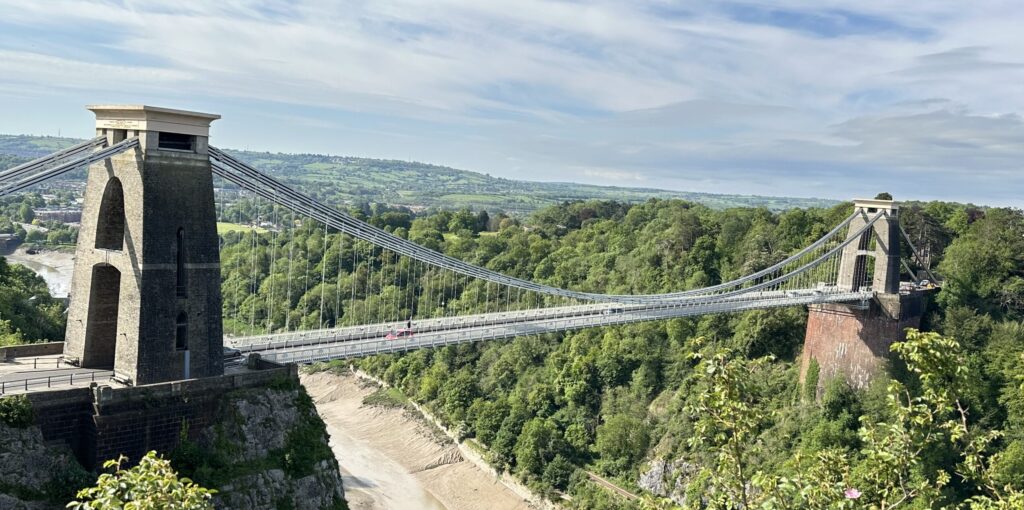
Bristol Suspension Bridge
When the 702-feet bridge stretching across the Avon Gorge was built in 1864 it was lauded as a masterpiece of Victorian engineering. Designed by the pioneering civil engineer Isambard Kingdom Brunel, it was to cater for horse drawn traffic. Nowadays it copes with over 12,000 vehicles crossing everyday.
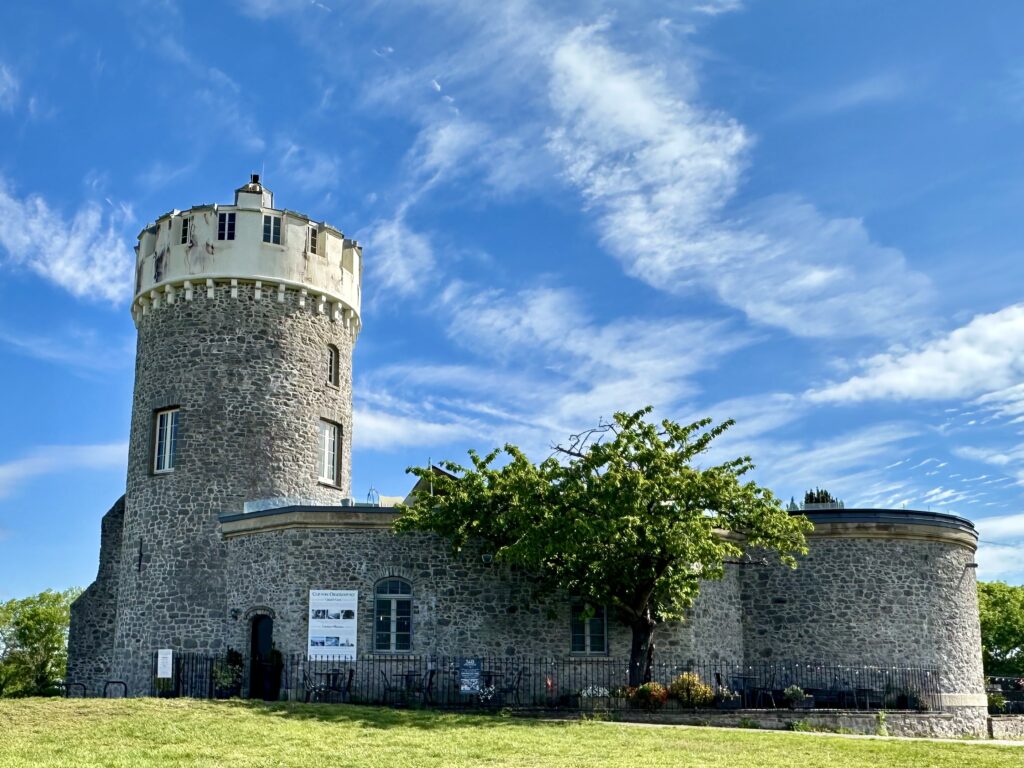
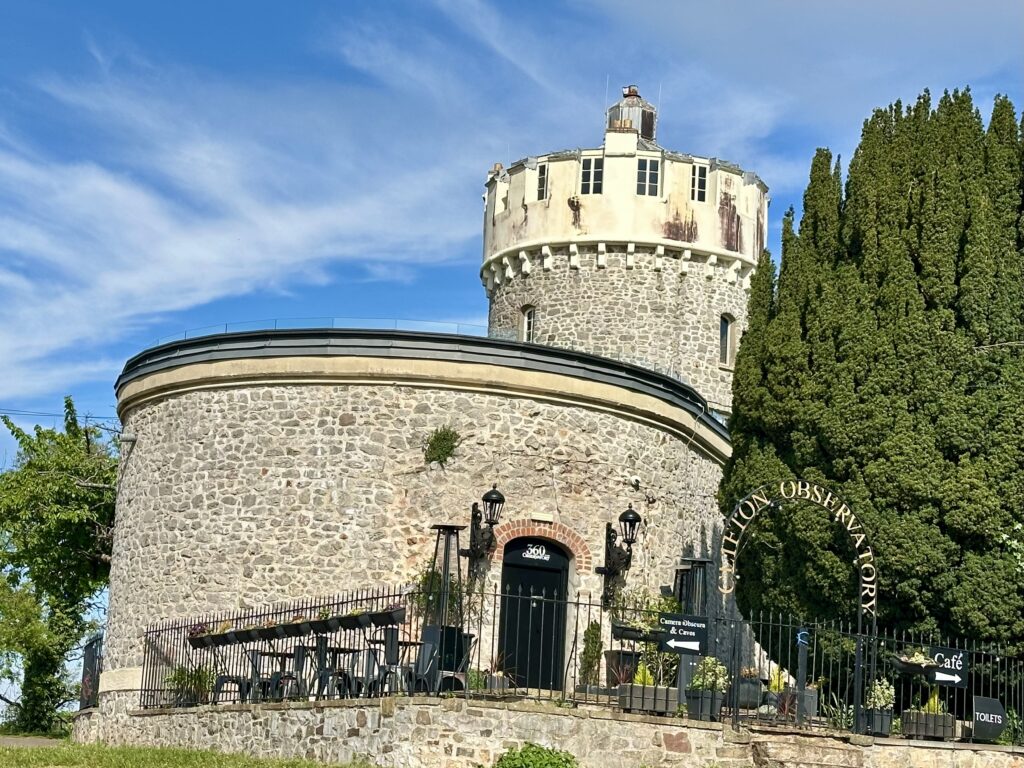
Clifton Observatory
Clifton Observatory has stood overlooking the Avon Gorge for over 250 years. The iconic round stone tower was originally built in 1766 as a corn windmill. Offering a stunning view of the Suspension Bridge and the City of Bristol, it now functions as a popular event venue.
Clifton Down
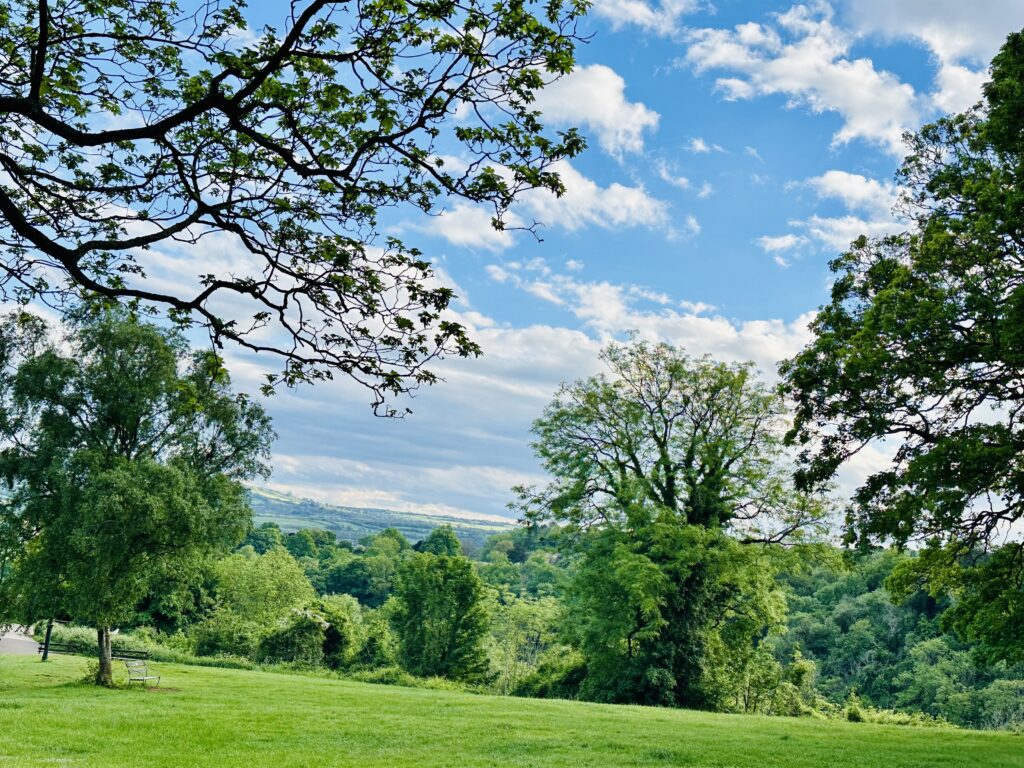
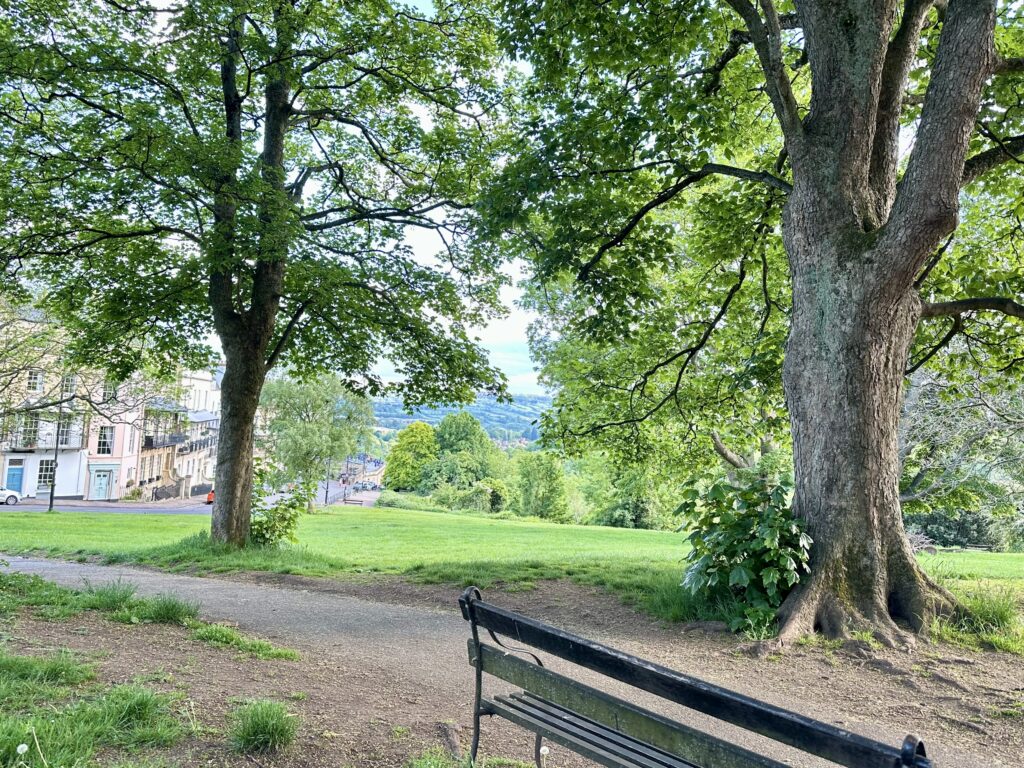
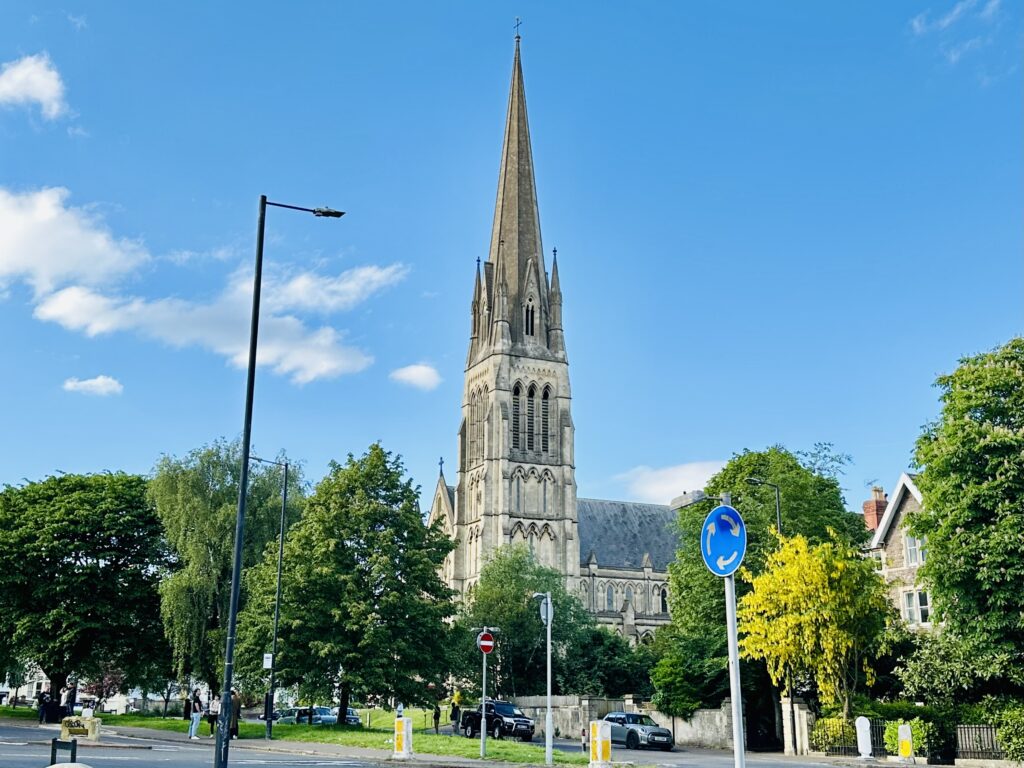
Clifton Down is a peaceful open space near the Suspension Bridge. It’s on the edge of the affluent village of Clifton, dominated by Christ Church.
Bristol Street Art
Who would have thought that the underground graffiti artist Banksy, who was a thorn on the side of the Bristol Council, ended up being a valuable ambassador for the city?!
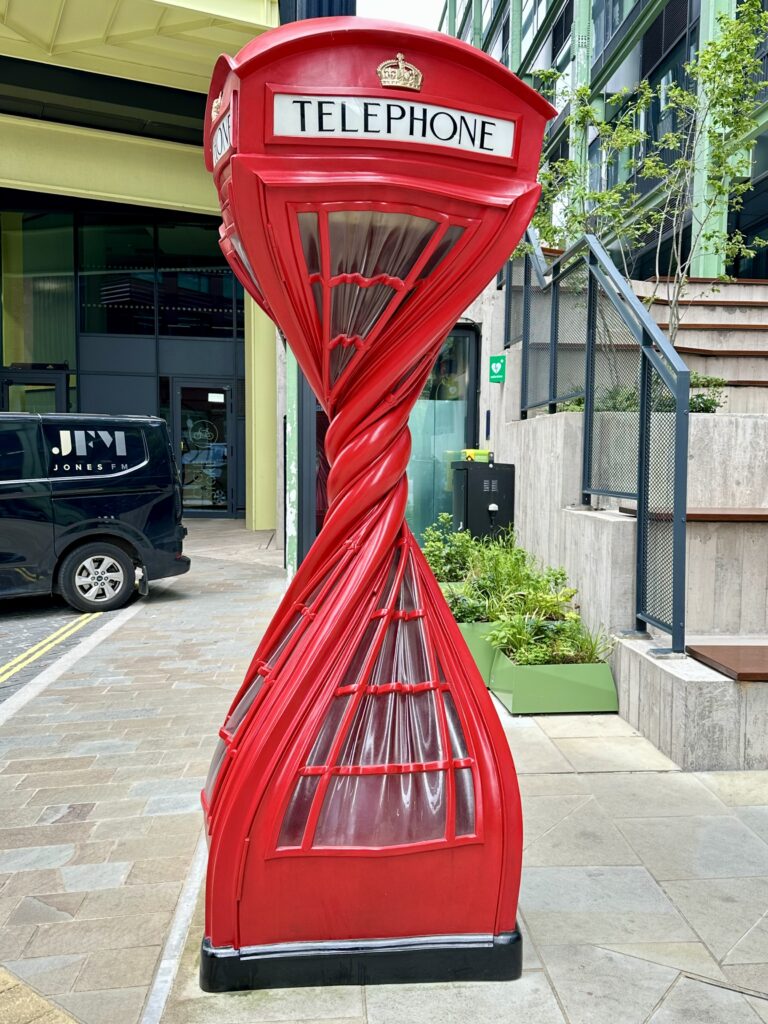
Worldwide fame has not just turned Banksy into a respected cultural figure, but it also provided inspiration for other street artists. There’s an overall artistic and spirited vibe about the city. This impression was reinforced when I stumbled across the knotted postbox at Cheese Lane and the twisted phone box just around the corner!
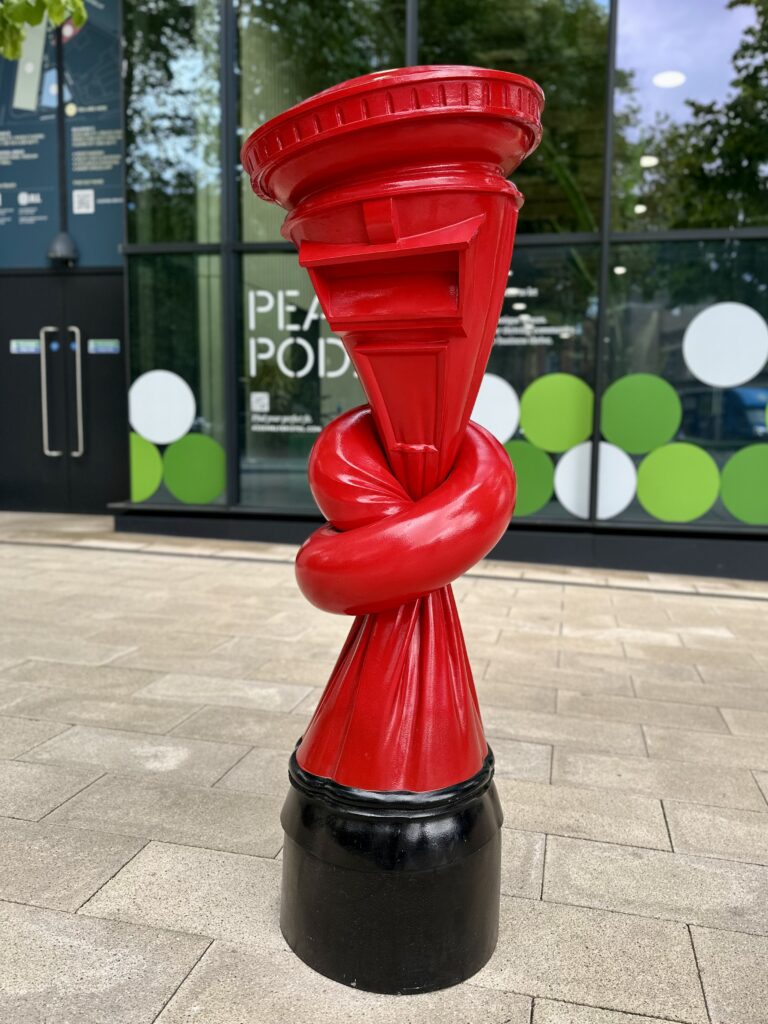
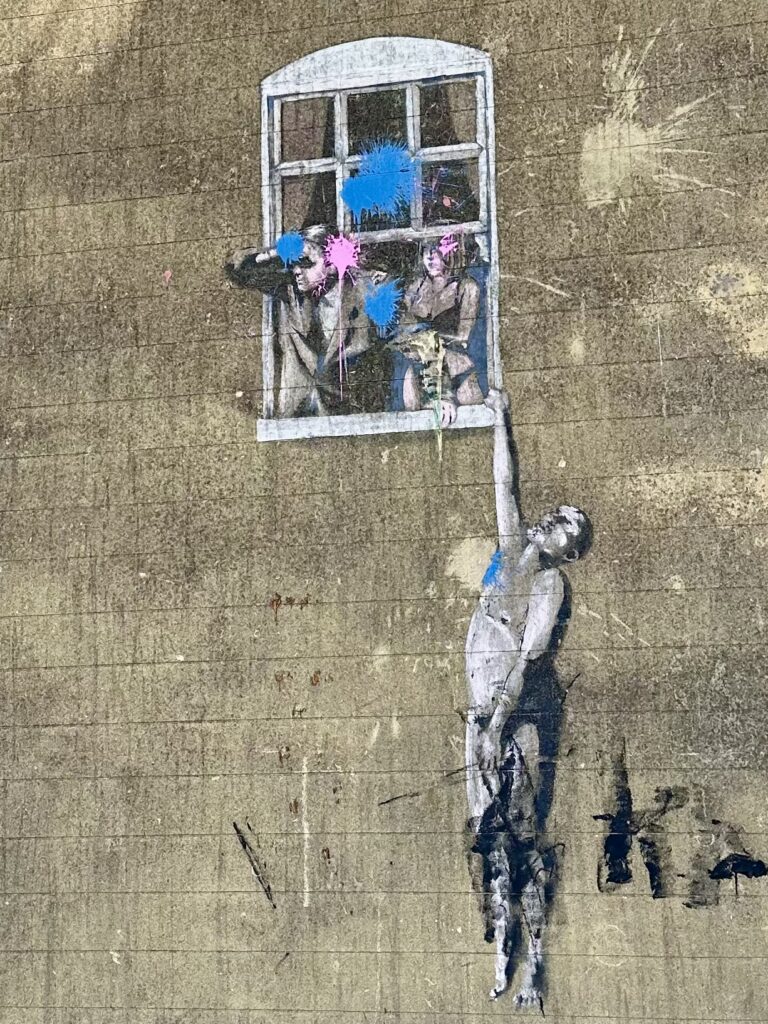
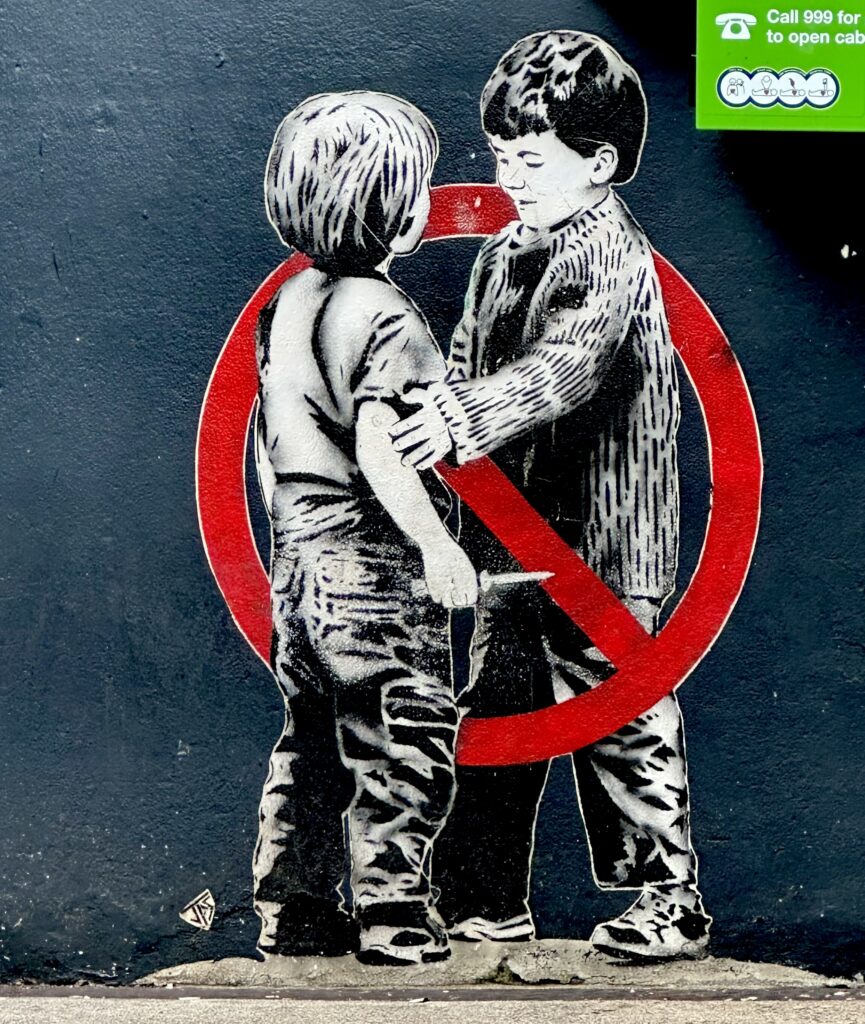
My friend and I joined an interesting 2-hour street art walking tour around Bristol city centre. Although I am not particularly into street art, it was interesting following the guide around hunting down famous graffiti! Here are a few of those pointed out by the guide.
I was rather disappointed that the vandalised image of Banksy‘s “well-hung lover” (on the left) was the only one of his work that we were shown.
Further on along Frogmore Street was the Anti-Knife Crime Piece (on the right), showing one child holding another back from pulling a knife, set against a red “no” symbol.
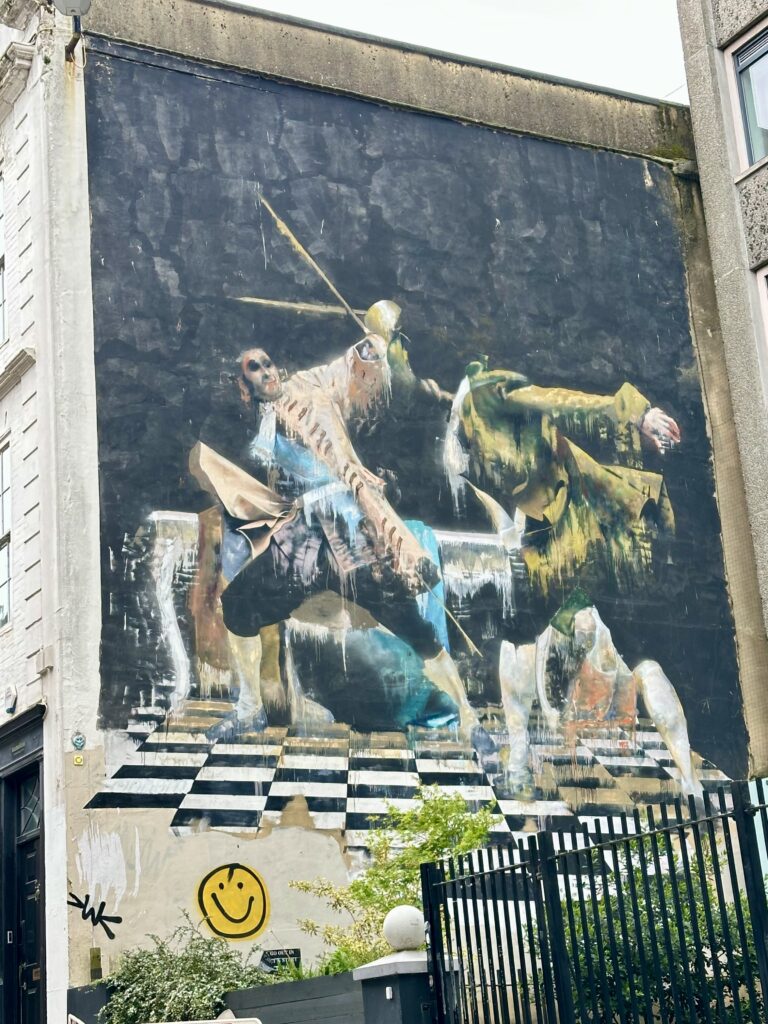
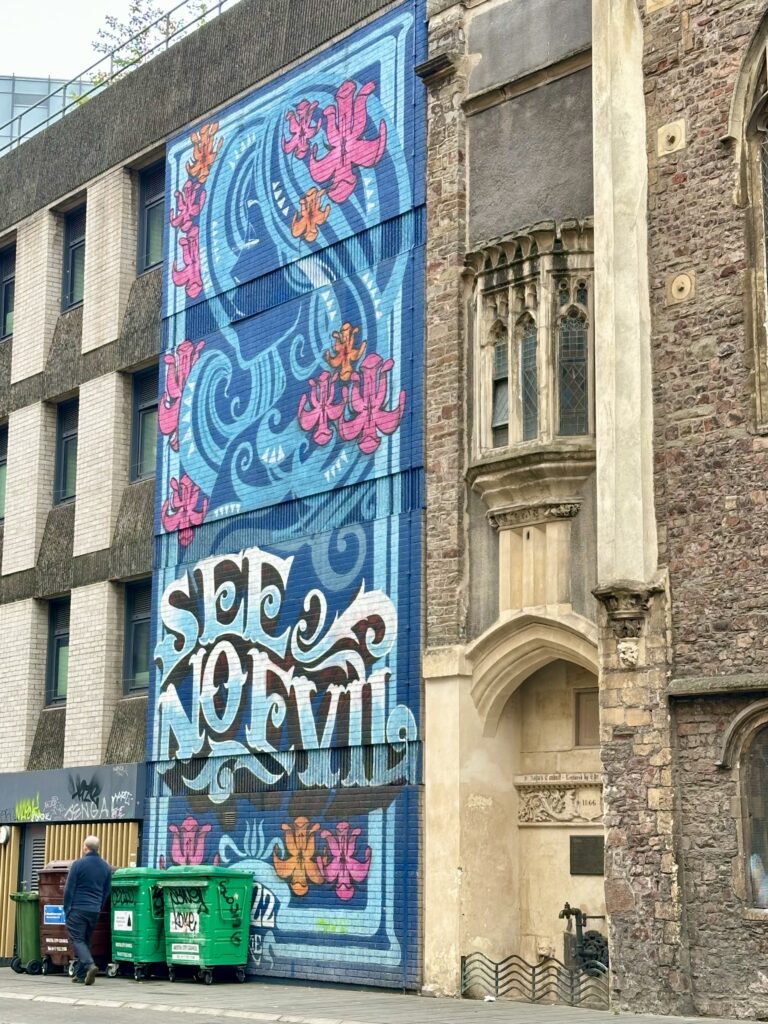
“The Duel of Bristol” (below left) was by Irish street artist Conor Harrington. It’s located on Broad Street and was his entry for Bristol’s “See No Evil” festival in 2012.
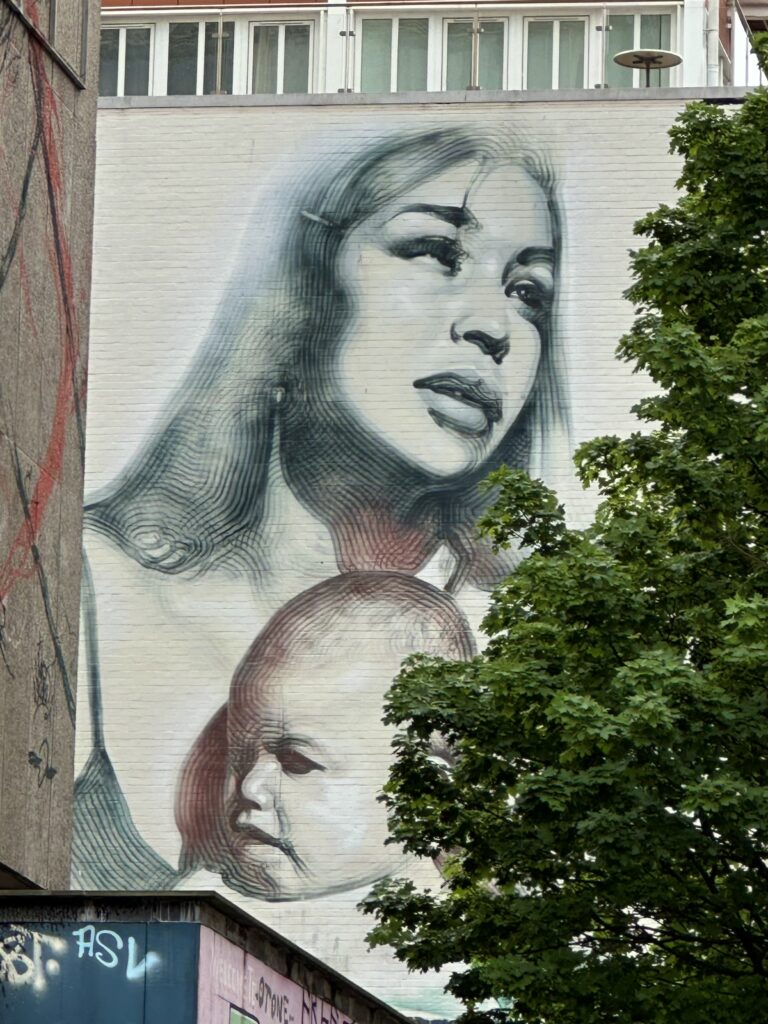
This six-story-high mural in the city centre which depicts a mother and child was painted during Bristol’s “See No Evil” festival in 2011 by a Spanish artist
Arts and Entertainment in Bristol
Bristol is home to nearly 70,000 students across 2 universities, accounting for nearly 15% of the local population. Diversity and vibrancy are palpable around the city. There’s no shortage of arts and entertainment venues.
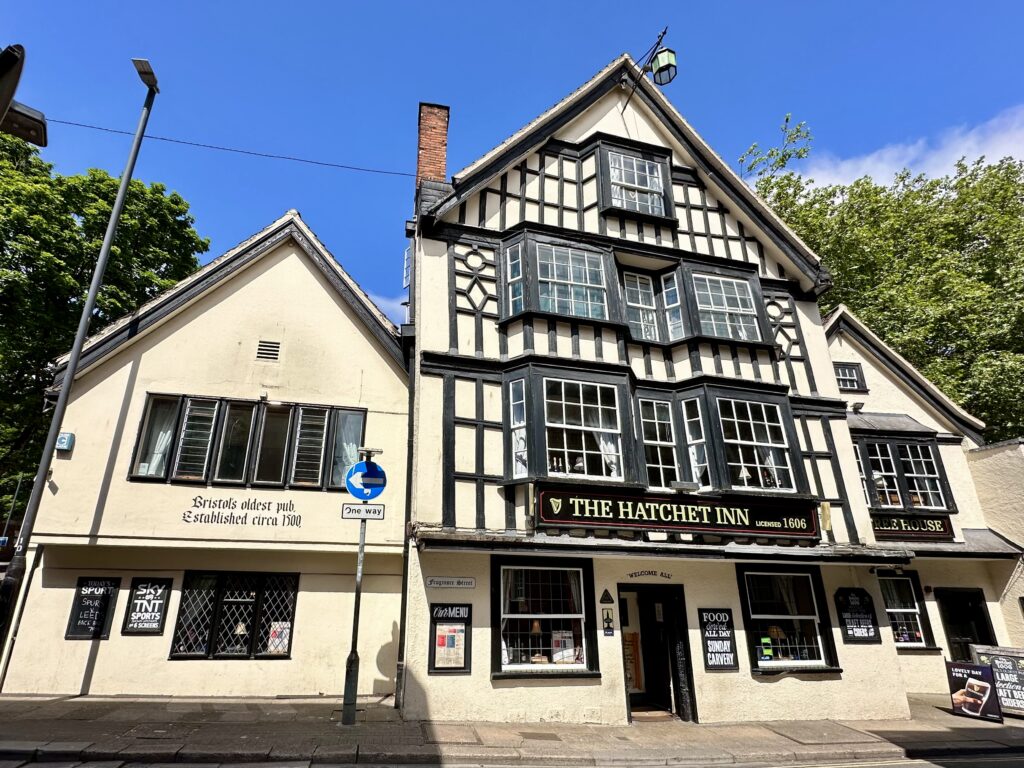
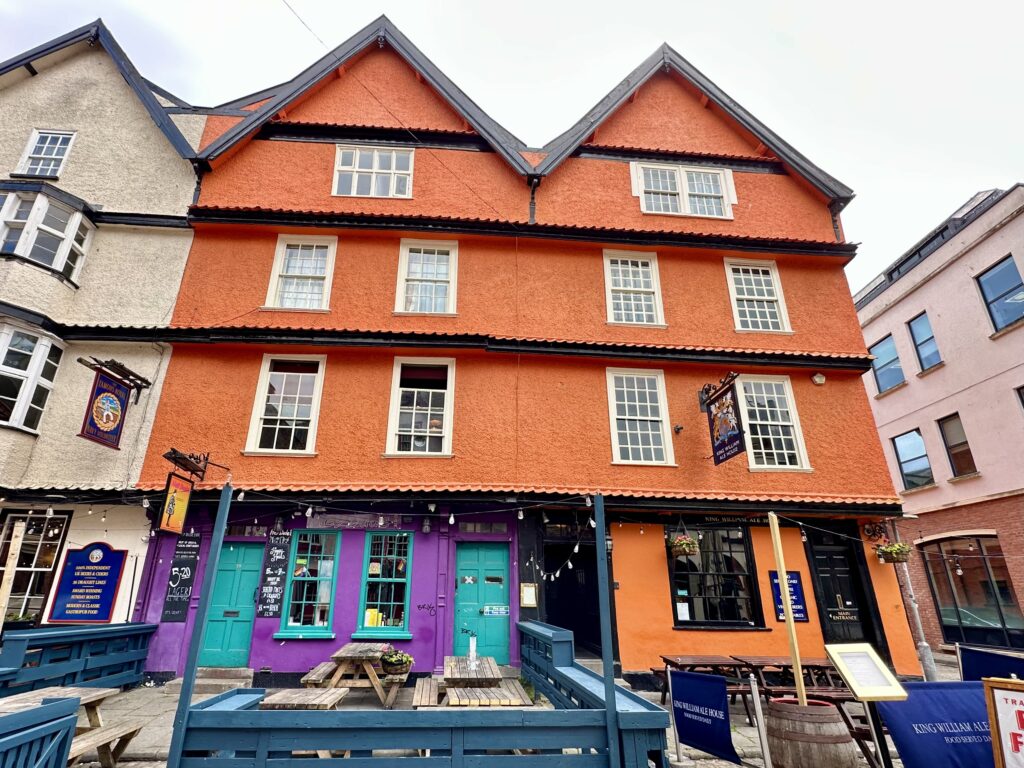
The Hatchet Inn
This Grade II listed building is famously known as the oldest continuously operating pub in the city, dating back to 1606 when the licence was granted. From the historic façade it’s hard to imagine this as a venue for “Alternative Music”, featuring rock and heavy metal nights; yet it’s been so since the 1980’s
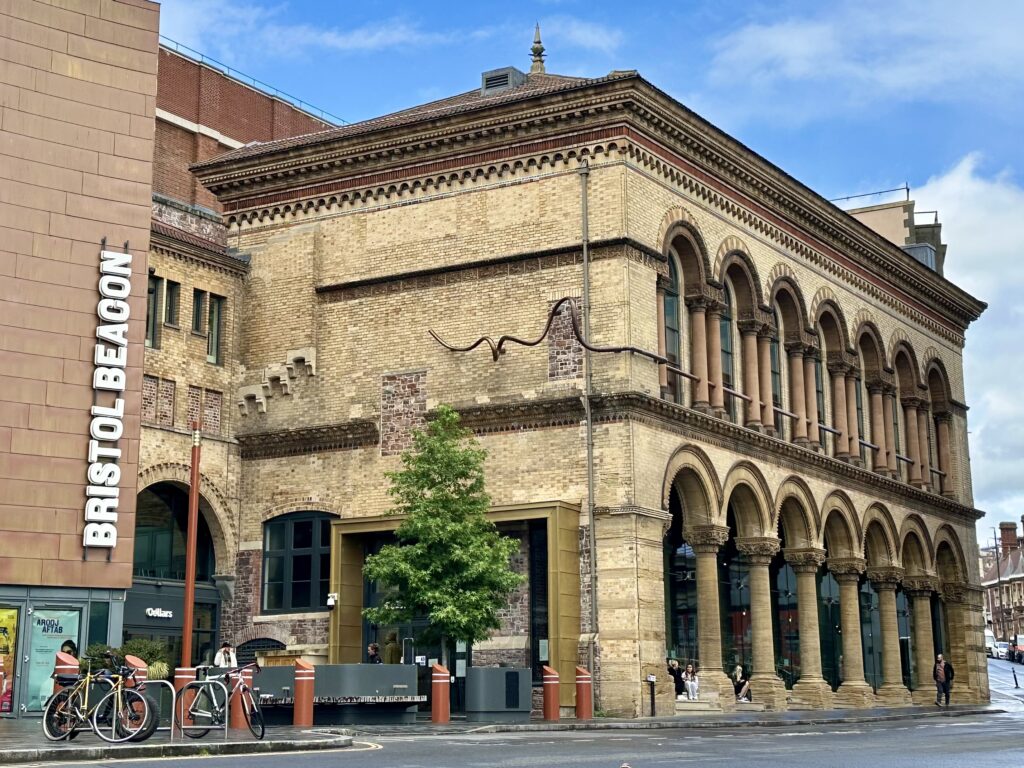
The Bristol Beacon
Formerly known as Colston Hall, this Byzantine-styled concert hall was built in phases between 1867 and 1873. It is the city’s largest live music and arts venue
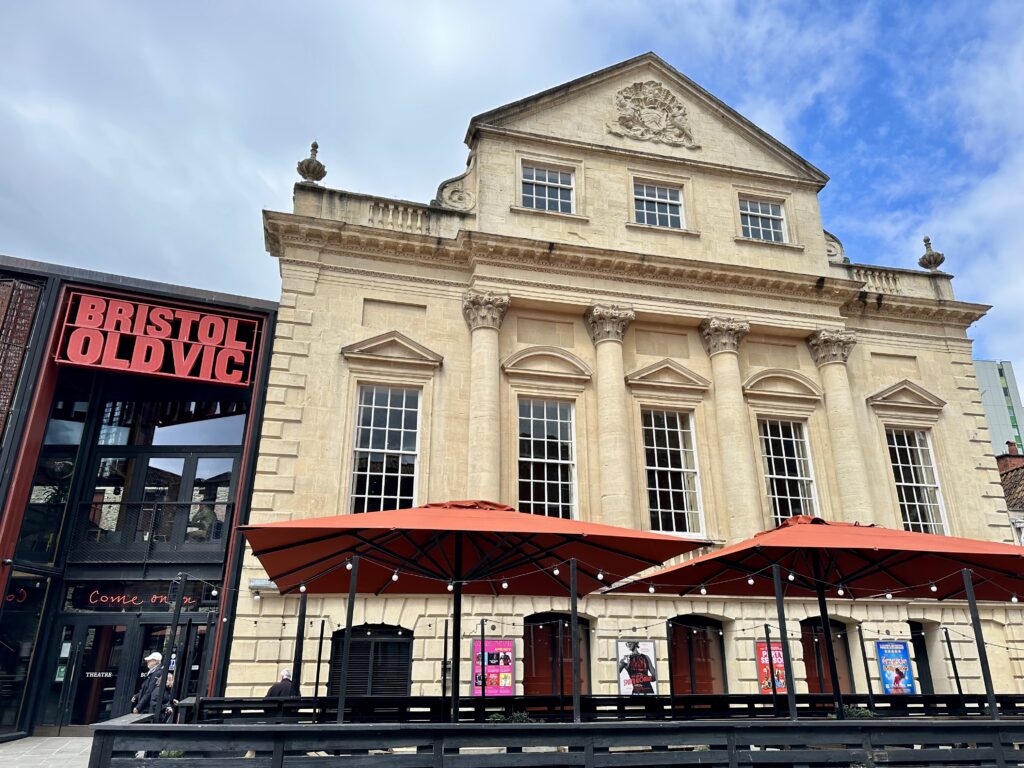
Bristol Old Vic
Located on King Street in Bristol’s historic city centre, Bristol Old Vic has been operating since 1766. It is the oldest continuously working theatre in the English speaking world.
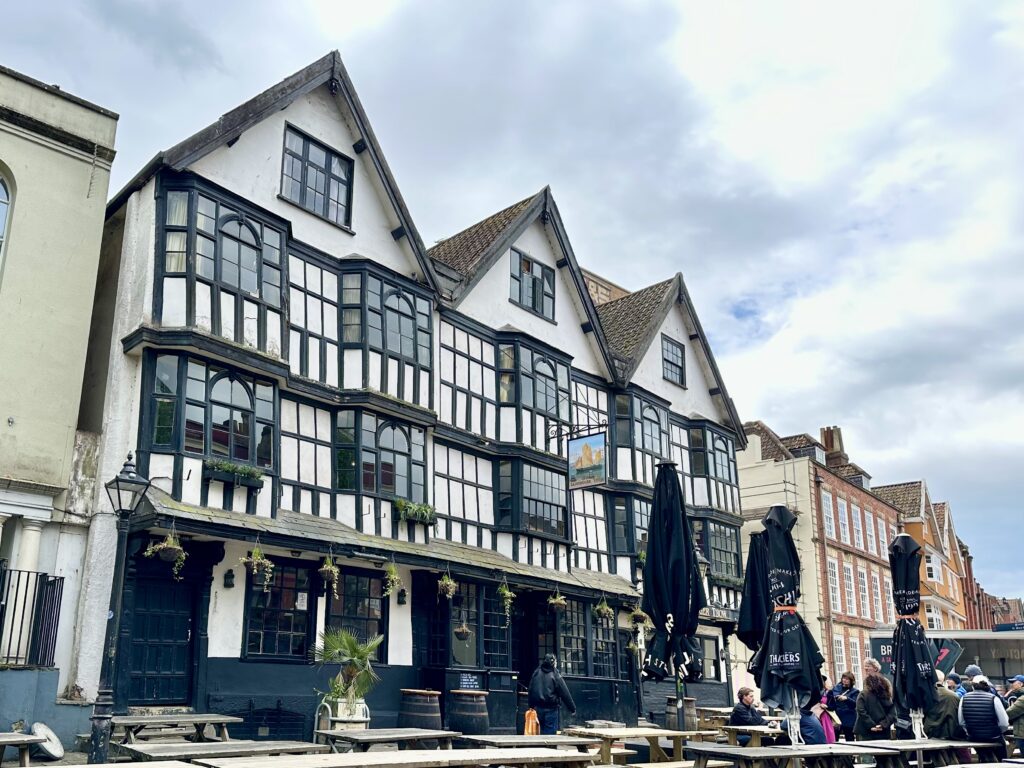
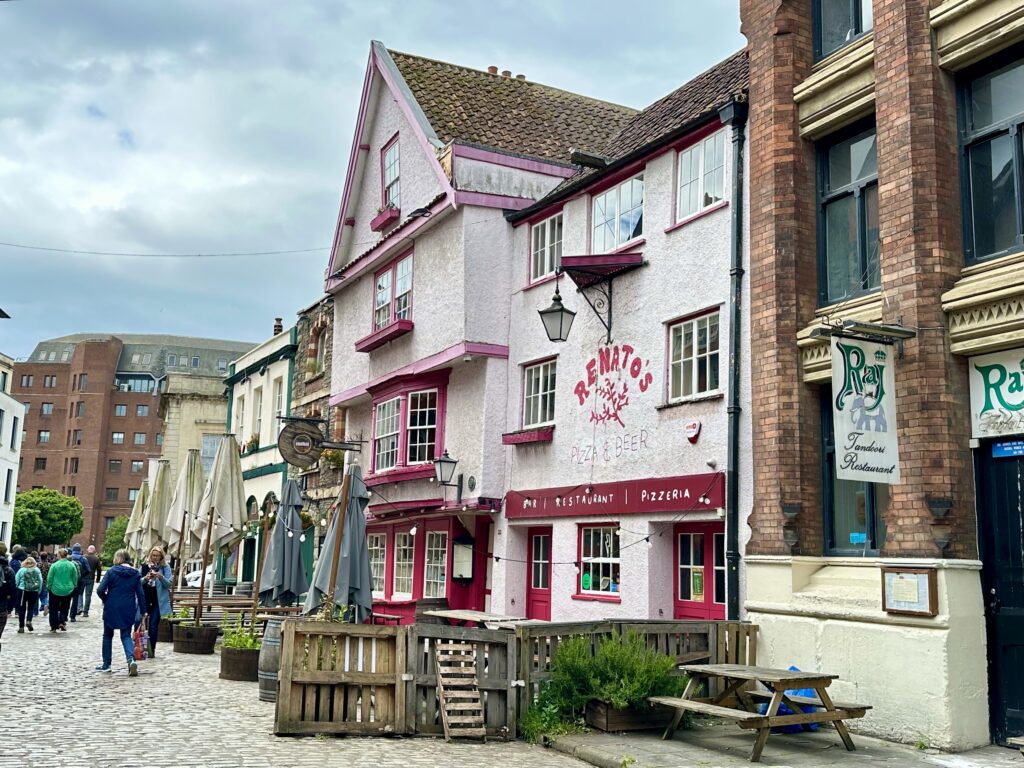
King Street itself is famous for its well-preserved 17th- century architecture
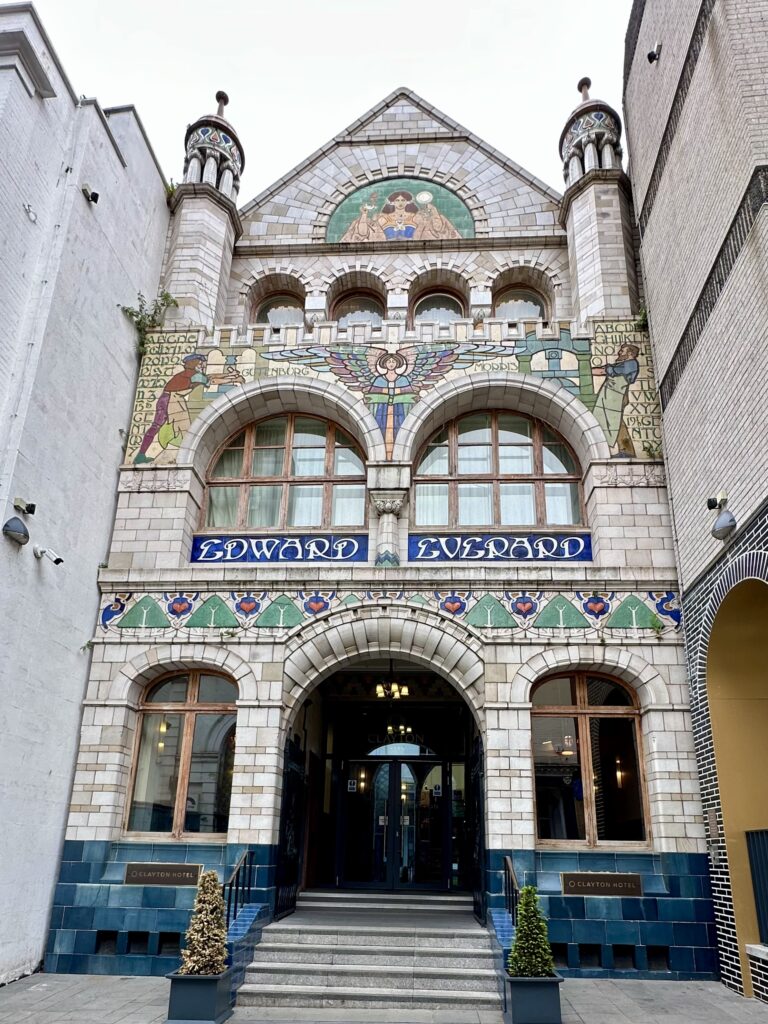
Edward Everard Building
This building on Broad Street was commissioned by printer and publisher Edward Everard in 1900, hence the name on the front. It’s one of Bristol’s most distinctive architectural landmarks of Art Nouveau design. Nowadays the façade forms part of the Clayton Hotel Bristol City.
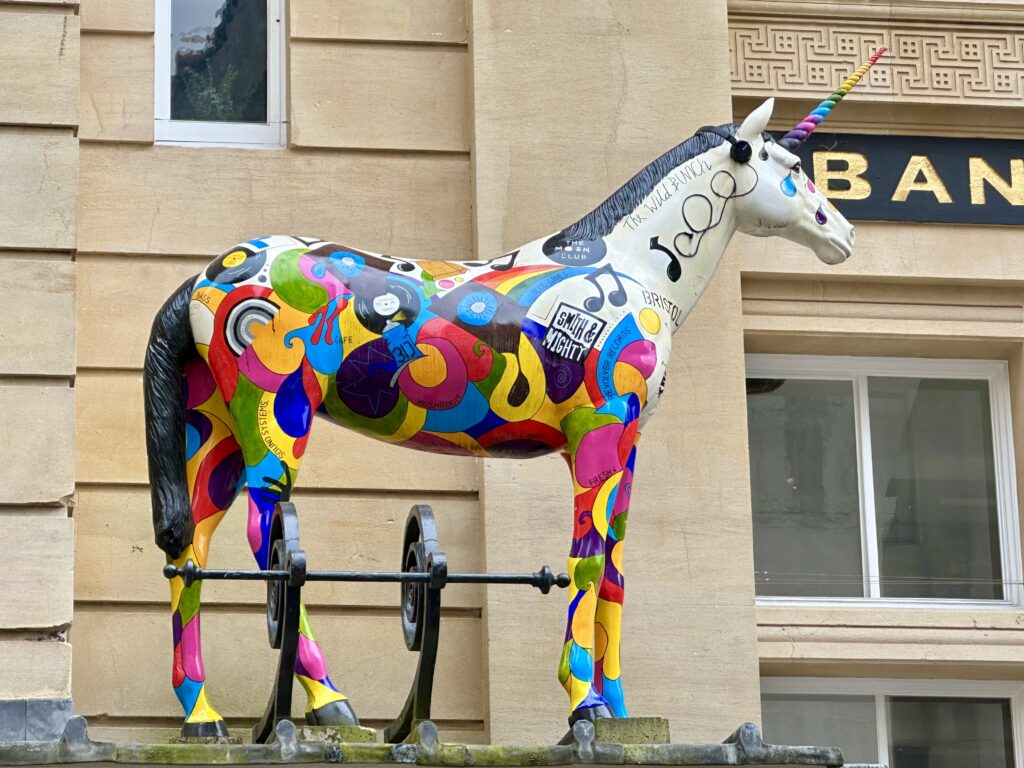
Unicornfest
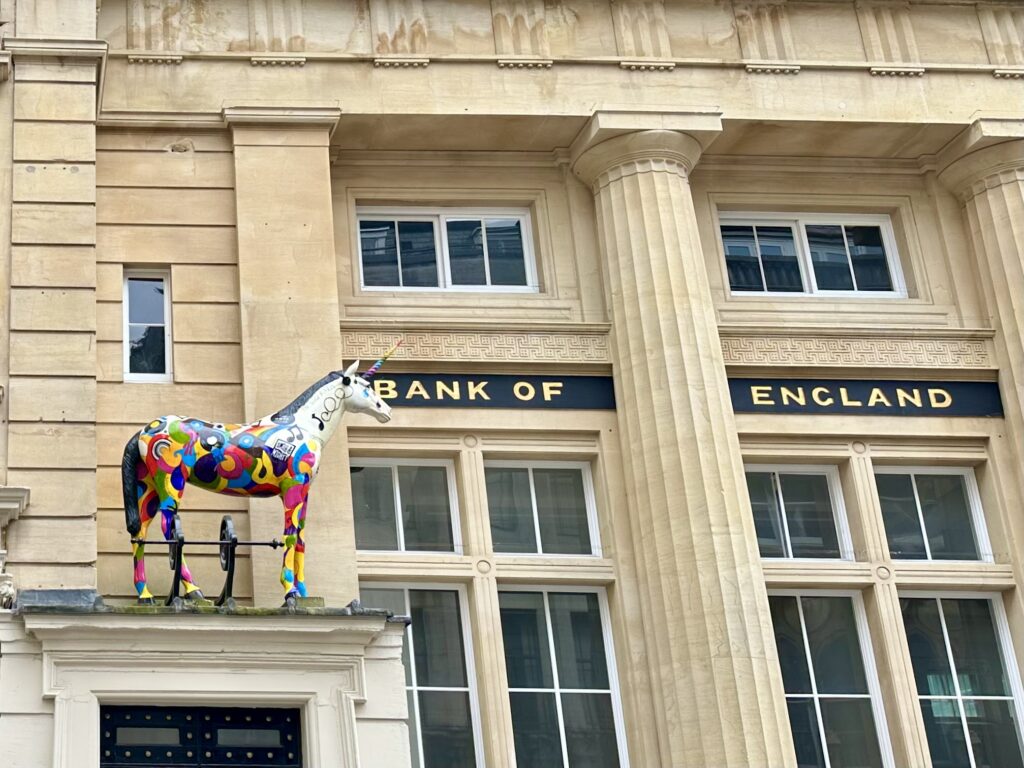
The colourful unicorn outside the Grade I listed former Bank of England building on Broad Street is part of Unicornfest, a public art trail in Bristol to raise funds for the charity Leukaemia Care.
The former Bank of England building is now called The Bank Apartments, a collection of luxury serviced holiday rentals and suites
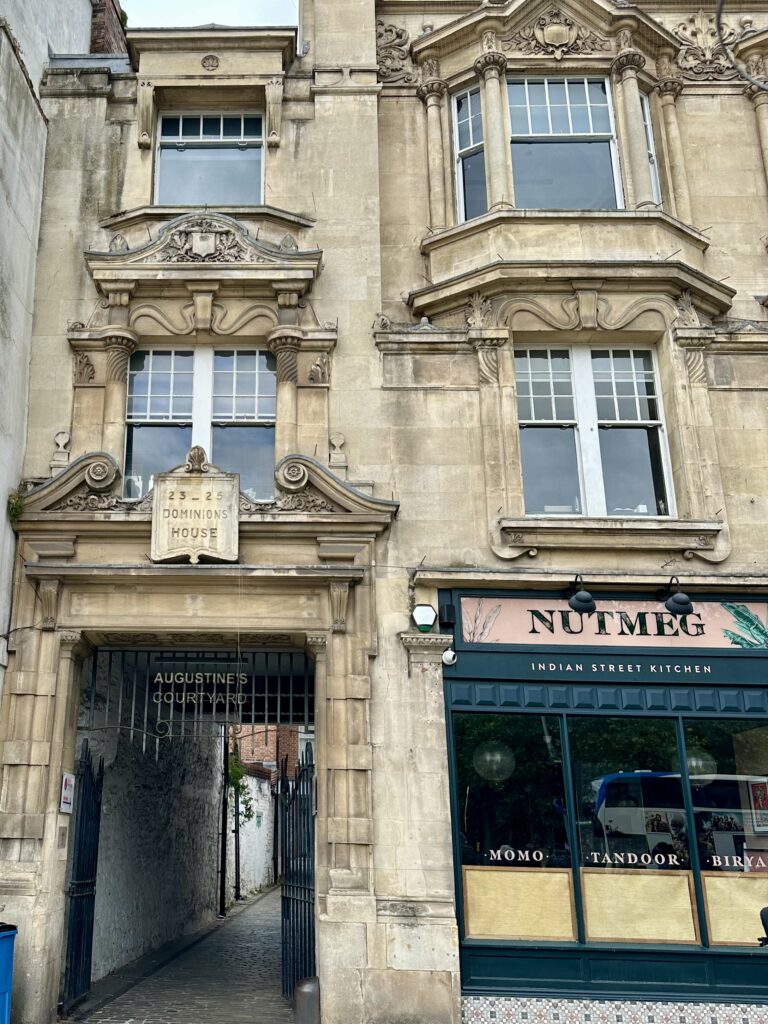
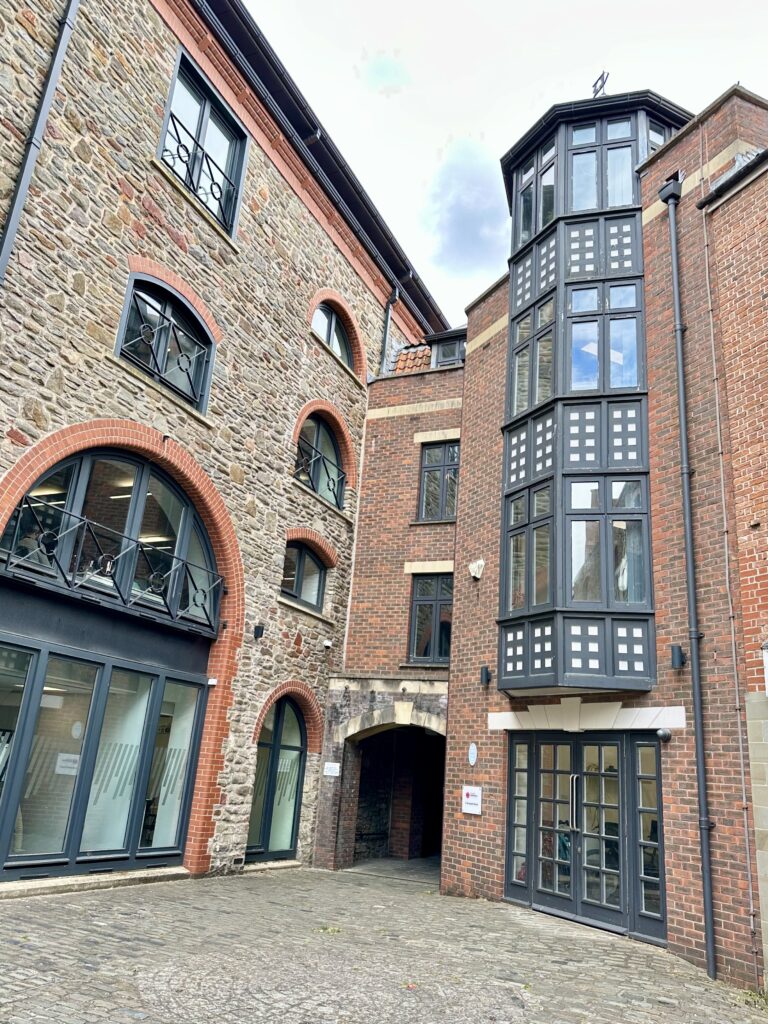
Dominion House on Augustine’s Parade
This is another repurposed historic building in the heart of Bristol. It was constructed between 1899 and 1901 and is now a Grade II-listed building. However, behind the preserved frontage is a contemporary development for office and commercial unit
College Green
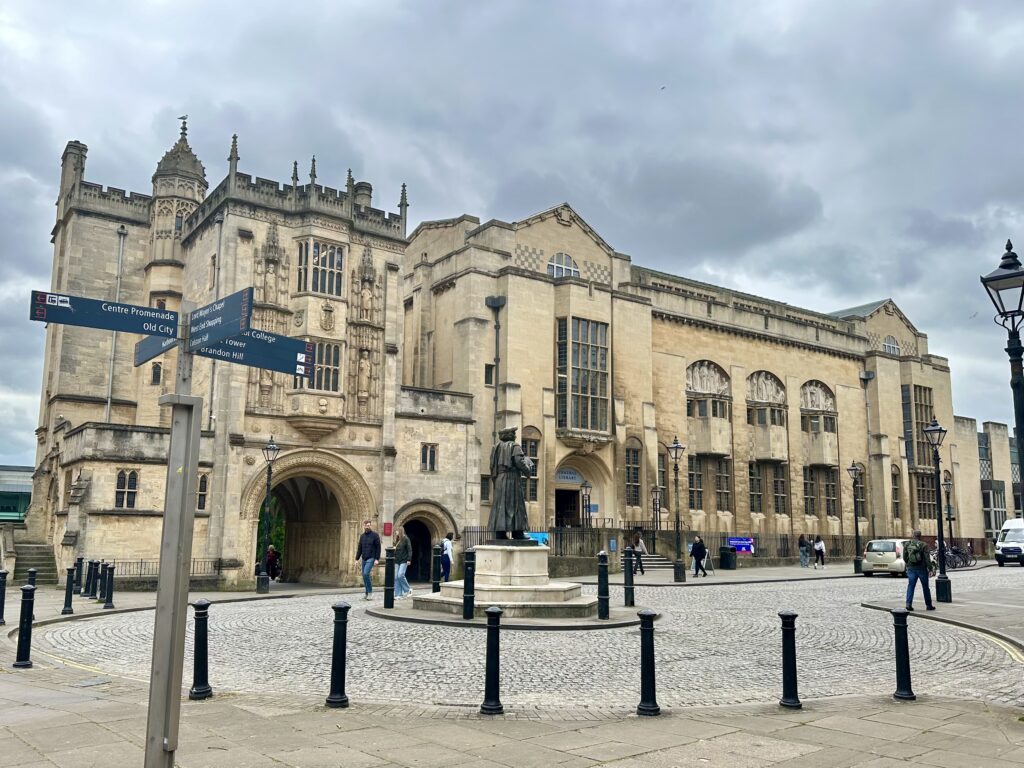
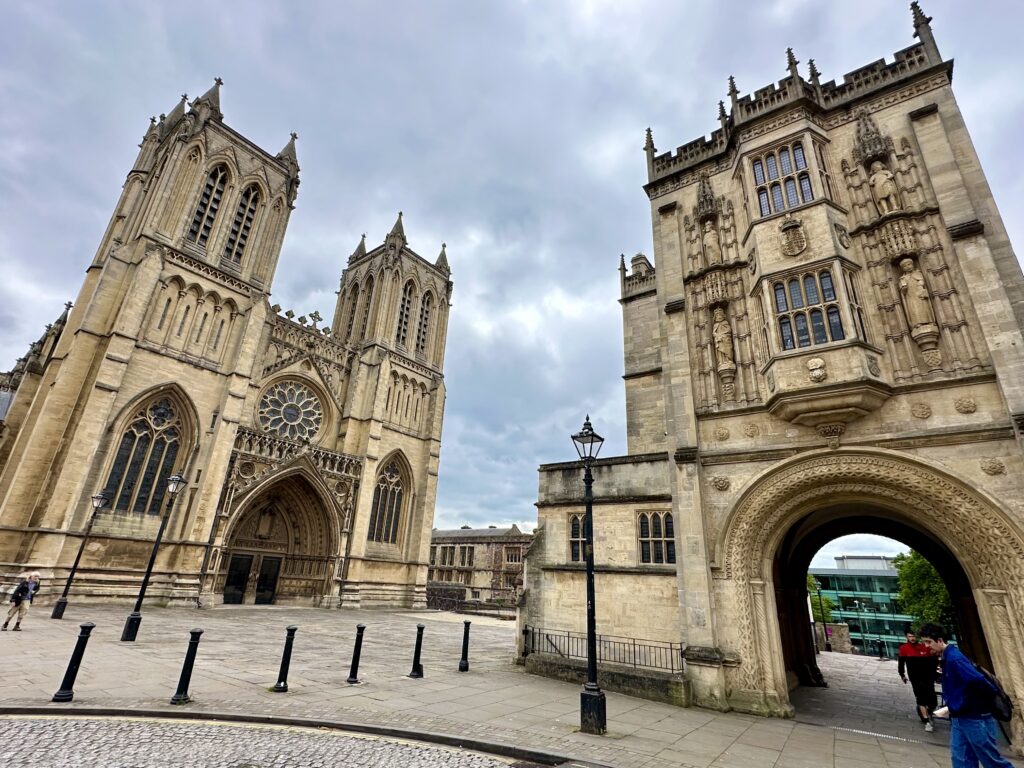
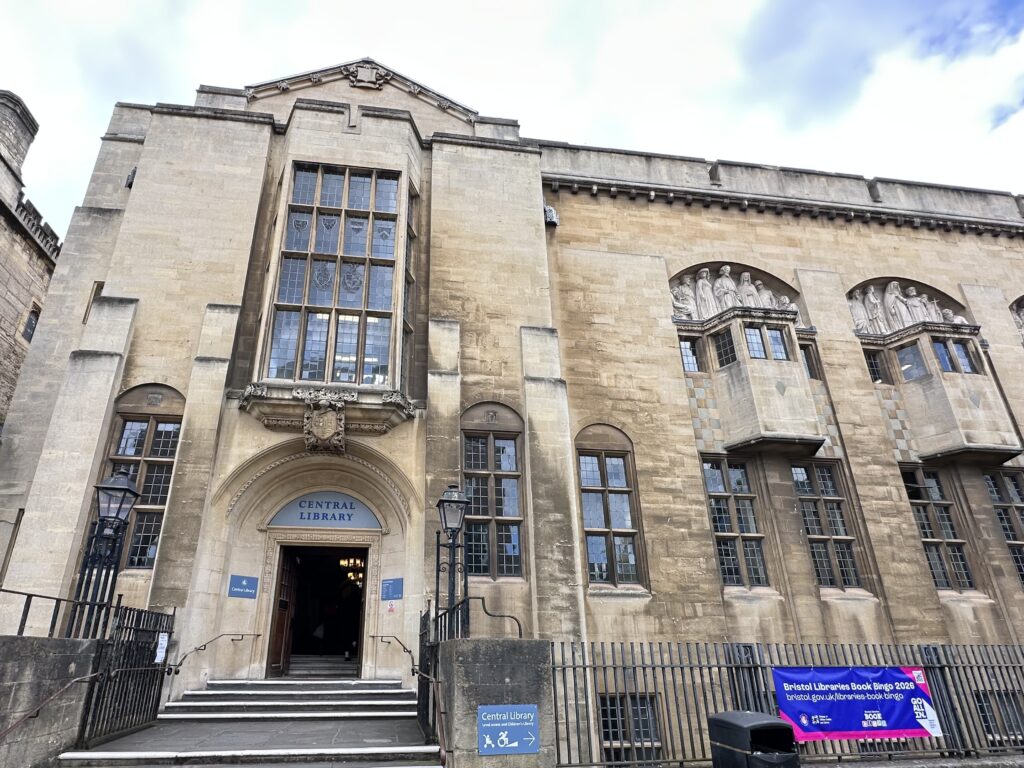
College Green is the historic and civic heart of Bristol, dominated by major architectural landmarks spanning nearly 900 years: Bristol Cathedral, Abbey Gate, Central Library, City Hall…
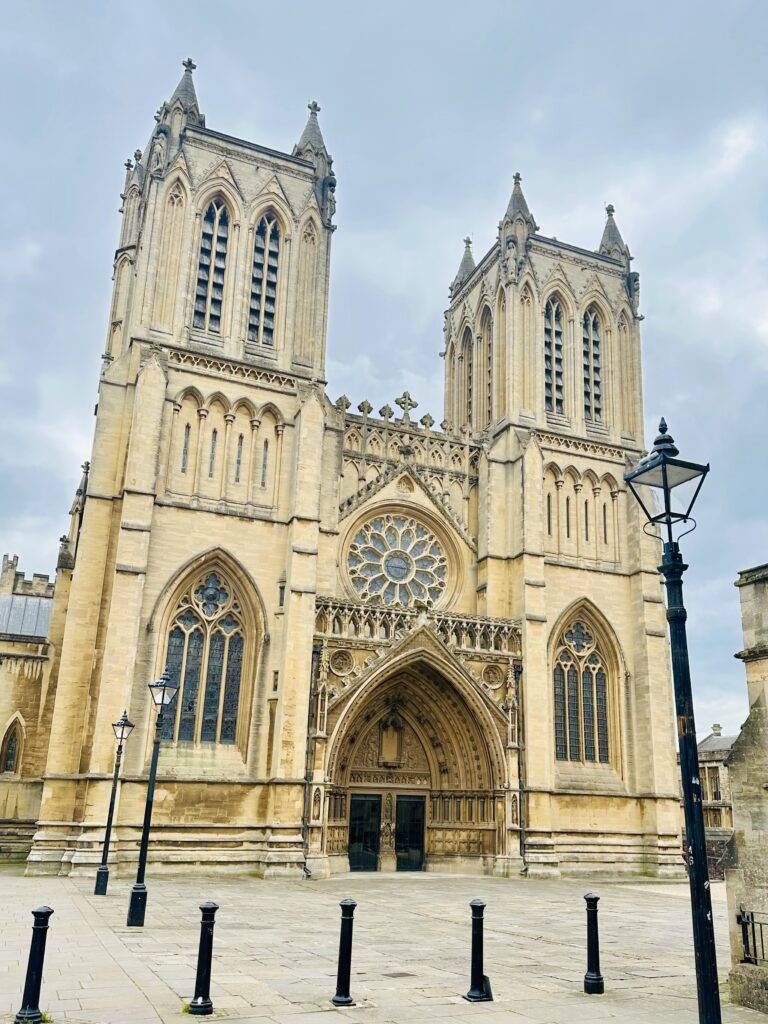
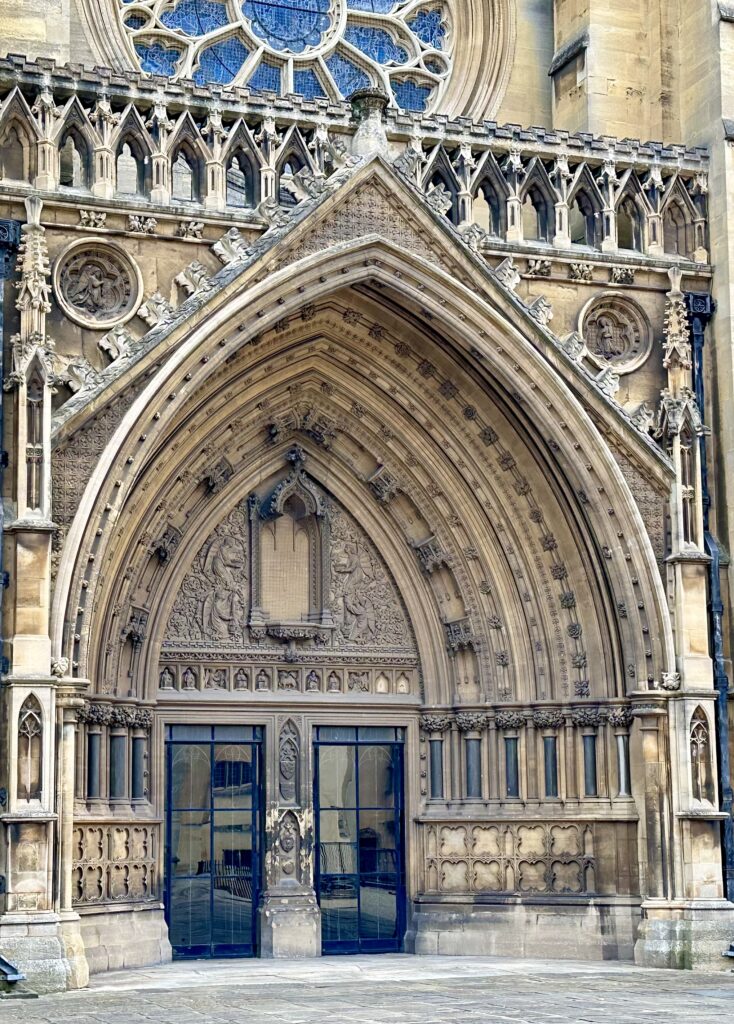
Bristol Cathedral
The stunning Grade I listed building was originally founded in 1140 as St Augustine’s Abbey.
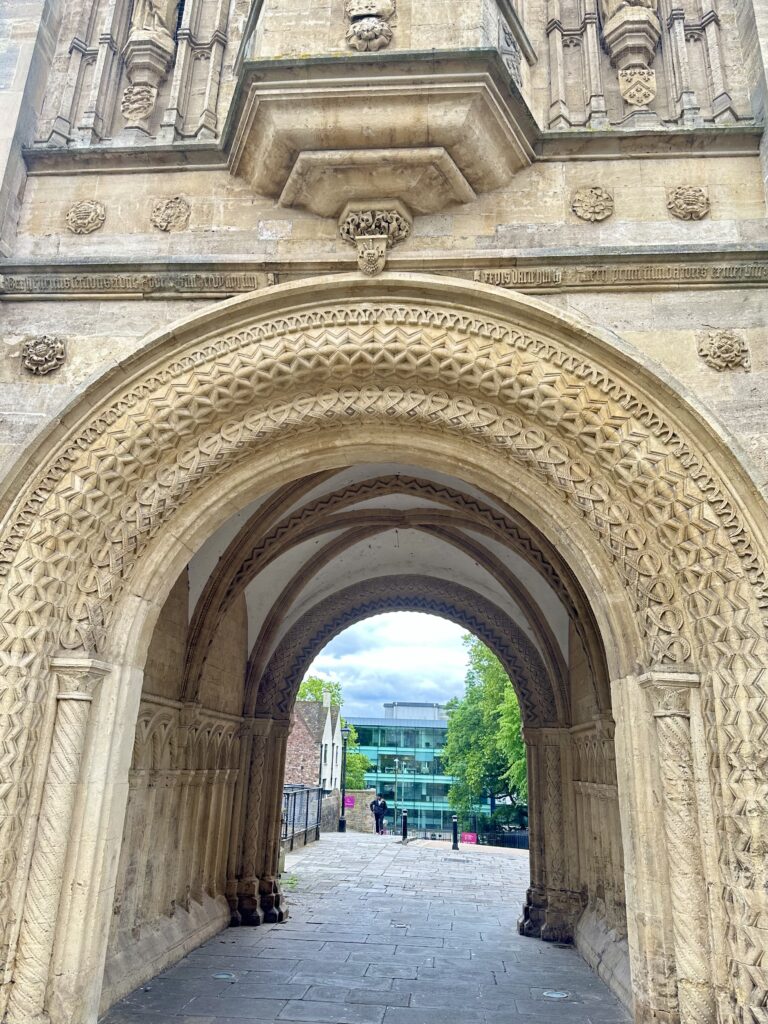
Abbey Gatehouse
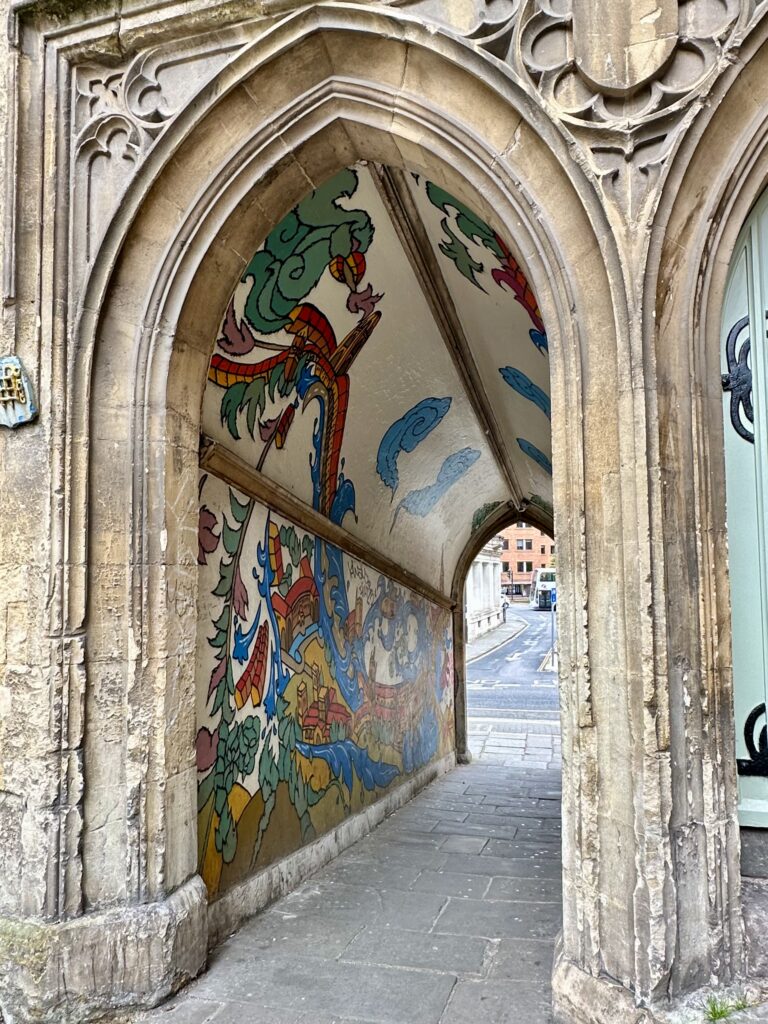
This spectacular 12th-century stone archway that originally served as the grand entrance to the old monastery is now an entrance to the Cathedral grounds.
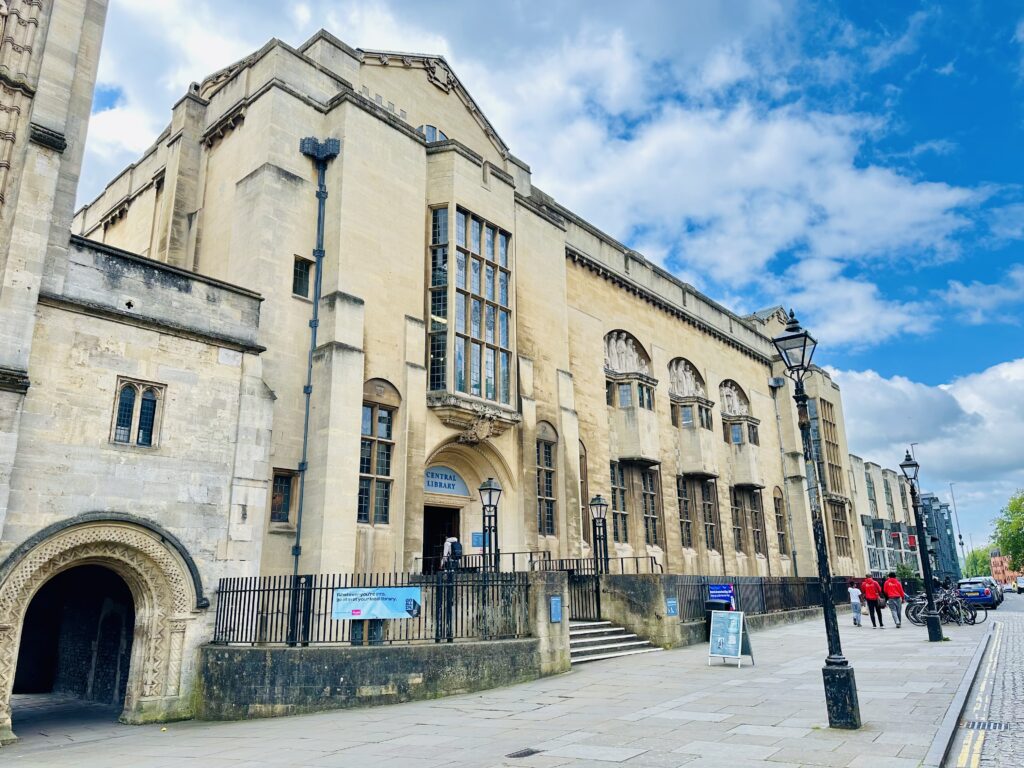
Bristol Central Library
This Edwardian building with a curved Neo-Baroque façade is located right next to Abbey Gatehouse
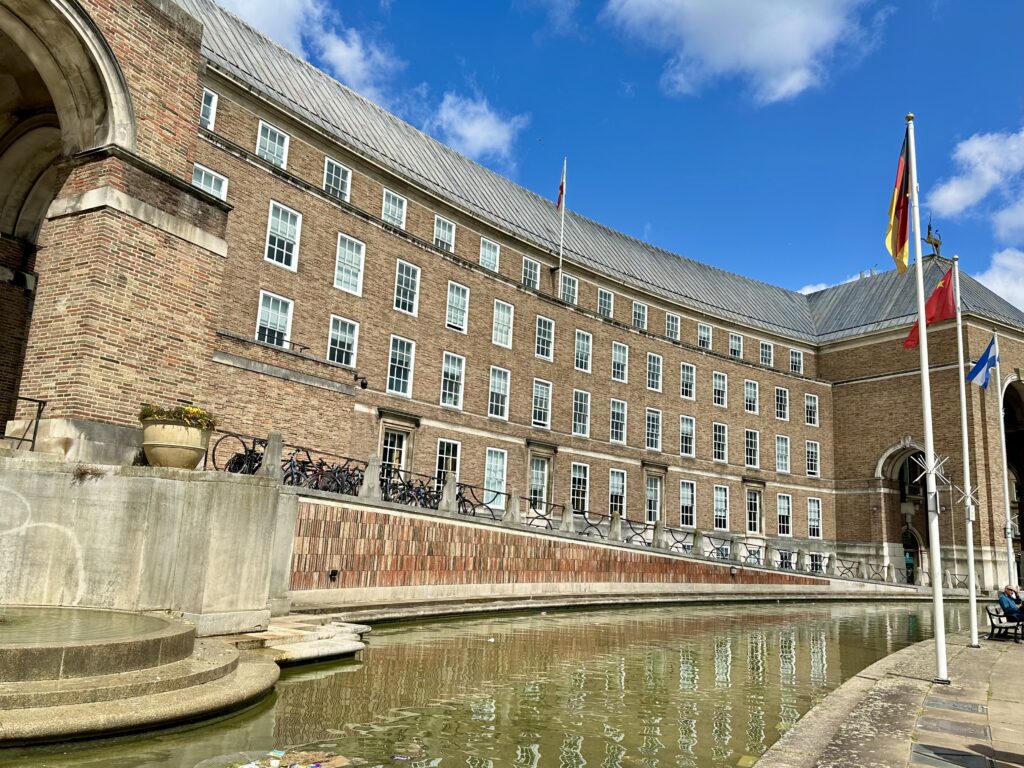
Bristol City Hall
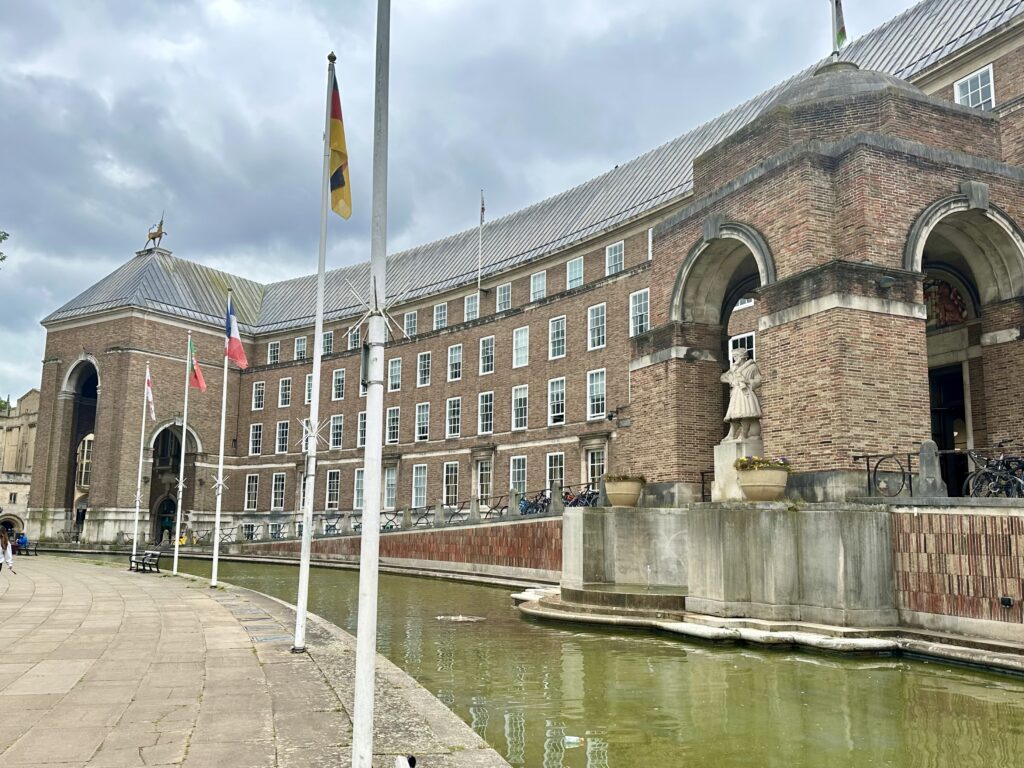
When I first visited Bristol decades ago, this imposing Neo-Georgian building was called the Council House! It stands majestically along one side of College Green, opposite Bristol Cathedral. This Grade Il-listed building was built between 1938 and 1952; its construction was delayed due to WWII.
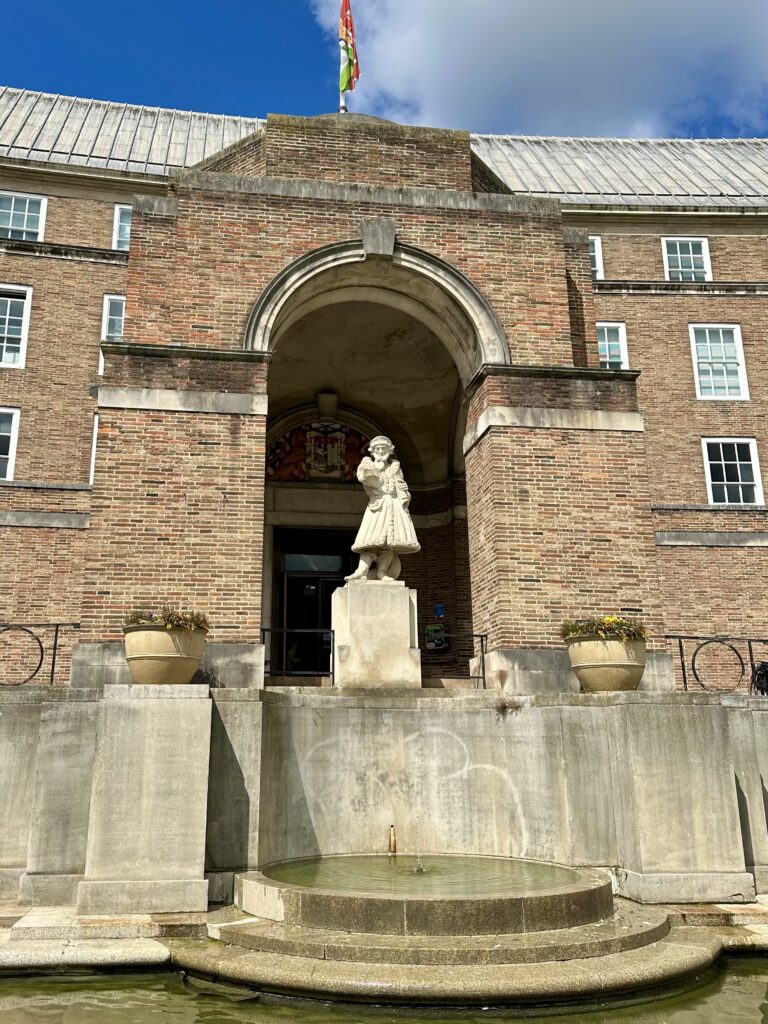
The statue standing directly outside the main entrance was created around 1950, depicting an Elizabethan seaman to reflect Bristol’s maritime heritage.
Bristol Old City
Bristol’s Old City is characterised by its ancient cobbled streets, stunning Georgian architecture and grand Victorian mercantile buildings.
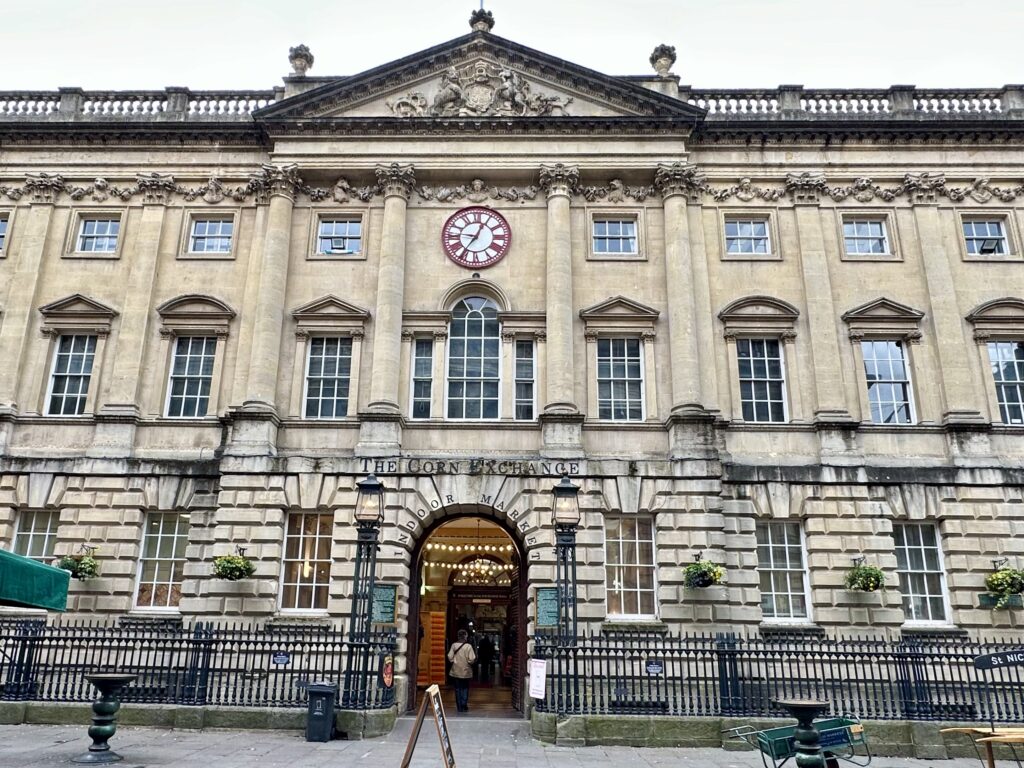
The Corn Exchange
Located on Corn Street, this magnificent Grade II-listed building was built in 1743. It now served as council offices and home of the bustling, historic St Nicholas Market which is within a complex of buildings surrounding the Corn Exchange
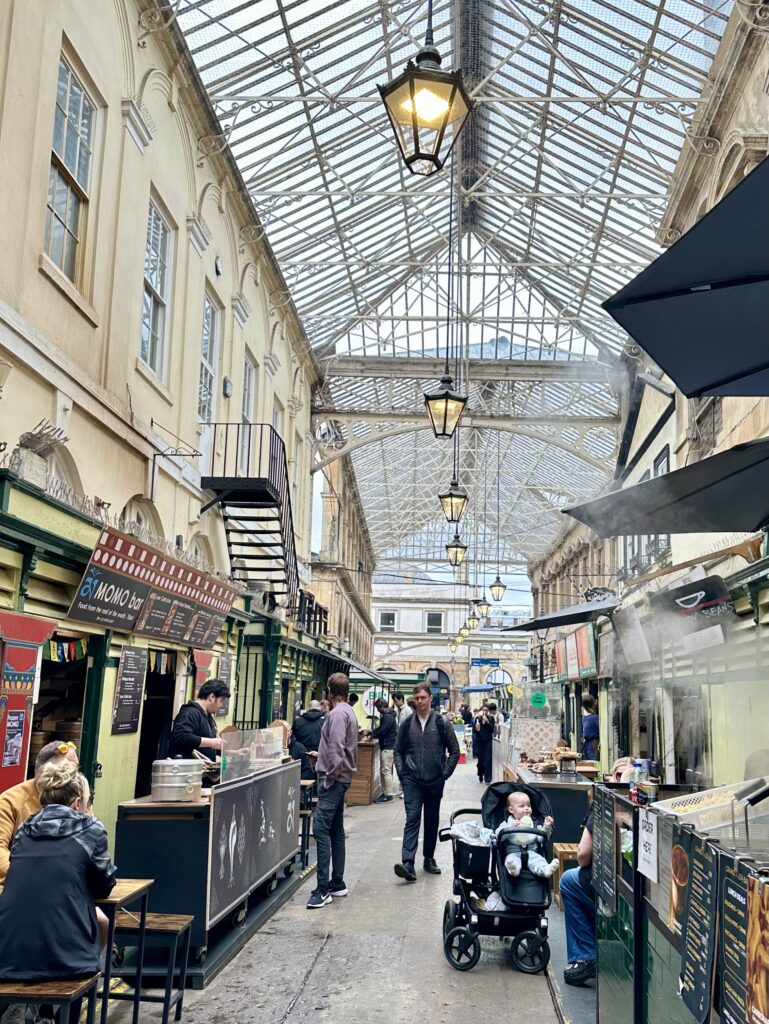
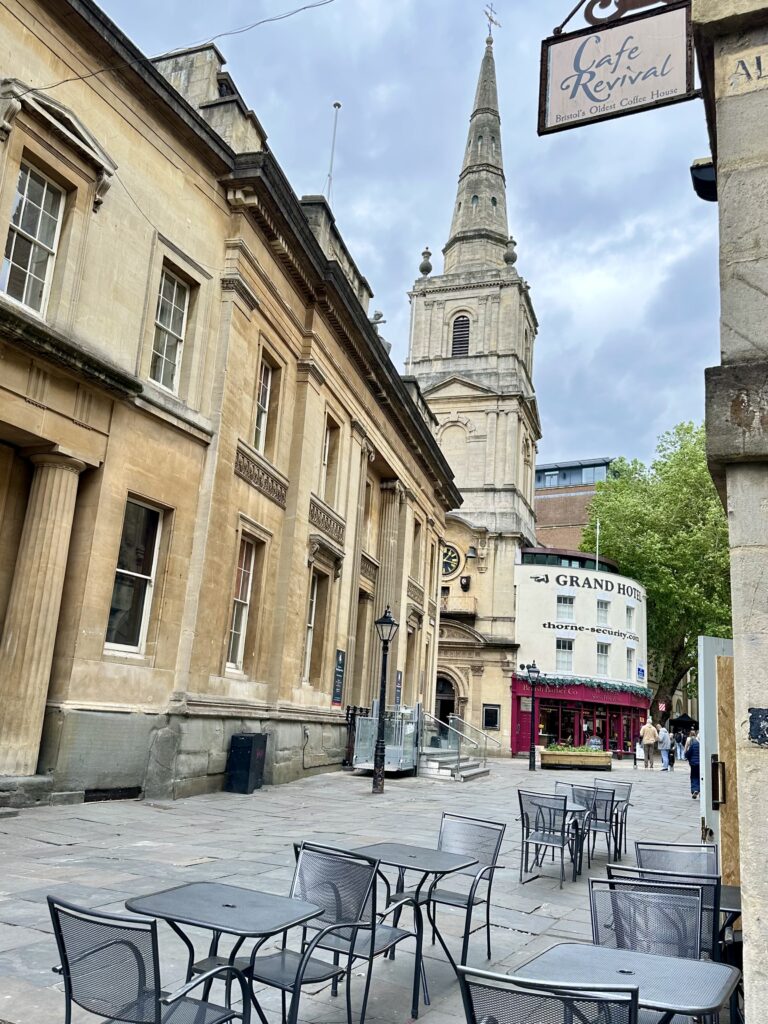
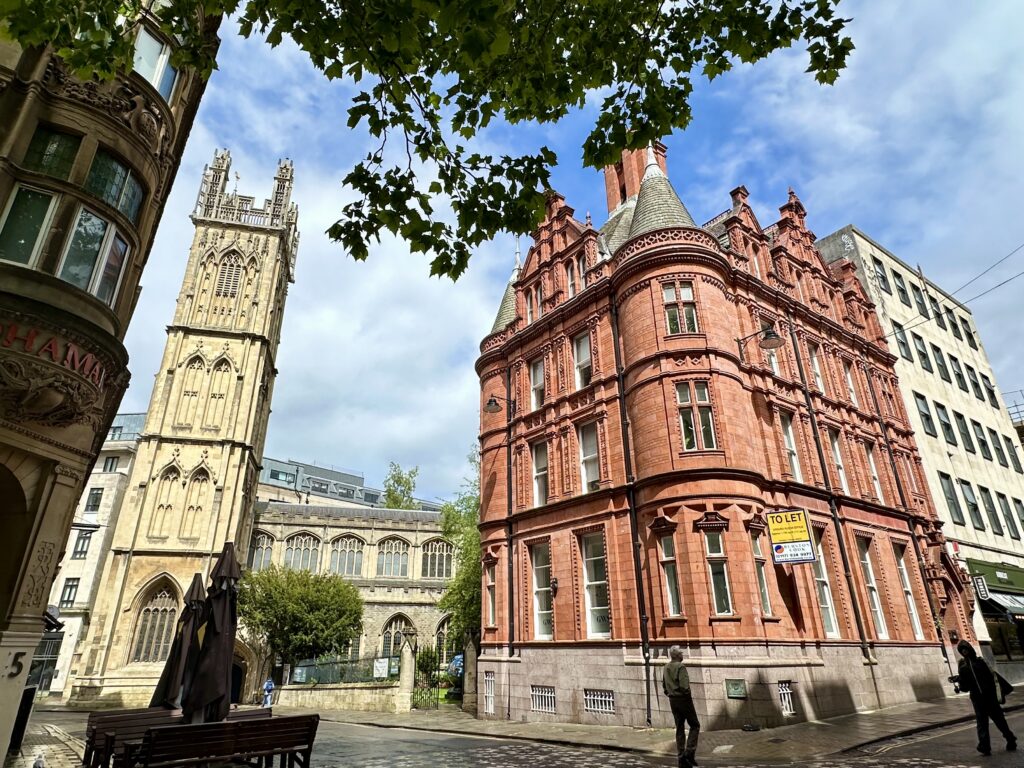
The church tower on the left is the historic Church of St John the Baptist (St John on the Wall) on Broad Street. The Victorian red-terracotta office building on the corner of Broad Street and John Street, is known as St John’s Chambers
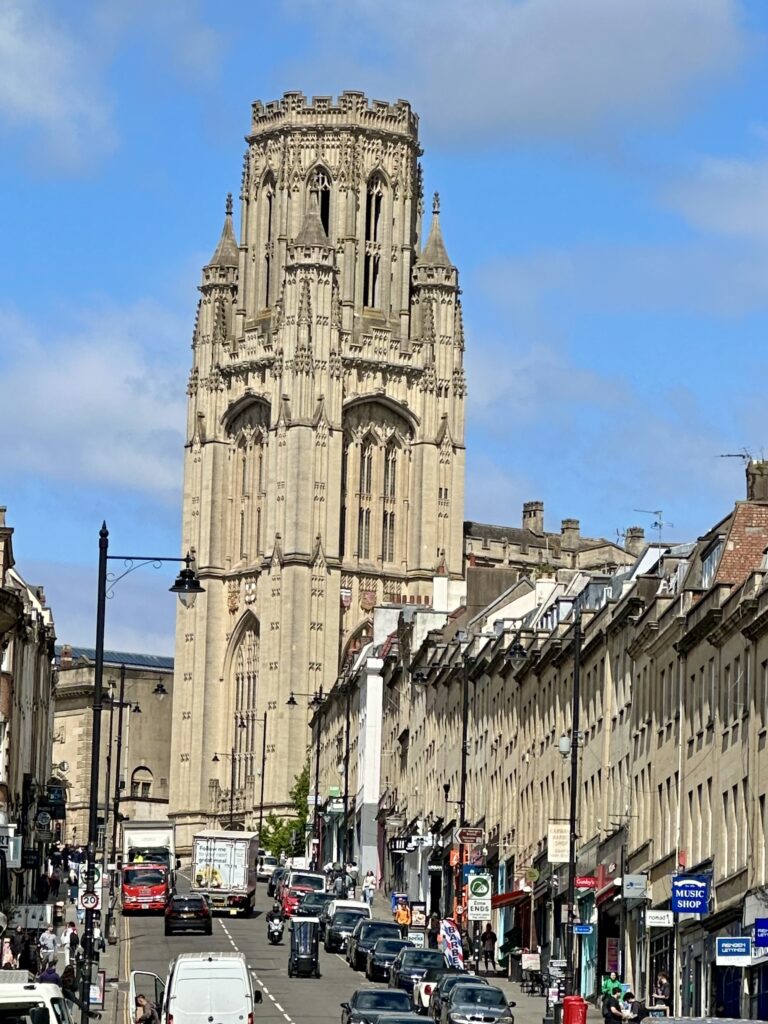
At the top of Park Street sits the tower of the Wills Memorial Building, one of Bristol’s most recognisable landmarks and part of the University of Bristol.
Castle Park
Castle Park is a large green space built on the site of the remains of Bristol Castle. It’s dominated by Castle Bridge – a pedestrian and cyclist footbridge spanning the Floating Harbour. It’s of a unique and striking “S-shape” serpentine design.
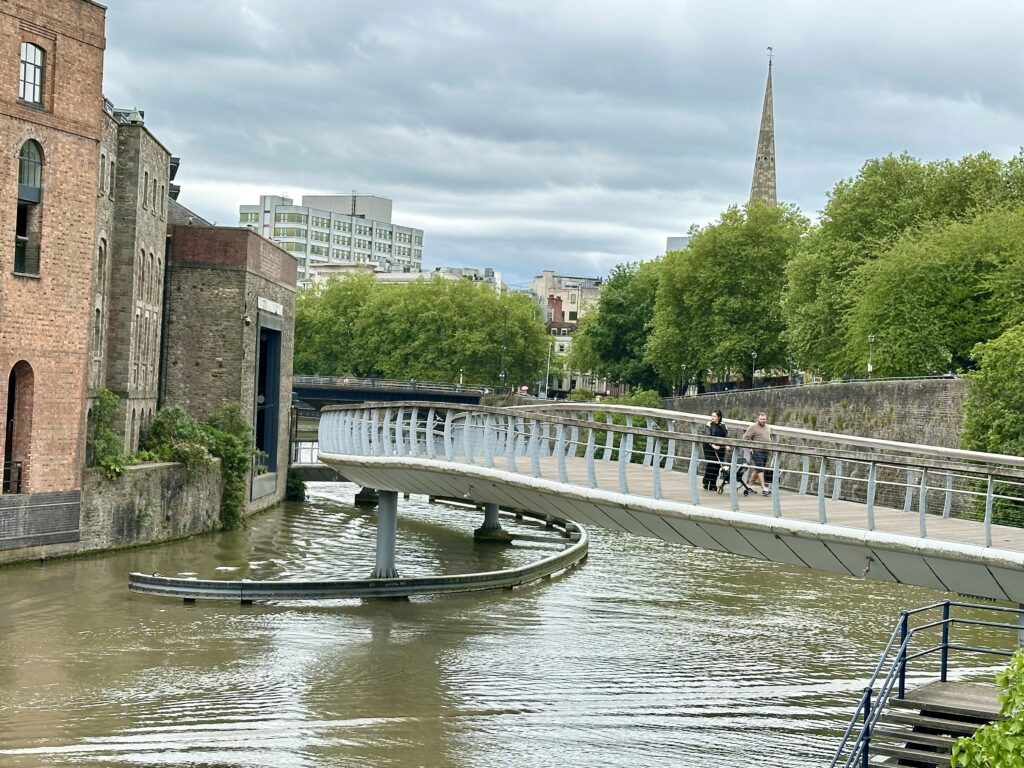
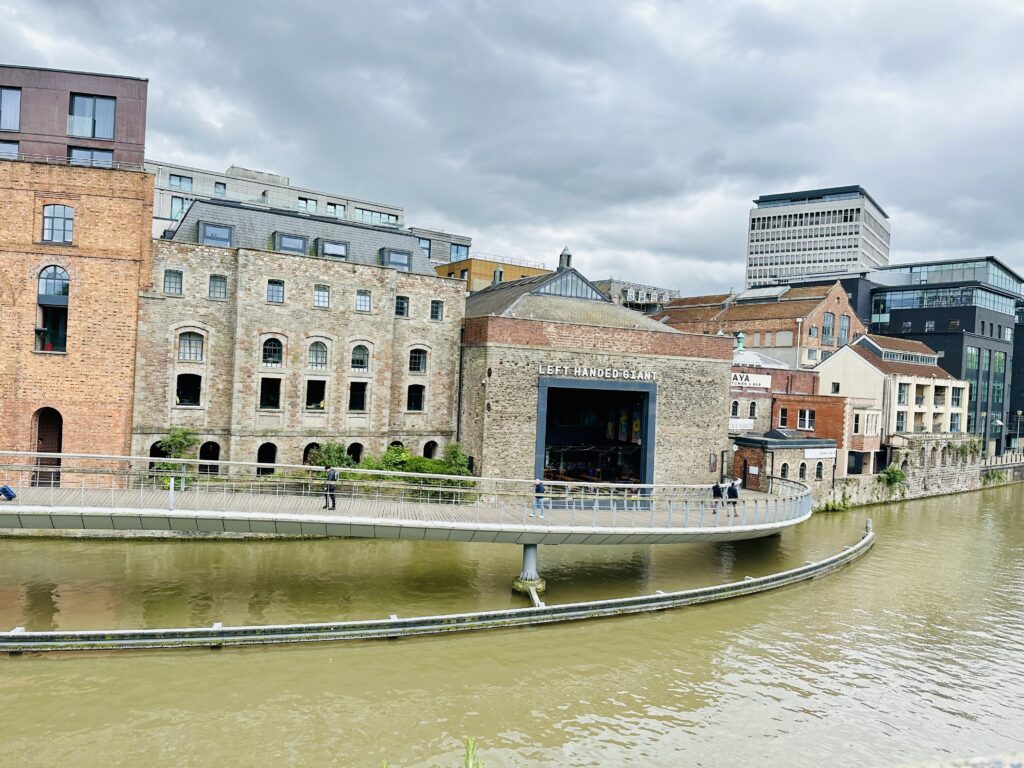
From Castle Park, the bridge leads straight to The Finzels Reach Quarter, featuring the iconic Left Handed Giant brewery and pub, housed in a beautifully restored industrial brick building.
Bristol Harbourside
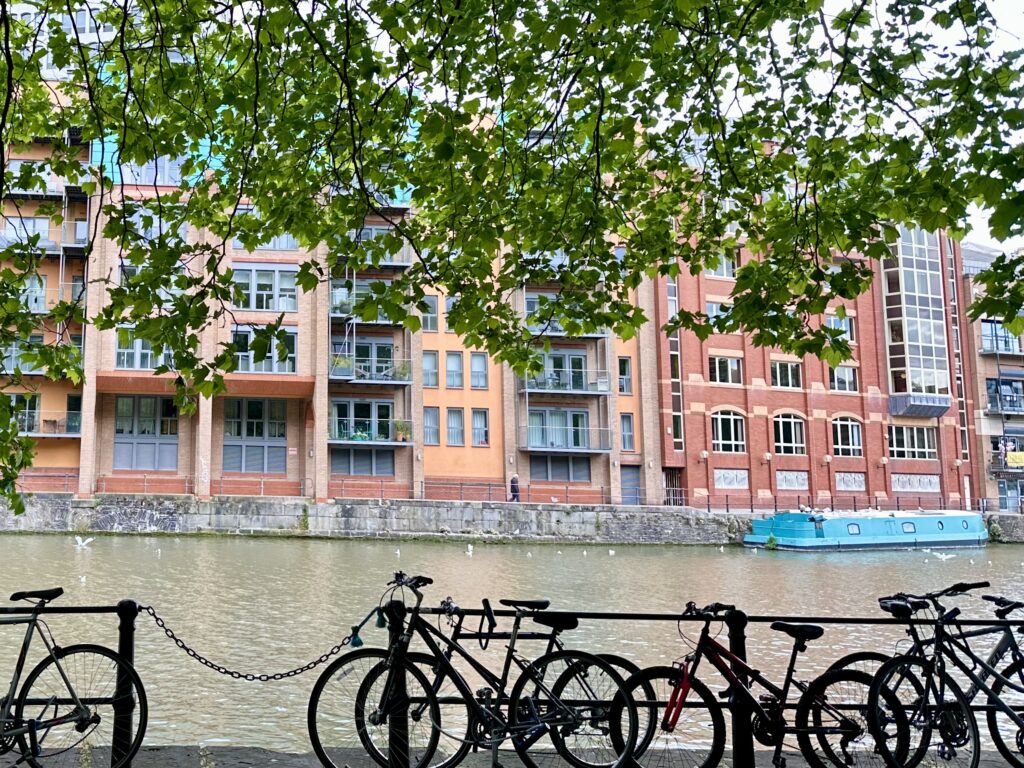
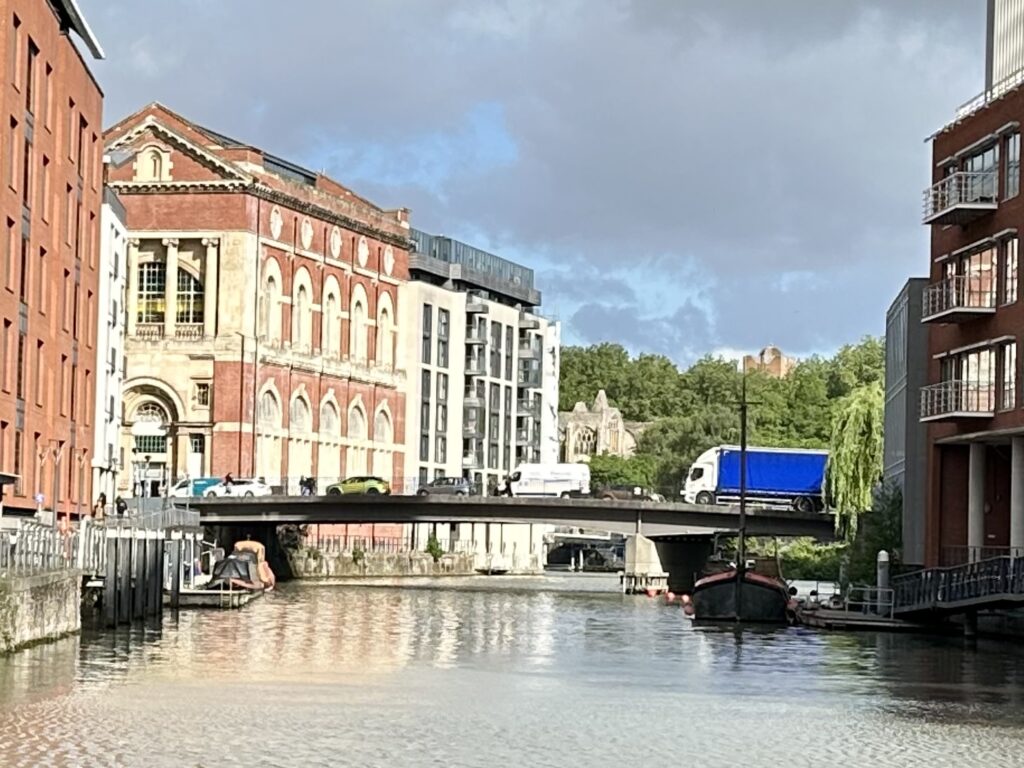
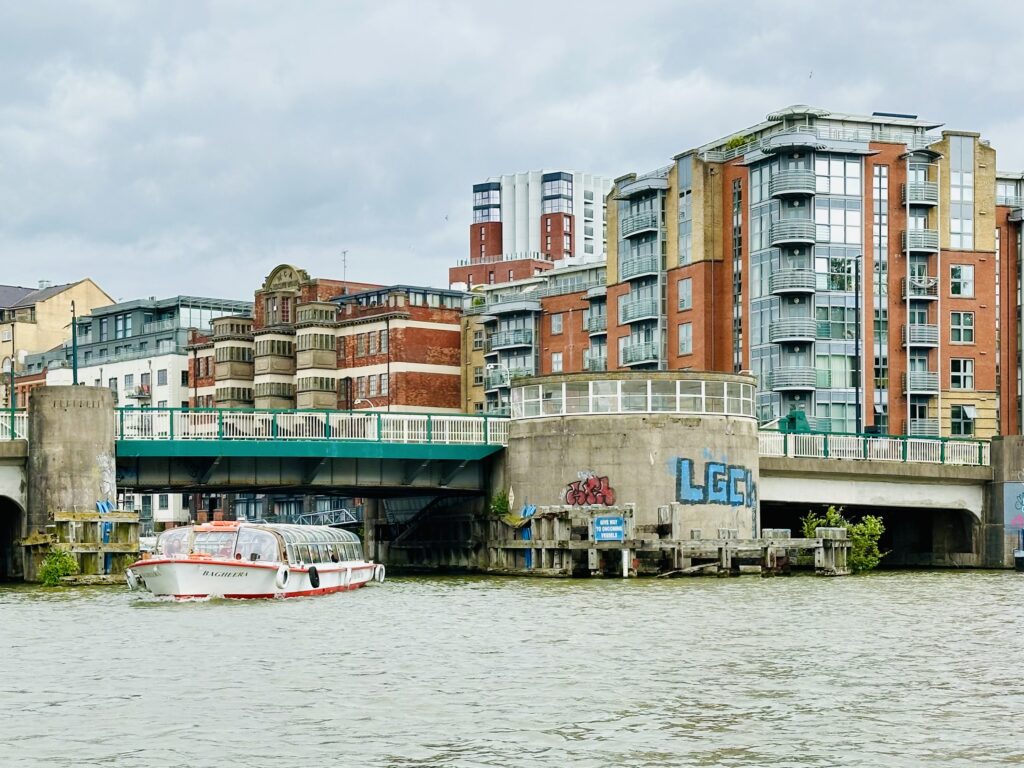
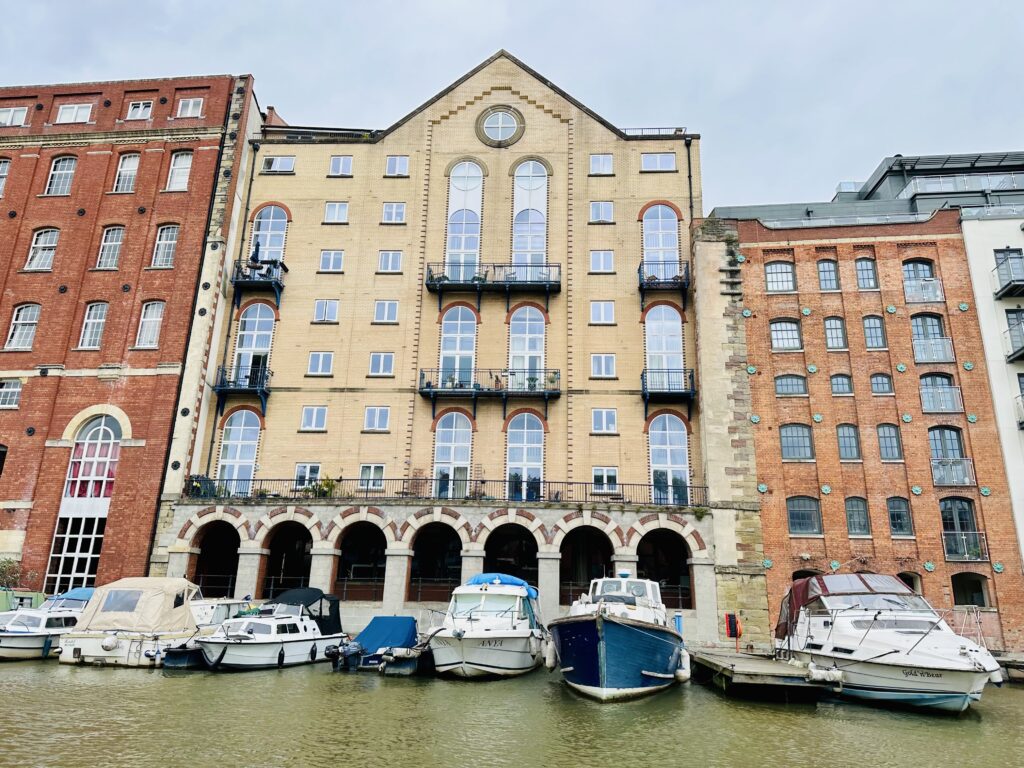
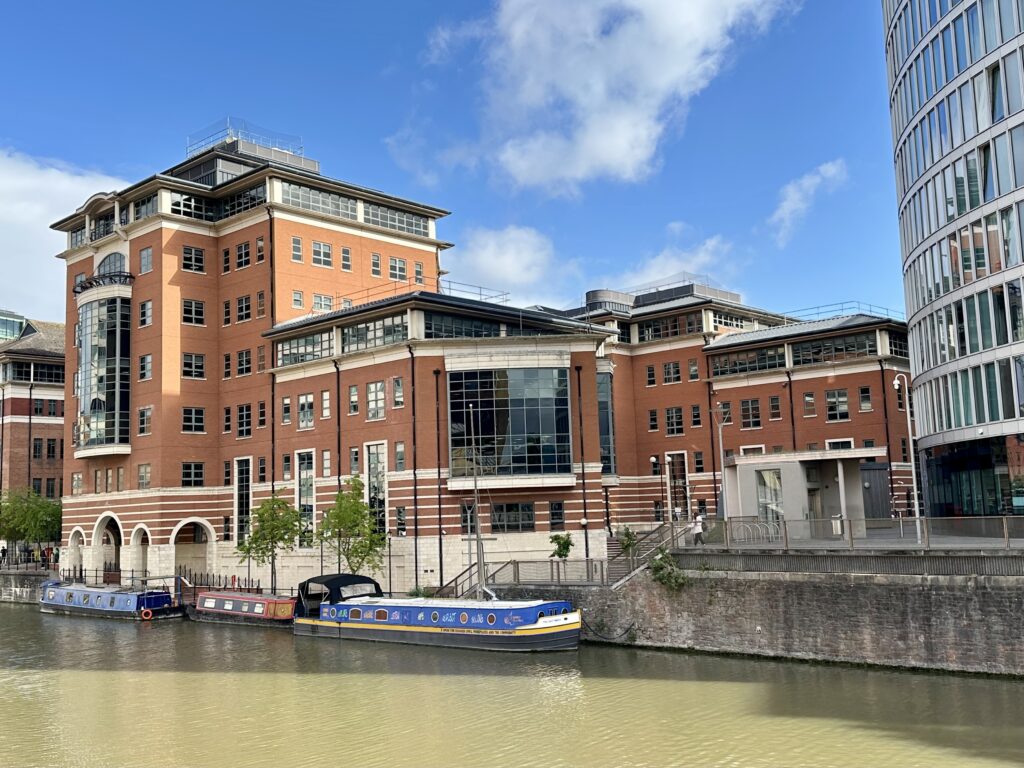
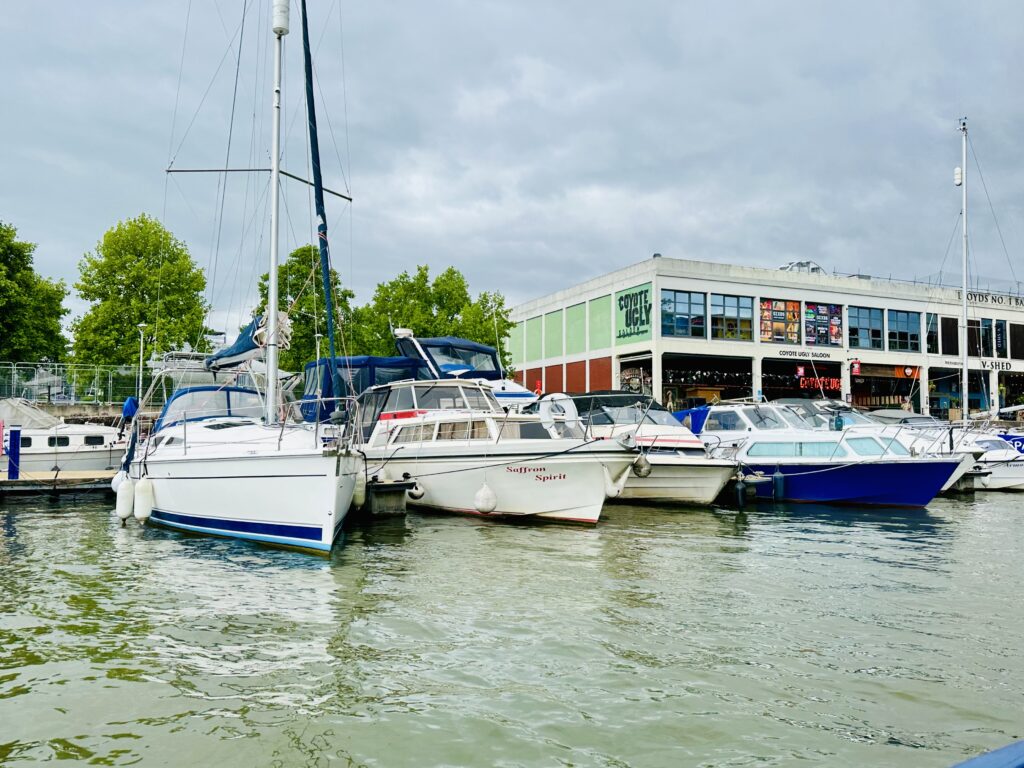
Bristol Harbourside Is a vibrant collection of central, interconnected waterfront neighbourhoods flanking the historic Floating Harbour, including Redcliffe and Temple Quay. Along the Floating Harbour there’re converted warehouse apartments, scenic walking paths, and ferry stops
Redcliffe
Redcliffe is a large area of Bristol just south of the city centre. It’s surrounded by the Floating Harbour and the River Avon. Some of that history is still evident amongst the swish apartments converted from warehouses
Temple Quay
Temple Quay, at the far eastern reaches of the Floating Harbour, is closest to Bristol Temple Meads station.
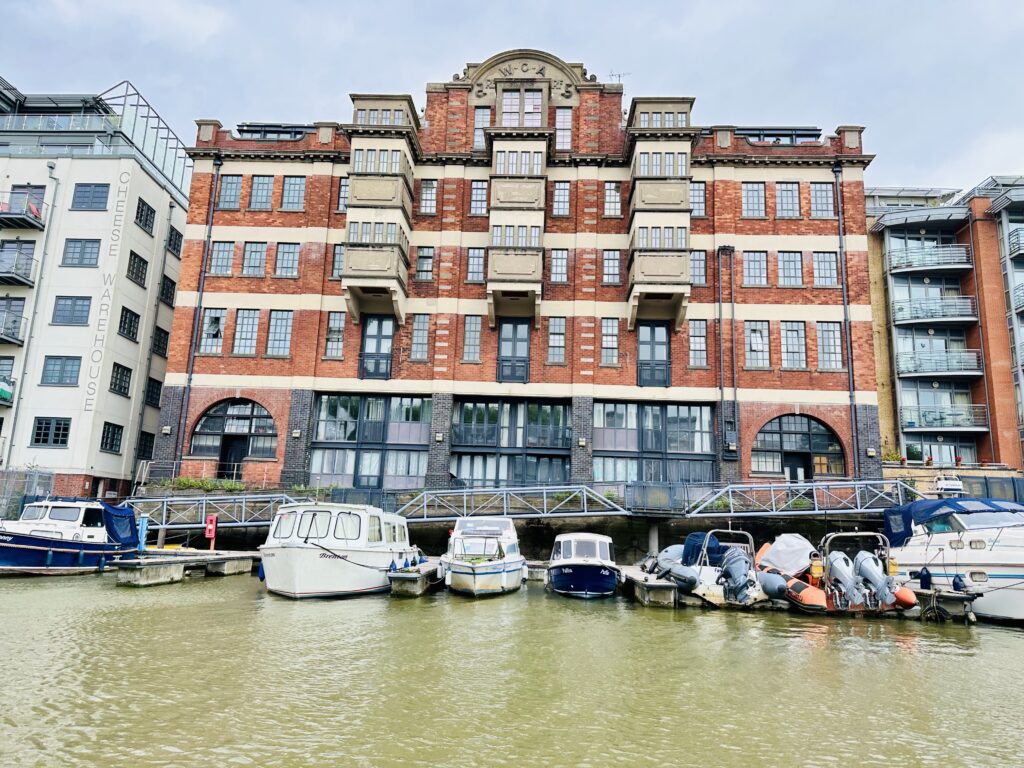
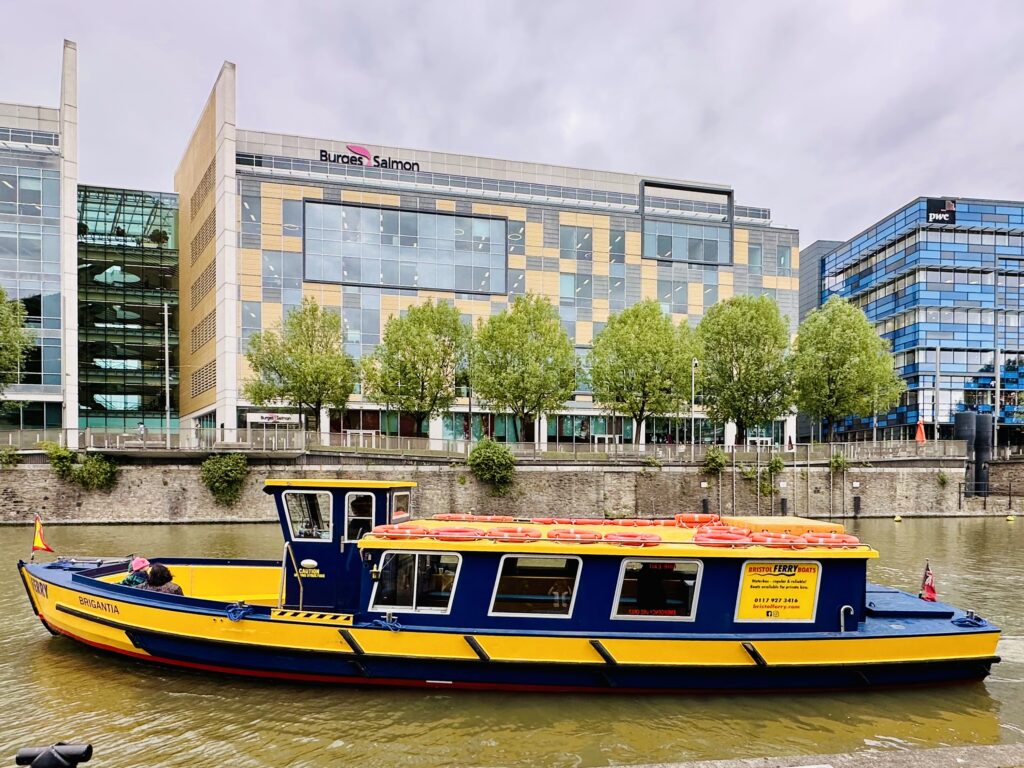
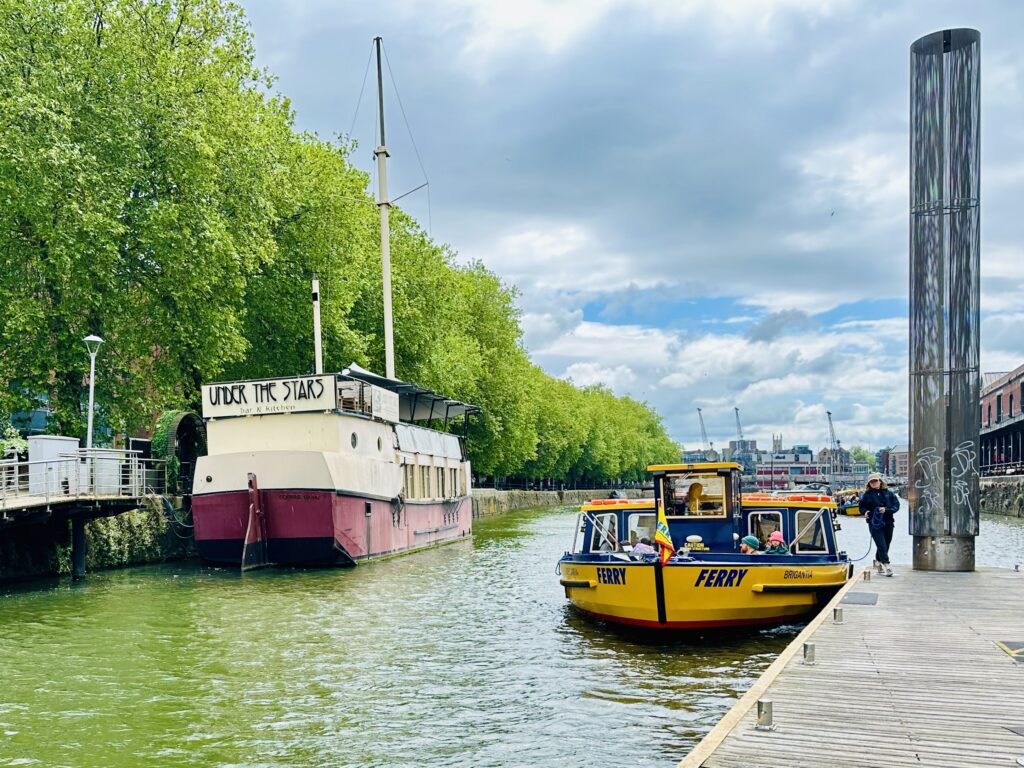
Bristol Ferry Ride
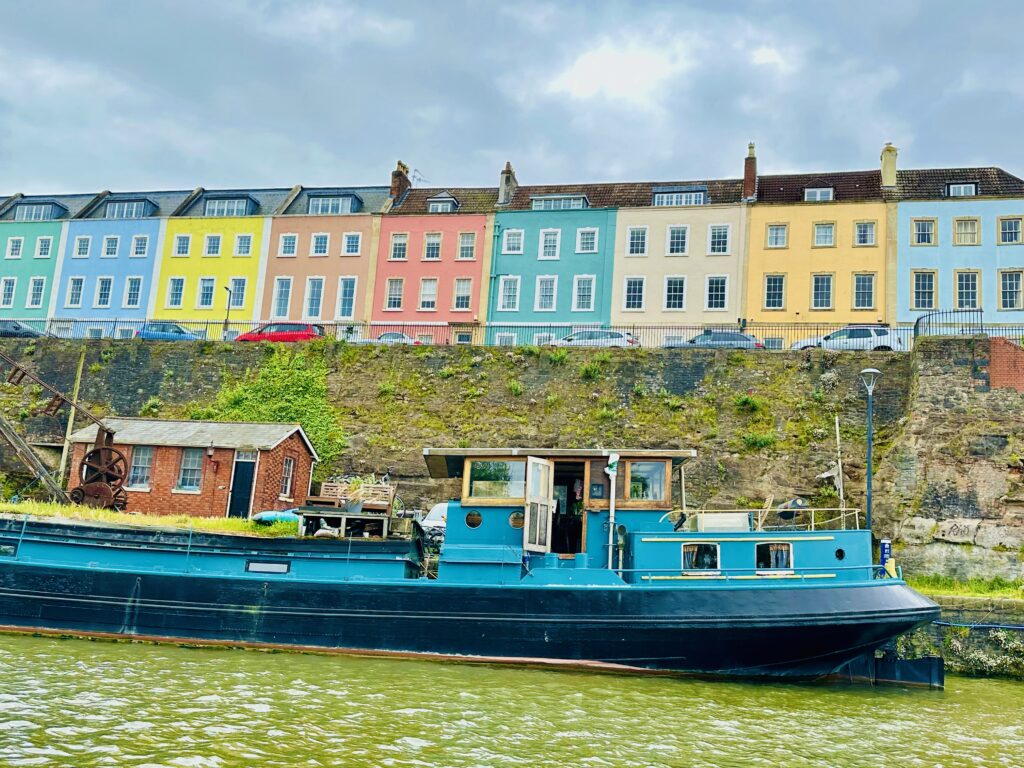
My friend and I boarded the ferry from Broadmead for a short ride to Temple Meads – a great way to see part of the city from the water, including the colourful terrace houses at Cliftonwood.
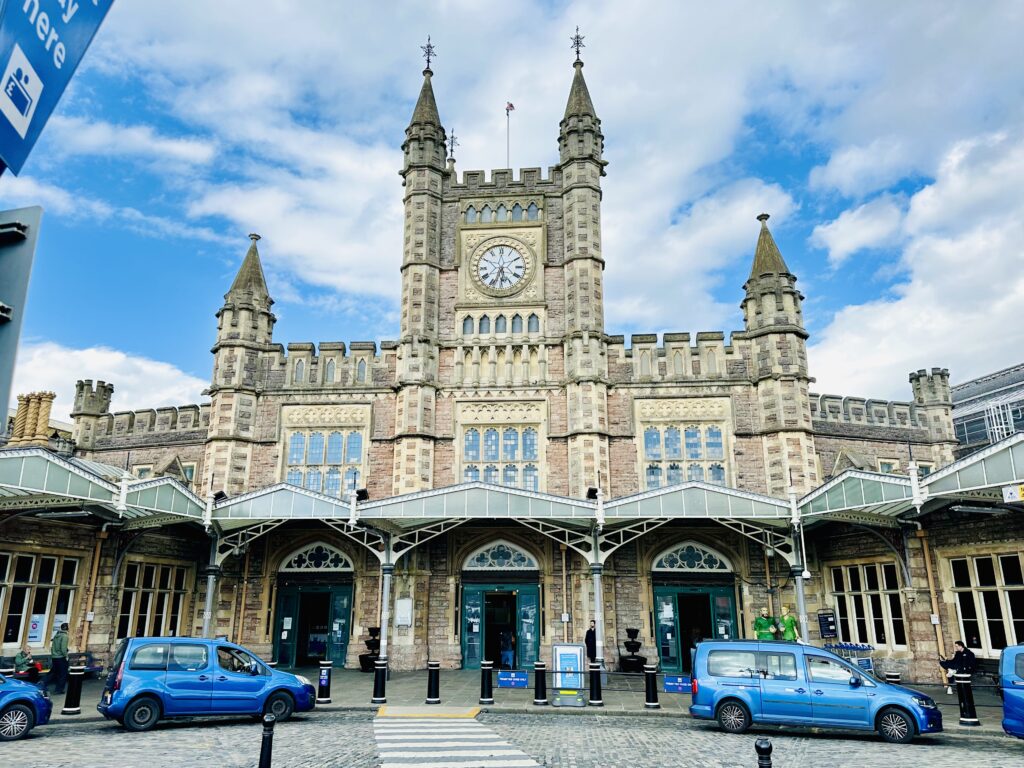
Bristol Temple Mead Station
It is rather fitting that I start this post with Isambard Kingdom Brunel’s Clifton Suspension Bridge and end with another of his masterpiece – Bristol Temple Mead Station which was first opened in 1840!
Here’s my souvenir from Bristol!
Next stop Scotland!!