- Glorious Gloucester
- The Cotswolds – the perfect place for staycation in August 2021
- Warwick, Packwood, Charlecote – what a feast for the eyes!
- Stratford-upon-Avon in September 2021 – real bliss!
- Leamington Spa – the oft-overlooked gem of Warwickshire
- Henley-in-Arden via Newbury and Banbury
- Hereford is a secret well worth discovering
- Ross-on-Wye – the birthplace of “Picturesque Tourism”
- Leominster or Ledbury?
- Whitchurch – where? Why?
- A+ for Ardencote and Alcester!
- Long weekend in Warwickshire
- Captivating Cambridge
- February hotel breaks – Salisbury & Bournemouth
- Bristol – where edgy street art meets historical roots
- Brighton – where Bygones meet Bohemia
Before my sister, brother and his wife returned to Hong Kong, there was time for one last day trip with them. The choice of Brighton was unanimous. The 4 of us went by train. Despite it being the May Bank Holiday, the hottest day of the year and the delays and cancellations of the trains, we had a great day out.
Brighton is not called “London by the sea.” for nothing. It’s just one hour on the train from London and was patronised by the Royals. King George IV transformed Brighton from a declining fishing town into fashionable getaway. Queen Victoria’s many visits during her reign also enhanced Brighton’s fame as a premier seaside resort.
Ask anyone what to see in Brighton, these 3 destinations invariably come up: The Royal Pavilion, Brighton Pier and The Lanes. That’s why we made a beeline for The Royal Pavilion as soon as we left the train station.
The Royal Pavilion
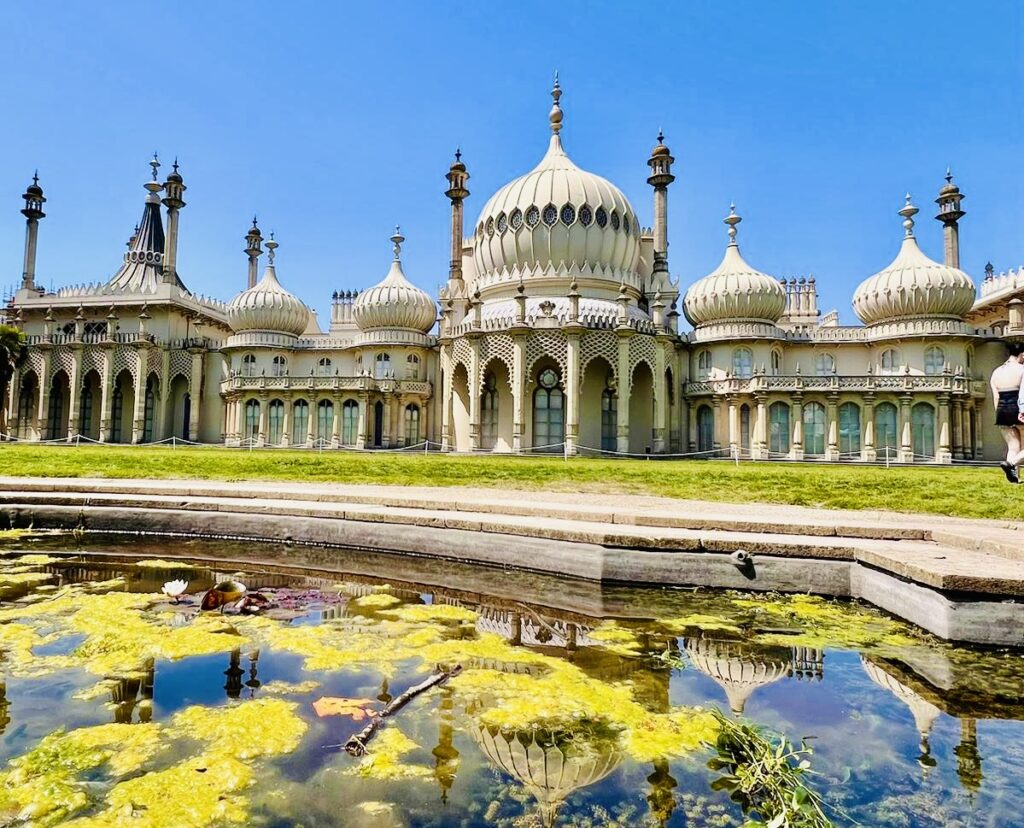
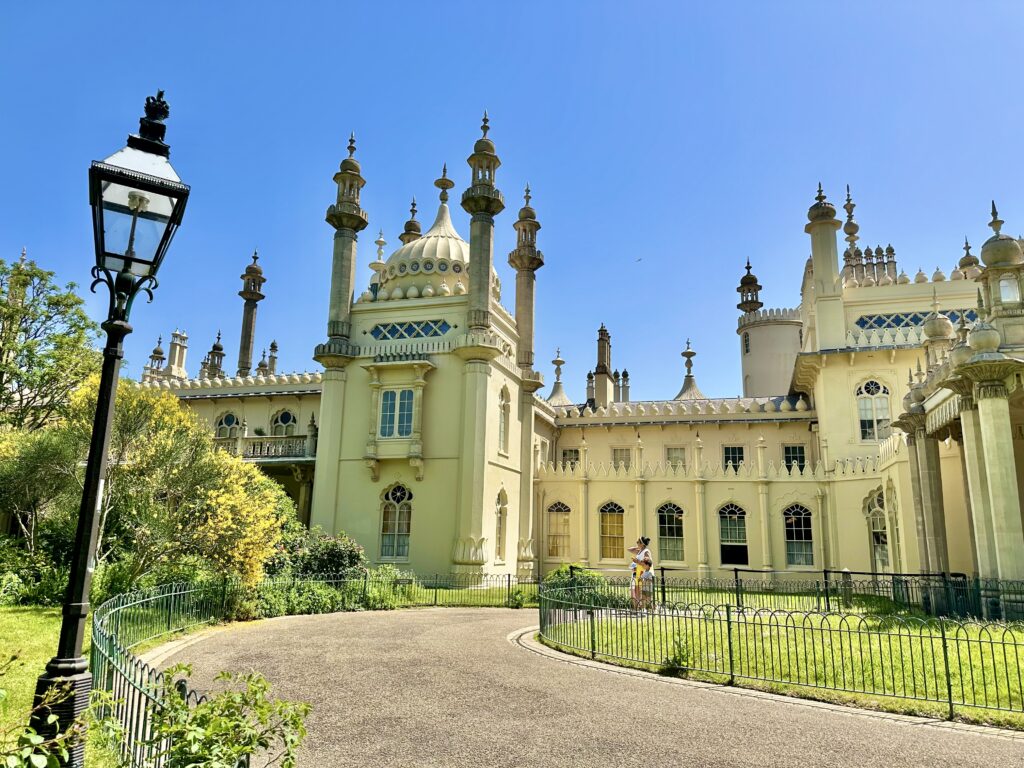
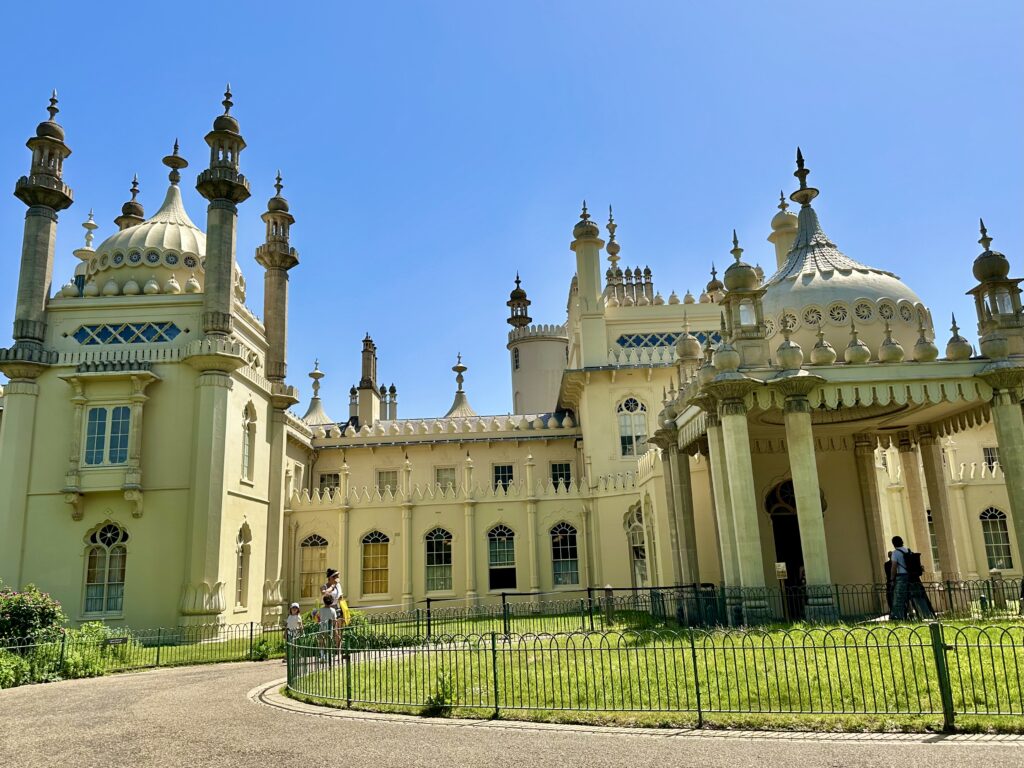
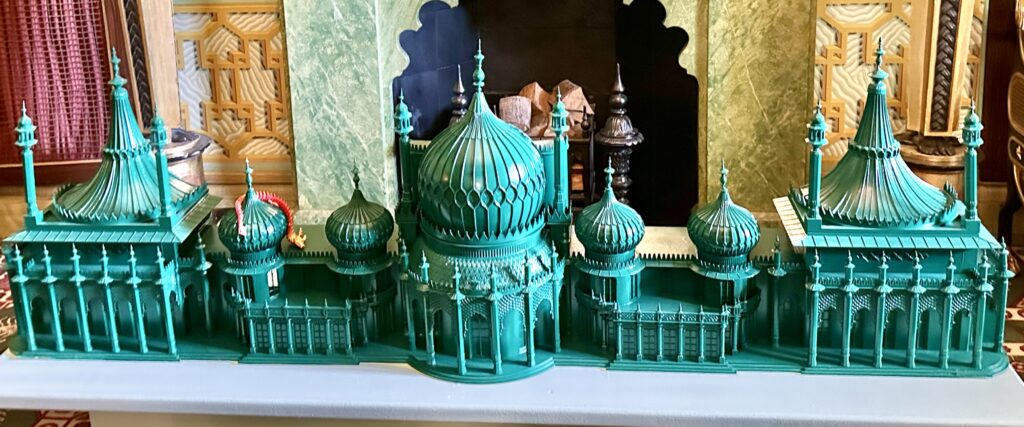
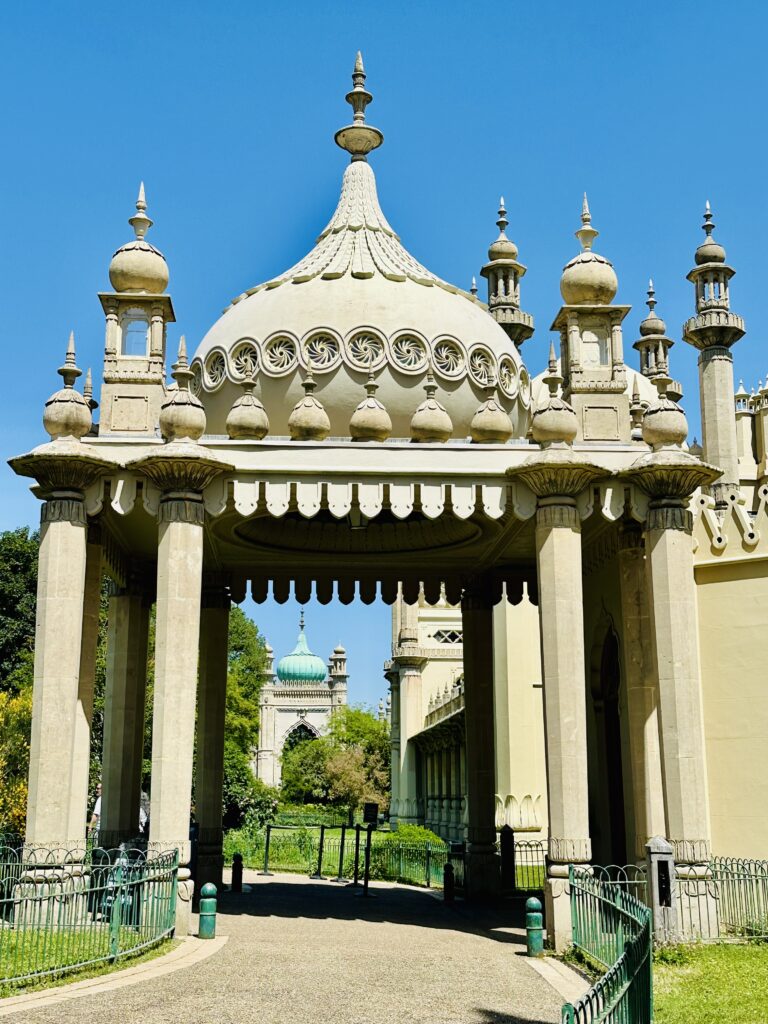
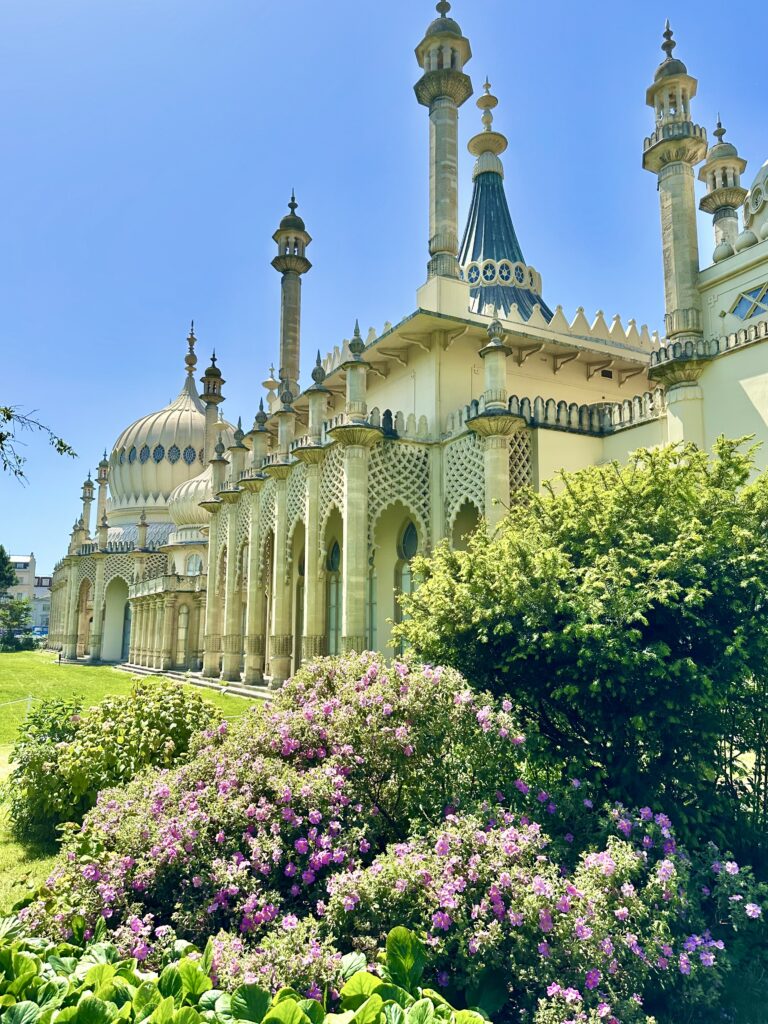
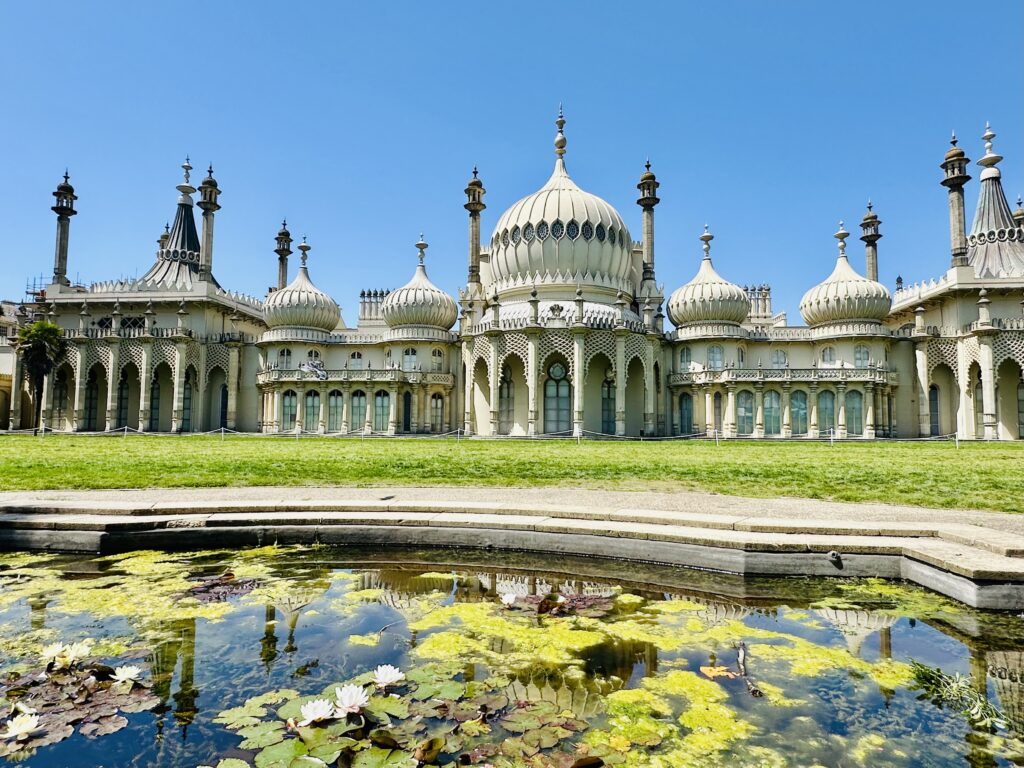
This piece of iconic architecture is unique to Brighton. Under a bright blue sky this visually striking palace built for King George IV could easily be mistaken as somewhere in the East!
Instead, the exotic Indian-Gothic Royal Pavilion, built between 1815 and 1822, was born out of the vivid imagination of the architect John Nash who had never travelled outside the British Isles, let alone to the East!
The Interiors of The Royal Pavilion
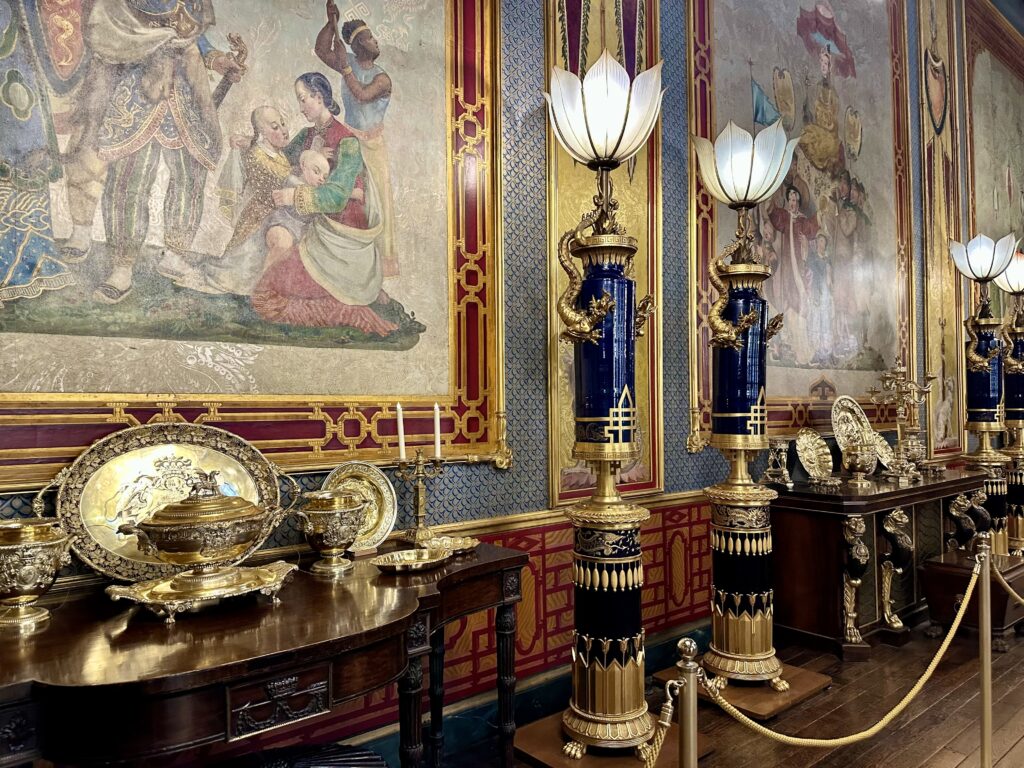
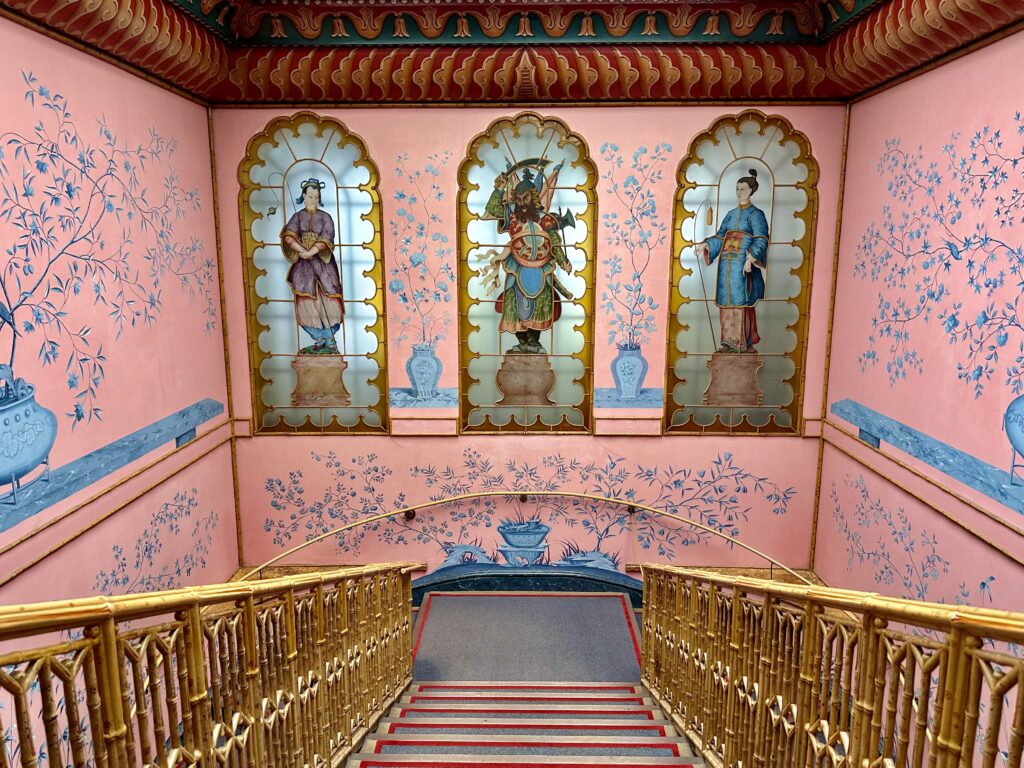
If the exterior of The Royal Pavilion was the outcome of John Nash’s flight of fantasy, the designers responsible for the “Chinese-inspired” interiors were no less whimsical! Neither of the key designers Frederick Crace nor Robert Jones had ever travelled to China or the Far East!
They created the palace’s interiors entirely out of their own imaginations, heavily relying on second-hand references, imported goods, and European stereotypes of Eastern culture. The result was extravagant but breathtaking, a celebration of fertile imagination!
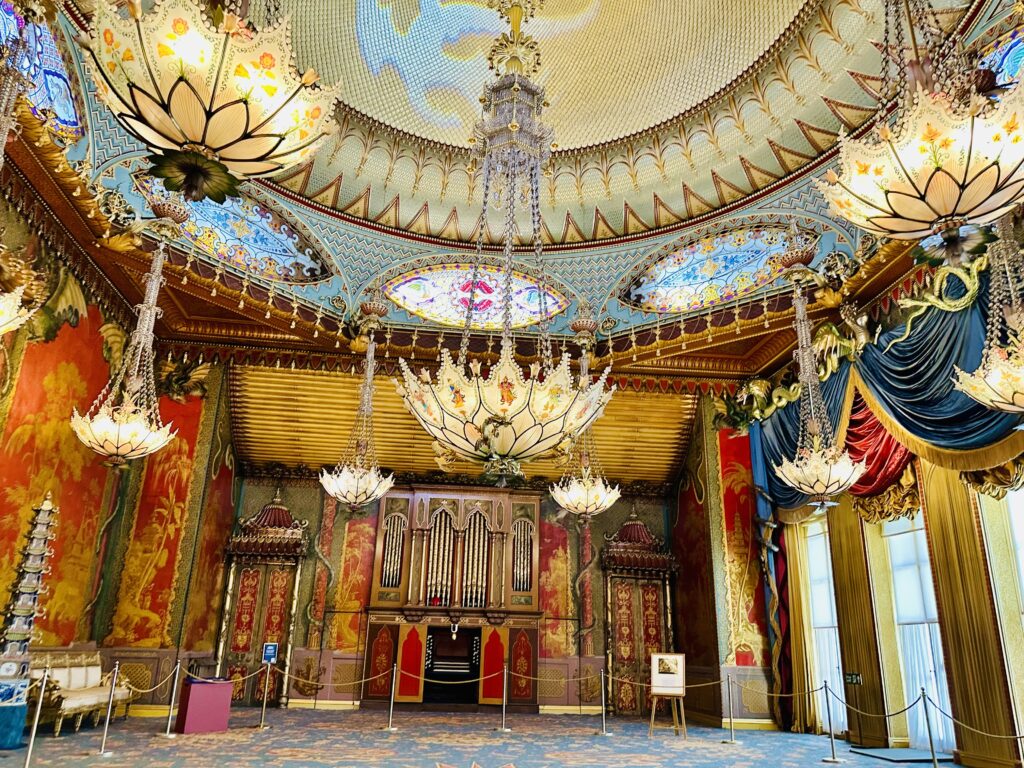
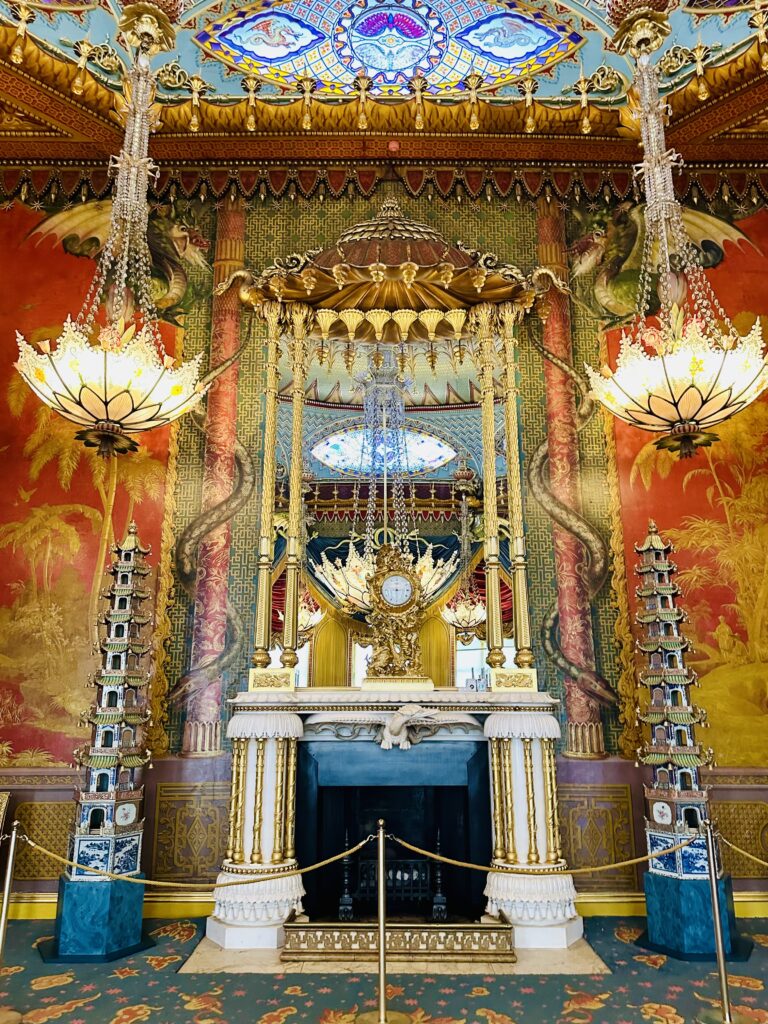
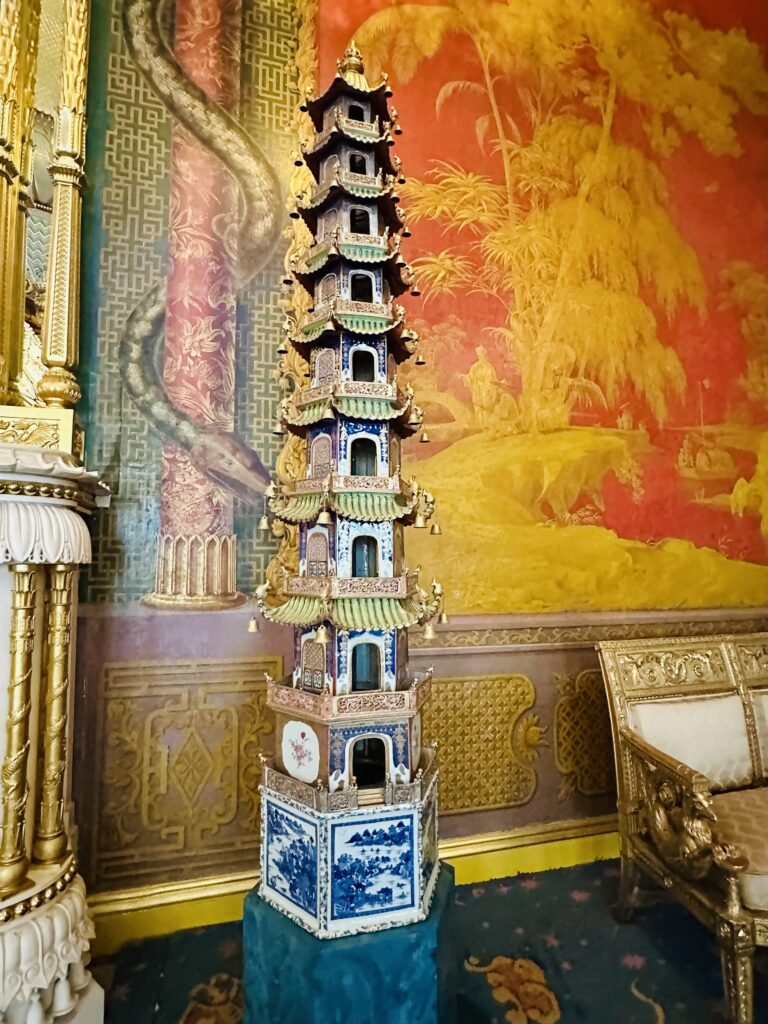
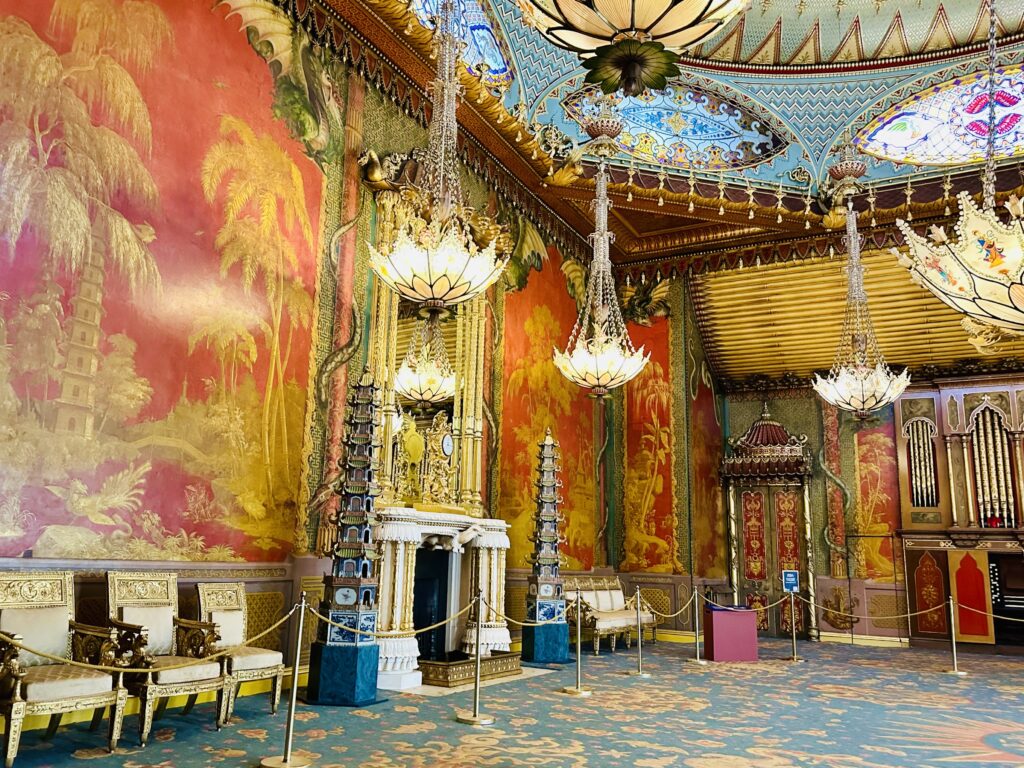
The Music Room
This lavish, gilded chamber was where guests once gathered for soirées.
Its ceiling is a breathtaking spectacle of scaled domes, silvered dragons, and nine lotus-inspired, tent-like chandeliers.
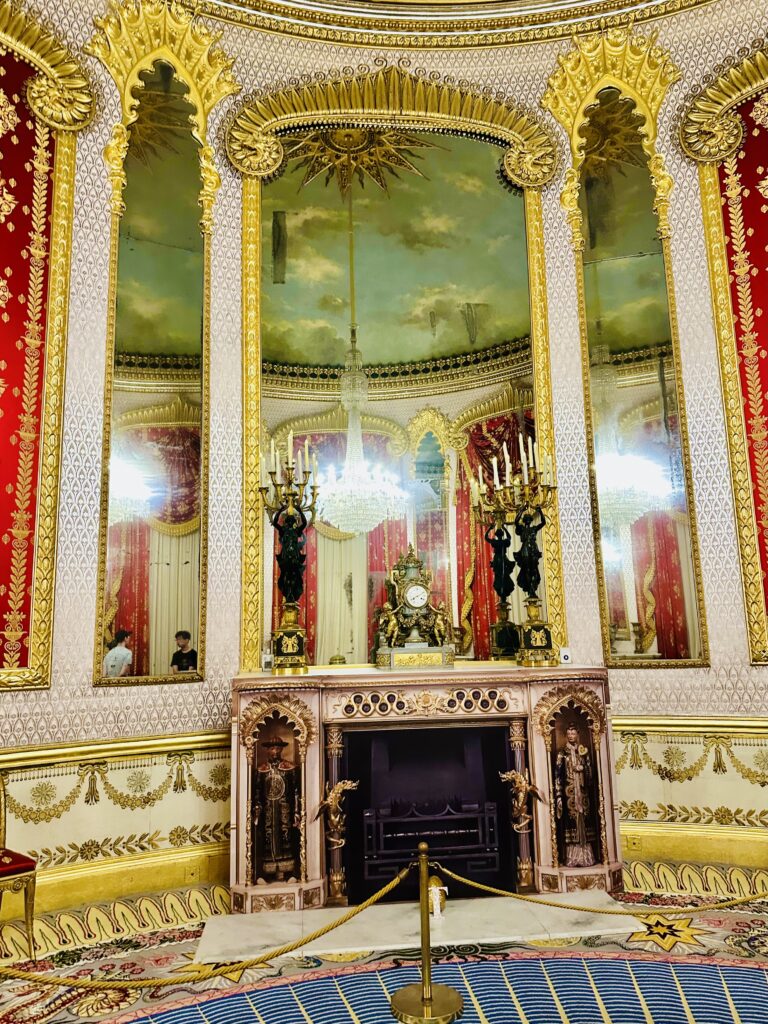
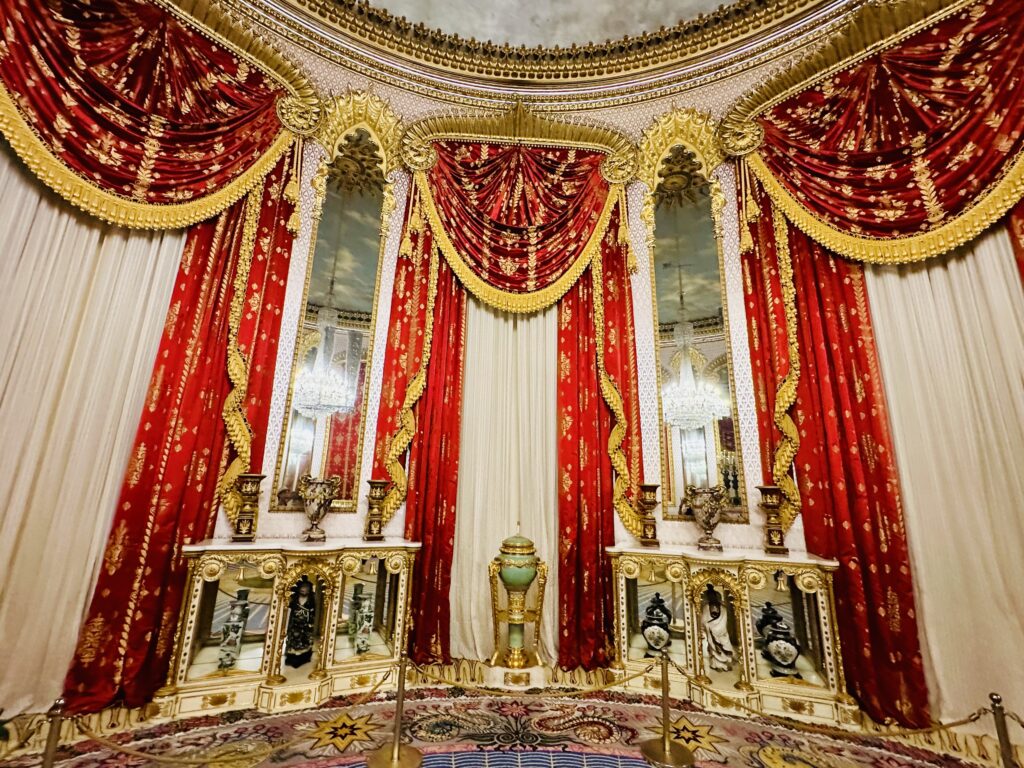
The Saloon
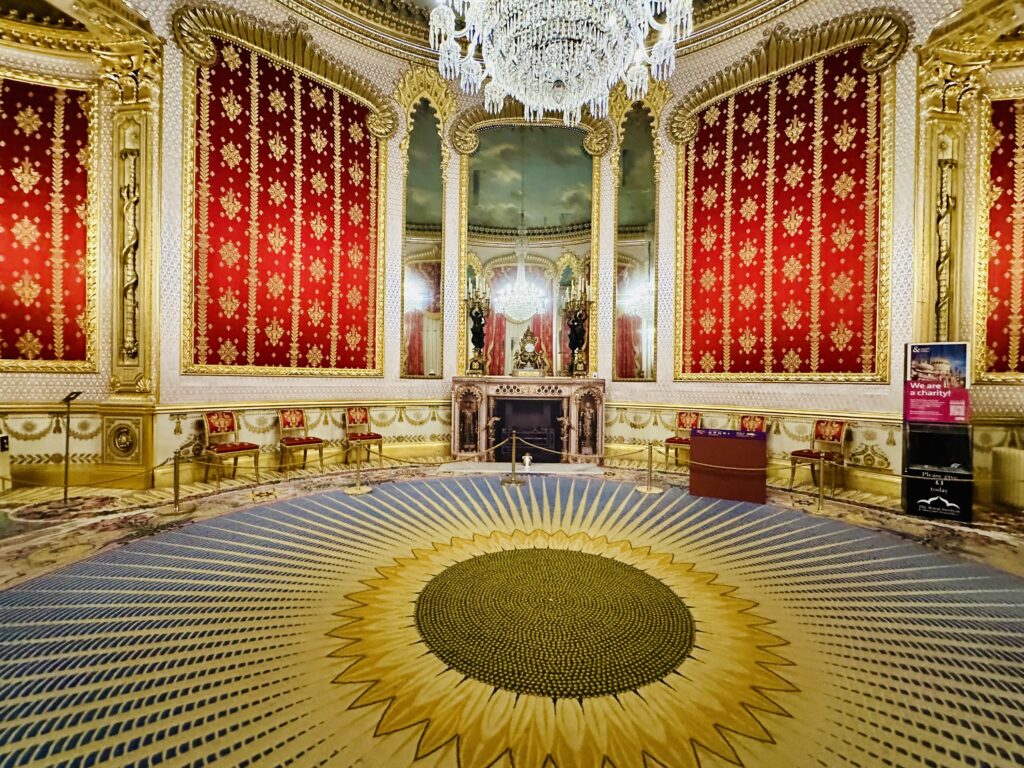
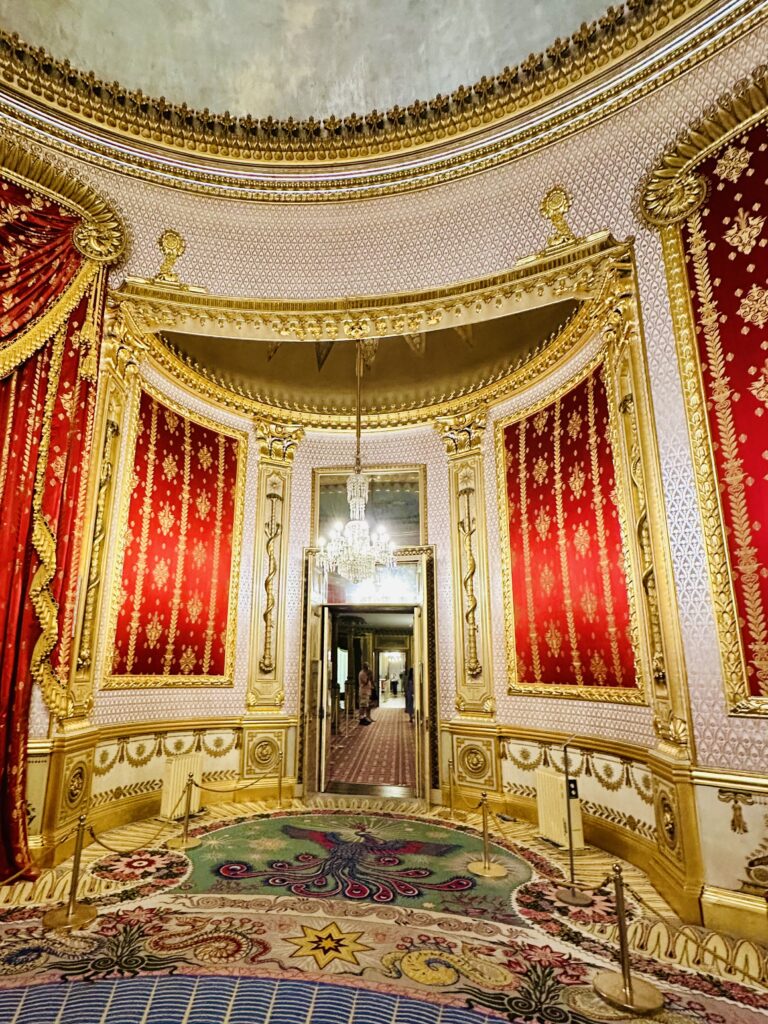
The Saloon is one of the oldest surviving parts of the Royal Pavilion and the grandest room in the palace. A formal reception room, this was where King George greeted his guests before accompanying them to dinner in the Banqueting Room
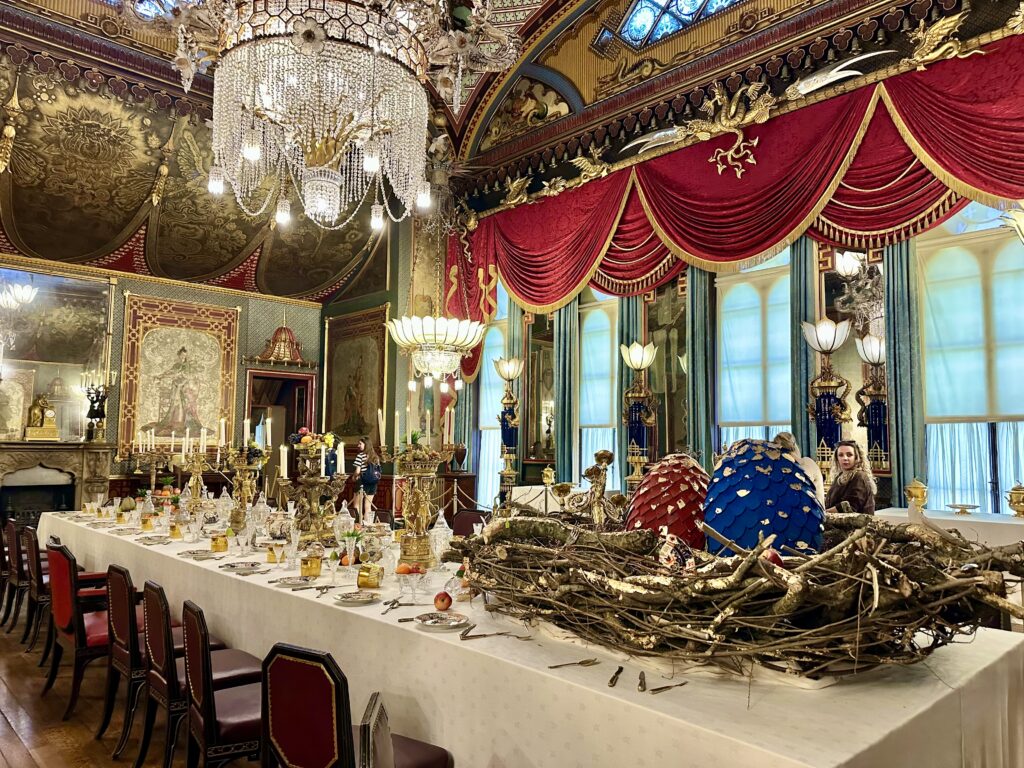
The Banqueting Room
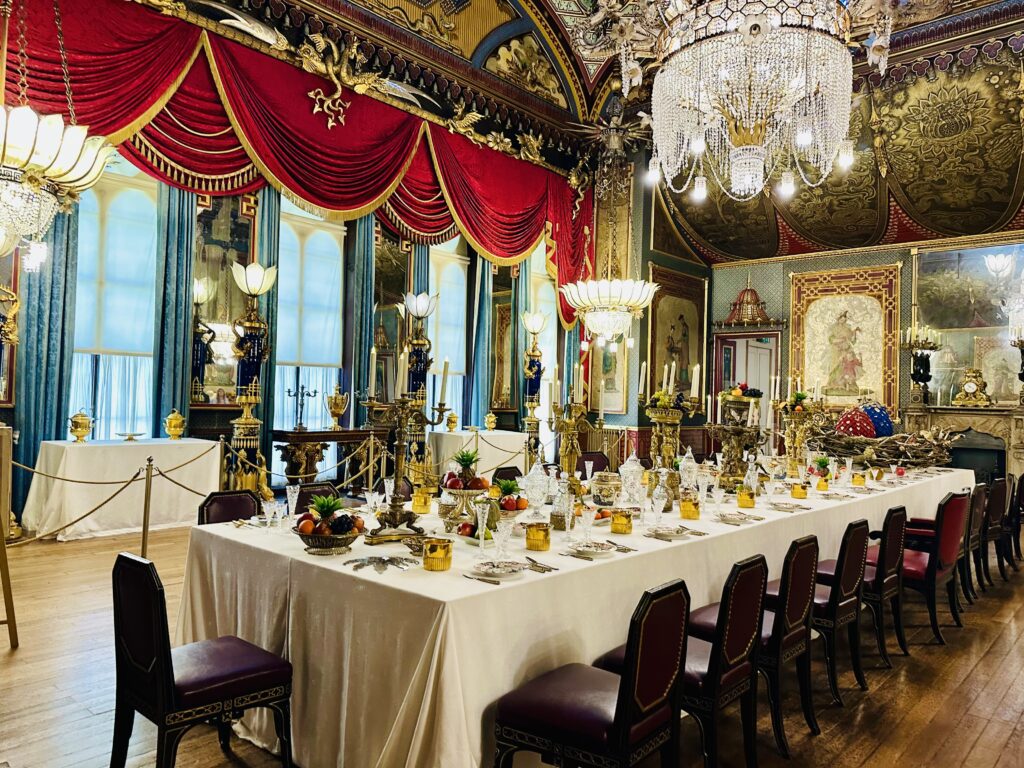
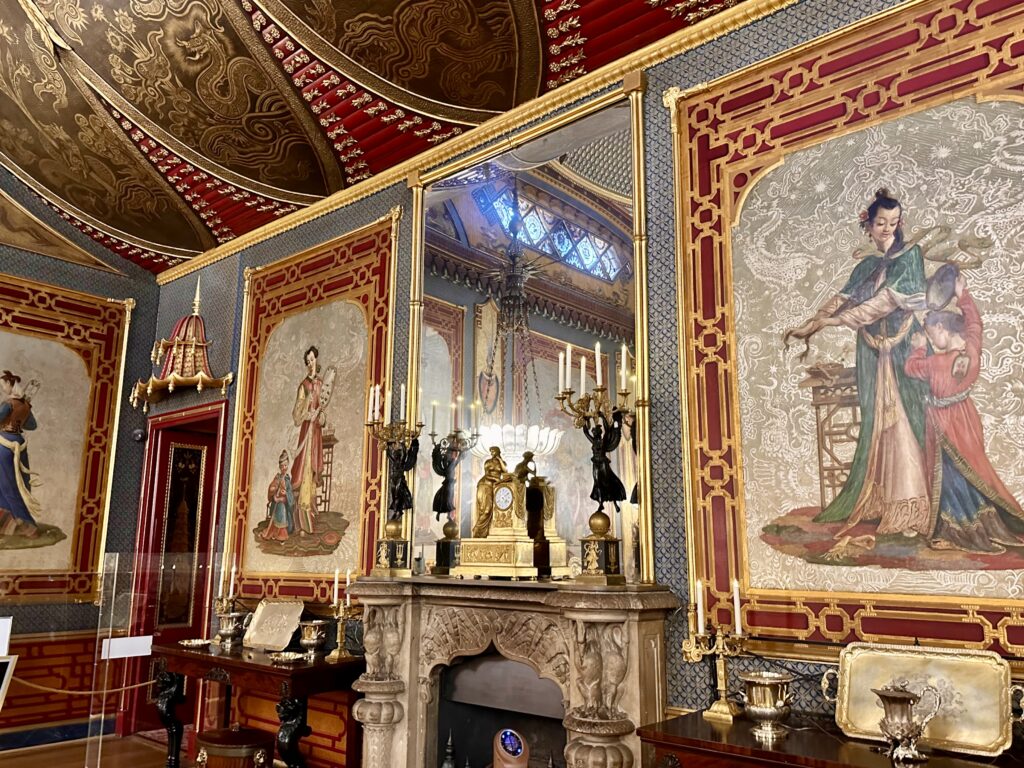
The Banqueting Room was the absolute centrepiece, dominated by a spectacular Dragon Chandelier, with paintings of Chinese-looking people lining the walls
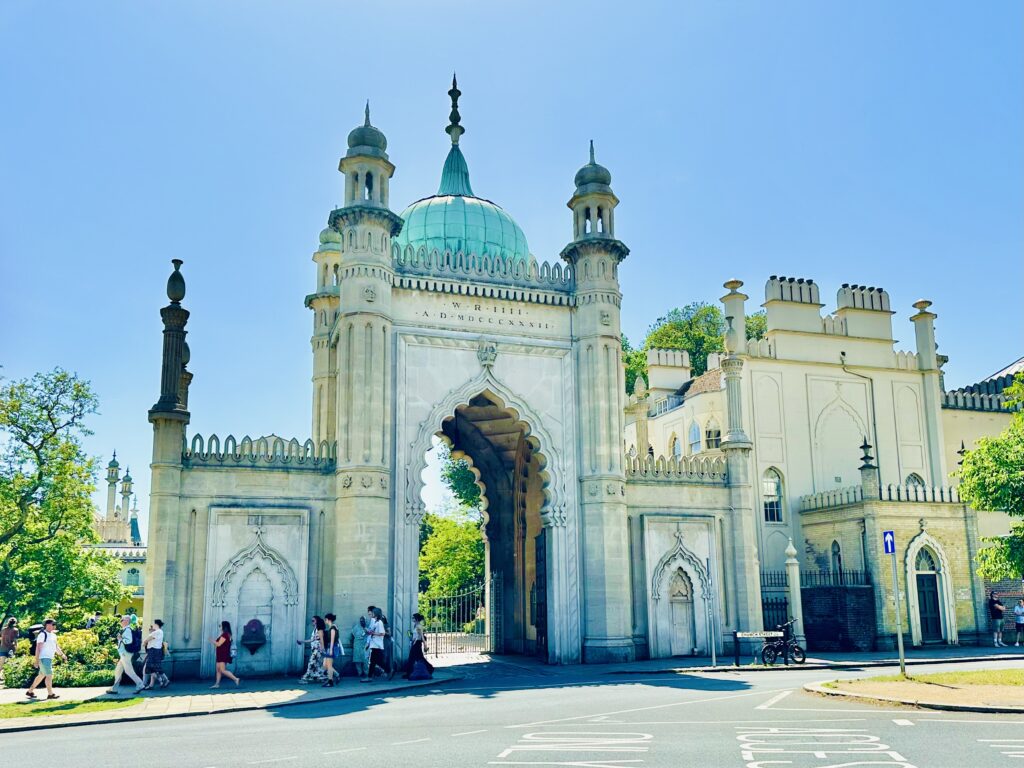
India Gate
Standing at the southern entrance to the Royal Pavilion Gardens, the India Gate was a gift to Brighton by Indian princes and other donors in 1921 as a gesture of gratitude from India for the care provided to Indian soldiers during the First World War.
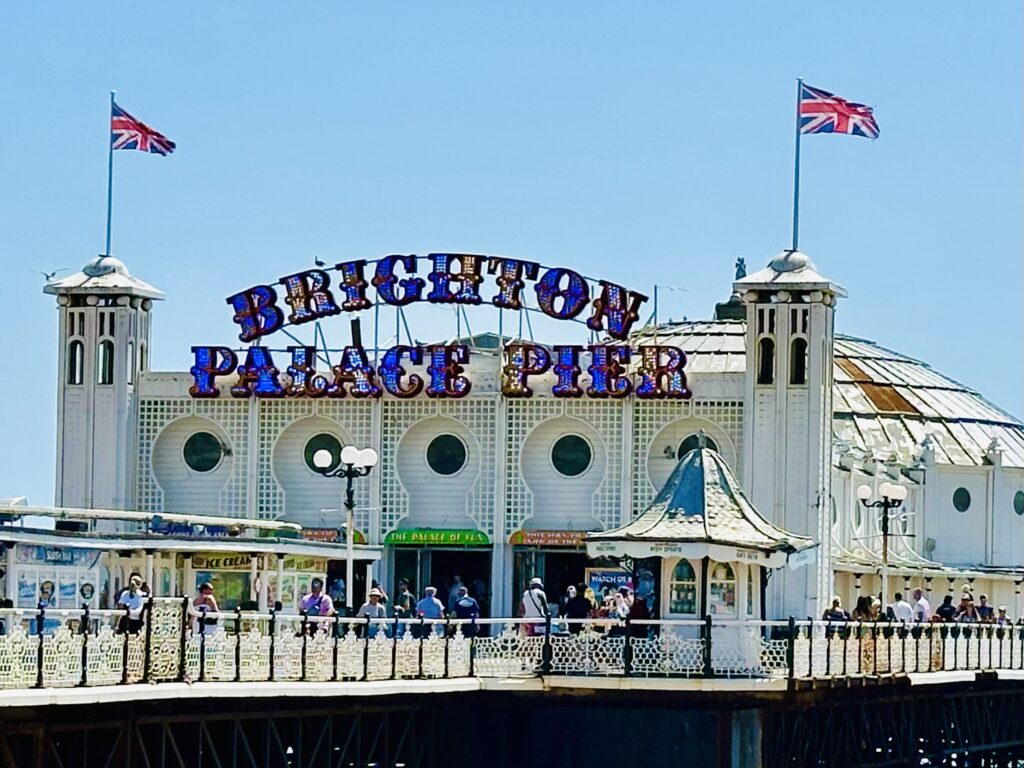
Brighton Palace Pier
The Pier was opened in 1899. It’s home for arcade games, fairground rides, bars etc.. It’s not really my cup of tea at the best of times. On a hot and crowded day, it was to be avoided, despite its rather grand presence!
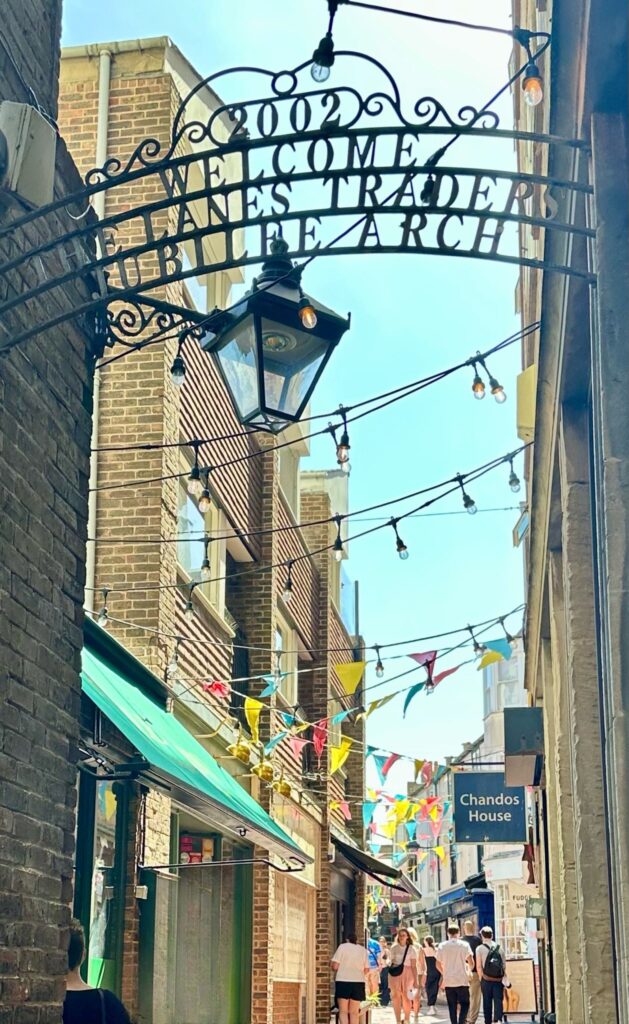
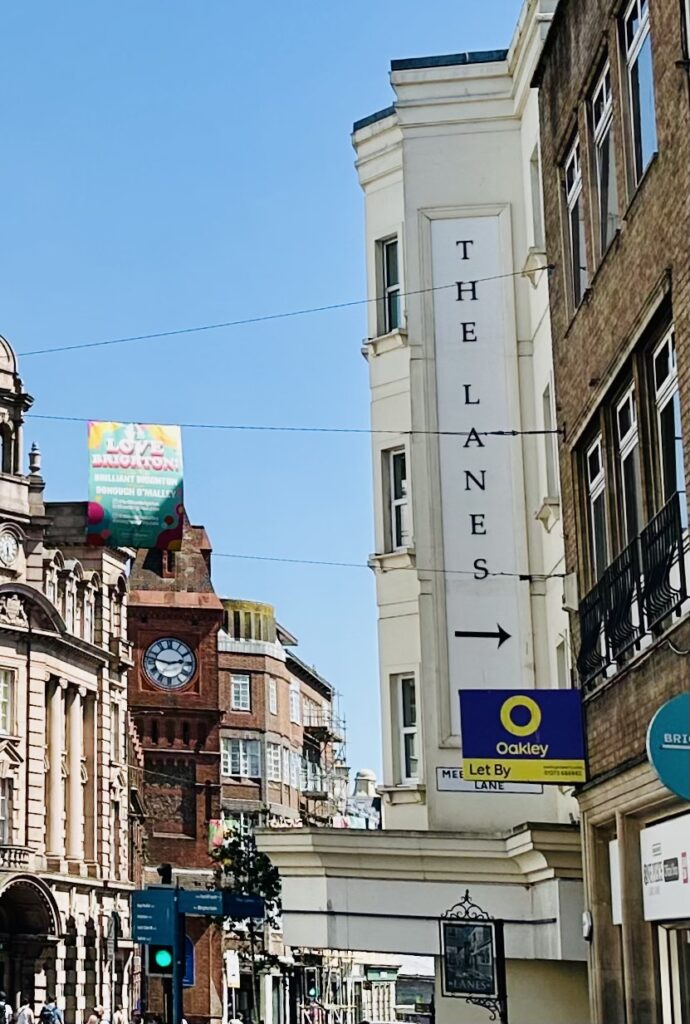
The Lanes
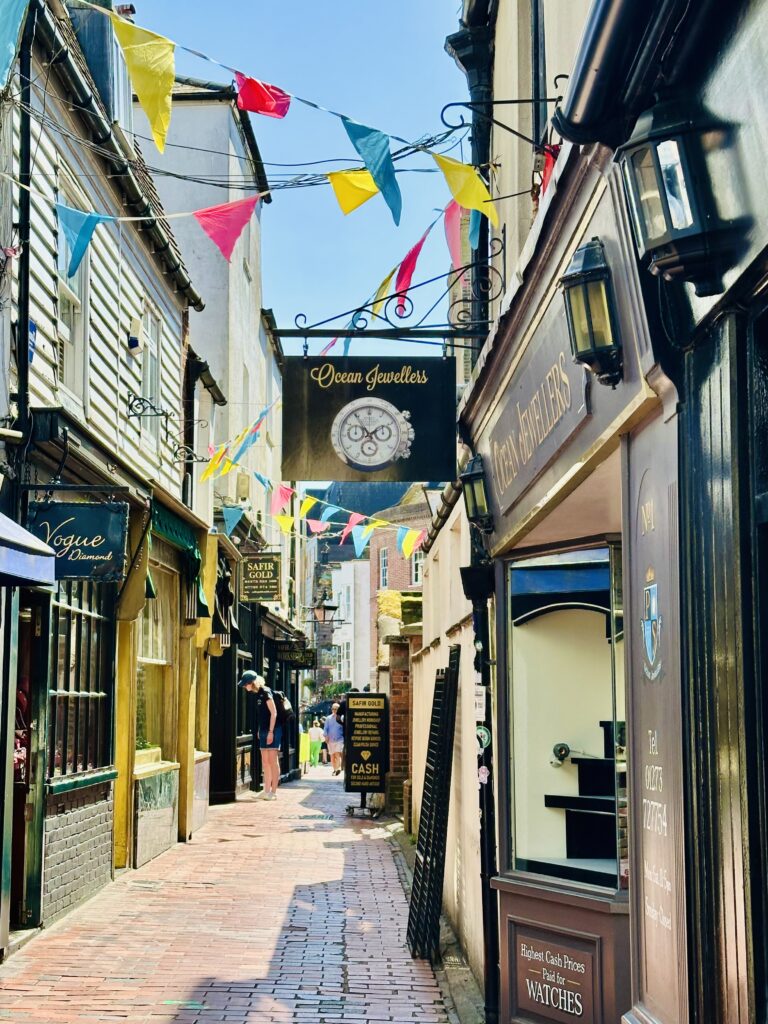
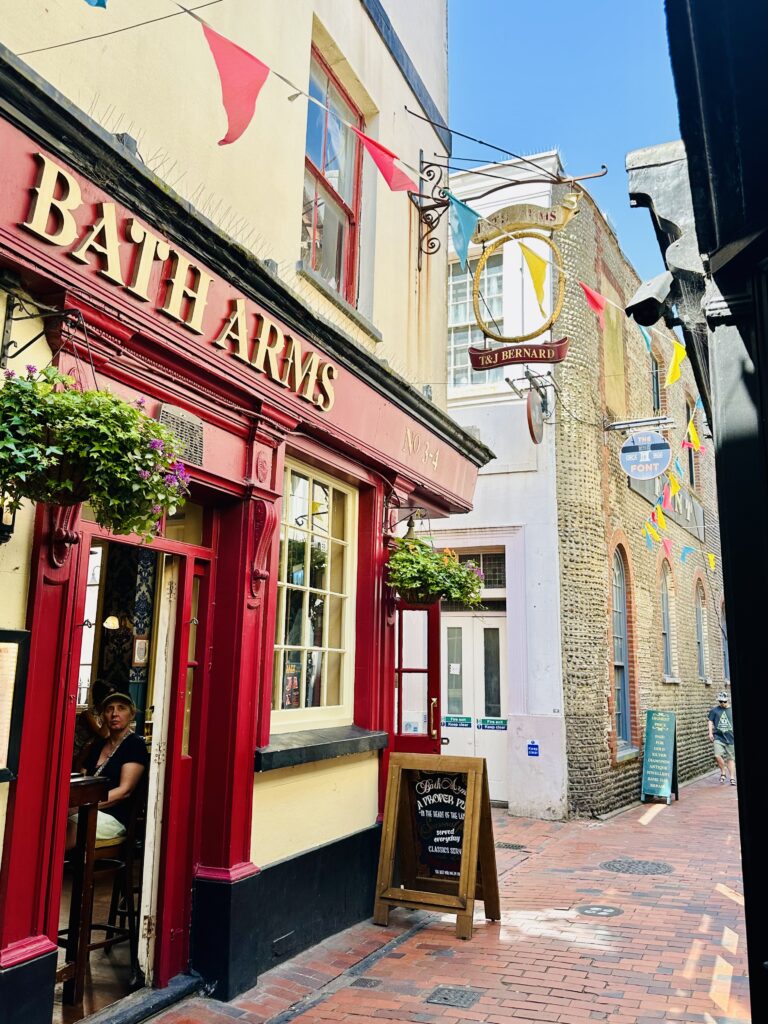
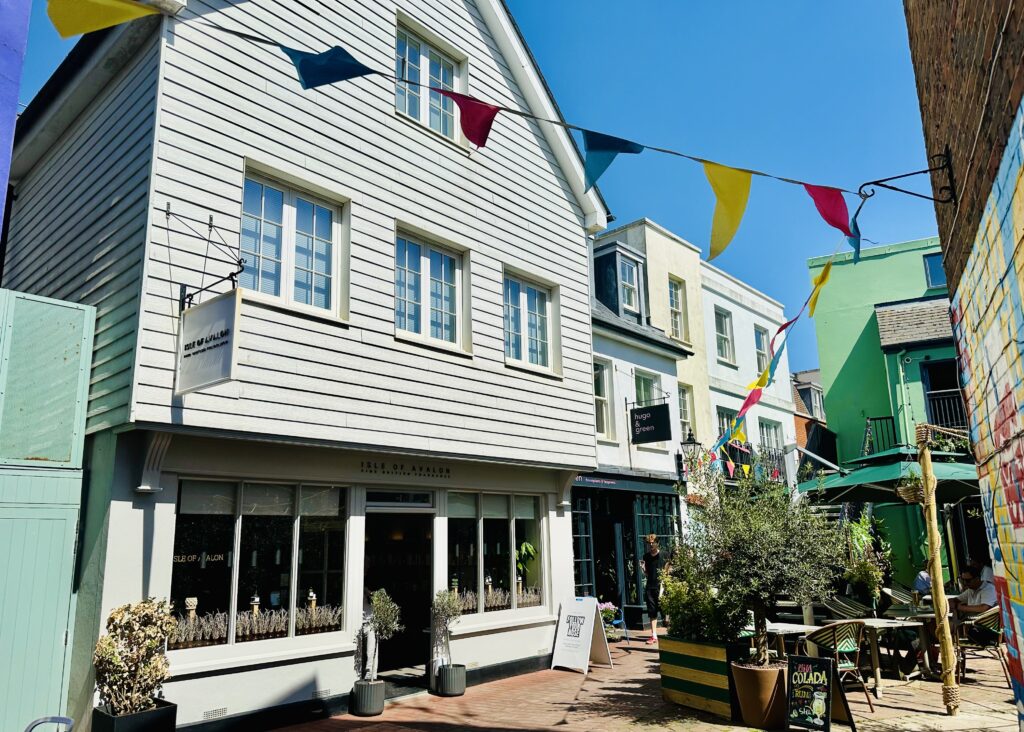
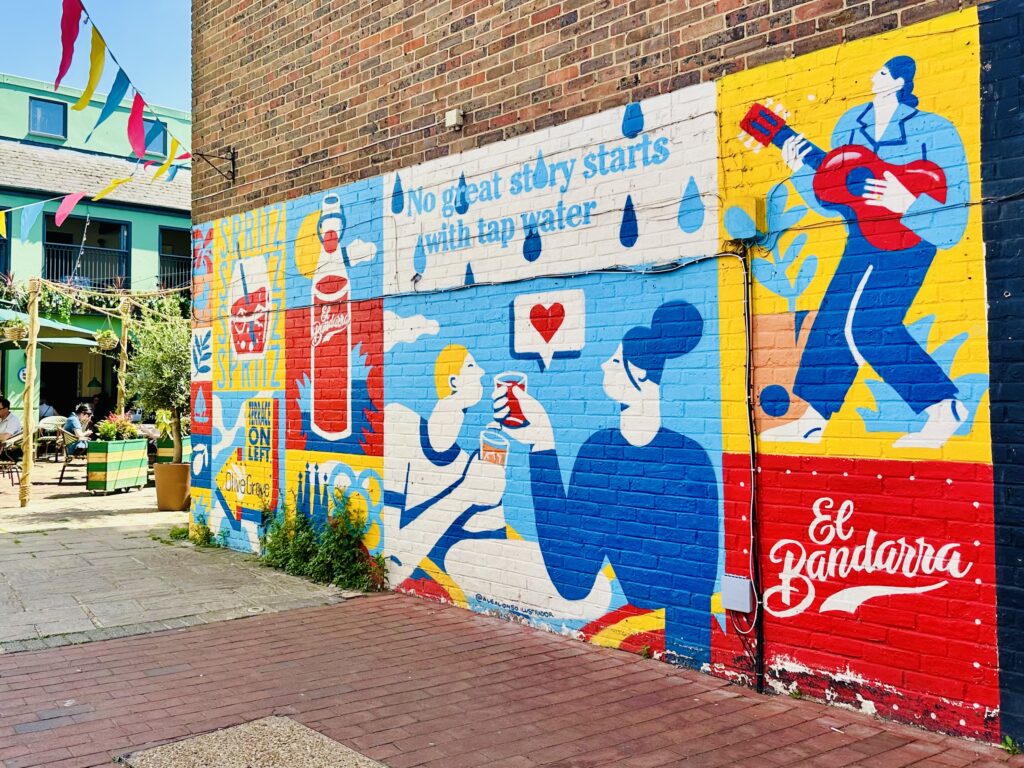
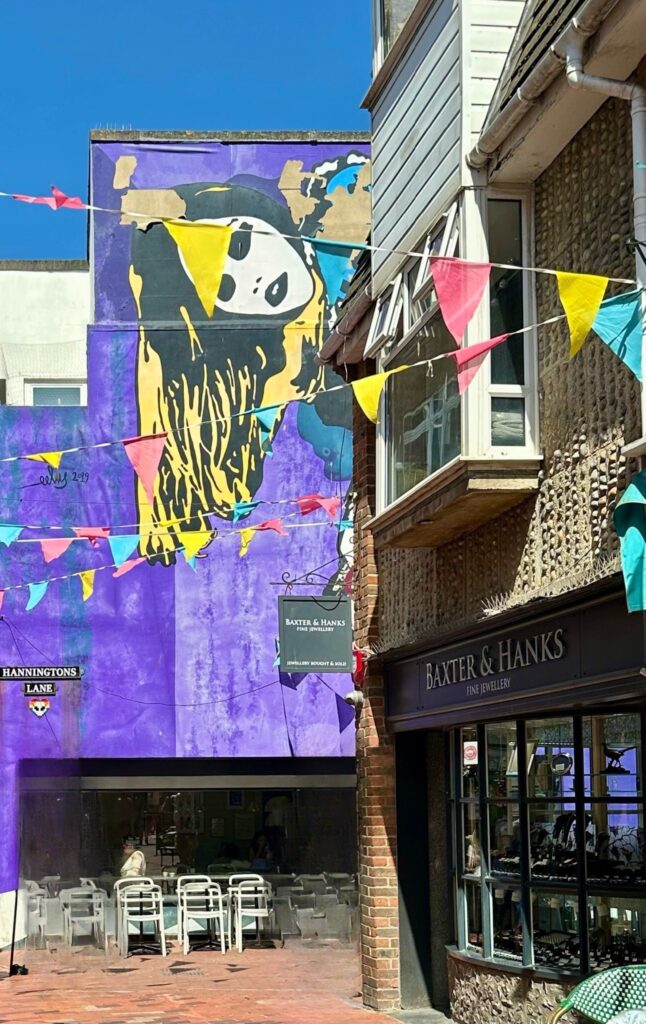
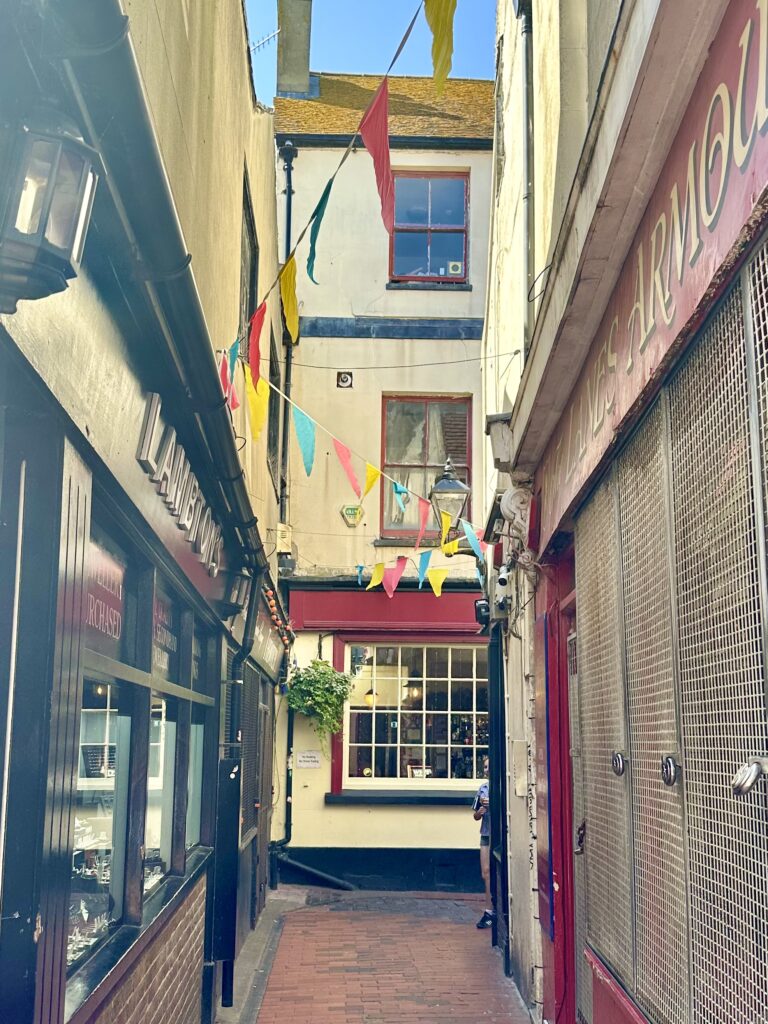
Brighton is famous for its pedestrianised shopping districts but it’s The Lanes that provide the Bohemian vibe of Brighton. The labyrinth of twisting, narrow alleyways are packed with independent boutiques, antique shops, jewellers and vintage clothing stores. It’s where quirky cafes stand next to cozy historic pubs. Parts of The Lanes date back to the late 16th Century when Brighton was a small fishing town.
The Royal Connection
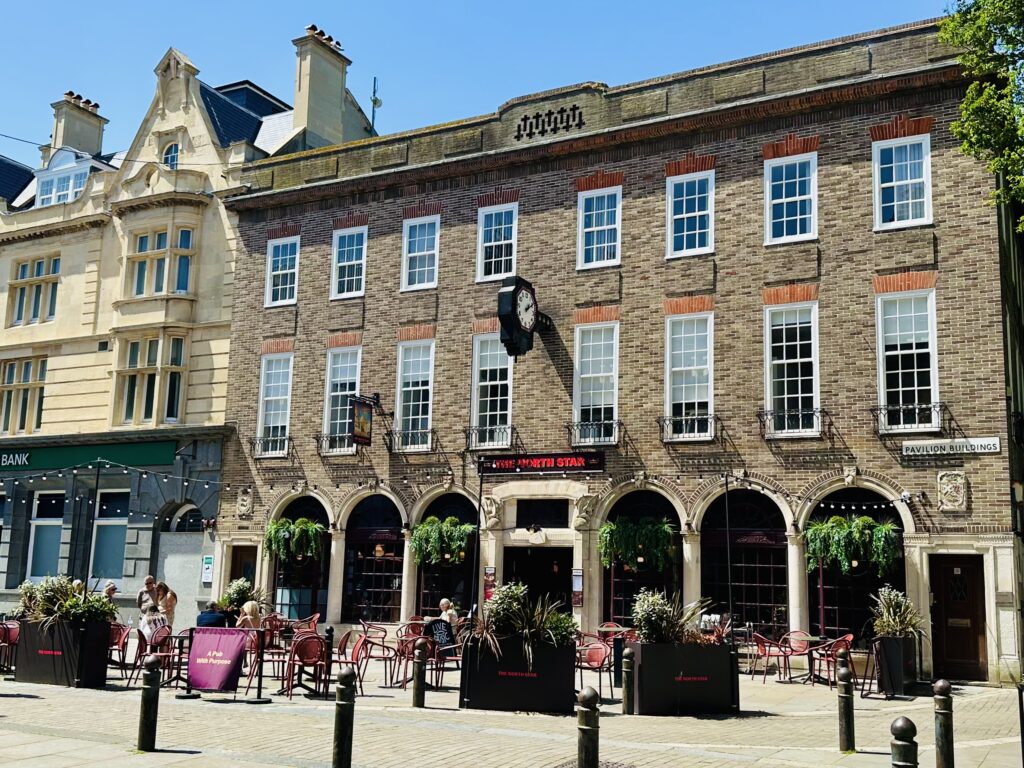
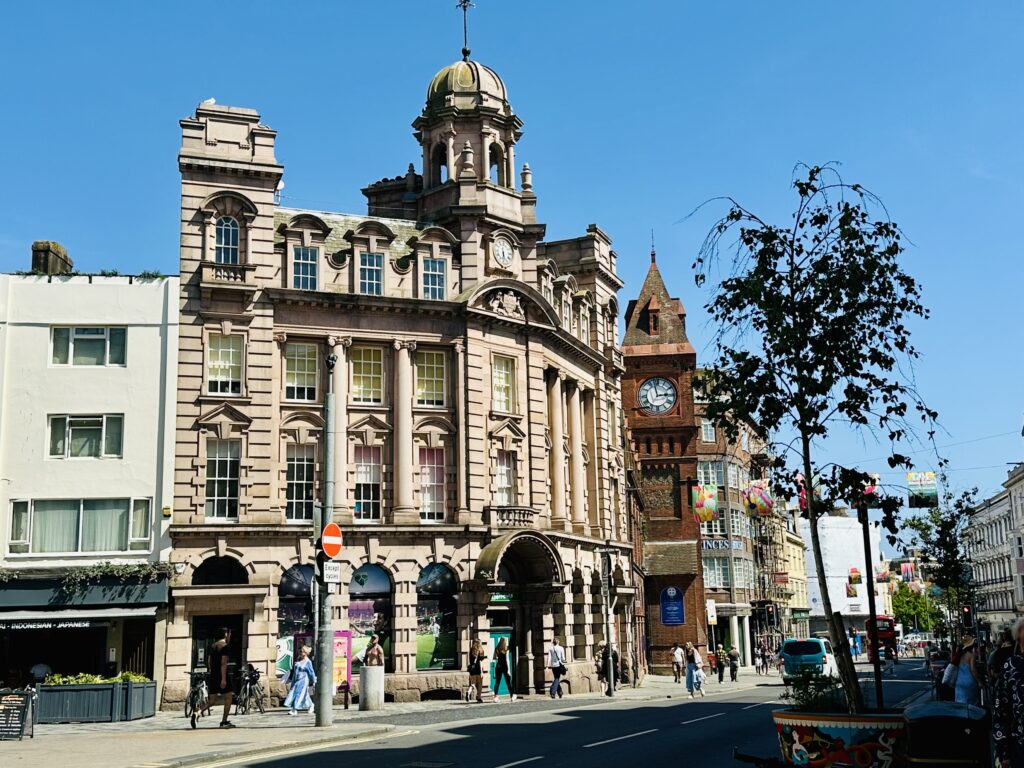
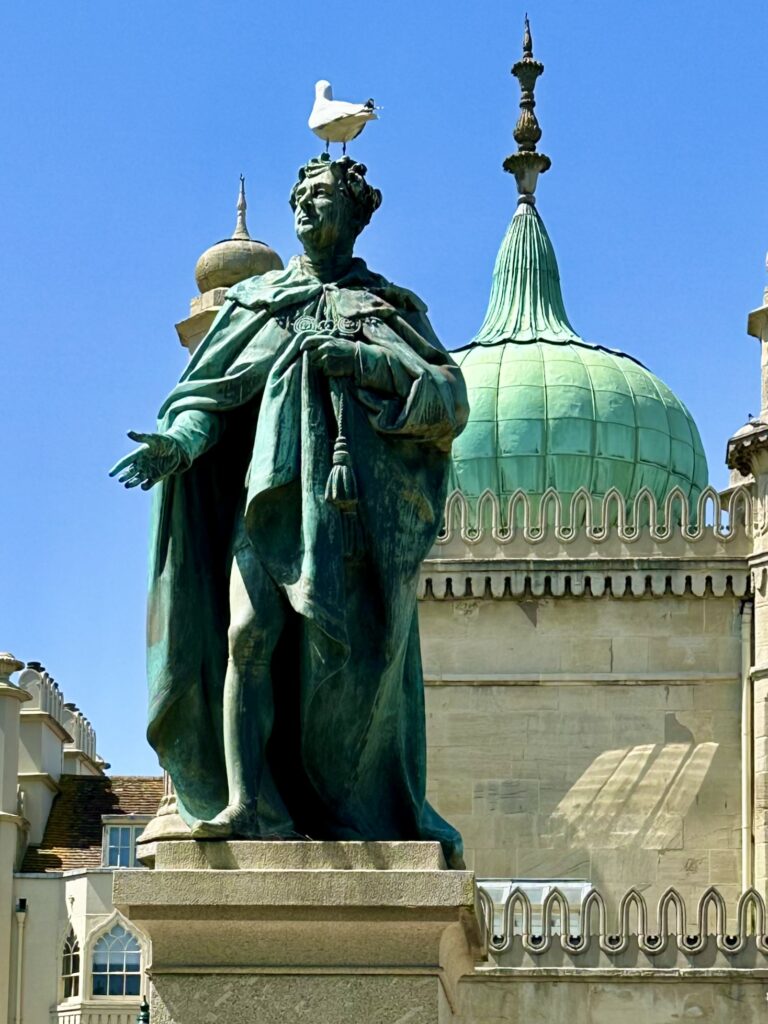
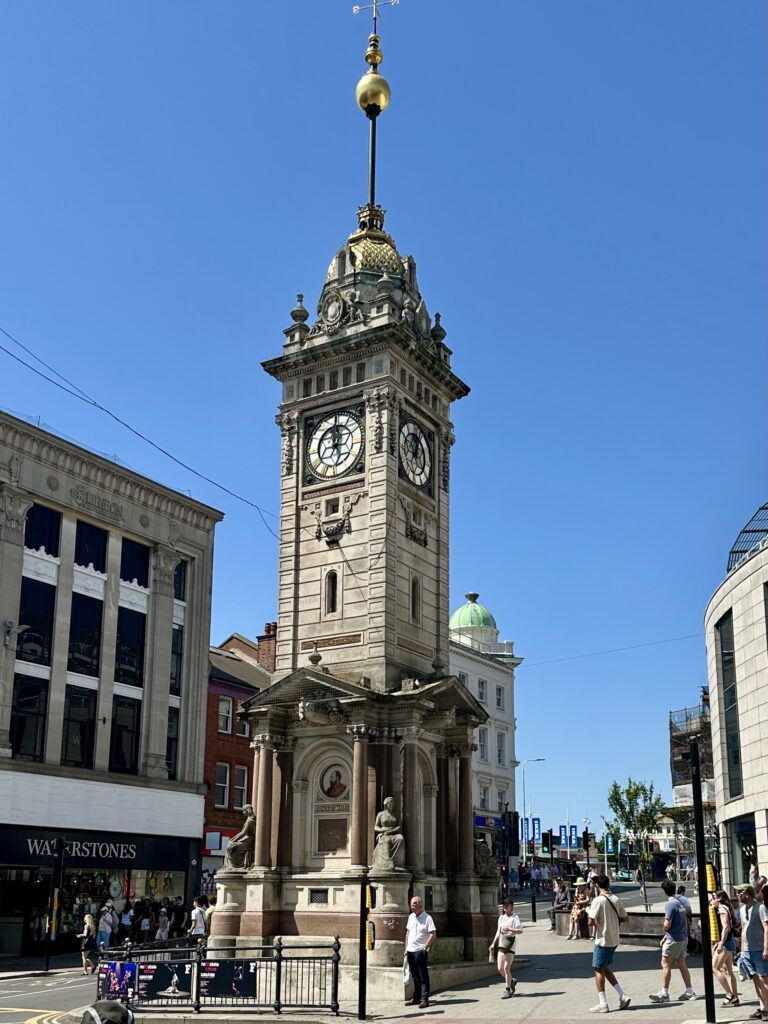
Brighton’s royal connections are everywhere seen. There’s a statue of King George IV near The Pavilion (the seagull on its head was just a fleeting visitor!) Jubilee Clock tower at the junction Queen’s Road, North Street and West Street was built in 1888 to commemorate Queen Victoria‘s Golden Jubilee
Visiting Brighton for a day is like reading just the summary of a book – it’s sufficient for some, but leaves others wanting more. Whilst visitors can pack in a lot in a day in Brighton, there’s more to Brighton than a day trip destination.